|
|
|
September 2026 HerbWalks
& OjaiHerbal Newsletter |
|
|---|
|
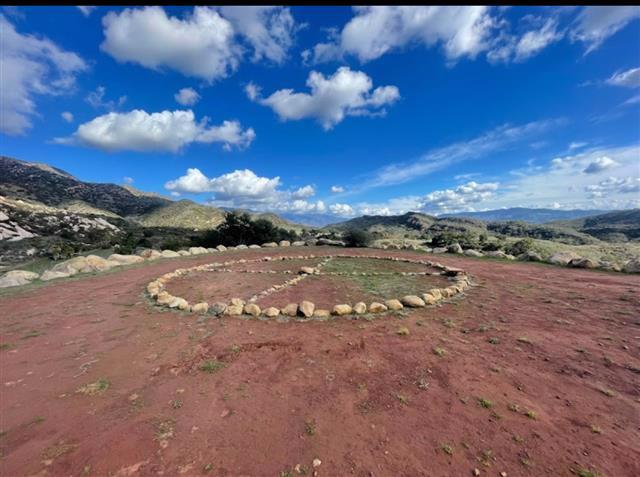
Four Directions Circle on Taft Nature Preserve.
Photo by Alexandra Nicklin |
|
|
|
|
Fall Equinox Walkabout at Taft Gardens & Nature Preserve
Saturday, September 19
9:00 a.m. - 12:00 p.m. |
|
|---|
|
Please note: This event is presented by the Conservation Endowment Fund (CEF), stewards of Taft Gardens & Nature Preserve. They are handling all registrations. Please visit this page to register. You can email taftgardensvisitors@gmail.com with any questions. Admission to the walkabout is $45/person which includes a $10 donation to CEF.
Registrants will receive an email from CEF with detailed directions. Please do not try to find the venue by using other maps or GPS. Allow plenty of time to find the venue and to make your way up the miles-long driveway.
Please join me for a Fall Equinox Walkabout at Taft Gardens & Nature Preserve on Saturday, September 19, from 9 a.m. to 12 p.m. “Walkabout” is an Australian term for a temporary return to traditional Aboriginal life, taken especially between periods of work or residence in modern society and usually involving a period of travel through the bush. That is the essence of what I have planned for us in observance of the Fall Equinox, although for a much shorter time than the traditional Australian journey and as a group instead of solo.
Our walkabout will begin in the Australian section of the Gardens and ascend through the wild plant communities in the Nature Preserve to a vista point adorned with a four-directions stone circle on a mesa with a 360 degree view. There we will align with the four directions, connect with the annual solar cycle, and remember our own ancestral origins somewhere on Planet Earth.
As we do on all my monthly Natural History walks at the Taft Ranch, we will identify and discuss useful plants and observe birds and animal signs in the context of the local ecology. My intention is to create a space for people to connect and interact with the natural world by learning the language of nature.
|
|
|---|
|
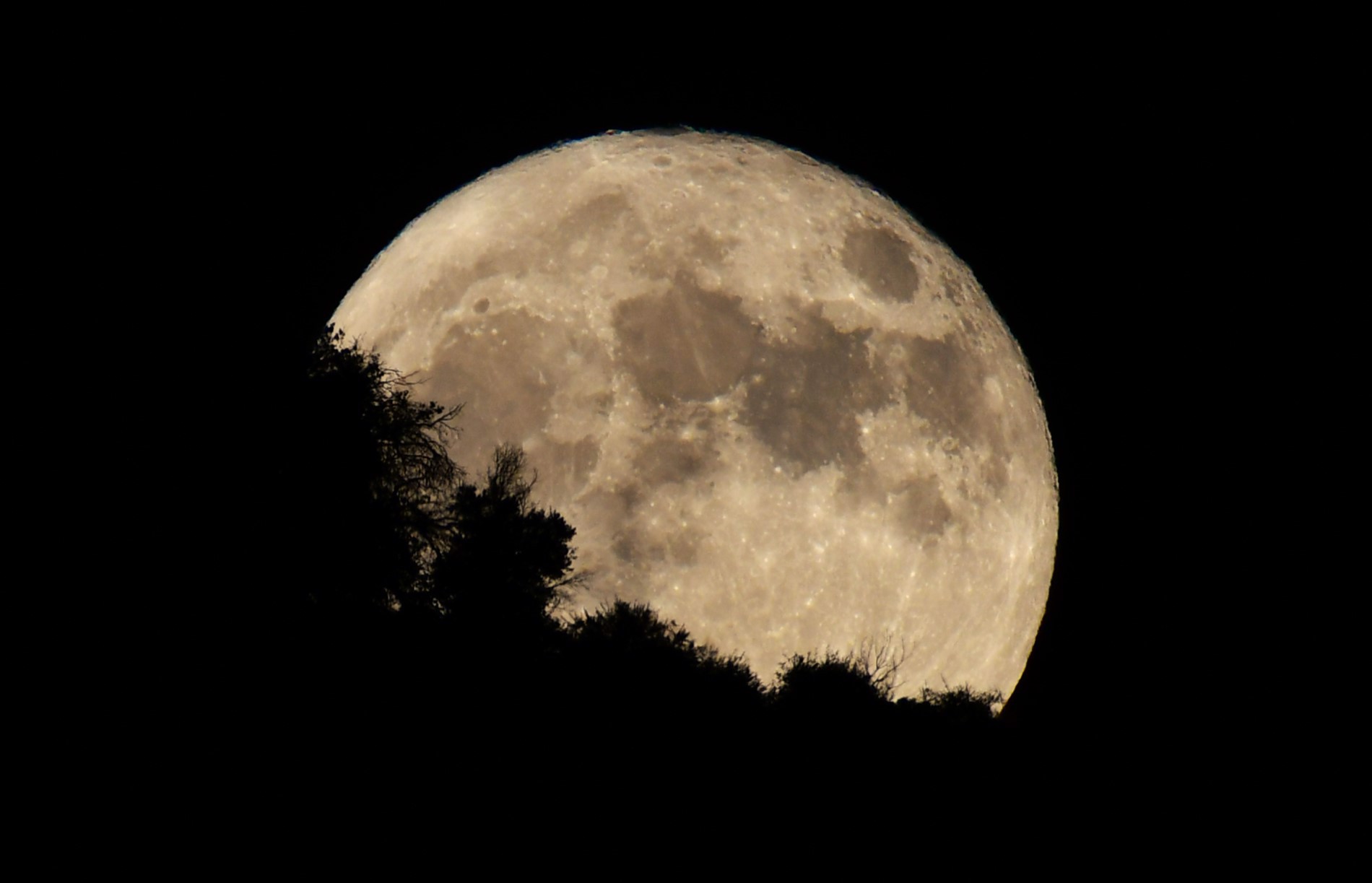
Full Moon rising due east over Ojai.
Photo: Joe P. Powers |
|
|
|
|
Fall Equinox Full Moon Nature Hike
Friday, September 25
4:30 p.m. - 7:00 p.m. |
|
|---|
|
The full moon closest to the fall equinox is commonly known as the Harvest Moon in most of North America. Here in Southern California it’s more like the “Acorn Drop Moon.” In any case, I’m calling this hike the Fall Equinox Full Moon Nature Hike because the full moon will rise at 90 degrees due east on Friday, September 25, just as the sun will do the day before.
Please join me and Rondia on Friday evening from 4:30 to 7:00 p.m. as we hike to a vista point above the Ojai Valley where we can watch the sunset afterglow and rising of the moon. Both will happen around 6:15 p.m.
We’ll meet at the trailhead at 4:15 p.m. for a 4:30 p.m. start, then gradually hike about 1.5 miles to the viewing site, experiencing some elevation gain on a well-worn, dirt fire road with uneven footing in places. We’ll hike back by moonlight and flashlight, returning to the trailhead around 7 p.m.
Along the way we’ll stop to meet some valuable edible and medicinal plants, including:
- Toyon
- Purple Sage
- Brickellbush
- Coastal Sagebrush
- Passionfruit
- California Buckwheat and
- Chaparral Yucca
We’ll also identify Poison Oak.
My 2021 book, Medicinal Herbs of California, will be available at the trailhead for sale and signing.
Paid registrants will receive a confirmation email a few days prior to the event with all necessary info, including what to bring, weather forecast, and directions to the trailhead. Afterwards, they also will receive a follow-up email with a list of all plants and wildlife seen.
Adult tickets are $35, tickets for students 13-17 or adult full-time students are $25. Children 12-and-under may attend for free, one per adult, with advance notice and approval. Please note: one supervising adult must accompany each child 12 years old or younger. Senior discount is available by request.
Please click on the photo above or this link to learn more and register.
|
|
|---|
|
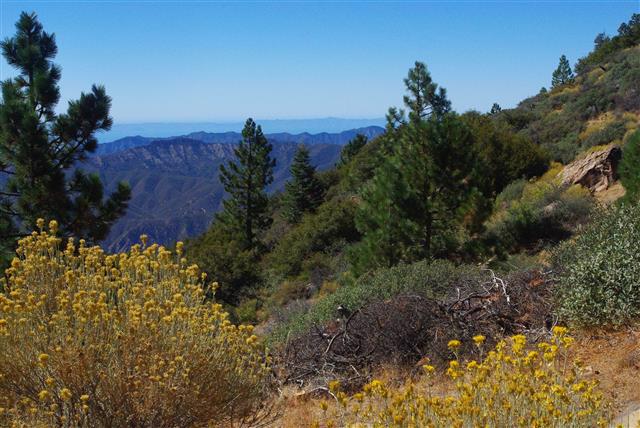
Channel Islands seen from Pine Mountain in September
. Photo: Erika Klohe |
|
|
|
|
Fall Equinox Nature Hike
on Pine Mountain
Saturday, September 26
9:00 a.m. - 4:30 p.m. |
|
|---|
|
On Saturday, September 26, I will lead my 13th annual Fall Equinox Nature Hike in the peaceful Mixed Conifer Forest on the “sky island” known as Pine Mountain (elevation: 7000 feet). I promise that first time visitors to this area will be surprised and delighted to find a thick forest of pine, fir and incense-cedar so close to the Ventura coast. If we’re lucky, pine nuts will be falling as we walk.
Weather and marine layer permitting, we will have panoramic views of the Cuyama Valley to the north and the Channel Islands to the south. According to Craig Carey, author of
Hiking and Backpacking Santa Barbara and Ventura, the Reyes Peak Trail along the northern slope of the peak is “quite simply one of the most beautiful stretches in the southern Los Padres.”
Biogeographers include Pine Mountain in a select group of “sky islands,” defined as isolated mountains surrounded by radically different lowland environments. We can expect to see several high-altitude plants and trees like White Fir, Sugar Pine, Sierra Gooseberry, Mountain Pink Currant, and White Bark Raspberry that are more commonly found in the Southern Sierra Nevada mountains.
Click on the photo above or this link or continue reading the article below to learn more and sign up,
|
|
|---|
|
Botany Field Course for Herbalists
|
|
|---|
|
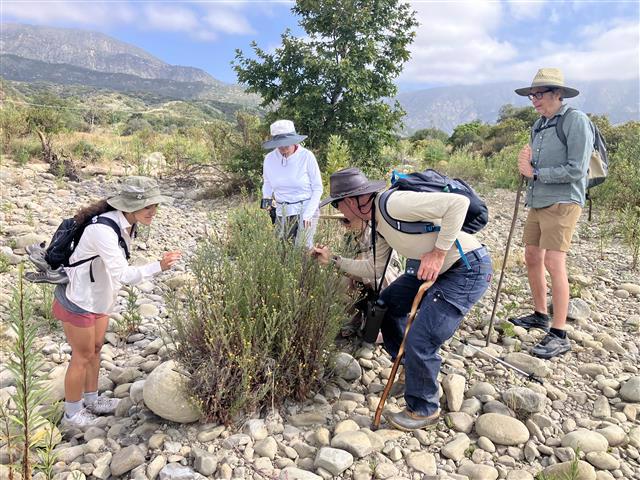
2026 Botany Field Course 2 students working together to
make a positive identification of a native plant on the trail |
|
|
|
|
Now accepting applicants for 2027 and 1 mid-year space for 2026
|
|
|---|
|
In January of 2025, a longtime friend and Herb Walks attendee asked if she could study plant identification with me to supplement her college class in Ecological Restoration. After we brainstormed how that might look, she created a draft of a course description, including duration, goals, cost of program, and a cost breakdown per student for 6 students. The course became a reality for 6 students on 24 Monday mornings from January into November. Those students signed on for a second-year advanced course in 2026 and I started a new beginning course on Tuesdays.
I’m now accepting inquiries from those interested in joining one of those two courses in 2027. They will continue to run on Monday and Tuesday mornings from January to November. The opening classes are on Monday and Tuesday, January 11 and January 12, 2027.
I'm also interested in hearing from interested students who may want to fill a space that opened up in this year's beginning Field Course 1. If you might be that student, please continue reading.
No previous knowledge is required for the beginning course. Some foraging experience or previous plant study is required for the advanced course. My use here of the words “for herbalists” in the course title is broad, along the lines of Merriam-Webster’s definition #2 of an herbalist: “a person who collects or grows herbs.” Most likely you already fit that definition. If so, click on this link or the photo above to learn more and schedule an interview.
|
|
|---|
|
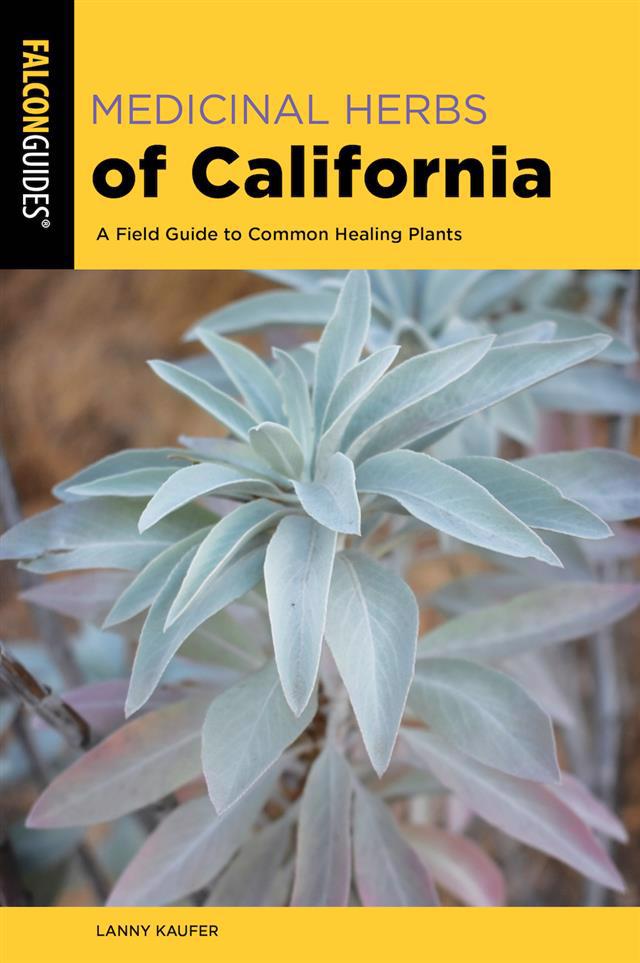
Medicinal Herbs of California:
A Field Guide to Common Healing Plants |
|
|---|
|
You can order my book by visiting the Herb Walks bookshop or by clicking on the book cover image above.
To request a simple autograph or have the book signed to your name, when you reach "checkout" use the “Order notes (optional)” field. This personal touch is something not available when purchasing on Amazon or other vendors.
If you already own my book or you're considering buying it, be sure to click on the following link to check out the free hyperlinked bibliography I created to save you the hassle of copying long URLs from the printed page to your browser. This feature enables you to easily visit any of the web sources linked to the 350 citations in the book. |
|
|---|
|
|
Upcoming
Herb Walks Events |
|
|---|
|
Poodle-Dog Bush regrowing on Dry Lakes Ridge after 2017 fire.
Photo: Bryant Baker (courtesy of LPFW) |
|
|
|
|
Trump Administration Moves to Eliminate Roadless Rule:
Threatening Los Padres National Forest
|
|
|---|
|
(Reprinted from LPFW at ForestWatch.org.) The Trump administration has formally proposed eliminating the Roadless Area Conservation Rule, a move that could remove longstanding protections from more than 44 million acres of national forest lands across the country, including 635,000 acres in Los Padres National Forest.
On August 18, U.S. Secretary of Agriculture Brooke Rollins announced that the U.S. Forest Service had filed a proposal to rescind the 2001 Roadless Rule in its entirety. A public comment period is open through September 21.
Click on the photo above or this link to learn more and leave a comment, |
|
|---|
|
Clicking on the USFS logo above will take you to the home page for the Los Padres National Forest.
The following link goes directly to the Ojai Ranger District webpage where you will find info on recreational opportunities, links to info on permits, trail access, road conditions, closure orders, etc.
The Matilija Wilderness is now open for hiking and, Matilija Canyon Road is also open. Parking is allowed in the designated parking area at the trailhead. |
|
|---|
|
|
|
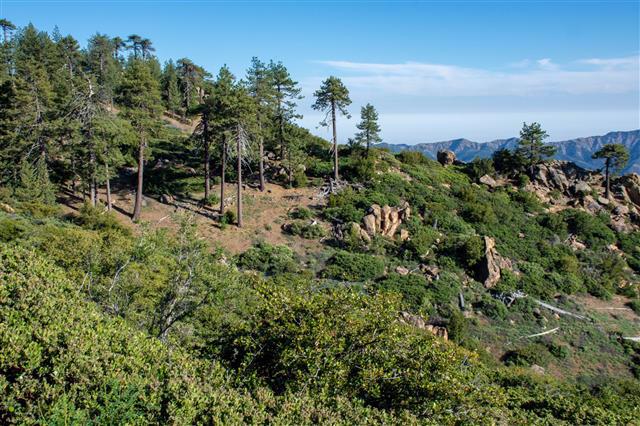
Jeffrey Pines and chaparral on Pine Mountain.
Photo: Bryant Baker |
|
|
|
|
Fall Equinox Nature Hike on Pine Mountain |
|
|---|
|
On Saturday, September 26, we will start walking into the Sespe Wilderness from the Reyes Peak trailhead (where there is a restroom) at about 10:30 a.m., stop for lunch (not provided) in the forest, and return to the trailhead by about 4:00 p.m., arriving back at the Maricopa Plaza by about 4:30 p.m. We will hike on a well-used trail through mixed conifer forest habitat, stopping often to identify and discuss native plants, birds and wildlife.
This intermediate level hike is suitable for fit, moderately experienced hikers or physically fit beginners. There will be some elevation gain and loss skirting the north side of Reyes Peak, sometimes traversing across steep hillsides on a narrow trail. The total hiking distance will be about 3 miles.
This is another in a series of backcountry walks and hikes under an Operating Permit from the Ojai Ranger District Office of the U.S. Forest Service designed for guides who provide recreational and interpretive services to the public. After the hike participants will receive a detailed follow-up email including a list of all plants and wildlife identified.
The cost for the hike is $45/person. Qualifying full-time students (13+) can attend for $35. Senior discount available by request. Children 12-and-under can attend free, subject to approval. Please email me at register@herbwalks.com to request approval to bring one child 12-and-under at no additional charge. Limit: one minor child per adult.
|
|
|---|
|
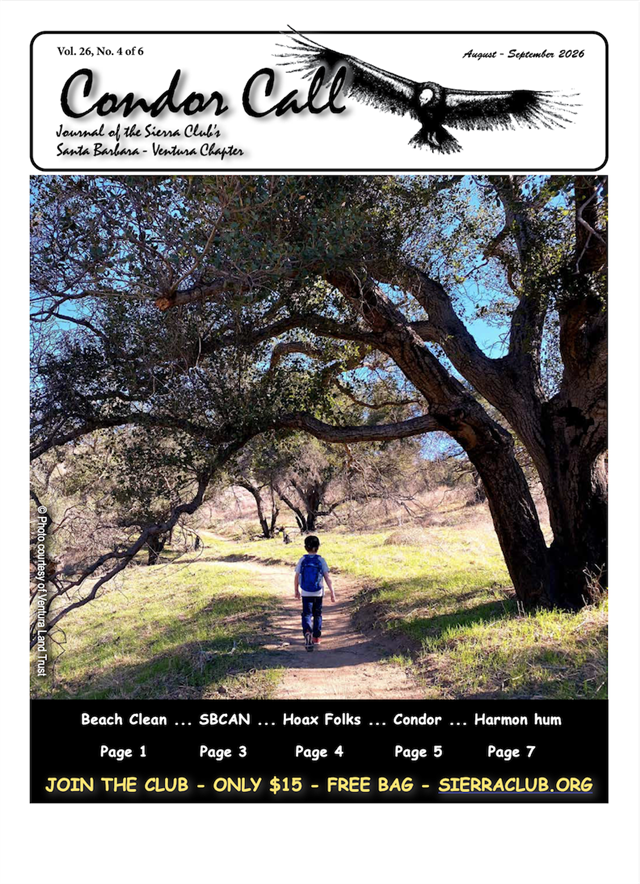
Click above to open the local Sierra Club's
Condor Call |
|
|
|
|
Two New Free Online Resources! |
|
|---|
|
|
Christopher Hobbs' latest project, along with herbalists Robert Brucia and Ed Smith, opens up FREE digital access to the most important books and writings on herbs from all over the world, in one place.
70 free in-depth profiles of medicinal plants and fungi—written by a wide range of respected herbalists.
These plant monographs include detailed information on botany, bioregion, ethnobotany, traditional and modern uses, herbal energetics, stories, and much more.
|
|
|---|
|
|
|
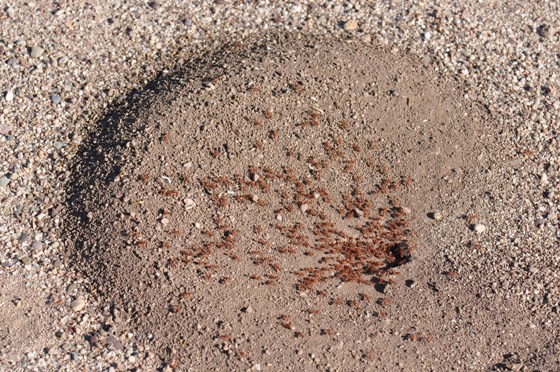
Characteristic Harvester Ant mound.
Photo: bugguide.net |
|
|
|
|
Harvester Ants of the Ojai Valley, Part 2:
The Red Eye Ordeal and the Mint Family Connection |
|
|---|
|
Missed Part 1 or need a quick refresher?
In Part 1, we explored how California Harvester Ants (
Pogonomyrmex californicus) act as “accidental gardeners” by dispersing native seeds, why they carry such a surprisingly toxic sting, and how an accidental backcountry encounter in the mountains behind Ojai revealed an unexpected chemical crossover between ant alarm signals and native mints.
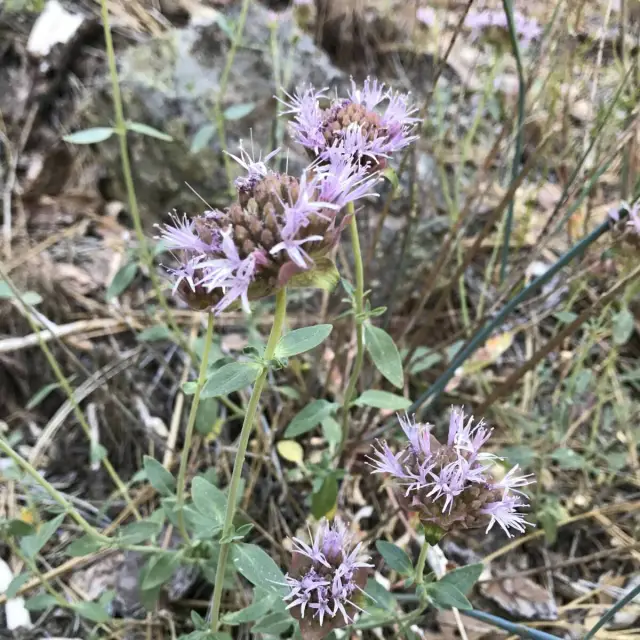
Coyote-Mint (
Monardella
breweri ssp.
lanceolata). Photo: Lanny Kaufer
Picking Up the Scent: The Monoterpene Lineage
If you read Part 1, you might recall my surprise at accidentally crushing a Harvester Ant while dealing with a swarm of mosquitoes, only to be struck by the unmistakable scent of European Pennyroyal (
Mentha pulegium) and our local native Coyote-Mint (
Monardella breweri ssp.
lanceolata).
When threatened, Harvester Ants release an alarm pheromone called 4-methyl-3-heptanone. To our human senses, this volatile ketone acts as a structural mimic of pulegone—the potent insect-repelling monterpene found in those two members of the Mint family (Lamiaceae).
From the Pennyroyal in your herb garden to the Coyote-Mint in our mountains, plants in the Mint
family utilize monoterpenes for defense and communication. But there is a much deeper chapter to this story—one that connects a humble stinging ant to Catnip (
Nepeta cataria) the most famous “high” in the garden, and to a profound Indigenous rite of passage.
Read on at this link to see how it all comes together.
|
|
|---|
|
|
|
|---|
|
| |
|
|
 | |
|  |
|
|
|
|