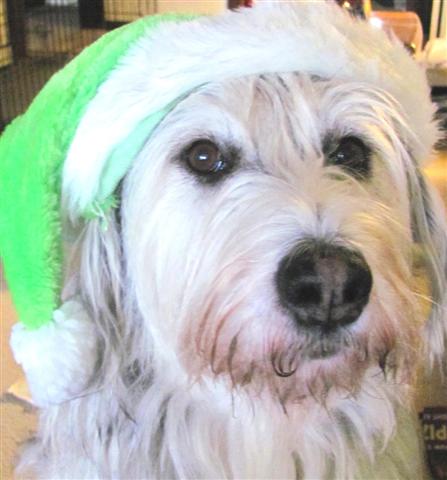
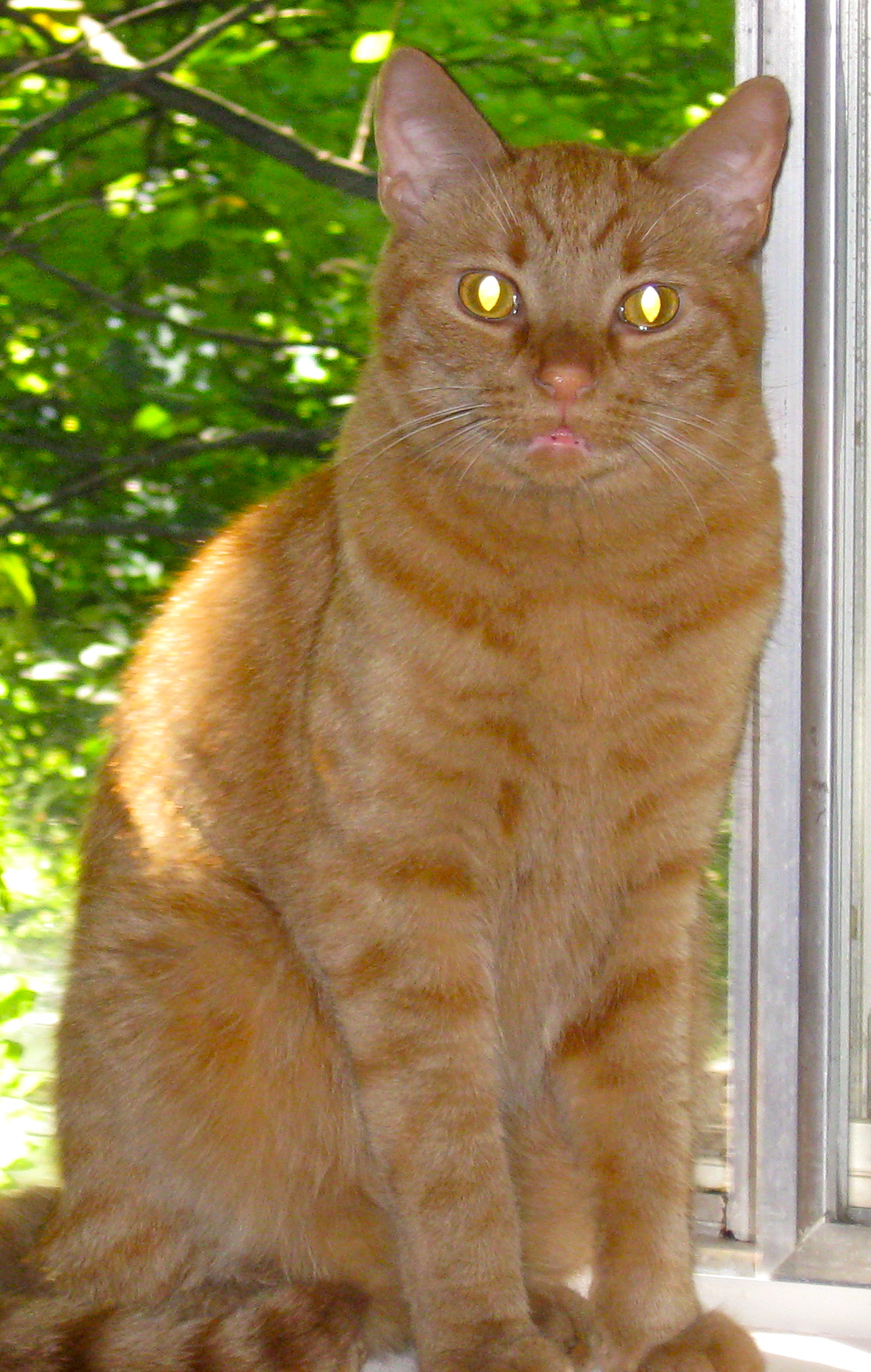
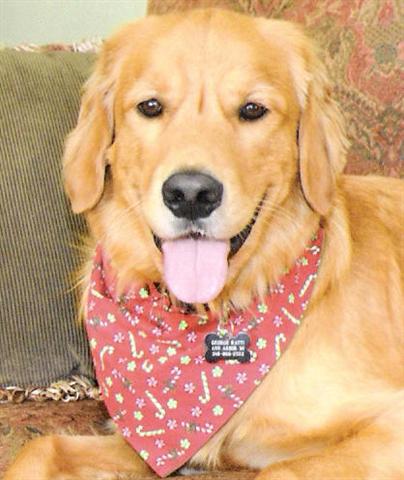
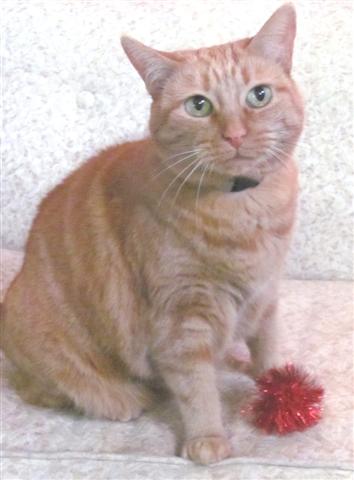
 | | Miss Olive |
|
Pet "Paws"
...with Miss Olive
Decking this premiere
edition of the Betty Blast are some of our favorite pets, including Miss Olive,
The Betty Brigade’s own kitty mascot, or, as she prefers to be known, Felinicus
Domesticus. Fastidious and proper
to a fault, Miss Olive holds her Betties to the highest of standards. When it comes to pets, although she never
counts herself among them, Miss Olive insists upon utmost consideration for
their safety within a human household.
|
Despite our best efforts, a pet may get into trouble. Keep phone numbers for your vet and a local emergency vet service handy. If you suspect poisoning, call one of the following:
- ASPCA Animal Poison Control Center ( APCC ) 24-hour
emergency hotline at 1-888-4-ANI-HELP (1-888 426-4435).
- The Children’s Hospital of Michigan has a Regional Poison
Control Center at (800) 222-1222.
We at The Betty Brigade hope these tips for indoor and outdoor pet safety help you relax and enjoy all the merriment of this festive time of year. We wish you and all of your animal companions a safe and joyous holiday season!
Sharon McRill
President Betty
|
Happy Holidays from our pets to yours!
|
|
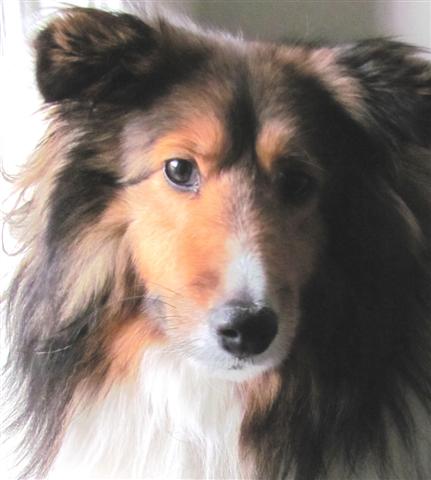 | | Jake |
Indoor Pet Safety
With wishes for a safe and happy holiday for your animal buddies,
here are some Yuletide tips on toxins and other holiday hazards:
- Keep these
poisonous items out of your pet’s reach: eucalyptus, holly, amaryllis
bulbs, lilies, mistletoe, chocolate, grapes, raisins, onions and nuts. Never allow a dog to eat poultry
bones, as they can splinter,
damaging your pet’s digestive system.
- Poinsettia
plants, while still considered toxic, are rarely fatal when eaten, as we
used to think, according to the ASPCA. At worst, ingesting the plant may cause vomiting and/or
diarrhea.
- Don’t
allow your pet to drink the Christmas tree water. Stagnant water can harbor harmful
bacteria. Use only non-toxic
tree water products. Don’t
use aspirin in the water, as this can be toxic, even fatal, to some pets.
- Hang glass
ornaments and tinsel high and securely on the tree.
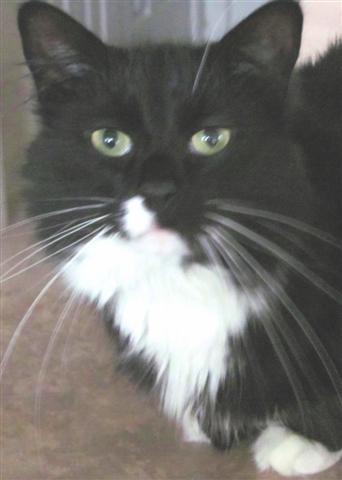 | | Sylvester |
- Tape down
or cover tree light wires and other cords to prevent shocks or burns. Unplug lights when you’re not home.
Snow globes often contain antifreeze, which has a sweet
smell and is poisonous to pets.
- Anchor
your Christmas tree to a ceiling hook with string to prevent it from
falling on curious pets. Keep pet areas free of pine needles. If
ingested, these can puncture the intestinal tract.
- Keep
pets away from wrapped packages and gift wrapping supplies. Ingested
string, plastic, cloth, and even wrapping paper can block intestines,
requiring surgical removal. Animals can hurt themselves on scissors and
tape dispensers.
|
Outdoor Pet Safety
In addition to the inside
dangers the holidays present, let’s not forget the hazards of the cold, snow
and ice outdoors. Even animals who
live outside face survival challenges in Michigan’s harsh winter. Here are some tips for protecting
our pets outside:
- Dog booties aren’t
just for fashion! Snow and ice can
pack between the pads, causing extreme pain and possible nerve or tissue
damage. Keeping the paws
well trimmed helps, but boots will keep out snow and ice. They also protect paws from rock salt,
which can irritate tissues and cause illness if ingested. For bootless dogs, wipe the paws
with a warm cloth after walks.
- Limit rock
salt use on your own property, and spread pet-safe deicer in areas where your
animals walk.
- Outside dogs
require shelter when wind chills drop below 32 degrees. They need a heated environment when
temperatures go below 0 degrees.
- Animals need
more water in the cold to help their bodies regulate temperature, so make sure
water is always accessible. For
outside animals, use a heated plastic water bowl.
- As with
booties, sweaters do more than just impress the neighbor’s poodle. Very small dogs, puppies, older dogs
and hairless breeds have trouble regulating body temperature and can develop
hypothermia in a short time. A
sweater or coat will help them enjoy being outside.
- Again, keep
animals away from antifreeze. Never
let your pet lick anything off the driveway or street. An animal poisoned by anti-freeze may
appear intoxicated, with poor balance and coordination. If you suspect your pet has ingested
anti-freeze, immediately take the animal to the vet or animal hospital. Kidney failure can set in within 24
hours.
- If possible,
keep cats indoors on frigid days.
Paws and ears can be frostbitten.
Cats sometimes crawl under hoods of cars for warmth – obviously a
dangerous situation.
- More dogs are
lost in winter than any other season. Don’t let dogs off the leash during snowstorms. They can easily lose their scent and lose
their way. Make sure dogs are
wearing ID tags when outside.
- Never leave
pets alone in a car on an icy cold day.
A car simply can’t hold enough heat to protect them from the cold, and
pets can freeze to death.
|
|