|
Employment Authorization Assistance. In response to Resolution No. 20231214-100, the City developed a policy to assist employees in seeking employment reauthorization or help with adjusting their immigration status, as well as provide resources for employees to naturalize, provide legal support or other resources, and connect employees with community resources to assist in navigating the U.S. immigration system. If you are a City employee and would like information about this new policy, please contact Rocío Villalobos - rocio.villalobos @ austintexas.gov
|
|
|---|
|
|
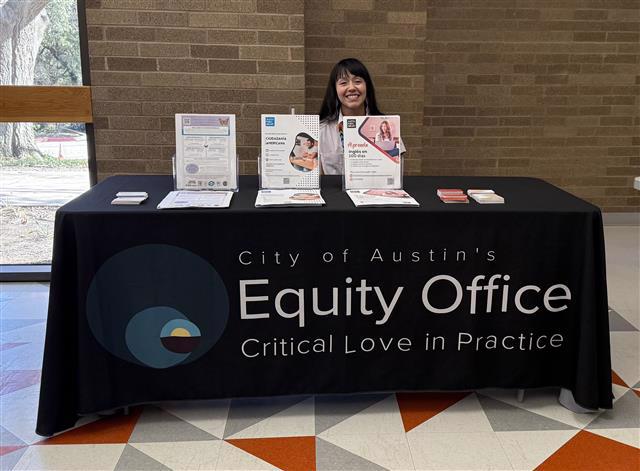
Thank you to the Mexican Consulate for their invitation to table at a community resource fair in honor of International Women's Day & Women's History Month! |
|
|---|
|
|
- The pause in federal funding has left refugees in Austin, and across Texas, struggling to figure out what happens next and how to make ends meet. Catholic Charities Fort Worth recently filed a lawsuit against the U.S. Department of Health and Human Servies in an effort to "unfreeze" the funding.
- Texas lawmakers have filed dozens of bills that could further cement the state’s role in immigration enforcement, should they become law. The proposals range from trying to force cooperation with federal immigration authorities through 287g agreements to giving property tax breaks to border landowners who allow the state to build border barriers on their property.
- The Trump administration has asked Panama to take in hundreds of people who can't be easily sent back to their countries of origin. Under this plan, hundreds of people from over 120 countries were detained, shackled, and flown by the U.S. military to Panama where they remained locked in a hotel, barred from seeing lawyers and told they would soon be sent to a makeshift camp. For those unwilling to return home out of fear, Panama sent them to a guarded camp without access to lawyers in the same Darién jungle many had crossed months earlier on their way north.
- The U.S. Department of the Interior and the U.S. Department of Health and Human Services ordered lawyers hired to represent unaccompanied children to stop working. The stop order was initially indefinite, and was meant to prevent thousands of children both in and outside of the shelter system from accessing attorneys. Children who cross the border without parents are often the victims of trauma, and the order would have delayed resolutions to their cases as well as stability. A few days later, without explanation, they rescinded the stop-work order.
- The Department of Homeland Security (DHS) shortened the current extension and redesignation of Temporary Protected Status (TPS) for Haiti. Now, approximately 500,000 Haitians only have TPS and work authorization until August 3, 2025 instead of February 3, 2026. Once Haitians lose their TPS, they will lose their ability to work and to remain in the U.S. with authorization.
- In late February, President Trump unveiled a new pathway to residency: a "gold card" aimed at wealthy foreigners willing to pay millions for the right to live in the U.S.
That term is a play on the green card, more officially known as a permanent residency card, which allows non-citizens to live and work permanently in the U.S. This is meant to replace the EB-5 immigrant investor visa program.
- Several USCIS forms were recently updated and rolled out with no grace period. This would have meant that those who mailed in their forms using the versions that existed before the new forms were rolled out would have had applications that would no longer be valid. After a lawsuit from the American Immigration Lawyers Association, USCIS was compelled to offer a one-month grace period.
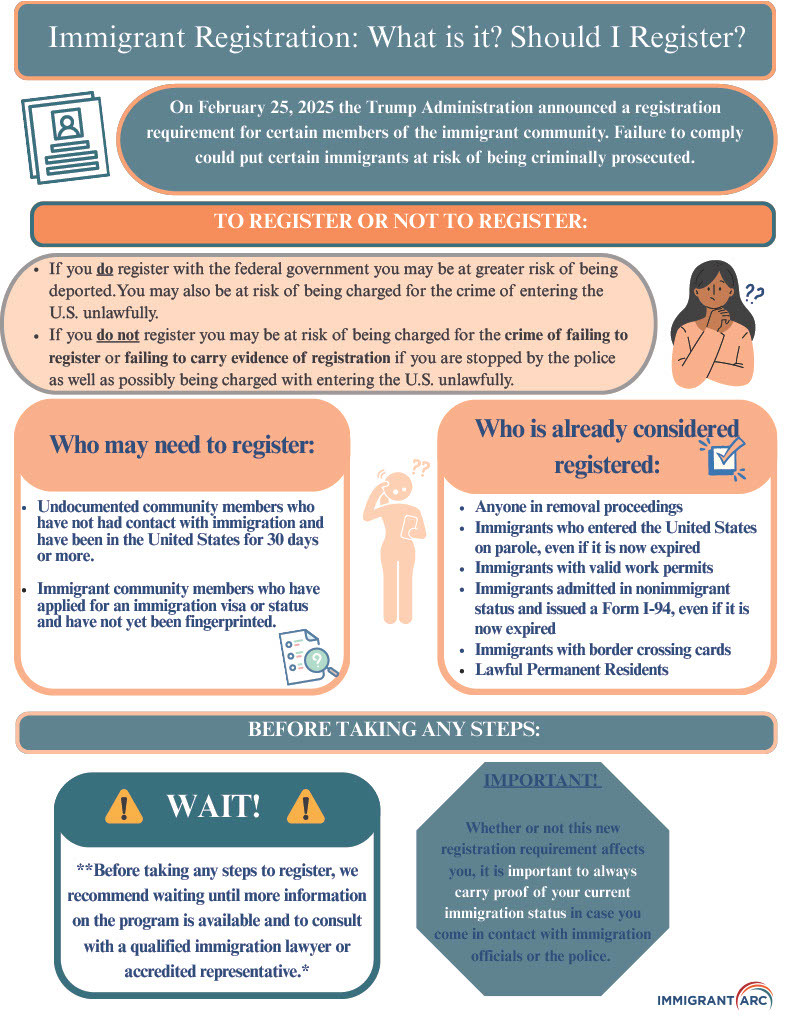
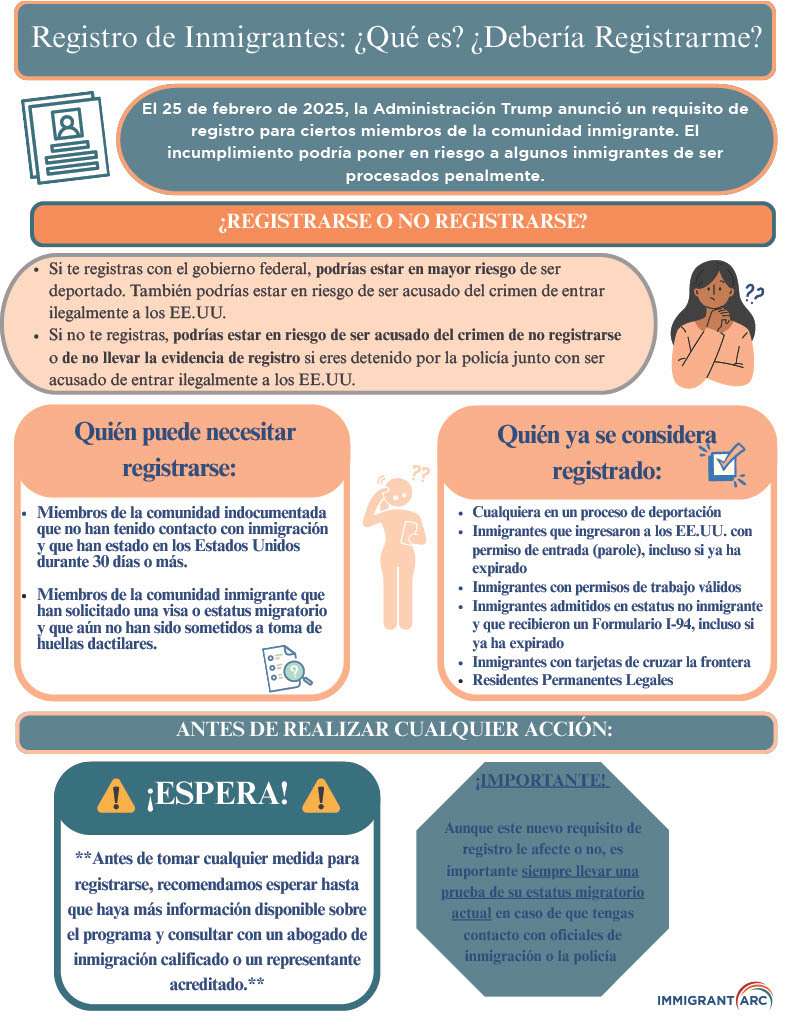
- In late February, USCIS announced a registration and fingerprinting requirement for noncitizens present in the United States. DHS will issue official evidence of registration, which all noncitizens over the age of eighteen will be expected to carry at all times. The National Immigration Law Center has published a helpful FAQ to help immigrant communities understand the impact of this new rule.
- President Trump has signed an executive order declaring English the official language of the United States. This marks the first time in U.S. history that a single language has been given official status at the federal level. While the order does not prohibit government agencies from offering services in other languages, it rescinds a Clinton-era policy that required federal agencies and recipients of federal funding to provide language assistance to non-English speakers.
-
USCIS has removed the “Another Gender Identity” option from key immigration forms, including Form I-485 (application to adjust status). Applicants can now only select “Female” or “Male.” The “Another Gender Identity” option was first introduced in 2023 under the Biden administration to make forms more inclusive for nonbinary and transgender applicants. Its removal aligns with recent policy changes under the Trump administration, including the State Department’s decision to eliminate the “X” gender marker on passports.
-
The Trump administration has brought back the practice of detaining families with children as a part of an effort to crack down on immigration. DHS is reopening the Karnes and Dilley detention centers in Texas and retrofitting them for families.
- The Department of Homeland Security announced their intent to require millions of immigrants seeking benefits ranging from green cards to citizenship to provide social media information on their immigration applications. DHS published a notice in the Federal Register on March 5 detailing plans to collect social media identifiers (“handles”) on nine immigration forms to verify applicants’ identities and to assess whether granting immigration benefits might pose security or public safety risks.
|
|
|---|
|
Friday, March 14 @ 12:30 PM CST
Understanding and Assessing Legal Risks in Working With and Serving Immigrant Communities
Recent Department of Justice memos have introduced new threats of criminal prosecution targeting state and local officials, as well as individuals and organizations serving immigrant communities. This critical webinar hosted by The University of Minnesota Law School, in partnership with the National Immigration Project and Texas Immigration Law Council, will help people understand the current enforcement landscape and assess potential legal exposure in their work.
Legal experts will discuss lessons learned from Texas, discuss specific federal statutes, past and current examples of federal prosecution and provide practical frameworks for evaluating risk in your daily operations and programs. Join us to learn how to protect yourself and your organization while continuing to serve immigrant communities effectively. Register here. |
|
|---|
|
|
Saturday, March 15 @ 11:00 AM CST
Panchabootam: Weaving the Tapestry of Earth, Water, Fire, Air and Space
Montopolis Rec Center - 1200 Montopolis Drive, Austin, TX 78741
Panchabootam is a special event celebrating our senior community through conversation, performance, and connection. This year’s theme, "Timeless Spirits, Ageless Grace," honors the wisdom, resilience, and beauty of aging.
Experience an enriching fireside chat-style discussion centered on the five elements, a vibrant fashion show, and a yoga performance—all highlighting the grace and timeless spirit of our elders.
✨ This is a free event for all ages but we kindly ask you to register in advance to help us plan accordingly. Reserve your spot here: HERE
|
|
|---|
|
|
Tuesday, March 18 @ 12:00 PM CST
Empowering Communities: Guidance on Knowing Your Rights in Schools
At this special session, National Immigration Law Center (NILC) will provide essential guidance on KYR in schools and answer the most common questions we receive from advocates seeking to support and defend immigrant families. Register here. |
|
|---|
|
|
Wednesday, March 19 @ 12:00 PM CST
Immigration Briefings 2025
The Immigrant Legal Resource Center will host one-hour briefings every other week during the first six months of 2025 to provide legal service providers and advocates updates about changes to immigration policy and practice.
These Immigration Briefings will provide overviews of new announcements and policies to keep everyone working in the field updated and informed. Please note that these sessions will not be legal trainings or case rounds, but a space to learn more about critical developments. By registering, you will receive an invitation that is valid for a 6-month period. Register here. |
|
|---|
|
|
Monday, March 24 @ 11:00 AM CST
Immigrant Services Network of Austin Monthly Meeting (HYBRID)
Carver Library - 1161 Angelina Street, Austin, TX 78702
ISNA is a working group of diverse community stakeholders and immigrant service providers operating together to coordinate efforts, increase public awareness, and inform policy in order to better serve the immigrant community. We share information with each other, and we educate and outreach to the community at large. We come together in order to have a stronger, broader voice on immigrant issues.
You can join the meeting online here:
|
|
|---|
|
|
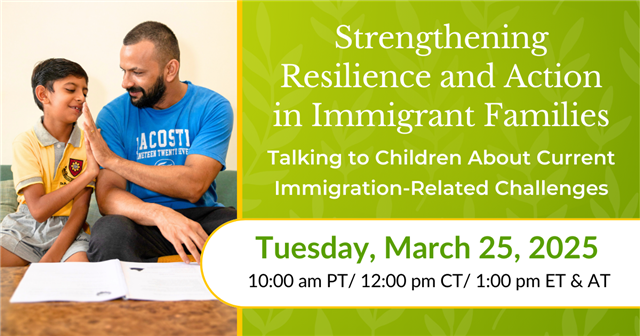 |
Tuesday, March 25 @ 12:00 PM CST
Strengthening Resilience and Action in Immigrant Families
Fortaleciendo la resilencia y acción de las familias inmigrantes
This session will discuss the complex and sensitive topic of talking with children about immigration — a challenging but essential conversation, especially for families and communities directly affected by immigration-related issues. This webinar panel brings together subject matter experts to explore ways to have these conversations in an age-appropriate and meaningful way. This webinar will be provided in Spanish with simultaneous interpretation into English. Register here.
----------------------------------------------------------
Tener una conversación con los niños sobre temas complejos y delicados como la inmigración puede ser difícil pero es esencial, especialmente en familias y comunidades afectadas directamente por retos relacionados con la inmigración. Este panel virtual reúne a expertos en la materia para explorar diferentes formas de tener estas conversaciones de una manera significativa y apropiada para la edad. Este panel será presentado en español con interpretación al inglés. Regístrese aquí. |
|
|---|
|
|
Tuesday, March 25 @ 2:00 PM CST
How Local Governments are Defending Naturalization &
Protecting Immigrants
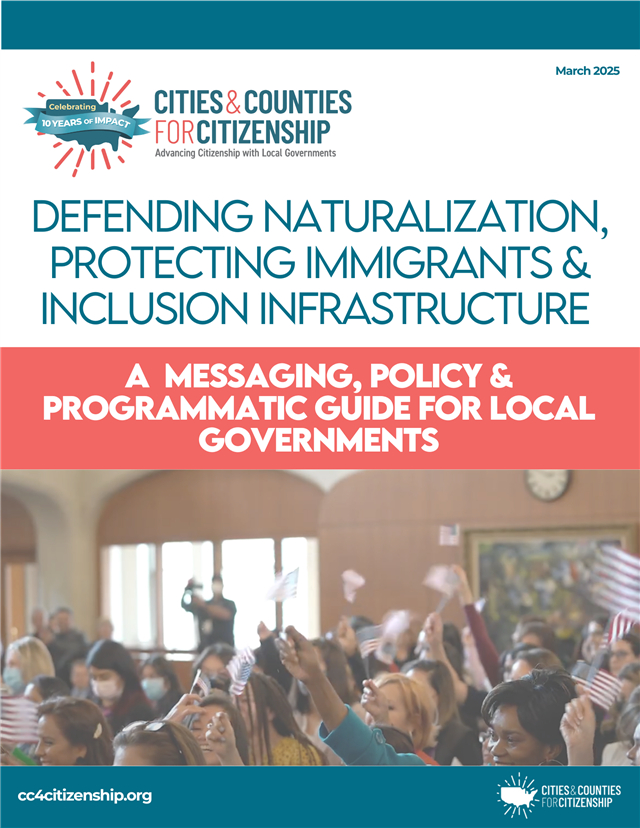
The National Partnership for New Americans' Cities & Counties for Citizenship (CC4C) initiative—a network of 117 cities and counties—is leading the charge to defend naturalization, protect immigrant communities, and safeguard local infrastructure.
Join us for a webinar on where we will hear from local government leaders share their efforts to protect immigrant communities. The webinar will also unveil a new resource that showcases narrative, programmatic and policy strategies and models that meet the moment. To ensure privacy, participants must sign in to Zoom to register. The webinar will not be recorded. Register here. |
|
|---|
|
|
 |
Wednesday, March 26 @ 1:00 PM CST
Refugee Matters: Mental Health & Healing in Times of Crisis
In this episode of
Refugee Matters, we’re responding to the heavy realities shaping our world right now: ongoing wars, displacement, rising xenophobia—and closer to home, the impacts of the Trump administration’s executive orders affecting Temporary Protected Status (TPS), refugee resettlement, asylum, and undocumented communities. For many, these policies and their ripple effects are more than just headlines; they represent a threat to safety, belonging, and stability.
We’ll dive into the complex interplay between trauma, systemic oppression, and our emotional and physical well-being. How do we stay grounded while the world around us shakes? How do we process our reality without letting anger and fear consume us? And how do we transform these into productive emotions that fuel advocacy and action? Join this conversation and get your questions answered with Diana Diaz Madera, a licensed social worker and human rights activist from Corazón Norte. Register here.
|
|
|---|
|
|
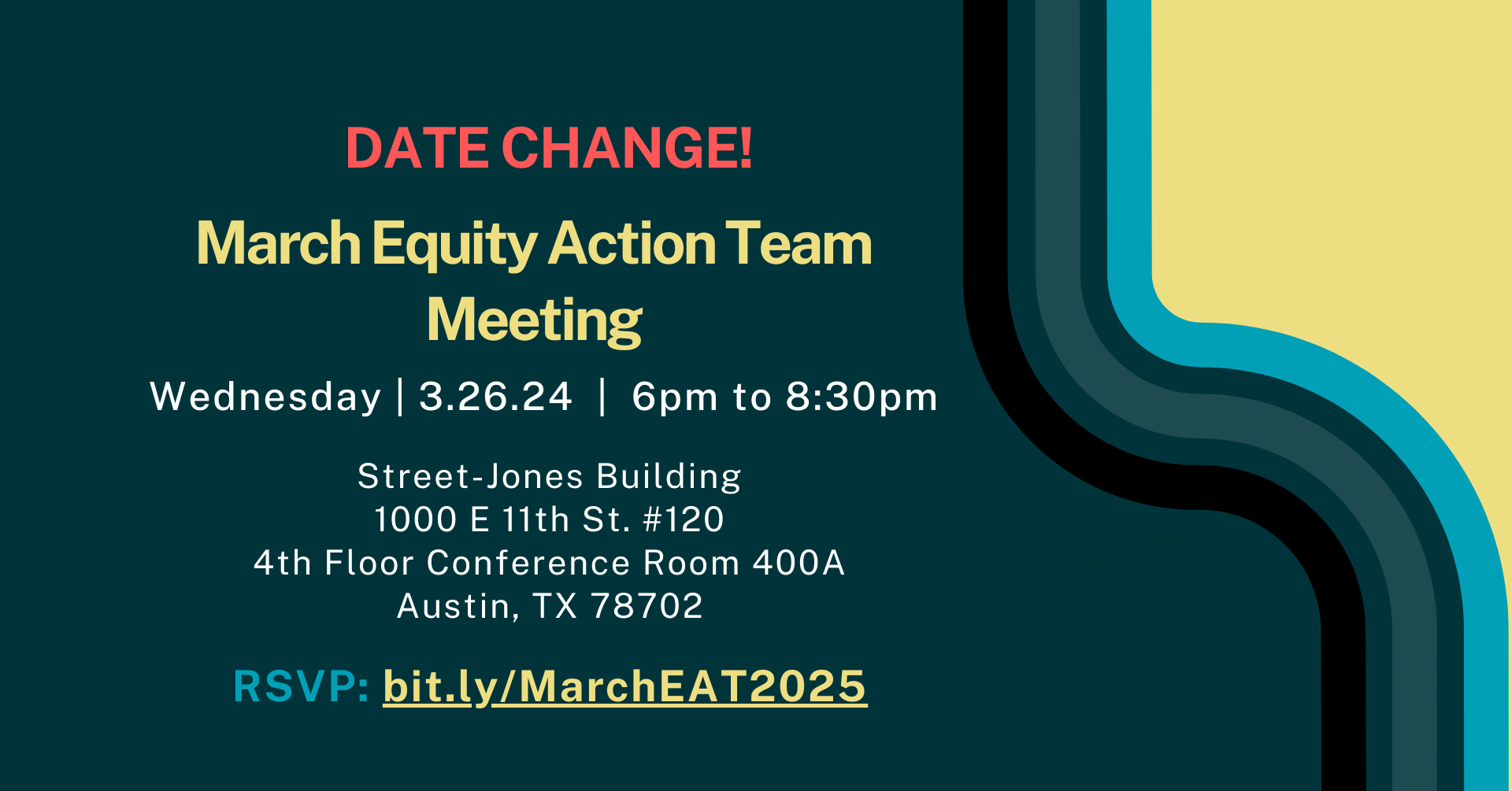
Wednesday, March 26 @ 6:00 PM CST
Equity Action Team Meeting
Street-Jones Building - 1000 E. 11th Street, 4th Floor Conference Room
Agenda is forthcoming, but will include immigration updates. As always, food will be provided and will include vegan options. Please RSVP here so that we can get an accurate head count for food. Spanish interpretation available. |
|
|---|
|
|
This Immigrant Legal Protection Resource Guide is intended to support organizations, legal service providers, and allied partners working to protect and defend immigrant communities from threats and attacks. This guide has materials and models from partners across the country, organized by different areas such as Rapid Response, Know Your Rights, and Resources for Educators & Schools.
|
|
|---|
|
|
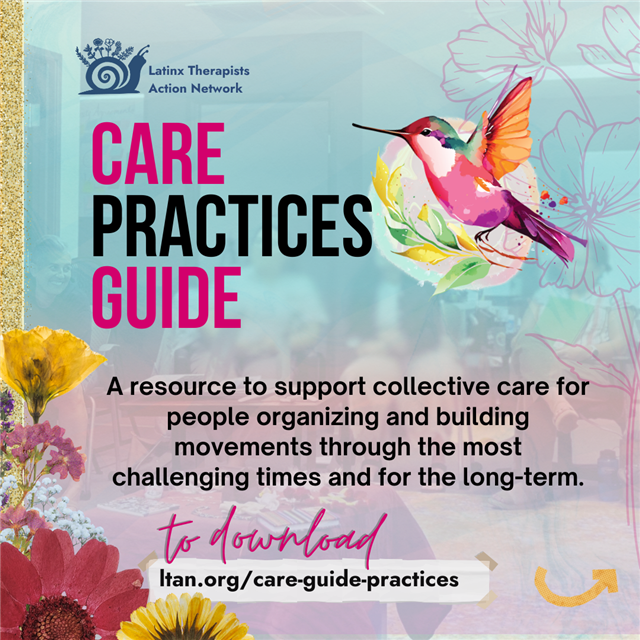
The Care Practices Guide aims to support resiliency, mental health, and collective care for people organizing and communities building power and movements together to endure through the most challenging times and long term. This guide will explore a basic understanding of the intersections of trauma, oppression, and well-being. It is meant to be a resource for mental health education; it includes practices you+ your team can engage in or individually with each other and your community.
|
|
|---|
|
|
TxILC has created summary analyses of the recent federal and state executive orders focused on immigration, examining their unique impact on Texas communities and legal practice. Each executive order is broken down with targeted sections on practical implications and key takeaways for both practitioners and community members. Given the significant implications these orders have for Texas specifically, we've focused on providing state-specific context and guidance throughout our materials. These resources are available in the TxILC resource library. |
|
|---|
|
|
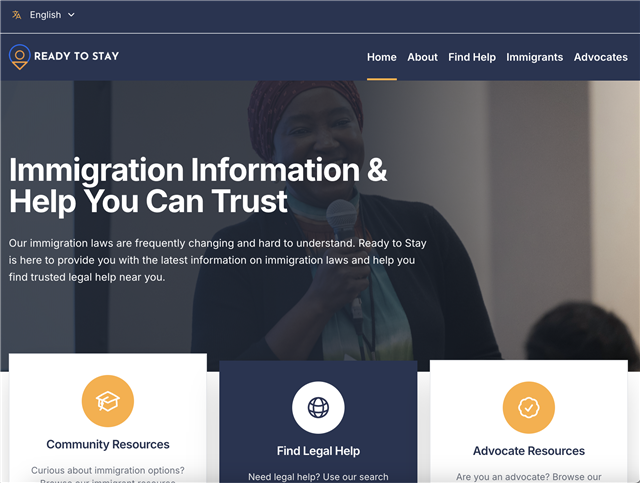
The new Ready to Stay resource hub aims to provide immigrants and advocates with the latest information on immigration laws and trusted resources. Ready to Stay, anchored by leading immigrant organizations with reach across 50 states, serves as a national resource by centralizing the creation and curation of legal resources, community education tools, and capacity building training opportunities that will increase coordination and resources across the field. |
|
|---|
|
|
|
|
 | | | |
|  |
|
|
|
|