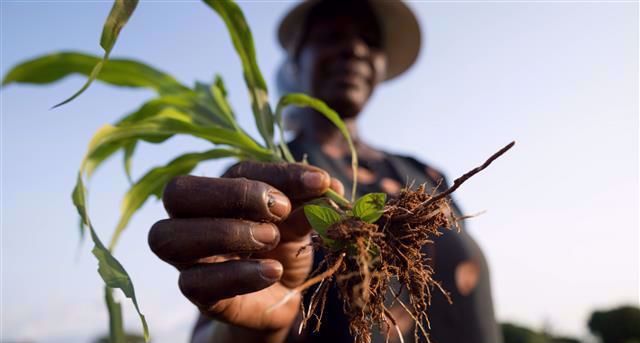
often held back by a lack of access to the latest agricultural innovations. This contributes to persistent levels of rural poverty and hunger and is worsening with the impact of climate change.
Advances in global crop science can breed more resilient and productive varieties of some of the most important food crops, and it’s our mission to get improved, locally adapted seeds to the smallholder farmers who have historically missed out.
Although our official name is Bill & Melinda Gates Agricultural Innovations, we call ourselves Gates Ag One because it reminds us that agriculture is the cornerstone of civilization and truly connects us as one.
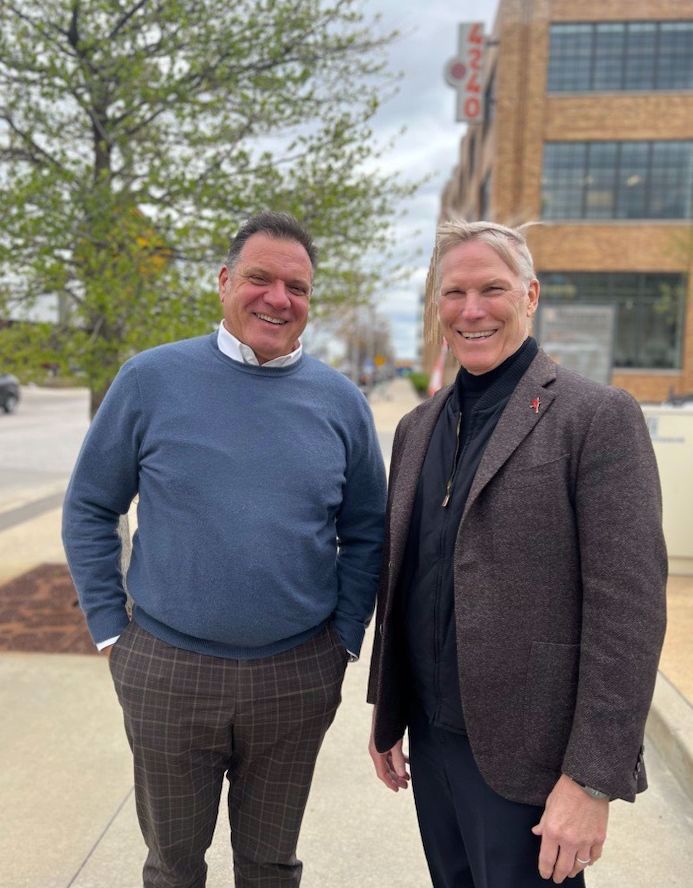
SF: It sounds like Gates Ag One will fit right in at Cortex, where we aim to elevate homegrown innovations. Can you tell us more about the work you will be doing from St. Louis?
JC: Gates Ag One is an agricultural innovation accelerator, translating the most promising scientific breakthroughs into products for smallholder farmers, such as improved seeds. Our mission is to foster a global network of partners in the spirit of collaboration and open innovation, and our leadership team in St. Louis brings a wealth of scientific, development, and commercial know-how to achieve this.
SF: Can you expand on what collaborative innovation looks like?
JC: From the initial spark of invention, it takes the skills and talents of many to get agricultural innovations into the hands of smallholder farmers. Our approach involves uniting the best minds from across the field and connecting the public and private sectors to establish a viable route to market for new agricultural technologies.
For instance, each of our first three grantee research projects involves collaboration between around a dozen of the world’s top universities and institutes, and we have also announced an innovative new alliance that unites scientific partners across three continents.
SF: With such a global mission, what made Gates Ag One choose Cortex to be its home?
JC: While we work globally and regularly engage with partners in Africa, Asia, Australia and Europe, we saw a lot of advantages to being based in St. Louis.
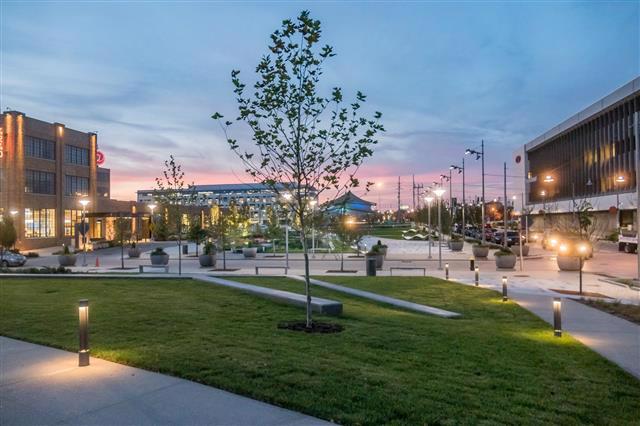
Our choice of Cortex really came down to the district’s aim to be a “catalyst for innovation,” which aligns perfectly with the start-up mentality of Gates Ag One. We really value the opportunity to join such a vibrant community of big-thinking problem solvers.