Eco-Friendly Pest Control Options
1. Birth Control for Rodents: Surprisingly Effective!
Until recently, anyone who wanted to keep mice or rats away from their home and outbuildings had two main choices - traps or poison bait.
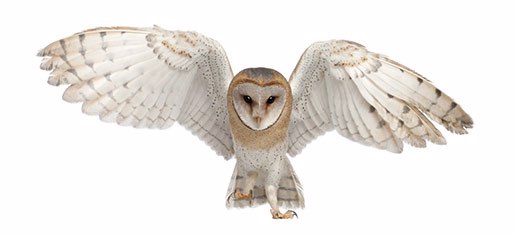
Now, there's a non-lethal approach that appears to be highly effective, budget-friendly and far safer for owls, hawks and other animals that prey on rodents.
(Poisoned rodents make for an easy meal, but it's often deadly for the predator.)
ContraPest, a liquid bait made by SinesTech, is the first EPA-registered contraceptive approved for male and female rats in the U.S. The same company makes Evolve Soft Bait, which uses cottonseed oil to reduce the fertility of both mice and rats.
Both products are considered safe for other wildlife, cats and dogs. While it may take a few months to see full results, the verdict from many homeowners has been highly positive.
The math behind the method:
Because rats start breeding early and have frequent litters, one pair can produce thousands of offspring in just a year. This means that if traps or poison fail to eliminate even one happy couple, it's a recipe for a rodent problem.
Targeting reproduction tackles the problem at its source. And, since the bait doesn't kill the rodents or make them ill, they tend to not develop an aversion to it.
2. Mosquitoes and the "Bucket of Doom."
Yes, "Bucket of Doom" sounds like something out of Lord of the Rings, but many people swear by this inexpensive, DIY way to reduce local mosquito populations.
The Bucket of Doom method works by enticing female mosquitoes to lay their eggs in water containing a bacterium (Bti) that kills the developing larvae.
According to entomologist Doug Tallamy, targeting larvae is a better strategy than fogging adults with pesticide because 90% of adults need to be eliminated in order to achieve a successful result, whereas fogging typically eliminates only around 10%. (Fogging is also harmful to many non-target species, including pollinators.)
The Bucket of Doom steps are:
1. Put water in a container and then add some plant matter that will decompose, such as straw or grass.
2. Cover the bucket with a large-mesh screen to keep out non-target insects and wildlife, or prop a stick in the bucket to allow them to self-rescue.
3. Add a Mosquito Dunk or any similar product containing the Bti bacterium, which specifically targets the larvae of mosquitoes, black flies and fungus gnats. (It is deemed to be non-toxic to pollinators and other wildlife.)
Tips for success:
- Mosquitoes appear to prefer containers with strong contrast and/or colors, such as orange, black and cyan.
3. Food Elimination and Castor Oil for Moles
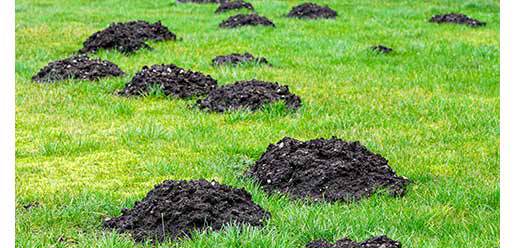
At this time there's no single solution that everyone agrees on when it comes to avoiding mole lawn carnage, but many homeowners looking for ways to avoid poison have had success with the following:
1. Eliminating the food source.
Milky spore bacteria and beneficial nematodes are two natural solutions that target the grubs moles like to feed on. Milky spore bacteria primarily target Japanese Beetle grubs, so a combination of the two may be most effective. (Both are easy to buy online.)
2. Repelling with castor oil.
Spreading castor oil granules on lawns has been shown to repel moles, who apparently don't like the smell.
Tips for success:
- Choose castor oil products that are not overly refined, which reduces the odor.
- Some people have had success with ultrasonic repellents, but it's worth noting that these may also affect dogs or other animals.
4. (Special) Copper Strips Repel Slugs.
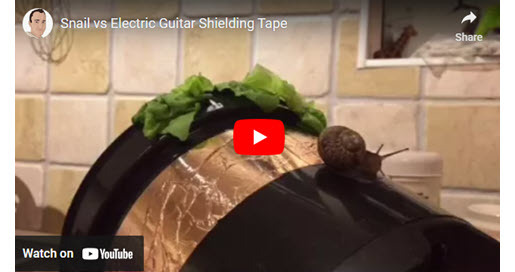
You may have heard that placing strips of copper around garden beds and potted plants will repel slugs and snails, but apparently not all copper strips are equal.
A gardener in the U.K. tested different brands of copper strips and found that the best material is the copper foil tape used to shield electric guitars, such as this one on Amazon.
Tips for success:
- He says to use strips at least 4 cm (1.6 inches) wide, and that the guitar-specific material has the correct proportion of copper alloy.
5. A No-Fuss Fruit Fly Trap that Works
If you've ever left a plate of fruit on the counter for a few days too long, you might know what it's like to unintentionally start a fruit fly colony.
Here's a simple DIY solution that can clear up a fruit fly problem without using any products that would be toxic to humans or pets.
1. Fill a glass half full with water, then mix in a few tablespoons of apple cider vinegar or wine and a drop or two of liquid dish detergent.
2. Cover the top of the glass with plastic wrap, then puncture the plastic wrap with a number of small holes large enough for a fruit fly to get through.
Fruit flies will be lured into the glass and become trapped there.
Note: Any brands or products mentioned are for information purposes only. Please use your best judgment; feedback is welcomed if you try any of these methods.
|