Hiring a Contractor? Don't Miss These 8 Essential Checks
1) How Does the Contractor Handle Feedback?
Even the best of providers can receive a negative review at some point. Checking consumer ratings on Google Reviews, Yelp, or Angi can give you an idea of how a problem originated, while any response from the contractor provides deeper insight into how they handle difficult situations.
Tip: Yelp's algorithm often filters legitimate reviews. To view the ones that are hidden, scroll to the bottom of the Yelp page and click the grey link that says "other reviews that are not currently recommended".
2) Do They Carry Adequate Coverage?
Most states provide an online database that allows you to find out if a contractor is licensed, bonded, and/or insured.
Licensing: Confirms that the contractor meets state or local requirements.
Bonding: Ensures financial protection in case the contractor doesn’t complete the work as agreed.
Insurance: Liability insurance covers your home if it's damaged during the course of the project, while Workers' Compensation protects you from being held liable if a worker is injured.
Tip: Being licensed and bonded does not necessarily mean a contractor is insured.
3) What Are the Local Licensing Requirements?
It's easy to assume that licensed General Contractors have undergone specific training, but in some areas no testing or work experience is required.
(Specialized trades such as plumbing and electrical work usually have more rigorous certification requirements.)
4) Are You Comparing the Same Type of Bid?
Getting at least two or three bids can help you make an informed decision. Request itemized estimates and clarify whether the bid is:
Fixed-price: A set cost for the entire project.
Time-and-materials: Costs that vary based on labor and materials used.
Cost-plus: A flexible pricing model that may have an upper limit.
5) Does the Payment Schedule Protect You?
Experts recommend paying no more than one-third of the project cost up front and withholding the final payment until work is 100% complete.
Tip: Be sure to request a receipt that says "Paid in full".
6) Is the Scope of Work Clearly Defined?
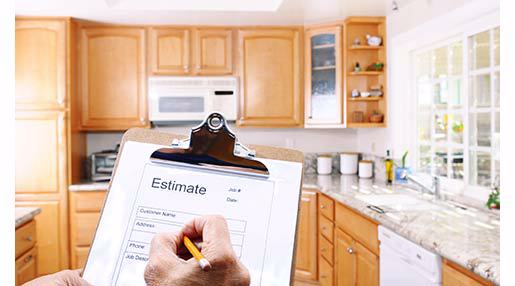
The final contract should be clear about dates, scope of work, materials, payment installments, and who is responsible for permits. (Usually it's the contractor.)
Tip: Try to anticipate potential unknowns.
For example: If the bid is for a roof replacement that includes tearing off one layer of old shingles, ask the contractor if they're 100% sure there's only one layer. Also, how would cost be affected if the tear-off revealed water damage underneath?
7) Will You Receive Lien Waivers?
Getting a lien waiver from the contractor when you make a payment protects you from being sued via a mechanic's lien if the contractor fails to pay subcontractors or suppliers.
8) What Are the Standards for On-Site Behavior?
It might seem reasonable to assume that people working at your home would not be smoking, using bad language, or playing music that makes the neighbors consider putting up a "For Sale" sign, but it's never a bad idea to err on the side of caution. :)
Small details can significantly impact your comfort, especially for longer projects.
Other Key Questions to Ask Before Hiring:
- "How will change orders be handled?"
- "Will you be hiring subcontractors, and if so, who pays them?"
- "Have you conducted background checks on your employees?"
- "Will you clean up the site at the end of each day?"
- "Do you charge a markup on materials?"
- "What kind of warranty do you provide, and is it in writing?"
Please reply to this email or reach out by call or text any time you'd like help finding a reliable service provider.
|