October Home Maintenance and Garden Tips
 1. Clean out gutters and downspouts.
This is also a good opportunity to make sure that water from downspouts is channeled away from the home via a drainage system or splash blocks. (Downspouts should never deposit water directly next to the foundation.)
2. Replace smoke and CO alarm batteries.
Do you know when your smoke and carbon monoxide alarm batteries were last replaced? Changing them during a yearly event such as Daylight Saving Time can make it easier to remember.
Tip: Daylight Saving Time will be on Sunday, November 2 this year.
3. Take a peek into the attic.
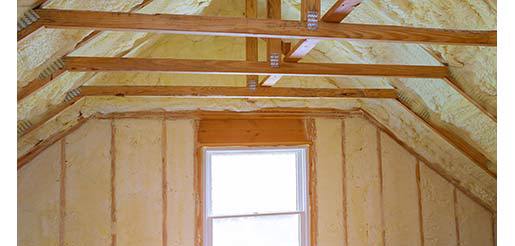
The attic isn't a place most people visit frequently, but it's worth checking it at least once a year to prevent unpleasant surprises such as mold or pests.
Look for:
- Detached ductwork sending moist air into the attic space instead of outside.
- Signs of rodents, such as stained insulation.
- Access points for pests, such as torn vent screens.
Tip: Attics need good ventilation, which is why keeping vent openings unblocked by insulation is very important. Home inspectors often say they like to feel a slight breeze up there.
4. Check the fireplace.
Are you planning to cozy up to a fire this winter? Now might be a good time to clean the fireplace and chimney if this hasn't been done for a while. (Gas fireplaces are much lower maintenance than wood fireplaces, but they still collect dust and need to be serviced occasionally.)
5. Service the heating system.
Beat the winter rush! Many heating systems need to be serviced annually, and in a month or two heating contractors are far more likely to be swamped with calls.
Tip: Forced air furnaces should typically be cleaned once a year, and filters may need to be changed or cleaned every month or so during cold weather.
6. Prepare powered lawn appliances for winter.
Either drain the gasoline before storing powered tools such as lawn mowers and leaf blowers to prevent fuel degradation from damaging the carburetors, or consider using a fuel stabilizer such as STA-BIL. (Always check to make sure it's the right choice for your appliance.)
7. Hold off on fall pruning.
Pruning in the fall stimulates new growth just when plants are about to go dormant, according to many experts. This article explains why it's usually best to wait until mid-winter or early spring to prune plants, shrubs, and trees.
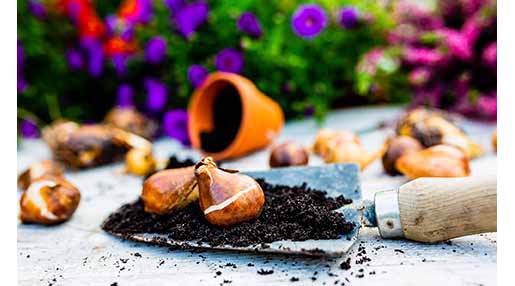
8. Plant spring-blooming bulbs.
Fall is the time to plant bulb flowers such as daffodils, tulips, lilies, and hyacinths.
9. Get houseplants ready for winter.
Dry winter air can be hard on houseplants, and it's also a time when they typically require less water. The Gardenista website has a good article on how to keep houseplants happy until springtime.
10. Do something that's "for the birds."
Many birds are currently migrating thousands of miles from the U.S. to their wintering grounds in Central and South America. Oil-rich food such as Black Oil Sunflower Seeds and suet can provide them with energy for a successful journey
11. Help pollinators by preserving fall leaves.
Did you know that many butterflies, moths, and other important pollinators lay their eggs on leaves? Caterpillars, other larval stages, and even some bees depend on overwintering safely in leaf litter.
An increasing number of homeowners are dedicating a portion of their yard as a "wild area" where fallen leaves are left until late spring instead of being chopped up or bagged.
|