News Updates from the VI Region
December 5, 2022
Greetings respected Vancouver Island First Nations Leadership;
Welcome to our VI Regional e-newsletter. This newsletter will highlight updates for the Vancouver Island region from the FNHA, Island Health, Government of BC, Government of Canada, alongside many other partners.
|
|
|---|
|
|
In today's edition you will find:
|
|
|---|
|
|
|
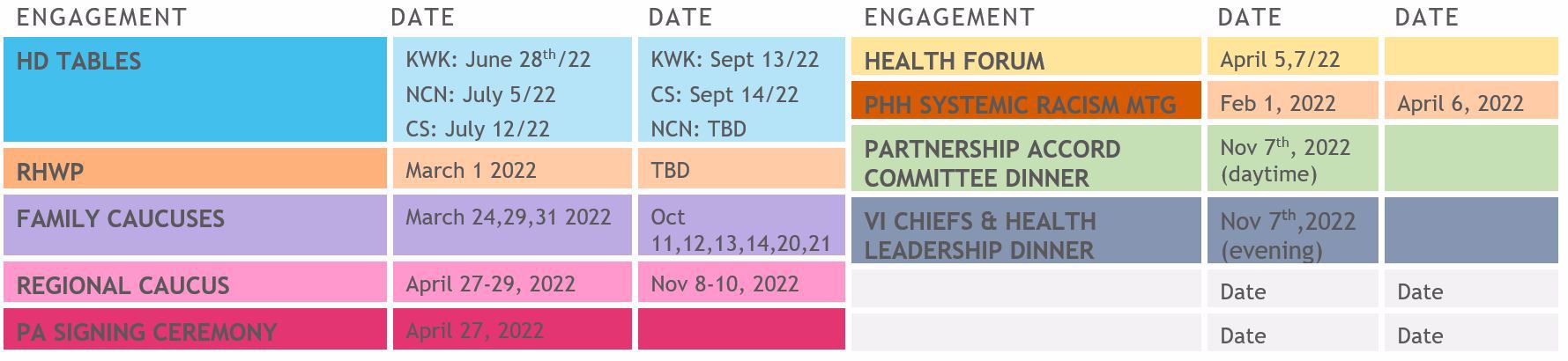
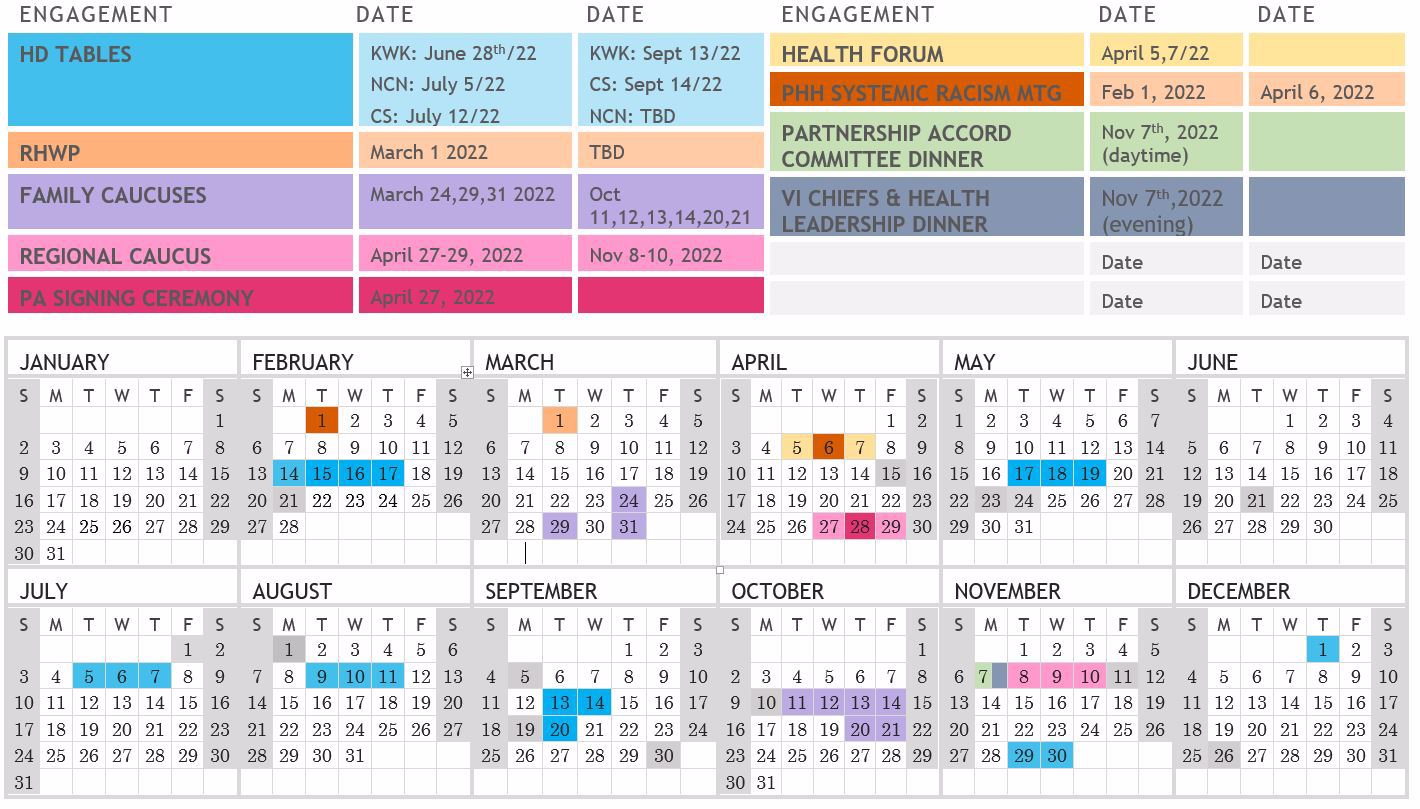
VI REGIONAL ENGAGEMENT CALENDAR
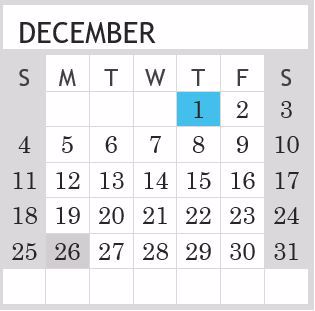
DECEMBER 2022
|
|
|---|
|
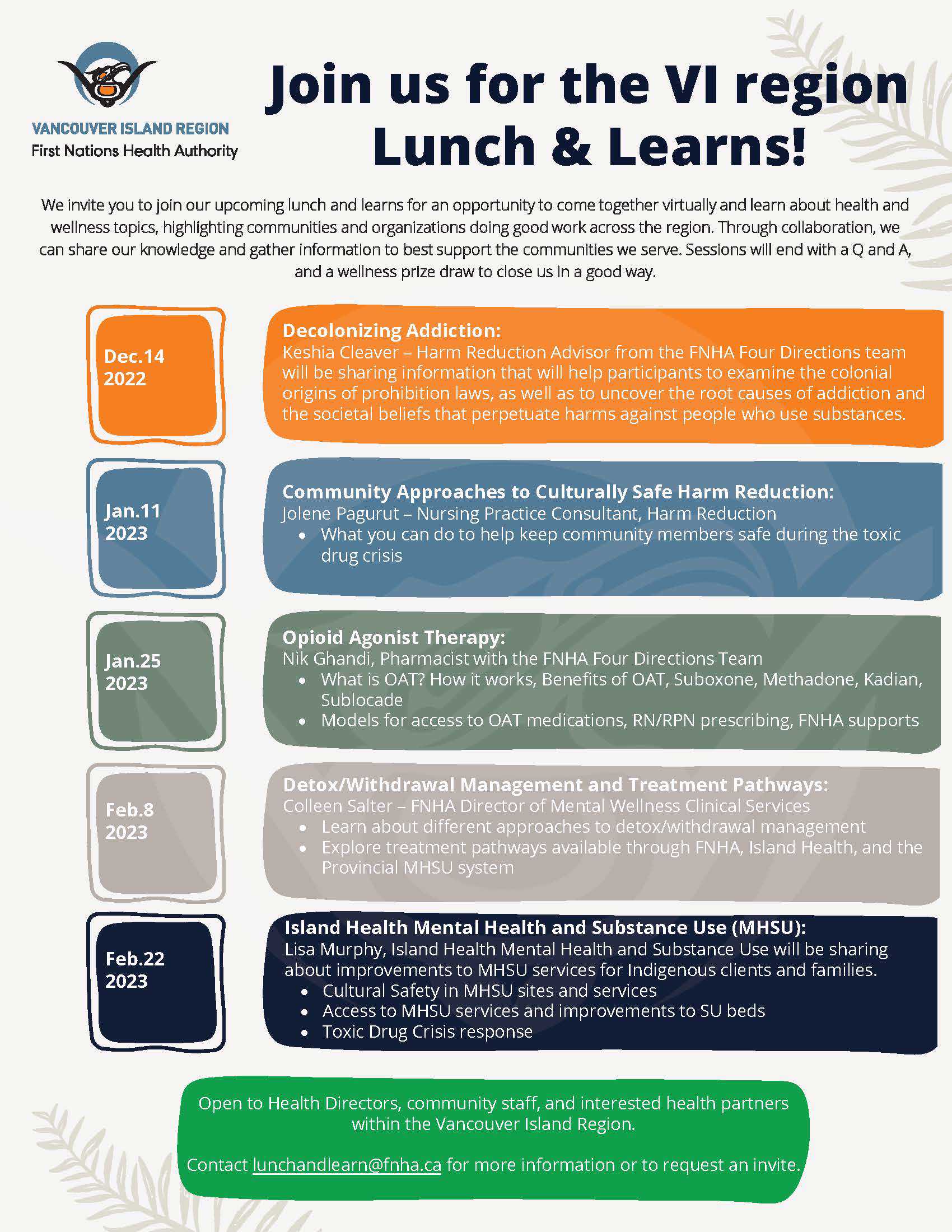
Join us for the VI Region Lunch & Learns!
|
|
|---|
|
The Mental Health and Wellness regional team invites you to join our upcoming lunch and learns that will take place bi-weekly on Wednesdays from 12-1pm. Starting on December 14th, we are offering opportunities to come together virtually to learn about health and wellness topics of interest, and highlighting communities and organizations doing good work across the region. Through connection and collaboration, we can share our knowledge and gather information to best support the communities we serve.
December 14th from 12-1pm: Decolonizing Addiction
Keshia Cleaver – Harm Reduction Advisor from the FNHA Four Directions team will be sharing information that will help participants to examine the colonial origins of prohibition laws, as well as to uncover the root causes of addiction and the societal beliefs that perpetuate harms against people who use substances.
These sessions are open to health directors, community staff, and interested health partners within the Vancouver Island region. We hope you will join these conversations to learn and share with other members of our Vancouver Island community.
See poster for upcoming topics and dates.
|
|
|---|
|
Pediatric Analgesic (Acetaminophen and Ibuprofen) Shortage
|
|
|---|
|
As reported in the national media, there is an ongoing shortage of commercial non-prescription acetaminophen and ibuprofen products. Both are effective medications for pain and fever relief that can be used in infants and youth.
The shortage is due to an unprecedented demand related to spikes in various respiratory illnesses. Although production and distribution have increased, it may take several months to return to normal supply levels. As part of several actions to address the situation, Health Canada has announced that imported supplies will be available in pharmacies to help build up the supply.
First Nations Health Benefits and Services has enabled temporary coverage of compounded liquid acetaminophen and ibuprofen products for families with young children in need of these medications.
Read full-story here on our website.
|
|
|---|
|
|
FIRST NATIONS HEALTH AUTHORITY CONTACTS
|
|
|
|---|
|
FNHA COVID-19 Inquiries
If you have general FNHA COVID-19 questions, please email COVID19@fnha.ca
For any requests relating to COVID-19 please email: COVID19needs@fnha.ca |
|
|
Vice President, Vancouver Island
Director, Regional Community Health and Wellness
Director, Regional Engagement
Manager, Regional Operations
Manager, Community Engagement
Community Engagement Coordinators
|
|
|---|
|
|
|
|
Nursing Manager
Community Practice Consultants:
Nurse Navigators:
|
|
|---|
|
|
|
|
Community Relations Representative, Health Benefits
Registered Dental Therapists
- Kim Trottier, Kim.Trottier@fnha.ca (Communities: Stz’uminus, Penelakut, Dzawada’enuxw)
- Janeen Campbell, Janeen.Campbell@fnha.ca (Communities: Cowichan Tribes)
- Melanie Braker, Melanie.Braker@fnha.ca (Communities: Ka;’yu:’k’t’h’/Che;k’tles7et’h’, Mowachaht/Muchalaht, Yuułuʔiłʔatḥ, Ahousaht, Ditidaht, Huu-ay-aht, Hupacasath)
|
|
|---|
|
|
|
|
Regional Manager, Health Emergency Management
|
|
|---|
|
Mental Health, Wellness & Traditional Wellness Support
|
|
|
Regional Manager, Mental Health and Wellness
|
|
|---|
|
|
|
|
Regional Manager, Maternal Child and Family Health,
|
|
|---|
|
|
|
|
Regional Manager, Primary Care
|
|
|---|
|
|
|
|
Primary Care Project Manager
Traditional Wellnes Specialist
|
|
|---|
|
|
|
|
South Island Director, Indigenous Health
Central & North Island Director, Indigenous Health
Medical Director, Indigenous Health
Medical Health Officers
Indigenous Health Managers
|
|
|---|
|
Please join us on February 28 - March 2, 2023, for Gathering Wisdom for a Shared Journey Xll, hosted at the Vancouver Convention Centre on the unceded and traditional territories of the Musqueam, Squamish and Tsleil-Waututh First Nations.
The Gathering Wisdom forum in 2023 will feature discussions on health and wellness including mental health specifically as we gather in-person for the first time since before the pandemic. This First Nations Health Council (FNHC) -hosted gathering is an opportunity for Chiefs, leaders and Health Directors to hear updates and engage in discussions with the First Nations Health Council (FNHC), First Nations Health Authority (FNHA) and the First Nations Health Directors Association (FNHDA) and other health system and government partners.
For more information and registration details click here.
|
|
|---|
|
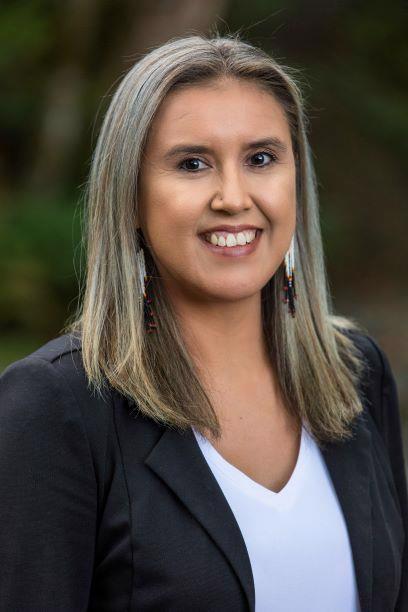
Janice Johnson, "ƛiniiḥak Wemptis" was raised in the community of Tseshaht First Nation, where she gained the traditional values of respect, love, bravery, wisdom, humility, honesty and truth. She is the proud mother of 3 beautiful children who appreciates the importance of early and lifelong learning and the benefits of family and parenting support.
Janice has been a part of the VI regional family for 9+ years and continues to uphold her values and apply them to the work we do for our communities. In a previous bio for Janice, she shared a quote by D. Chopra about leadership. The quote aligns again years later, as she accepts the management role for the region.
"Leading from the soul means taking responsibility for more than the group's needs and concern for everyone's personal growth. This responsibility begins with your evolution. In eight areas of your life, you have the power to be guided by your soul: thoughts, emotions, perception, personal relationships, social role, environmental speech, and the body. In all of these areas, your behaviour affects the people you lead. If you evolve, so will they."
|
|
|---|
|
The First Nations Health Authority (FNHA) is marking the second anniversary of the In Plain Sight Report on Wednesday, Nov. 30, 2022 by publicly announcing the completion of work on a first-of-its-kind Cultural Safety and Humility Standard (CSHS) for First Nations in British Columbia (BC).
Driven by a First Nations-led technical committee, supported by the FNHA, with input from Métis Nation BC and in partnership with Health Standards Organization (HSO), this new standard is a significant milestone event along the path toward ending systemic racism in BC's healthcare system.
Work on the CSHS began in October 2018, two years prior to release of In Plain Sight, the review of Indigenous-specific racism in the provincial health care system commissioned by the BC Health Minister. One of the recommendations in that report was that BC should adopt an accreditation standard for achieving Cultural Safety and Humility (CSH).
The existence of Indigenous-specific racism in BC's healthcare system is long-standing and pervasive and its ongoing presence continues to have harmful impacts on the overall health and wellbeing of BC First Nations people today. For this reason, it was important that First Nations health professionals, with input from community Chiefs, health leaders, and First Nations people across the province, led the development of the new standard.
Read full story here on our website.
|
|
|---|
|
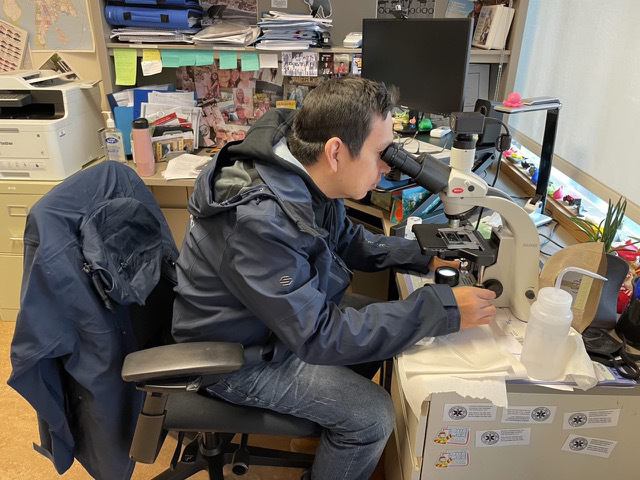
On a government dock on Cortes Island, Klahoose fisheries manager and We All Take Care of the Harvest (WATCH) Community Lead Byron Harry slowly raises a cone-shaped phytoplankton net, or “tow sock" to the surface. Phytoplankton specialist Jay Pudota (Samudra Environmental Consulting) is at his side, advising him to swish the net back and forth in the water before he lifts it out. The motion helps guide any stray organisms on the net's surface into the bucket at the narrow “cod end" of the net. Once he removes the bucket from the net, Harry pours the water into a labeled plastic sample bottle. He uses a second device - an alpha bottle - to collect “discrete" water samples at depths of one, five, 10 and sometimes 15 meters. While the plankton tow net concentrates the plankton to see what kinds are present, the discrete water samples more precisely show how many plankton cells are in the water. The community can use this information to track the status of a harmful algal bloom (HAB). To help understand how blooms form and dissipate in local waters, the team then measures and records temperature, salinity, dissolved oxygen, and pH-the measure of how acidic or basic the water is. The pair repeat this process at several other sites.
A goal on this May 30th training day is to get more familiar with the sampling protocols and equipment used by WATCH community-based monitoring programs. Net, alpha bottle, environmental variables, repeat. It gets easier each time. But this duo is also on a mission: to look for three types of harmful algae, microscopic single-celled plants that can produce dangerous toxins.
Read full-story here on our website.
|
|
|---|
|
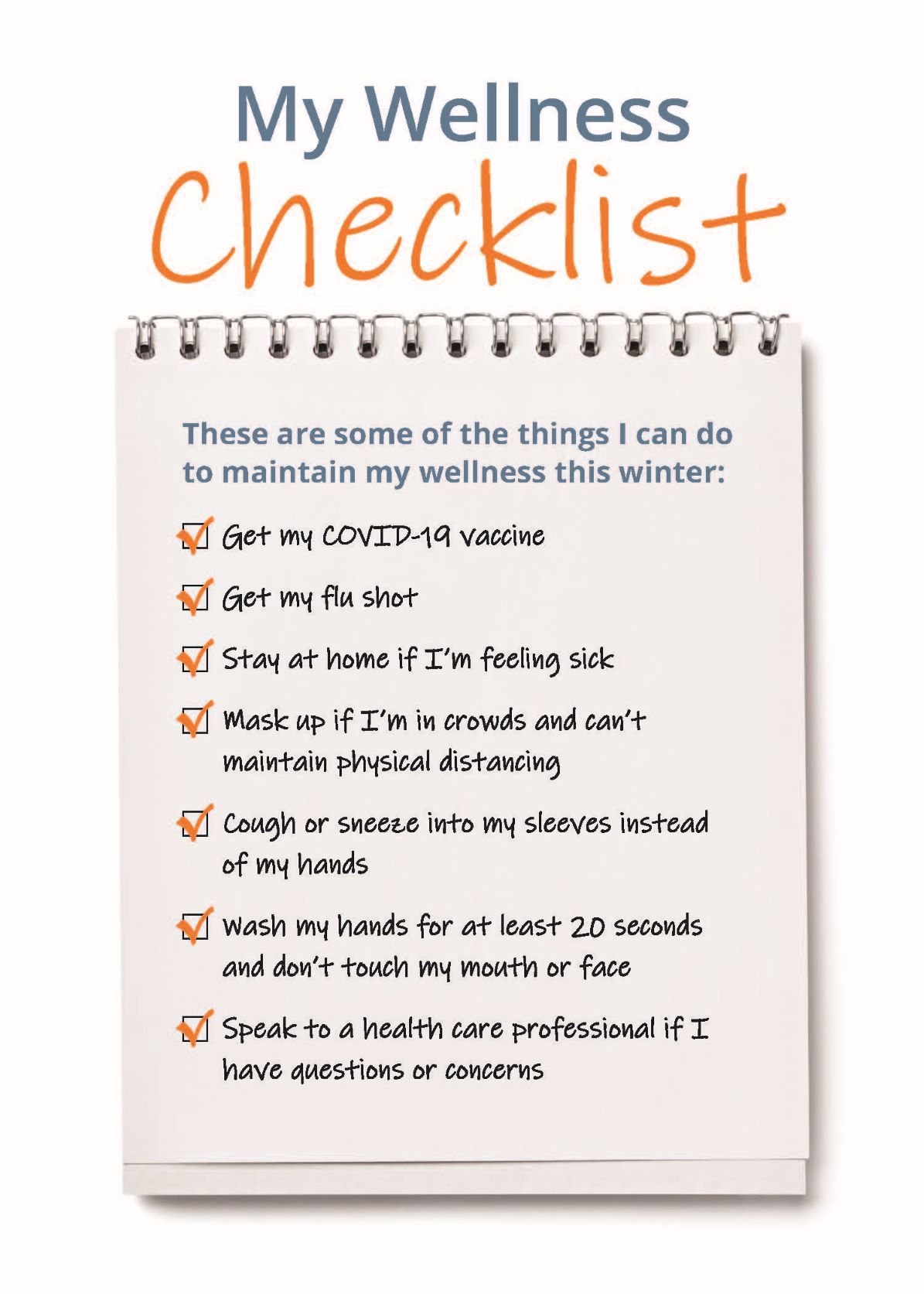
It's respiratory virus season in BC and that means more people are getting sick with things like the common cold, influenza (the flu) and COVID-19.
Although there's no cure for the common cold, staying home and getting rest is important for getting well and preventing spread to others. Washing your hands frequently can also lessen your chances of catching one. The same techniques can be used for other viruses, but fortunately we do have vaccines that can help reduce your chances of getting sick with the flu or COVID-19.
Getting your flu shot annually during flu season (typically October to early May) can prevent serious illness associated with influenza. By the same token, ensuring your immunity is topped up with a COVID-19 booster dose will provide similar benefits.
Read the full-story here on our website.
|
|
|---|
|
The First Nations Health Authority (FNHA) is now accepting applications for its Indigenous – First Nations, Métis and Inuit Student Program.
The Program is an innovative approach that provides students, or new graduates, with invaluable work experience towards a career in the health care field or within a supporting function. During the four month program, participants will work within the FNHA and learn different aspects of First Nations health care programs and services.
Students may apply to work in various areas of FNHA which may include: Community Health and Wellness; Public Health Response; Health Benefits; Health Service Delivery and Operations in the Regions; Corporate Functions: Human Resources; Finance; Information technology.
“This unique program aligns with Directive Five: Developing Human and Economic Capacity by providing opportunities for professional, personal and cultural learning for future First Nations health professionals and support staff with the end goal of providing full-time permanent employment to the participants" said Richard Jock, Chief Executive Officer.
Beyond the professional development, the program includes strong cultural components. This includes in-person student orientations with an Elder, on-going check-ins and career support provided by FNHA's career advisors and an end of term cultural ceremony.
Read the full-story here on our website.
|
|
|---|
|
Connection is the Best Medicine for Loneliness
A message from Dr. Shannon McDonald, Deputy Chief Medical Officer
‘Tis the season to be jolly, but we know that sometimes this is easier sung than done, and that as a result of past and ongoing factors, too many of our people feel disconnected and lonely. And we know that when some of us are not feeling well, the overall strength and wellness of the community is impacted.
So, how do we connect and engage? Here are some suggestions for minimizing feelings of loneliness and isolation and maximizing good feelings of balance and contentment.
MANAGE YOUR EXPECTATIONS.
With all the media coverage depicting happy, healthy families and friends basking in the warmth of their togetherness, those of us whose families don’t fit this description—probably the majority, despite what we see on holiday TV commercials—can feel loneliness more intensely. So it’s very important to be aware of any unrealistic expectations we may have about what this season is supposed to look like and how we are supposed to feel.
ACKNOWLEDGE YOUR FEELINGS.
Anticipate these feelings and make specific plans to counteract them—maybe by getting out to a Christmas market (if you live in a city), skating rink or other public place to participate in some other fun group activity. It’s also important to acknowledge when it might be right to seek support. If you don’t feel able to share them with family members or friends, talk with a counsellor.
CONNECT WITH OTHERS.
Reconnect with friends you’ve been meaning to reach out to. Head out to your niece’s or nephew’s hockey game! Think of an Elder in your community and visit him or her! Invite friends or family over who might also be alone for the holidays—host a pot luck dinner or a games night. Technology can also increase connections to others, and dating sites are very popular across all age groups—just remember to manage your expectations and to be safe and meet in a public place!
GET PLENTY OF REST.
Getting enough sleep is a major improver and balancer of moods. Even though travelling, jet lag, parties, and excited children during this season can make it difficult to get to bed at a reasonable time, making that effort will really be worth it. Save the (potentially isolating) Netflix marathon for after the holidays.
EXERCISE, ESPECIALLY OUTDOORS AND WITH OTHERS.
Studies show that one of the quickest ways to boost your mood is to exercise, and that sunlight (especially in the morning) stimulates the brain chemicals that make you feel happy. So, get together with someone to walk in your favourite areas, get on those outdoor chores, pack wood for your neighbours … just do something positive and healthy!
BE MINDFUL OF YOUR EATING.
With the holiday season comes plenty of opportunities to snack on holiday treats. Since what you eat can affect your mood, take good care of yourself by choosing nutritious and delicious foods, and be prepared against holiday treat binging by eating a proper meal before going to events and parties. Avoid the feelings of guilt and bloat; your mind and body will both thank you and you’ll be more in the mood to reach out to or go out with others. Choose comforting non-eating activities such as going to a museum / art gallery / movie, getting a massage or a manicure, taking a bubble bath—do
whatever feels safe and brings you comfort.
DO YOUR BEST TO LIMIT YOUR ALCOHOL INTAKE.
Remember that alcohol is a depressant that can magnify your feelings of sadness, immediately and in the days that follow. Of course, this is not conducive to being merry and bright!
REACH OUT AND HELP SOMEONE ELSE.
Helping others is a wonderful way to connect and can also provide greater perspective and inner peace. There are 25 Aboriginal Friendship Centres across BC with over 400 programs and volunteer opportunities. Through these organizations, you can participate in social gatherings, potlucks, community festivals, and community projects, including picking up litter, shovelling snow or volunteering at Christmas parties.
CONSIDER AND LEARN FROM PAST HOLIDAY SEASONS.
Remember (don’t dwell on) what has made you feel lonely or unhappy in other seasons, but only to strategize ways to prevent these situations from happening again. For instance, if spending time around happy couples when you’re a single person is part of the problem, make plans with other singles instead.
PRACTICE MINDFUL REFLECTION.
When feelings of loneliness and sadness start playing on the soundtrack in your mind, pause and reflect. Notice your patterns of thought and be mindful. Take a moment to make note of the things you have to be grateful for and actively reflect on positive memories.
I hope that these tips will help you to have a happier, healthier holiday season.
Yours in Wellness, Dr. Shannon McDonald
|
|
|---|
|
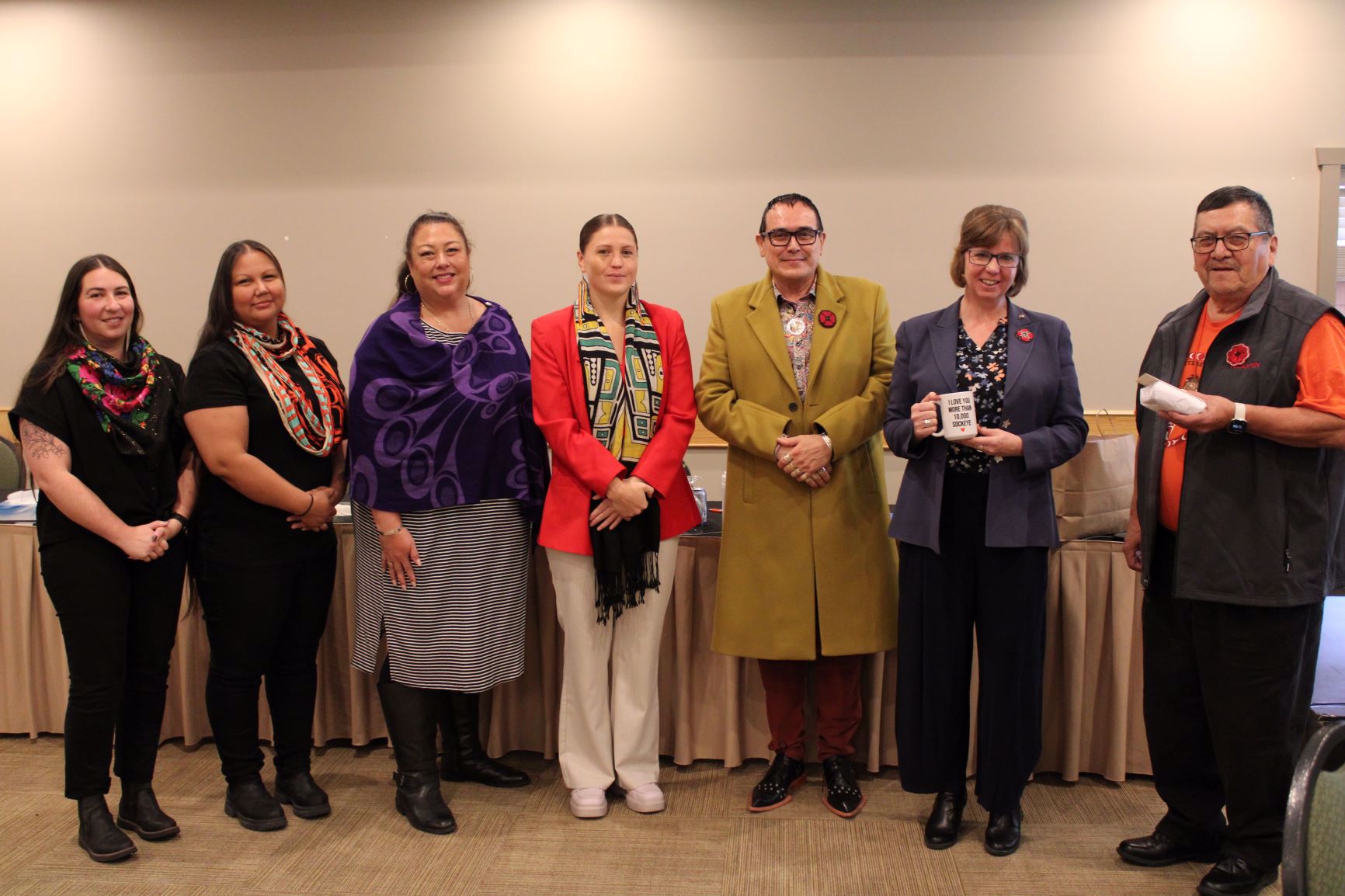
(Order of left to right)
Celeta Cook, Regional Director, Community Health & Wellness; Eunice Joe, Regional Director, Engagement; Brennan MacDonald, Vice President, Regional Operations; Mariah Charleson, FNHC Representitive for Nuu-Chah-Nulth family; Chief John Powell, FNHA Representitive for Kwak'waka'wakw family; Honourable Sheila Malcolmson, Minister of Mental Health and Addictions; Paul Sam (TELAXTEN), FNHA Representitive for Coast Salish family |
|
|---|
|
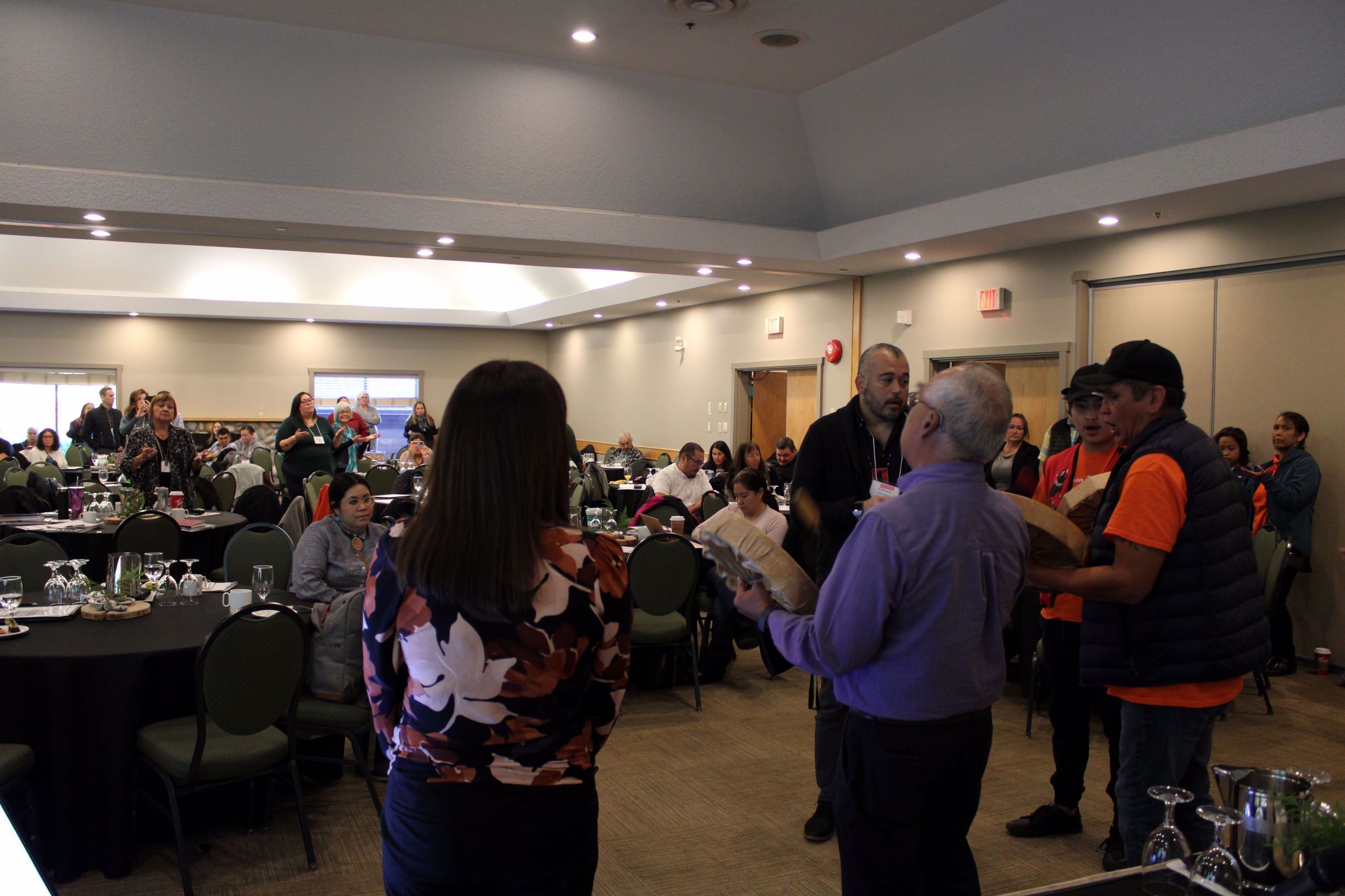
On November 8th, 2022, representatives from the fifty Vancouver Island Nations came together at the Tigh-Na-Mara Resort on Snaw-Na-Was Territory (Parksville, BC) for three days of meaningful discussion and updates around a number of health-related topics at the Vancouver Island Regional Caucus.
|
|
|---|
|
Cliff Atleo, Wickaninnish (Ahousaht), led a prayer to open us up in a good way and shared how working together in partnership will move this work forward, upholding the importance of communication. He thanked the Snaw-Na-Was people and sang a prayer song to the Creator to bring leaders the "wisdom to do the work that needs to be done for our people" and to "ask that we always keep the communication open with communities and listen to each other." Those words echoed throughout the three days as the importance of communication became a key message.
|
|
|---|
|
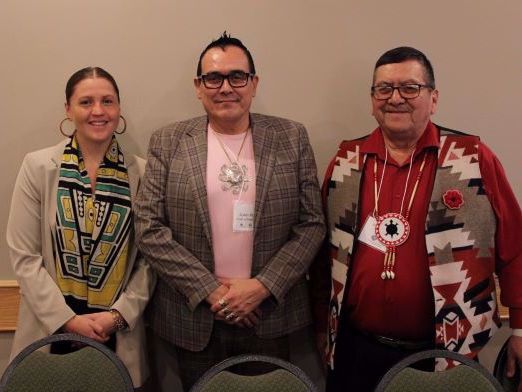
Mariah Charleson, FNHC Representitive for Nuu-Chah-Nulth family, Central Island (Left); Chief John Powell, FNHA Representitive for Kwak'waka'wakw family, North Island (Center); Paul Sam (TELAXTEN), FNHA Representitive for Coast Salish family, South Island (Right) |
|
|---|
|
While the three days of Caucus were very busy with important news and updates, we acknowledged Chief John Powell as the new representative for the North Island, Kwak'waka'wakw family. Chief John Powell brought a fresh perspective and voice to the room and supported productive conversations across the three days. We look forward to this next chapter of growth as he continues to lift our spirits and ground our work in the shared vision of healthy, self-determining and vibrant BC First Nations.
|
|
|---|
|
Colonization has led to many adverse impacts on the Indigenous population of Canada - most significantly on familial and societal structures. Due to colonial regimes, Indigenous children are vastly overrepresented in the child welfare system. In 2018, the Minister of Indigenous Affairs deemed the issue “a humanitarian crisis.”
Travelling across the country, Indigenous people tell their heartbreaking stories to reveal the atrocities inflicted by the Canadian child welfare system. The film shines a light on what is happening right now. It details the horrors of the past and reveals how Indigenous communities are taking back jurisdictional control of their children in order to ensure that their unique and diverse cultures are preserved for generations to come.
Awakening a revived respect for the matriarchal system, we learn about the need to preserve traditional practices, land-based activities and grass roots initiatives in order to keep having a positive impact on children and families - not only reducing the number of apprehensions, but also renewing Indigenous pride.
For more information and to watch the trailer, click here.
|
|
|---|
|
JIBC's Emergency Management Division, in partnership with Emergency Management British Columbia, offers free webinars with the support of the emergency management community.
The Emergency Management Community2Community webinars provide information on current practices in both emergency management and emergency support services. Speakers cover a variety of topics in these fields including innovations, personal experiences, organizational experiences, wise practices, resulting lessons learned, and more.
The Provincial Earthquake Immediate Response Strategy (PEIRS) was released in October 2022, and replaces the previous Earthquake Immediate Response Plan (IRP). This session will provide an overview of the PEIRS, including the review and revision process and key updates to the strategy, which applies to provincial ministries and agencies, federal departments, and other public and private partners.
For more information and to register for the webinar, click here.
|
|
|---|
|
|
|  |
|
|
|
|