News Updates from the VI Region
December 8th, 2023
Greetings respected Vancouver Island First Nations Leadership;
Welcome to our VI Regional e-newsletter. This newsletter will highlight updates for the Vancouver Island region from the FNHA, Island Health, Government of BC, Government of Canada, alongside many other partners.
|
|
|---|
|
|
In today's edition you will find:
|
|
|---|
|
|
|
This two-day trainer offers folks a framework for addressing the epidemic of suicidality in Kwakwa̱ka̱’wakw communities through an Indigenous social justice lens. We see suicidality as a normal human response to carrying the burdens of attempted and ongoing colonial genocide. We aim to equip participants with the tools, knowledge and confidence to bring this work to life in their communities. Folks will learn how to create safe containers for this work. The workshop will provide a tool kit to support the community in resisting the spirit of suicide and self-harm through utilizing the land, Kwakwa̱ka̱’wakw Culture, our breath and bodies as tools for wellness and self-regulation.
This training is open to folks with Kwakwa̱ka̱’wakw Ancestry who are working with youth and have support to bring this framework to life in their current role / organization. We are also training a Kwakwa̱ka̱’wakw suicide Prevention team that can go into community when the need has been identified. That team will consist of a Trauma Informed Yoga Teacher, Facilitator, Kwakwala Language Teacher and Elder.
FNHA Contact: Marilyn.Morash@fnha.ca
|
|
|---|
|
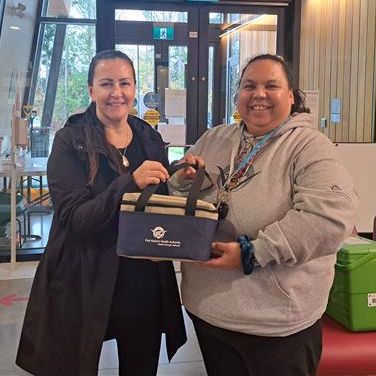
FNHA has recognized Danielle Froude as one of the top water monitors in the Vancouver Island Region and the Environmental Health team has provided her with a gift!
Danielle Froude for all her hard work in monitoring the water for Snuneymuxw First Nation! She goes above and beyond on a weekly basis with due care and attention, congratulations Danielle.
FNHA Contact: Melissa.Joe@fnha.ca
|
|
|---|
|
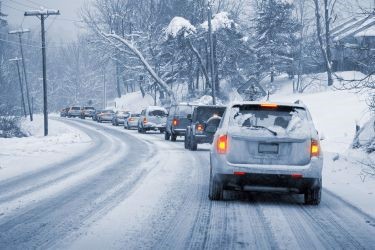
As we approach the winter season, it's important to stay ready for challenging weather conditions, not just for your own safety but for everyone around you.
Driving safely:
- Plan your route - Plan your route and check the weather and road conditions on the DriveBC website.
- Ensure parking safety - Ensure that you are aware of hazards of where your vehicle is parked and take measures to protect yourself. The ground might be slippery and icy so wear appropriate footwear. The parking lot may be isolated so ensure you are aware of your surroundings and follow working alone procedures.
- Maintain vehicle servicing - Maintain regular servicing and inspection of your vehicle (including brakes, tires, fluid levels etc.).
- Clear your field of vision - Remove ice, snow and frost from your windshield and windows and brush off excess snow from other key surfaces such as your roof, mirrors and tail lights. Streaky and dull wiper blades should be replaced in the spring and fall and will improve vision through your windshield.
- Fuel up - Ensure you have sufficient gas in case you encounter delays or need to take a detour route. Fill up your gas tank ahead of the trip and keep it full. When the tank gets half-empty, fill it up.
- Check electric vehicle range - If you drive an electric vehicle, ensure that it has enough range for unplanned events as the cold affects the range of the vehicle.
- Warm up your car - Warm up the vehicle's engine and clear the windows of snow, ice and condensation, your air-conditioning can assist with clearing condensation from the windows. Ensure you also clear your roof and hood of snow as well.
- Give yourself extra time and distance - Go slow to ensure you can stop on slippery roads, even with winter tires your vehicles stopping distance increases by 3-5 times in severe weather conditions.
- Match your speed to the road and weather conditions - Avoid passing another vehicle when weather and road conditions are bad.
- Prepare for longer trips - Pack non-perishable food, bottled water, blankets, a flashlight, fully charged cellphone, cellphone charger, first-aid kit, a small shovel, jumper cables, extra jacket, boots, gloves, and your prescription drugs.
Tire safety matters:
All-weather and winter tires stop up to three times faster than summer/all-season tires and are a good idea to have during the winter season. The most important distinction to consider between all-weather vs. winter is how mild the winters are in your region and how often you drive in these conditions.
All-weather tires are great because they can be used in all types of weather, but they do not provide the same type of winter condition performance that winter tires offer in harsh conditions that often exist in rural and remote locations. If you live in a region that is constantly hammered with blizzards, ice, sleet and snow, you're likely going to need a winter tire dedicated to performance and safety in these conditions.
Additional information and resources can be found on DriveBC such as weather and road conditions, including live camera views, assistance planning your route and road delays and closures.
FNHA Contact: Joely.Fulcher@fnha.ca
|
|
|---|
|
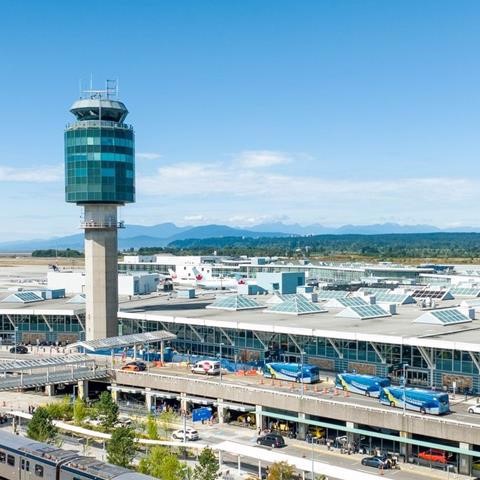
Travellers are alerted that they may have been exposed to measles if they travelled through the Vancouver International Airport on November 23. More information about the flights, terminals, and gates where the ill passenger travelled through are at the link below. Measles is a highly infectious disease transmitted by airborne spread.
Learn more here.
FNHA Contact: Joely.Fulcher@fnha.ca
|
|
|---|
|
|
FIRST NATIONS HEALTH AUTHORITY CONTACTS
|
|
|
|---|
|
FNHA COVID-19 Inquiries
If you have general FNHA COVID-19 questions, please email COVID19@fnha.ca
For any requests relating to COVID-19 please email: COVID19needs@fnha.ca |
|
|
Vice President, Vancouver Island
Regional Executive Director, Engagement
Sr. Director, Regional Community Health and Wellness
Manager, Regional Operations
Manager, Community Engagement
Community Engagement Coordinators
- Coast Salish:
- Nuu-chah-nulth:
- Kwakwaka'wakw:
Urban and Away from Home Coordinator
|
|
|---|
|
|
|
|
Nursing Manager
Community Practice Consultants:
Nurse Navigators:
|
|
|---|
|
|
|
|
Community Relations Representative, Health Benefits
Registered Dental Therapists
- Kim Trottier, Kim.Trottier@fnha.ca (Communities: Stz’uminus, Penelakut, Dzawada’enuxw)
- Janeen Campbell, Janeen.Campbell@fnha.ca (Communities: Cowichan Tribes)
- Melanie Braker, Melanie.Braker@fnha.ca (Communities: Ka;’yu:’k’t’h’/Che;k’tles7et’h’, Mowachaht/Muchalaht, Yuułuʔiłʔatḥ, Ahousaht, Ditidaht, Huu-ay-aht, Hupacasath)
|
|
|---|
|
|
|
|
Regional Manager, Health Emergency Management
|
|
|---|
|
Mental Health, Wellness & Traditional Wellness Support
|
|
|
Regional Manager, Mental Health and Wellness
Team Lead, Mental Health and Wellness
Quality and Safety Analyst
Senior Advisor Cultural Safety and Humility
Clinical Counsellor
Social Worker
|
|
|---|
|
|
|
|
Regional Manager, Maternal Child and Family Health,
|
|
|---|
|
|
|
|
Regional Manager, Primary Care
|
|
|---|
|
|
|
|
Primary Care Project Manager
Traditional Wellness Specialist
|
|
|---|
|
|
|
|
A/South Island Director, Indigenous Health
Central & North Island Director, Indigenous Health
Cultural Safety & Humility Director, Indigenous Health
Medical Director, Indigenous Health
Partnerships, Strategy & Engagement Director, Indigenous Health
Medical Health Officers, Indigenous Health
Indigenous Health Managers
- South Island, Meghan Corder, Meghan.Corder@islandhealth.ca
- Centre Island, Jennifer Jones, Jennifer.Jones6@islandhealth.ca
- Comox Valley/Stratchona, Michelle McClain, Irene.McClain@islandhealth.ca
- Mount Waddington, Dean Wilson, Dean.Wilson@islandhealth.ca
- Indigenous Health South Island Community Services, Alena Peters, Alena.Peters@islandhealth.ca
- Partnerships & Community Engagement, Trevor Day, Trevor.Day@islandhealth.ca
|
|
|---|
|
Road Safety Grants Available
|
|
|---|
|
Driving a vehicle is one of the most common things we do every day, but it can also be one of the most dangerous. The British Columbia Vision Zero in Road Safety Grant program is providing up to $20,000 to Indigenous communities and community groups for projects that make roads safer for travel.
Learn more here.
FNHA Contact: Joely.Fulcher@fnha.ca
|
|
|---|
|
Health Infrastructure Investments
|
|
|---|
|
The FNHA is investing in 68 projects across the province to improve access to culturally safe care closer to home. These projects include: mental health and wellness facilities, health facilities, First Nations-led Primary Care centres, health emergency infrastructure, and staff accommodations, including the new Metro Vancouver Office.
Read more here.
FNHA Contact: Joely.Fulcher@fnha.ca
|
|
|---|
|
The Vancouver Island Region is Inviting you to join the Winter Wellness Bingo Draw
|
|
|---|
|
December is now upon us, where the days are shorter and the nights are longer; you can feel the crisp cold air hit your face, feel it go through your lungs, and see that cloud of white breath leaving your body.
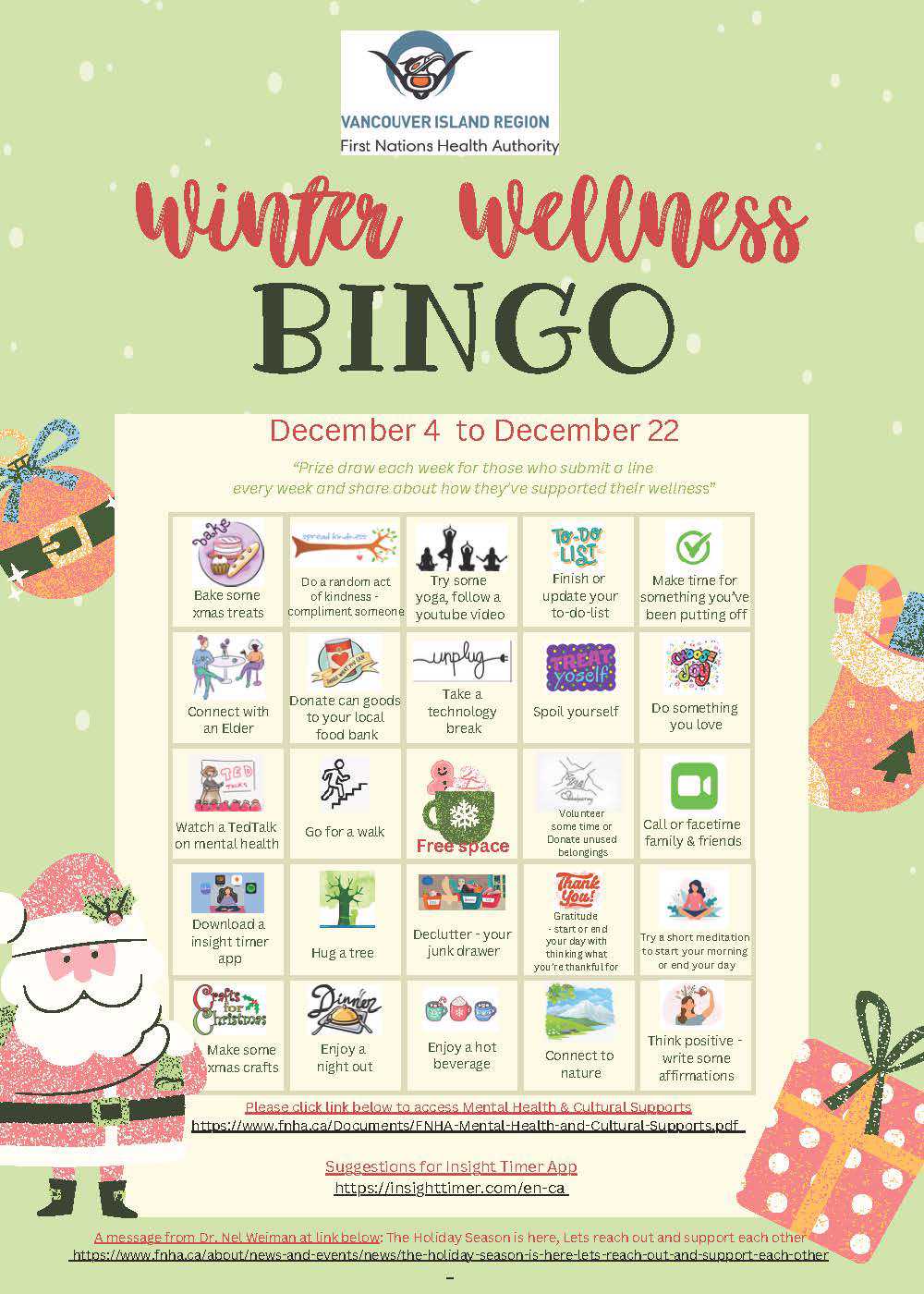
We’re excited to offer a Winter Wellness Bingo sheet full of activities of fun, stuff to promote being active, whether that be mind, body and spirit, or even getting to that chore list we can sometimes dread that needs to get done (I promise it will be worth checking at least one thing off that list!).
Below are two links for you to review if you would like to enter the Bingo Draw.
Link here to review Winter Wellness Bingo fact Link here to Winter Wellness Bingo Card
The Bingo starts December 4 and runs until December 22, 2023.
Please forward completed Bingo lines at the end of each week to be entered in a weekly prize draw (We have GREAT prizes!). Please take a photo of the completed lines and send it to Tara Jacobs at tara.jacobs@fnha.ca.
Weekly draws will be every Friday, but the first draw will be done
on Monday, December 11, 2023.
1st draw – December 11, 2023
2nd draw – December 15, 2023
3rd draw – December 22, 2023
Mental Health & Cultural Supports resource
Insight Timer App
FNHA Contact: Tara.Jacobs@fnha.ca
|
|
|---|
|
First Nations Well Being Fund
|
|
|---|
|
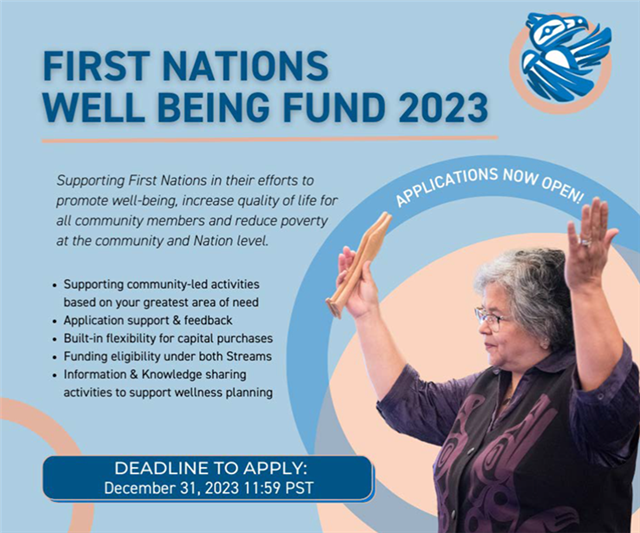
The First Nations Well Being Fund supports First Nations in their efforts to promote well being, increase quality of life for all community members (both on and off-reserve) and reduce poverty at the community and/or Nation level.
The First Nations Well Being Fund offers funding to First Nations and Tribal Councils to support projects related to community well being and poverty reduction. Areas of particular focus for funding will include, but are not limited to, food security, social and cultural supports, employment, education and training, families, children and youth, mental health, and transportation.
For more information about the application process, please click here.
FNHA Contact: Alexis.Stuart@fnha.ca
|
|
|---|
|
A confidential and voluntary self-identification process for patients and residents who identify as First Nations, Métis, or Inuit.
Island Health is committed to improving access to care, and providing culturally safe services to all Indigenous Peoples living on Vancouver Island and other regions we serve.
One way we are working to improve services is by asking every person who registers at Island Health if they wish to self-identify as First Nations, Métis or Inuit. If you have Indigenous ancestry, you may self-identify. This is based on how you define your identity. You do not need to provide proof.
For more details, click here.
FNHA Contact: Joely.Fulcher@fnha.ca
|
|
|---|
|
It’s time to give your health a boost! Island Health is encouraging everyone aged six months and older to get their updated COVID-19 and flu immunizations. Like last year, you can get one vaccine or both at the same time. Watch your email or check your texts, depending on how you registered, for an invite from the Get Vaccinated system to book your appointment. Indigenous People are included in the groups most at risk of severe illness and complications should they get the flu, including seniors 65 and older, pregnant people, those with chronic health conditions (e.g., cancer, HIV, hepatitis C, diabetes), and health-care workers.
You can also help protect yourself and those around you from illnesses by:
• Clean your hands often using soap and warm water. Scrub for at least 20 seconds or use alcohol-based hand rub
• Cover your mouth when sneezing or coughing. Sneeze or cough into your elbow instead of your hands
|
|
|---|
|
|
|  |
|
|
|
|