News Updates from the VI Region
December 22nd, 2023
Greetings respected Vancouver Island First Nations Leadership;
Welcome to our VI Regional e-newsletter. This newsletter will highlight updates for the Vancouver Island region from the FNHA, Island Health, Government of BC, Government of Canada, alongside many other partners.
|
|
|---|
|
|
In today's edition you will find:
|
|
|---|
|
|
|
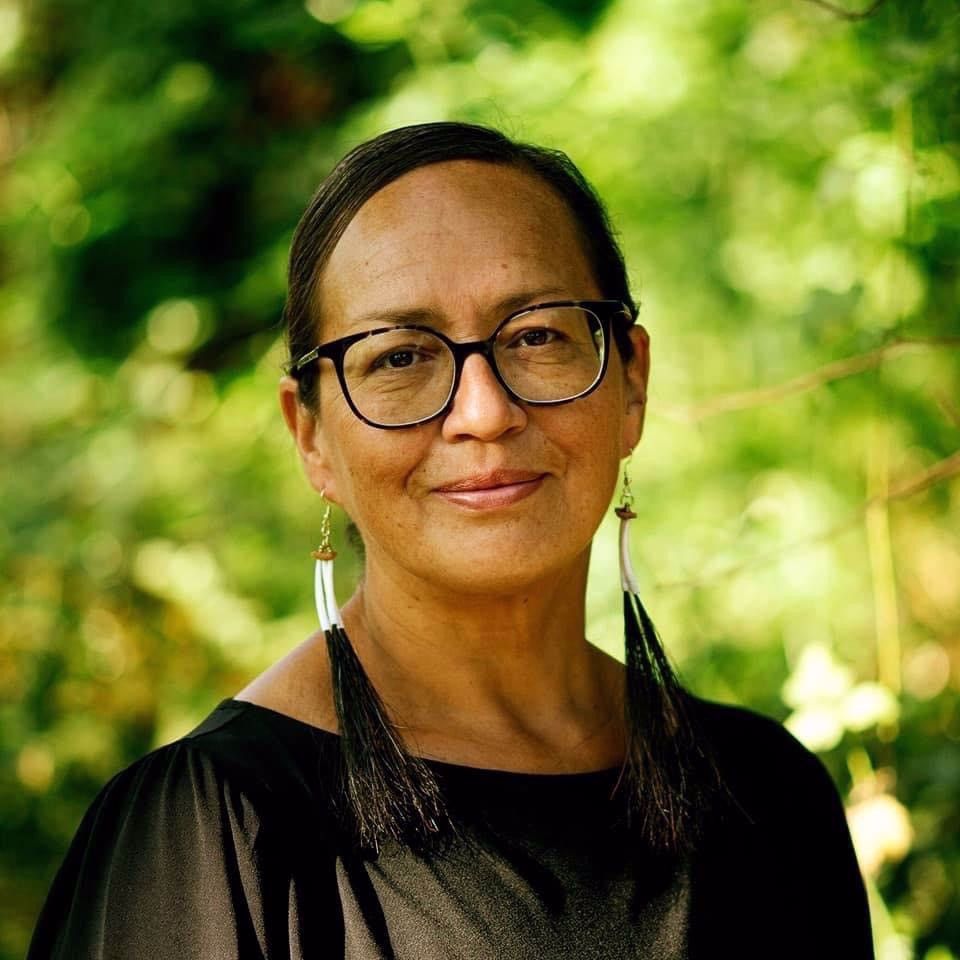
A message from Dr. Nel Wieman, FNHA Acting Chief Medical Officer
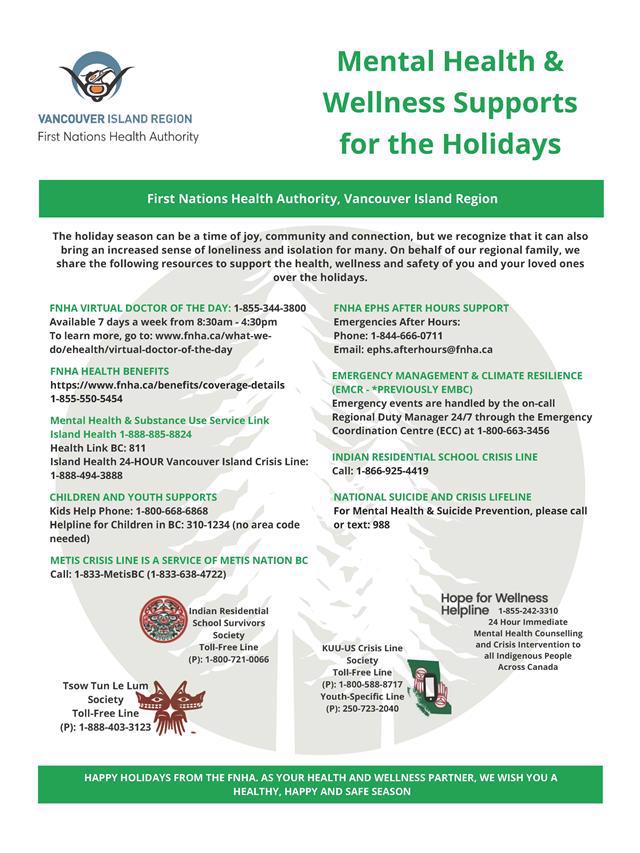
For those who celebrate Christmas, the month of December is traditionally a happy time of celebration, connection and giving. For some, however, the holiday season is actually a time when feelings of loneliness or disconnection are made stronger – fuelled by the perception that everyone but them is having a “Merry Christmas" with their loved ones.
If you are among those who are looking forward to connecting and sharing with your family and friends, that is wonderful! Merry Christmas to you! Also, please consider reaching out and including people who might not have holiday plans.
If you are among those who are feeling alone and disconnected, or are grieving, please be encouraged by the fact that there is much you can do to support your mental health and change how you're feeling and coping. As a psychiatrist, I have seen good results in patients who have tried some of the following ways to lift their spirits. (If these do not prove helpful, please see the links at the end of this message.)
Read full-story here.
FNHA Contact: Joely.Fulcher@fnha.ca
|
|
|---|
|
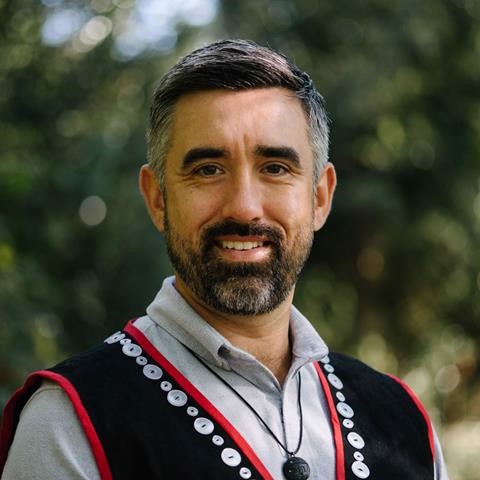
It's the holiday season and the FNHA's Dr. Kelsey Louie is sharing a message on how to celebrate and have fun while also staying safe. We at the FNHA want everyone to have a joyous holiday season that's safe for all. That means planning ahead and having fun responsibly.
Read full-story here.
FNHA Contact: Joely.Fulcher@fnha.ca
|
|
|---|
|
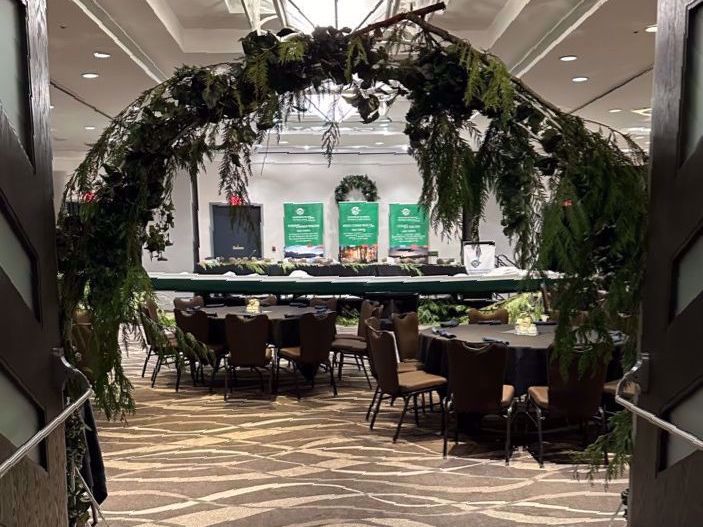
The Vancouver Island (VI) Regional Fall Caucus started with the Partnership Accord Steering Committee Update Dinner Meeting on November 27th, at 5:00 pm at the Coast Bastion Hotel in Snuneymuxw.
|
|
|---|
|
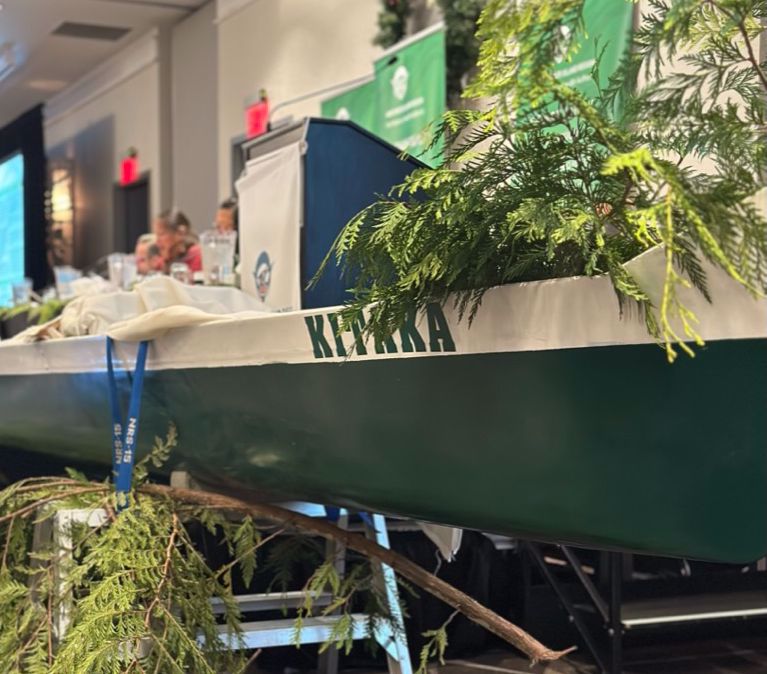
As part of the staging for this caucus, a six-man canoe was brought in by respected Chief Wyse to represent how we paddle together toward better health outcomes for First Nations living on Vancouver Island.
|
|
|---|
|
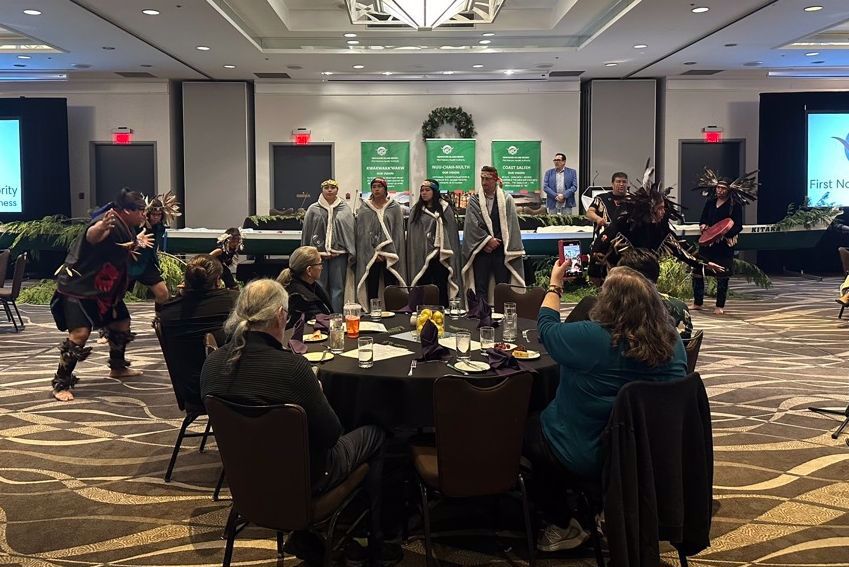
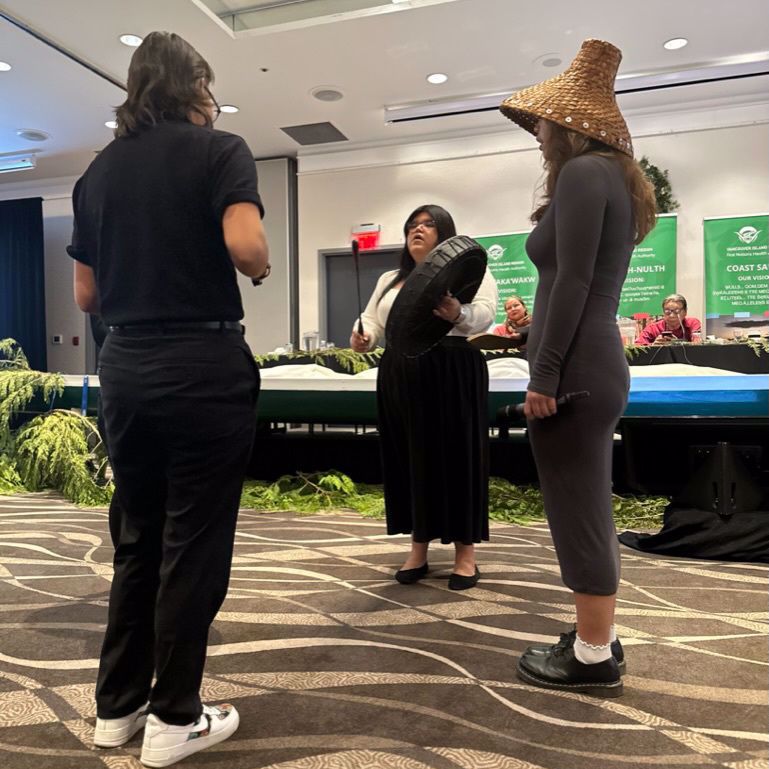
After enjoying a warm meal together, the Vancouver Island Partnership Accord Steering Committee honored regional Health Champions through a blanketing ceremony that included cultural sharing from the Tzinquwa Dance Group
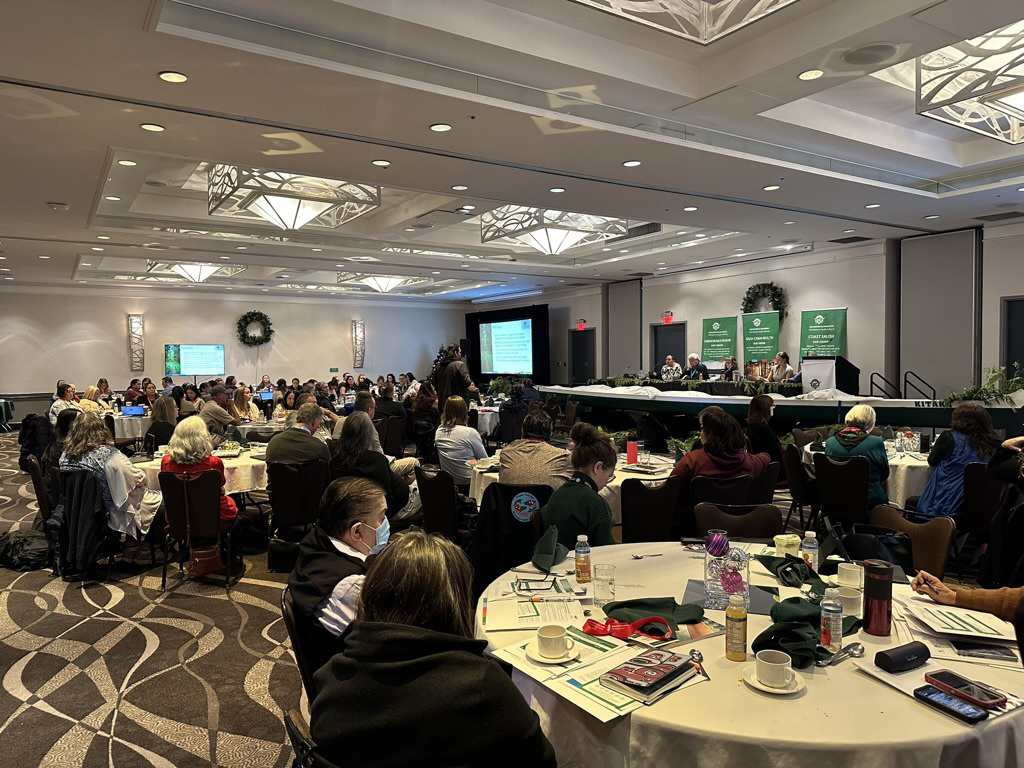
The floor was open for discussion as leadership provided guidance in developing and implementing agreements and arrangements between Regional Tables and Regional Health Authorities, as well as providing guidance and leadership in developing regional perspectives and approaches to health and wellness.
|
|
|---|
|
Levi Martin, an Elder representative from Snuneymuxw, opened the regional caucus with a prayer to welcome us to the land and start the day in a good way.
Main discussion topics included informing leaders on the FNHC's new Engagement Plan, providing an update on implementing the Ten-Year Strategy on the Social Determinants of Health and reviewing the BC Specific Approach to the Health Legislation Process.
|
|
|---|
|
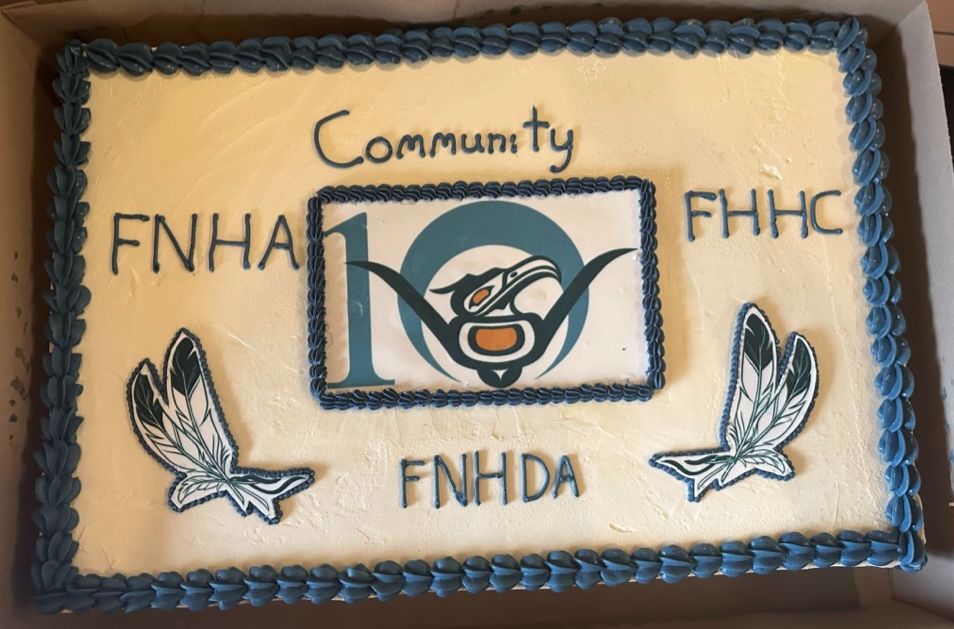
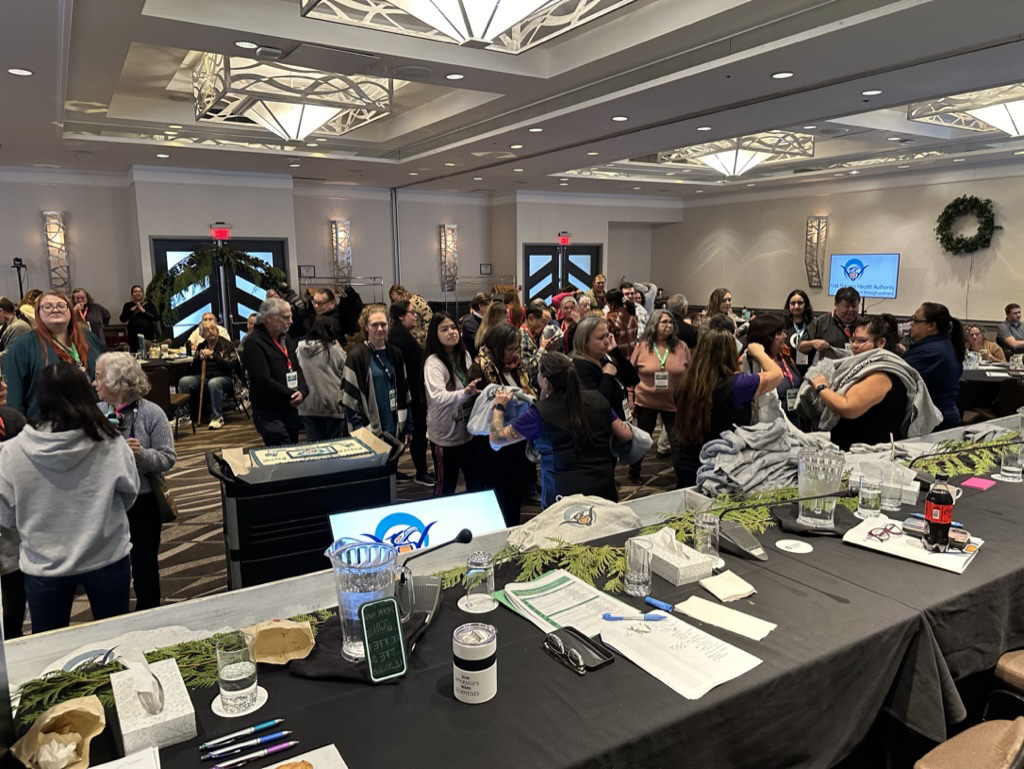
On the second day, we celebrated the FNHA’s 10th Anniversary! Chiefs, Health Directors and Nation Leaders were acknowledged for their hard work and dedication to our health system transformation work.
Celebrations included a short video where Health Leads from across the province spoke to the growth of the FNHA over the past ten years, and Island 360 set up a photo booth that filled the space with laughter and smiles for hours!
Link here to view all of the 360 Photo booth videos.
|
|
|---|
|
During the lunch break, the Salish Sisters opened with the Coast Salish Anthem while everyone enjoyed their cake and gifting from our regional team.
|
|
|---|
|
Objectives of day two included a presentation on the FNHA Annual Report and Audited Statements, an update on the Canada Funding Agreement Engagement, and the Toxic Drug Crisis.
|
|
|---|
|
Regional Fall Caucus wrapped up on November 30th, where leadership discussed Anti-Racism and Cultural Safety and Humility, Urban & Away from Home Initiatives, Data Governance and the Island Health Indigenous Patient Identifier pilot, and a facilitated engagement on the Regional Diabetes Strategy.
|
|
|---|
|
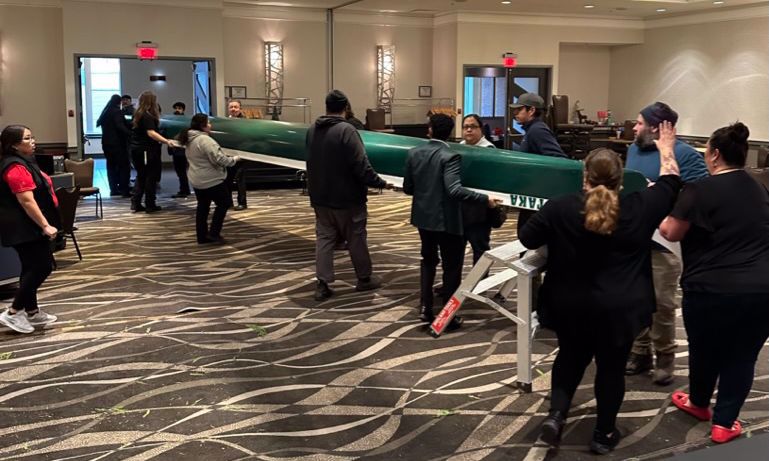
In closing, the beautiful, green, six-man canoe was carried out by the Wyse family, our FNHA regional staff and some of the hotel staff as we safely maneuvered through the halls of the hotel and placed it on top of the truck that drove it back to where it lays until the next canoe race.
|
|
|---|
|
|
FIRST NATIONS HEALTH AUTHORITY CONTACTS
|
|
|
|---|
|
FNHA COVID-19 Inquiries
If you have general FNHA COVID-19 questions, please email COVID19@fnha.ca
For any requests relating to COVID-19 please email: COVID19needs@fnha.ca |
|
|
Vice President, Vancouver Island
Regional Executive Director, Engagement
Sr. Director, Regional Community Health and Wellness
Manager, Regional Operations
Manager, Community Engagement
Community Engagement Coordinators
- Coast Salish:
- Nuu-chah-nulth:
- Kwakwaka'wakw:
Urban and Away from Home Coordinator
|
|
|---|
|
|
|
|
Nursing Manager
Community Practice Consultants:
Nurse Navigators:
|
|
|---|
|
|
|
|
Community Relations Representative, Health Benefits
Registered Dental Therapists
- Kim Trottier, Kim.Trottier@fnha.ca (Communities: Stz’uminus, Penelakut, Dzawada’enuxw)
- Janeen Campbell, Janeen.Campbell@fnha.ca (Communities: Cowichan Tribes)
- Melanie Braker, Melanie.Braker@fnha.ca (Communities: Ka;’yu:’k’t’h’/Che;k’tles7et’h’, Mowachaht/Muchalaht, Yuułuʔiłʔatḥ, Ahousaht, Ditidaht, Huu-ay-aht, Hupacasath)
|
|
|---|
|
|
|
|
Regional Manager, Health Emergency Management
|
|
|---|
|
Mental Health, Wellness & Traditional Wellness Support
|
|
|
Regional Manager, Mental Health and Wellness
Team Lead, Mental Health and Wellness
Quality and Safety Analyst
Senior Advisor Cultural Safety and Humility
Clinical Counsellor
Social Worker
|
|
|---|
|
|
|
|
Regional Manager, Maternal Child and Family Health,
|
|
|---|
|
|
|
|
Regional Manager, Primary Care
|
|
|---|
|
|
|
|
Primary Care Project Manager
Traditional Wellness Specialist
|
|
|---|
|
|
|
|
A/South Island Director, Indigenous Health
Central & North Island Director, Indigenous Health
Cultural Safety & Humility Director, Indigenous Health
Medical Director, Indigenous Health
Partnerships, Strategy & Engagement Director, Indigenous Health
Medical Health Officers, Indigenous Health
Indigenous Health Managers
- South Island, Meghan Corder, Meghan.Corder@islandhealth.ca
- Centre Island, Jennifer Jones, Jennifer.Jones6@islandhealth.ca
- Comox Valley/Stratchona, Michelle McClain, Irene.McClain@islandhealth.ca
- Mount Waddington, Dean Wilson, Dean.Wilson@islandhealth.ca
- Indigenous Health South Island Community Services, Alena Peters, Alena.Peters@islandhealth.ca
- Partnerships & Community Engagement, Trevor Day, Trevor.Day@islandhealth.ca
|
|
|---|
|
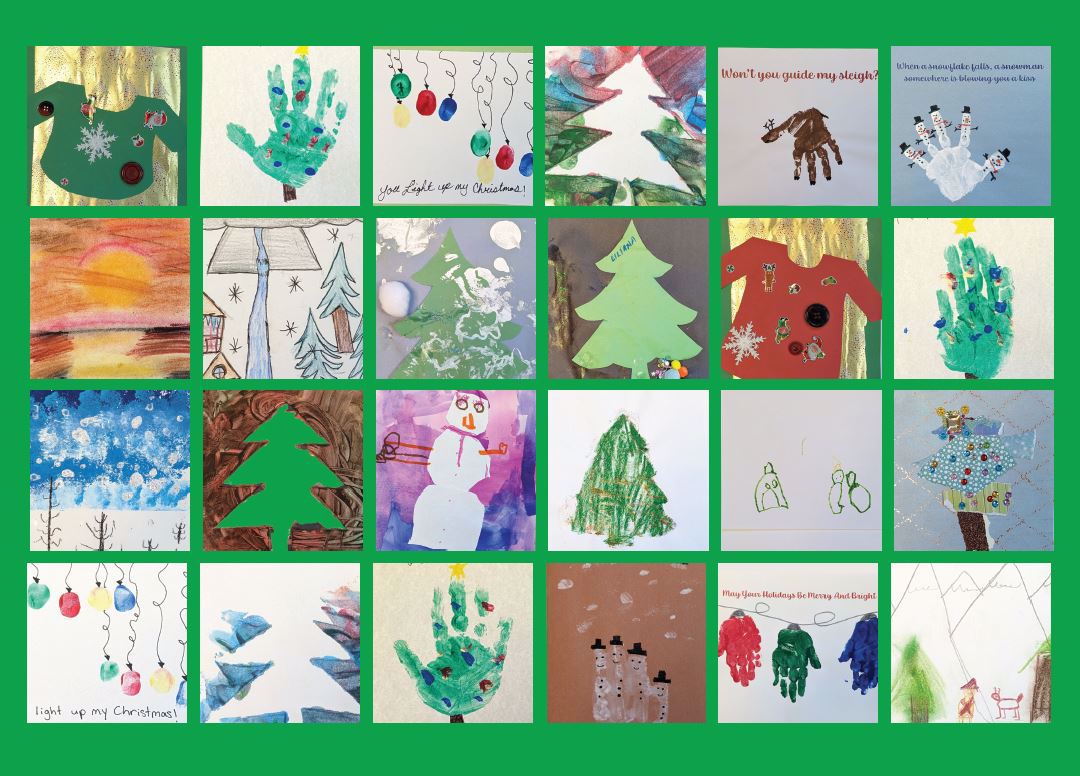
Our gratitude to young artists from Aboriginal Head Start on Reserve.
|
|
|---|
|
Tla’amin Child Development Resource Center
Ollie
Rosalie
Saydi
Ziyana
Little Chief’s Daycare
Celina
Ryder
Oaklyn
Maisie
Stswecem’c Xget’tem First Nation
Bentley
Byron Junior
Damien
Isaiah
Junior
Tao
Westan
Nak'azdli Whut'en
Avery
Bexlee
Brayden
Dawson
Duke
Elleanor
Emersyn
Evaleeann
Haven
Lily
Mikhail
Ophelia
Zayah |
|
|
Stellat'en Head Start
Adeline
Juniper
Linkin
Taliyah
Waaseyaa
Tl’etinqox Raven's Nest
Jalyza
Kailey
Mahihkan
Tsartlip Health Centre
Iresha
Riley
Sammy
Wet'suwet'en
Autumn
Dexter
Hunter
Lilianna
Mia
Winter |
|
|---|
|
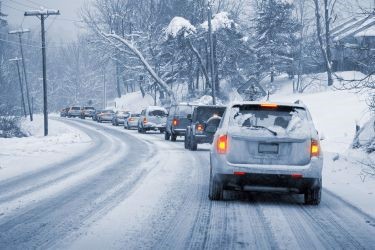
As we approach the winter season, it's important to stay ready for challenging weather conditions, not just for your own safety but for everyone around you.
Driving safely:
- Plan your route - Plan your route and check the weather and road conditions on the DriveBC website.
- Ensure parking safety - Ensure that you are aware of hazards of where your vehicle is parked and take measures to protect yourself. The ground might be slippery and icy so wear appropriate footwear. The parking lot may be isolated so ensure you are aware of your surroundings and follow working alone procedures.
- Maintain vehicle servicing - Maintain regular servicing and inspection of your vehicle (including brakes, tires, fluid levels etc.).
- Clear your field of vision - Remove ice, snow and frost from your windshield and windows and brush off excess snow from other key surfaces such as your roof, mirrors and tail lights. Streaky and dull wiper blades should be replaced in the spring and fall and will improve vision through your windshield.
- Fuel up - Ensure you have sufficient gas in case you encounter delays or need to take a detour route. Fill up your gas tank ahead of the trip and keep it full. When the tank gets half-empty, fill it up.
- Check electric vehicle range - If you drive an electric vehicle, ensure that it has enough range for unplanned events as the cold affects the range of the vehicle.
- Warm up your car - Warm up the vehicle's engine and clear the windows of snow, ice and condensation, your air-conditioning can assist with clearing condensation from the windows. Ensure you also clear your roof and hood of snow as well.
- Give yourself extra time and distance - Go slow to ensure you can stop on slippery roads, even with winter tires your vehicles stopping distance increases by 3-5 times in severe weather conditions.
- Match your speed to the road and weather conditions - Avoid passing another vehicle when weather and road conditions are bad.
- Prepare for longer trips - Pack non-perishable food, bottled water, blankets, a flashlight, fully charged cellphone, cellphone charger, first-aid kit, a small shovel, jumper cables, extra jacket, boots, gloves, and your prescription drugs.
Tire safety matters:
All-weather and winter tires stop up to three times faster than summer/all-season tires and are a good idea to have during the winter season. The most important distinction to consider between all-weather vs. winter is how mild the winters are in your region and how often you drive in these conditions.
All-weather tires are great because they can be used in all types of weather, but they do not provide the same type of winter condition performance that winter tires offer in harsh conditions that often exist in rural and remote locations. If you live in a region that is constantly hammered with blizzards, ice, sleet and snow, you're likely going to need a winter tire dedicated to performance and safety in these conditions.
Additional information and resources can be found on DriveBC such as weather and road conditions, including live camera views, assistance planning your route and road delays and closures.
FNHA Contact: Joely.Fulcher@fnha.ca
|
|
|---|
|
It’s time to give your health a boost! Island Health is encouraging everyone aged six months and older to get their updated COVID-19 and flu immunizations. Like last year, you can get one vaccine or both at the same time. Watch your email or check your texts, depending on how you registered, for an invite from the Get Vaccinated system to book your appointment. Indigenous People are included in the groups most at risk of severe illness and complications should they get the flu, including seniors 65 and older, pregnant people, those with chronic health conditions (e.g., cancer, HIV, hepatitis C, diabetes), and health-care workers.
You can also help protect yourself and those around you from illnesses by:
• Clean your hands often using soap and warm water. Scrub for at least 20 seconds or use alcohol-based hand rub
• Cover your mouth when sneezing or coughing. Sneeze or cough into your elbow instead of your hands
|
|
|---|
|
|
|  |
|
|
|
|