News Updates from the VI Region
September 7th, 2023
Greetings respected Vancouver Island First Nations Leadership;
Welcome to our VI Regional e-newsletter. This newsletter will highlight updates for the Vancouver Island region from the FNHA, Island Health, Government of BC, Government of Canada, alongside many other partners.
|
|
|---|
|
|
In today's edition you will find:
|
|
|---|
|
|
|
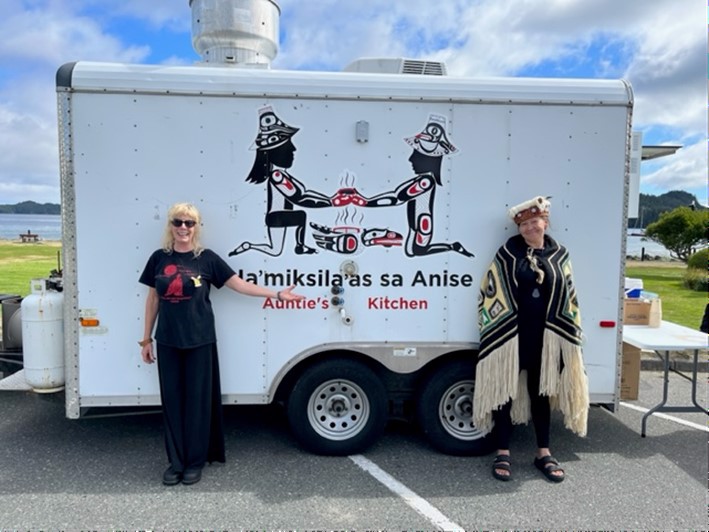
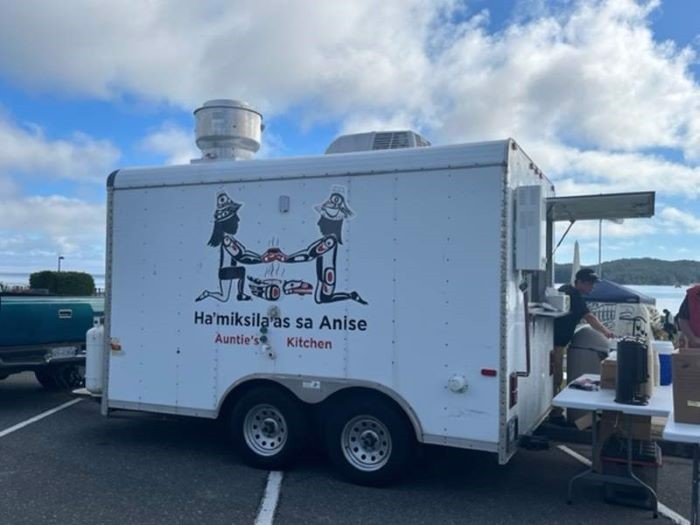
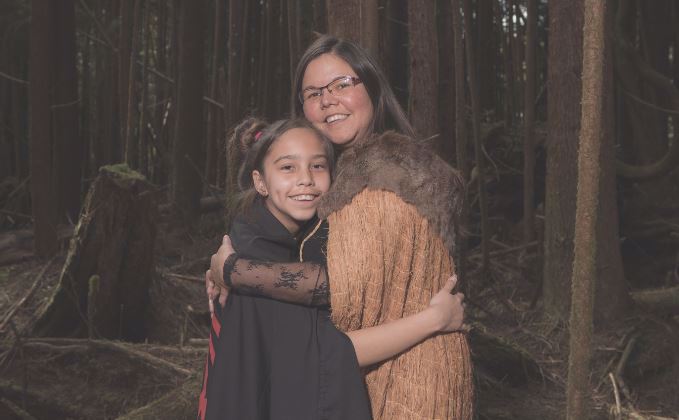
Hamiksila'sas Anise (Auntie's Kitchen) honours the traditional way of life where auntie's often take on the role of feeding the people in ceremony and in daily life. The approach of this initiative is one of respect, love and belonging through harm reduction, and much like the Gwa'wina, it will bring light to those seeking belonging.
Hamiksilas Anise seeks to reduce stigma, increase a sense of community and reduce isolation for Kwakiutl and other persons with living experience of substance use. Food is medicine and the food truck functions as a community kitchen and safe gathering place that provides free food to those in need. The truck will operate in Tsaxis 1 day per week, 1 day in Tsulquate, 1 day in Quatsino and 1 day downtown Gwa’dzi (Port Hardy), leaving 1 weekday in Tsaxis for cleaning, stocking and maintenance.
|
|
|---|
|
The logo depicts two auntie's holding a bowl of traditional food in unity. A Kwakiuti feast bowl depicts the Gwa'wina (Raven) as he is revered for bringing light to the world and salmon and water to the people.
Last year, the FNHA shared a story on "Sober for October: All Paths Lead to Wellness" where Hamiksila'sas Anise was mentioned as an example of how many BC First Nations communities and organizations continue to integrate Indigenous harm-reduction programs and practices into their range of supports and healing to provide culturally safe support for people who use substances.
Click here to read the story.
FNHA Contact: Alexis.Stuart@fnha.ca
|
|
|---|
|
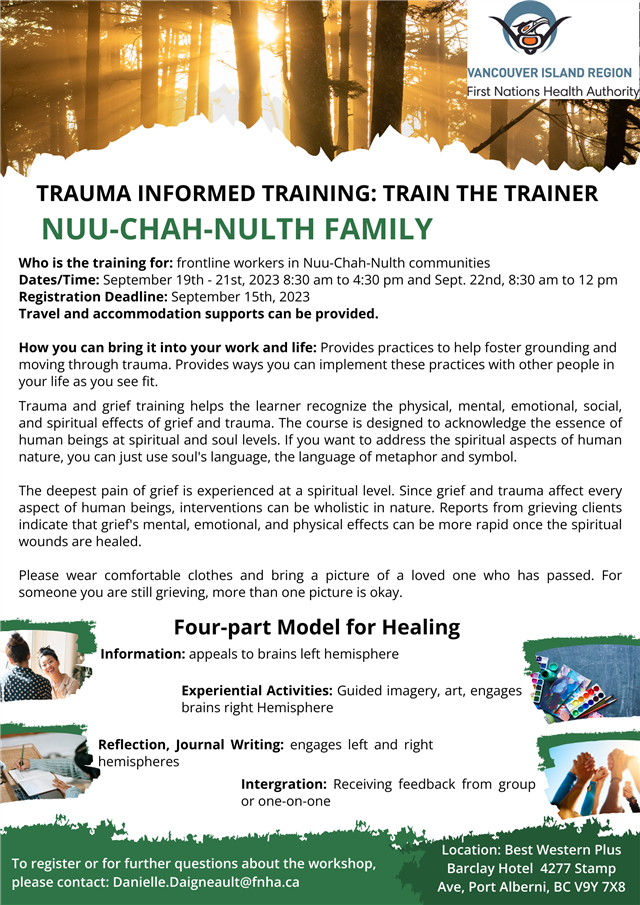
Train the Trainer: Trauma Informed Training will be available in Kwakwaka'wakw and Coast Salish territories once event details are confirmed. Details will be highlighted in the October Edition newsletter for the Vancouver Island Region.
Please email Danielle Daigneault at her contact below, if you have any questions.
FNHA Contact: Danielle.Daigneault@fnha.ca
|
|
|---|
|
If you need additional support to submit your resume, please email Nathan Sam, HR Generalist at Nathan.Sam@fnha.ca
|
|
|---|
|
|
FIRST NATIONS HEALTH AUTHORITY CONTACTS
|
|
|
|---|
|
FNHA COVID-19 Inquiries
If you have general FNHA COVID-19 questions, please email COVID19@fnha.ca
For any requests relating to COVID-19 please email: COVID19needs@fnha.ca |
|
|
Vice President, Vancouver Island
Regional Executive Director, Engagement
Sr. Director, Regional Community Health and Wellness
Manager, Regional Operations
Manager, Community Engagement
Community Engagement Coordinators
- Coast Salish: VACANT
- Nuu-chah-nulth:
- Kwakwaka'wakw:
Urban and Away from Home Coordinator
|
|
|---|
|
|
|
|
Nursing Manager
Community Practice Consultants:
Nurse Navigators:
|
|
|---|
|
|
|
|
Community Relations Representative, Health Benefits
Registered Dental Therapists
- Kim Trottier, Kim.Trottier@fnha.ca (Communities: Stz’uminus, Penelakut, Dzawada’enuxw)
- Janeen Campbell, Janeen.Campbell@fnha.ca (Communities: Cowichan Tribes)
- Melanie Braker, Melanie.Braker@fnha.ca (Communities: Ka;’yu:’k’t’h’/Che;k’tles7et’h’, Mowachaht/Muchalaht, Yuułuʔiłʔatḥ, Ahousaht, Ditidaht, Huu-ay-aht, Hupacasath)
|
|
|---|
|
|
|
|
Regional Manager, Health Emergency Management
|
|
|---|
|
Mental Health, Wellness & Traditional Wellness Support
|
|
|
Regional Manager, Mental Health and Wellness
Quality and Safety Analyst
|
|
|---|
|
|
|
|
Regional Manager, Maternal Child and Family Health,
|
|
|---|
|
|
|
|
Regional Manager, Primary Care
|
|
|---|
|
|
|
|
Primary Care Project Manager
Traditional Wellnes Specialist
|
|
|---|
|
|
|
|
South Island Director, Indigenous Health
Central & North Island Director, Indigenous Health
Cultural Safety & Humility Director, Indigenous Health
Medical Director, Indigenous Health
Partnerships, Strategy & Engagement Director, Indigenous Health
Medical Health Officers, Indigenous Health
Indigenous Health Managers
- South Island, Meghan Corder, Meghan.Corder@islandhealth.ca
- Centre Island, Jennifer Jones, Jennifer.Jones6@islandhealth.ca
- Comox Valley/Stratchona, Michelle McClain, Irene.McClain@islandhealth.ca
- Mount Waddington, Dean Wilson, Dean.Wilson@islandhealth.ca
- Indigenous Health South Island Community Services, Alena Peters, Alena.Peters@islandhealth.ca
- Partnerships & Community Engagement, Trevor Day, Trevor.Day@islandhealth.ca
|
|
|---|
|
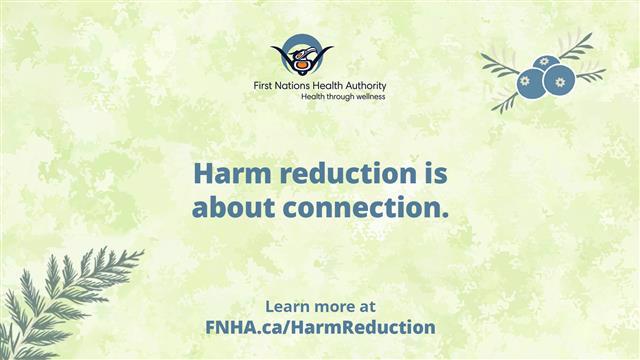
New Harm Reduction Campaign supports ‘Connecting to Culture’ for International Overdose Awareness Day
|
|
|---|
|
On Aug.21, the First Nations Health Authority (FNHA), in collaboration with Vancouver Coastal Health (VCH), launched an awareness campaign focused on bringing attention to harm reduction, anti-stigma and grief and loss messages surrounding the toxic drug emergency.
The 'Connecting to Culture' campaign supports International Overdose Awareness Day, taking place each year on Aug. 31. Overdose Awareness Day is the world's largest annual campaign to end overdose, remember without stigma those who have died or experienced an overdose, and acknowledge the grief felt by those left behind.
To learn more, click here.
FNHA Contact: Joely.Fulcher@fnha.ca
|
|
|---|
|
Regional Diabetes Strategy
|
|
|---|
|
The Vancouver Island Region of the First Nations Health Authority (FNHA) is developing a Regional Diabetes Strategy in collaboration with the three Vancouver Island Cultural Families with an integrated, coordinated, and culturally grounded approach.
The goal is to collaborate with partners and community to create a wholistic, action-oriented, and sustainable plan based on the community’s vision and values that positively impact diabetes outcomes.
Read more here.
FNHA Contact: Matilda.Atleo@fnha.ca
|
|
|---|
|
International Overdose Awareness Day
|
|
|---|
|
A message from Richard Jock, FNHA Chief Executive Officer; and Dr. Nel Wieman, Acting Chief Medical Officer
International Overdose Awareness Day is a campaign to end overdose, give space to remember those who have passed on due to the toxic drug emergency, and acknowledge the grief and loss felt by those left behind.
The toxic drug emergency has continued to worsen since being first declared in BC in 2016, impacting all First Nations communities in the province.
Because of the negative attitude some people hold toward substance use, people often hide their use, are more likely to use alone, and are less likely to seek support. This increases the risk of toxic-drug-related injury and death.
Knowing this, it is more important than ever to remind ourselves and others not to have a negative attitude toward, discriminate against, or stigmatize people who use substances. Instead, it is imperative that we start from a place of compassion and understanding, and that we treat all individuals with respect, love, and patience. We must also show sensitivity and compassion toward families, friends, and communities who are experiencing loss and profound grief.
Read full-story from our website here.
FNHA Contact: Joely.Fulcher@fnha.ca
|
|
|---|
|
Statement on Toxic Drug Emergency Reporting
|
|
|---|
|
The FNHA would like to thank the CBC for a recent article humanizing the toxic drug emergency on International Overdose Awareness Day. We would also like to clarify certain statements within the article - that it conflates the definition of Indigenous and First Nations, and doesn't reflect the disproportionate impact the toxic drug emergency is having on First Nations women.
Read full-story from our website here.
FNHA Contact: Joely.Fulcher@fnha.ca
|
|
|---|
|
Changes to Health Benefits Coverage
|
|
|---|
|
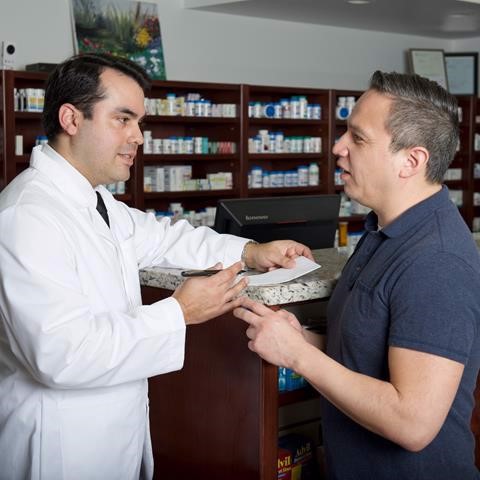
A couple of changes to FNHA's Health Benefits coverage. Starting September 1, First Nations Elders 60 years old and older can now get the Shingrix® shingles vaccine at no cost. Effective August 1, Plan W covers a flash glucose monitor (FGM), the FreeStyle® Libre 2, in addition to the continuous glucose monitor (CGM), Dexcom G6® for clients with diabetes mellitus and requiring intensive insulin treatment.
Learn more from our website here.
FNHA Contact: Joely.Fulcher@fnha.ca
|
|
|---|
|
Tom Finnie Indigenous Trades Bursary Application
|
|
|---|
|
On behalf of the Board of Directors of M’akola Development Services Society and the M’akola Scholarship & Bursary Committee, I am pleased to send you the Tom Finnie Indigenous Trades Bursary Application for 2023.
This bursary was created in memory of Tom Finnie, a former board member of M’akola. Tom was a devoted husband, father, and grandfather, who lived his life in total service to his country via the Navy. He was a tireless worker in many organizations throughout his life, including being a tradesperson. Tom supported all sports and was a senior game swimmer. He taught cultural activities with School District 71 and travelled as far as Manitoba, teaching drum making, hunting, fishing, and survival.
In recognition of Tom’s commitment to his community and the communities served by the M’akola, the organization established an annual Tom Finnie Indigenous Trades Bursary to enhance and support opportunities for Indigenous students to continue their education journeys.
For more information, please check out the Scholarships & Bursaries page.
FNHA Contact: Joely.Fulcher@fnha.ca
|
|
|---|
|
The Youth Action Grants (YAG) were created by McCreary’s Youth Advisory & Action Council (YAC). The purpose of the YAGs is to provide BC youth (ages 12–19) from school districts that participated in the most recent BC Adolescent Health Survey (BC AHS) the opportunity to deliver a project to improve youth health in their school or community.
YAGs fund projects which are:
- Youth-led
- Focused on one or more of the key findings from the BC AHS.
- Benefitting youth in your school or community.
- Supported by at least one adult (such as a teacher, counsellor, youth worker, adult mentor, etc.)
To learn more about the application process, please click here.
FNHA Contact: Alexis.Stuart@fnha.ca
|
|
|---|
|
First Nations Leading Climate Readiness with
Support From ICHAP
|
|
|---|
|
Climate change has led to dramatic and unpredictable events in British Columbia (BC), including the 2021 heat dome and wildfires this summer that have forced evacuations from communities.
All communities across BC face potential harms from a changing climate. First Nations have been taking direct action to understand and address these changes occurring in their territories, including the impacts to wholistic health and wellness.
For more information, click here.
FNHA Contact: Joely.Fulcher@fnha.ca
|
|
|---|
|
Similkameen-syilx Weaving: A Path to Health
and Well-being
|
|
|---|
|
Join Wendy Hawkes and the UBC Learning Circle on Sept. 14 at 10 a.m., for a free webinar as they discuss the importance of weaving for physical and mental health. The UBC Learning Circle is a partnership between the Centre for Excellence in Indigenous Health and the FNHA. Please register at the link below.
Register here.
FNHA Contact: Joely.Fulcher@fnha.ca
|
|
|---|
|
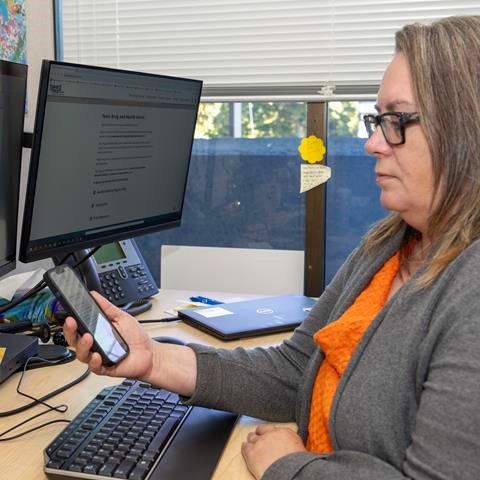
Island Health has expanded its drug and health alert system so anyone can now send information about toxic drugs and toxic drug poisonings. The system utilizes anonymous submissions to be reviewed by harm reduction teams. This information then will be used to determine if toxic drug alerts are warranted.
|
|
|---|
|
The Thriving Indigenous Systems Fund (TISF) provides multi-year grants of up to $100,000 per year for three years to land-based First Nations and Indigenous-led organizations serving land-based First Nations in British Columbia.
Applications open from September 6 – October 4.
All applicants must complete the online eligibility quiz in order to access Stage 1 of the application.
For more information and to take the eligibility test, click here.
|
|
|---|
|
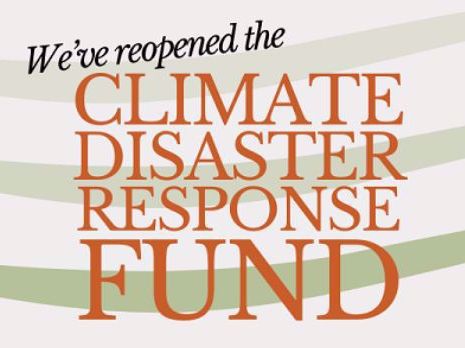
The Climate Disaster Response Fund is a one-time grant opportunity that will provide limited resources to heritage focused organizations with heritage resources damaged by recent climate and natural disasters in British Columbia.
For more information and to submit your application, click here.
|
|
|---|
|
The Declaration Act Engagement Fund (DAEF) provides multi-year (4 year) non-repayable funding contributions to First Nations to support their capacity to engage with the Province of B.C. on the implementation of the Declaration Act Action Plan and alignment of Provincial laws with the United Nations Declaration on the Rights of Indigenous Peoples both of which must be done in consultation and co-operation with Indigenous Peoples in B.C.
For more information and to submit your application, click here.
|
|
|---|
|
The call for Interim Applications for time-limited funding under Sections 8 and 9 of the Act, developed in partnership with the Assembly of First Nations, is intended to support:
- First Nations efforts in addressing the priorities they have identified to reclaim, revitalize, maintain and strengthen First Nations languages
- First Nations governed initiatives in collaboration with federal departments and agencies, and other First Nations, provincial or territorial governments as desired and appropriate (this may include purposes such as providing First Nation language programs and services in relation to education, health and the administration of justice, or furthering the purposes of the Act)
For more information and to learn how to apply, click here.
|
|
|---|
|
|
|  |
|
|
|
|