Greetings respected Vancouver Island First Nations Leadership;
Welcome to our VI Regional e-newsletter. This newsletter will highlight updates for the Vancouver Island region from the FNHA, Island Health, Government of BC, Government of Canada, alongside many other partners.
In today's edition you will find:
|
|
|---|
|
|
Upcoming Engagement Sessions: Help Shape How We Bring the Regional Diabetes Strategy to Life |
|
Dear Vancouver Island Health Directors and Health Leads,
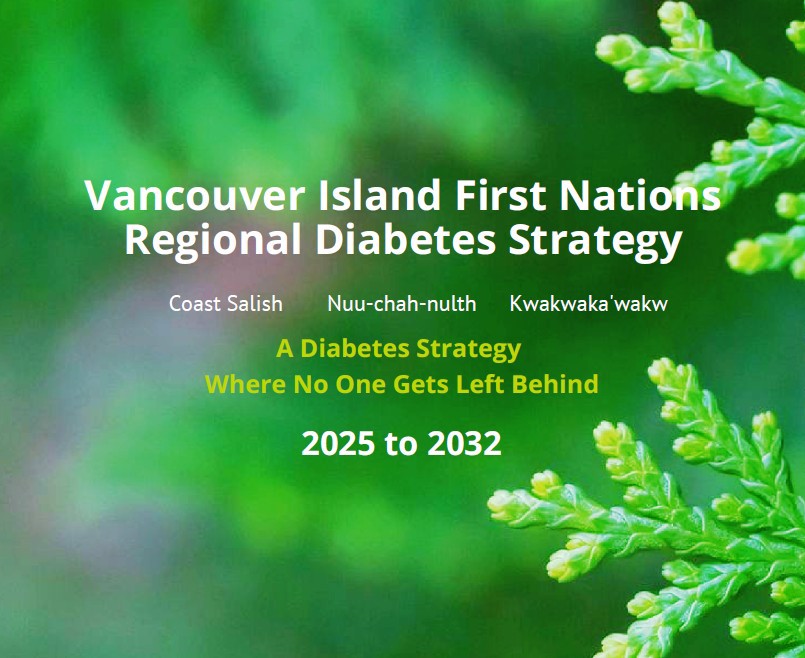
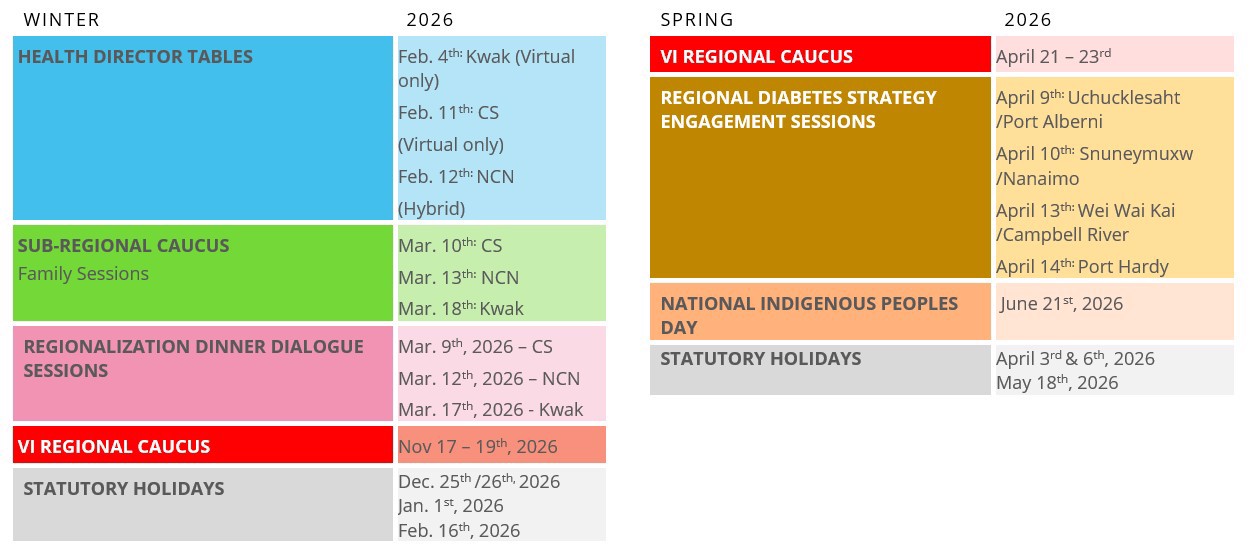
We are pleased to invite community members across Vancouver Island to take part in a series of in‑person Engagement Sessions focused on the Vancouver Island First Nations Regional Diabetes Strategy.
These sessions are an opportunity to learn more about the Regional Diabetes Strategy and, most importantly, to share community perspectives on how this strategy can be brought to life in meaningful, practical, and community‑driven ways.
Community Engagement Sessions (In‑Person)
These sessions are welcoming spaces for community voices, including:
- People living with diabetes or supporting someone with diabetes
- Elders and Knowledge Keepers
- Visionaries, change‑makers, and community advocates
- or Nation members living away from home or in urban settings
Each session will be held 10:00 am – 3:00 p.m., with lunch and snacks provided.
Session dates and locations:
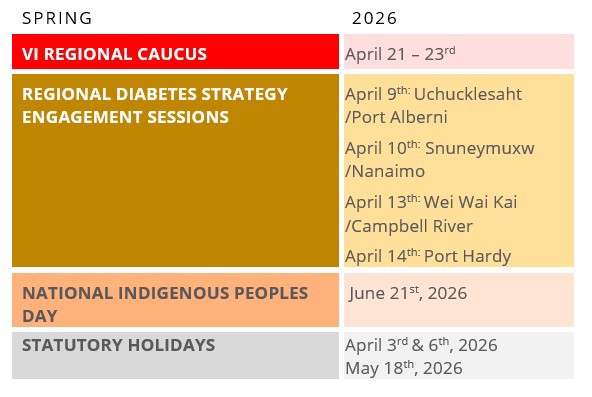
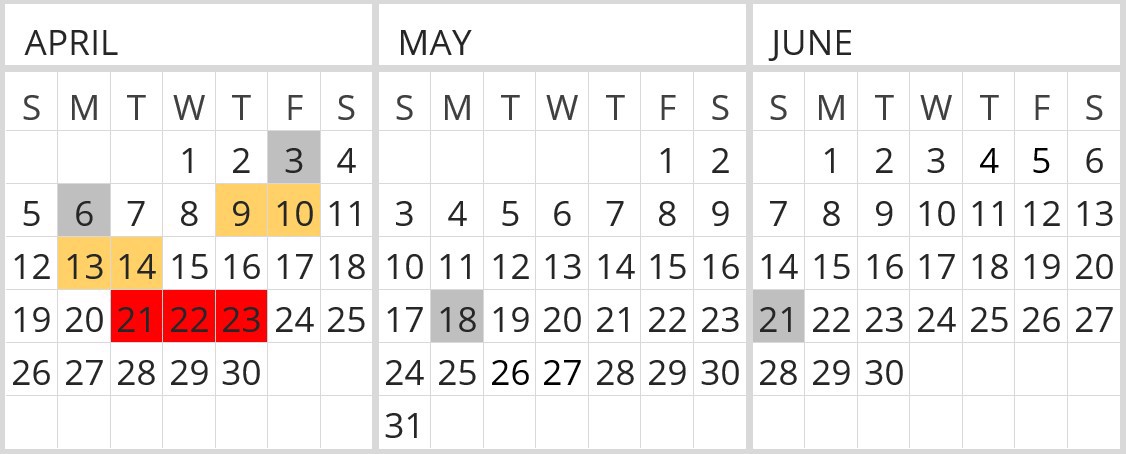
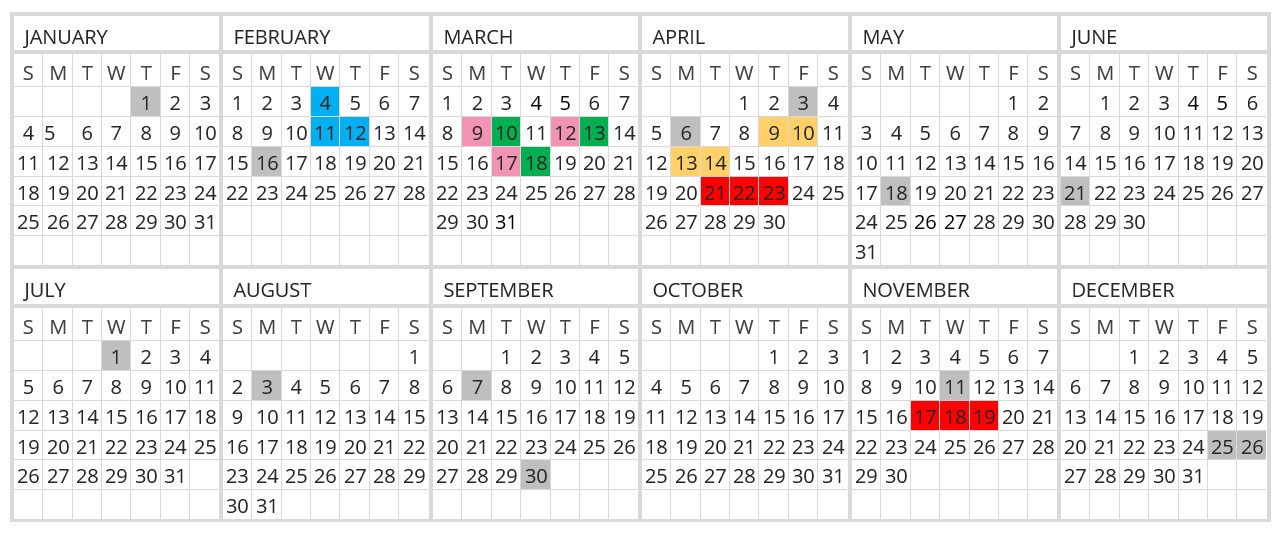
- April 9 – Uchucklesaht / Port Alberni
- April 10 – Snuneymuxw / Nanaimo
- April 13 – Wei Wai Kai / Campbell River
- April 14 – Port Hardy
Registration is open to identified community participants.
Register here: Vancouver Island First Nations Regional Diabetes Strategy Spring Engagement Registration – Fill out form
These sessions are part of a broader effort to ensure community voices guide how diabetes supports and actions move forward across the Island.
If you have questions, please reach out to Rebecca at rebecca@idea-diabetes.com.
|
|
Diabetes Lunch & Learn Series (Virtual) |
|
In addition to the community engagement sessions, we will also be offering a Diabetes Lunch & Learn Series for Vancouver Island First Nations care providers and health leadership.
About the series
The Lunch & Learns are a component of the Vancouver Island First Nations Regional Diabetes Strategy (2025–2032) and will be delivered by the FNHA Vancouver Island Region team in collaboration with IDEA Diabetes.
These sessions are open to:
- Health leadership
- Care providers working with Vancouver Island First Nations people and communities
The series is designed to support shared learning, strengthen understanding, and explore how care providers and leaders can support diabetes wellness alongside communities.
Click the link below to register for the Lunch & Learn Series.
Thank you for your continued partnership and commitment to improving wellness for First Nations people across Vancouver Island. We look forward to working closely with you as we move into this next stage of implementation and engagement.
|
|
|
Expanding access to health services in Gwa’yas’dums (Gilford Island) |
|
How community advocacy, infrastructure investment, and partnership brought care closer to home
For the Kwikwasut’inuxw Haxwa’mis First Nation, this moment reflects years of intentional advocacy and planning. Chief Rick Johnson explains that improving access to services has been a longstanding priority for community leadership, grounded in the realities of living in a remote coastal village.
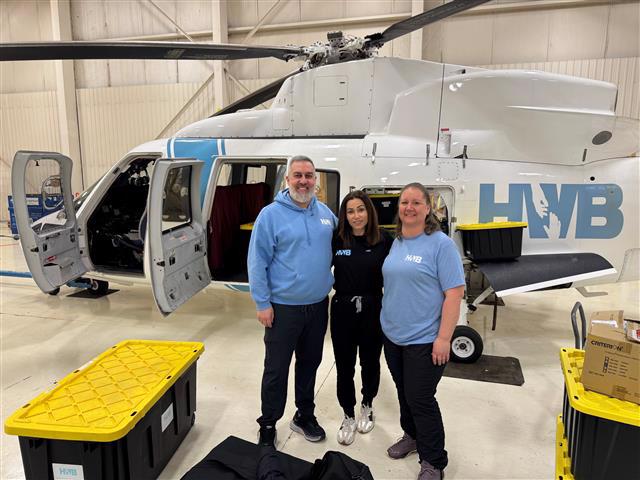
“Community advocacy has been a goal of the Kwickwasut’Inuxw Haxwa’mis leadership for several years,” says Chief Rick Johnson of the Kwikwasut’Inuxw Haxwa’mis First Nation. As Kwakwaka’wakw Nations continue to move forward with new regionalization efforts in partnership with FNHA and other service agencies, he notes that Helicopters Without Borders has been a vision shaped over time. “HWB has long been a community vision, built through unity and many years of collaboration. With our new helipad, we are now able to bring in many medical professionals.”
|
|
A community vision, realized
The journey toward this moment began several years ago. Community members and leaders, including Chief and Council, FNHA and regional partners, have been working diligently to improve access to essential health services in Gwa’yas’dums.
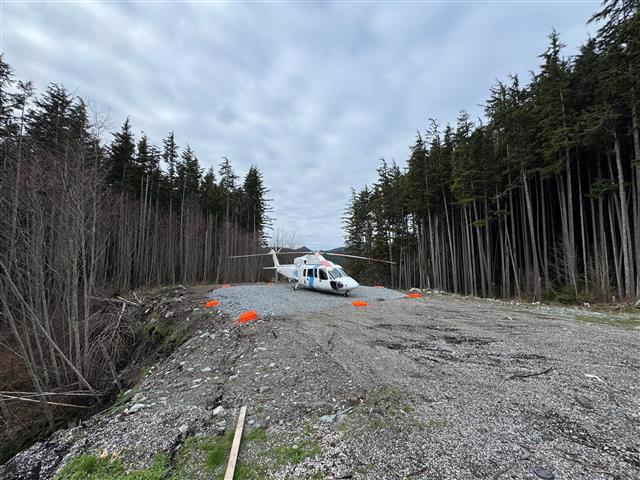
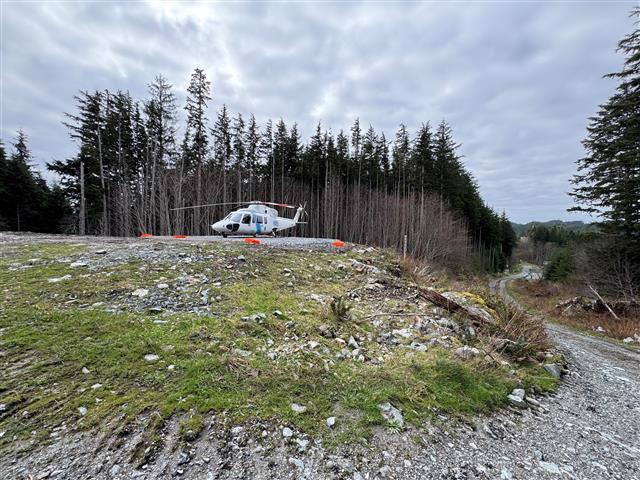
In December 2023, a heliport assessment was completed in community. FNHA supported the assessment process and, over the following two years, worked alongside the community to support the clearing and preparation of an interim heliport site. That groundwork made it possible for HWB to safely land a larger helicopter, opening the door for expanded primary care access, team-based care and strengthened emergency response.
“The flight into Gwa’yas’dums reflects what is possible when community leadership, FNHA and Helicopters Without Borders work together toward a shared goal,” says Owen McClung Sitnam, CEO of Helicopters Without Borders. “The heliport assessment completed in 2023, along with the follow up work to prepare the interim site, enabled us to land safely and deliver health services directly into the community. We are proud to be part of a partnership that is bringing care closer to home.”
“We want to ensure that our Nations are receiving services in an equitable way and that team-based care happens not only in urban centres in our region but in rural and isolated communities,” says Tanille Johnston, FNHA Director of Family Based Programs and Services. “This expanded helipad allows team-based care to be a reality for the Kwikwasut’inuxw Haxwa’mis living on Gilford Island.”
For Gwa’yas’dums, this milestone is not only about infrastructure – it’s about equity.
|
|
From assessment to impact
Over the past three and a half years, FNHA has supported 24 heliport assessments in 24 First Nations communities across British Columbia. These assessments are more than technical reviews, they are part of a larger effort to strengthen access to services in rural and remote Nations.
When assessments lead to operational landing sites, communities are better positioned to host visiting health teams, emergency supports and other essential services directly in their territories.
For Gwa’yas’dums, the February 18 flight marked the first time HWB was able to use the completed interim heliport to bring health service providers into the community in this way. It is a clear example of how collaborative planning, sustained funding and community leadership translate into tangible outcomes.
Colliers Project Leaders supported the early stages of this work, beginning with the inception of the heliport assessment program. Under FNHA’s direction, Colliers helped shape the assessment approach and provided project management support, including managing the heliport construction project in Kitasoo and continue to collaborate with FNHA on emerging opportunities.
“It has been a true honour to lead this work on behalf of FNHA and collaborate with KHFN over the past two years in support of developing their interim heliport,” says Scott Bailey, Project Lead, Colliers Project Leaders. “From participating in the initial site assessment to witnessing the first HWB flight land in the community, this project has been especially meaningful. Seeing firsthand how this work directly benefits the community in so many ways has been inspiring and very rewarding.”
|
|
Partnership at the point of care
This milestone was made possible through strong partnership:
• Community leadership advocating for improved access
• FNHA supporting heliport assessments and site readiness
• Helicopters Without Borders coordinating flights and providers
Together, these efforts help bring services closer to home, reducing travel burdens and supporting care within community.
While a helicopter landing may seem like a single event, it represents something much deeper: the ability for community members to access services in familiar, culturally grounded spaces, surrounded by family and land.
Looking ahead
On February 18th, health service providers flew into Gwa’yas’dums (Gilford Island) using a newly operational interim heliport, the result of years of advocacy, partnership and planning.
FNHA supported the heliport assessment in 2023 and worked alongside the community to help make the landing site operational. This groundwork made it possible for Helicopters Without Borders (HWB) to safely bring services directly into community.
“We want to ensure that our Nations are receiving services in an equitable way and that team based care happens not only in urban centres in our region but in rural and isolated communities,” says Tanille Johnston, FNHA Director of Family Based Programs and Services. “This expanded helipad allows team based care to be a reality for the Kwikwasut’inuxw Haxwa’mis living on Gilford Island.”
For remote First Nations, infrastructure like this means more than a landing site, it means improved access to care, closer to home.
A powerful example of what’s possible when Nations lead and partners walk alongside.
|
|
Healing Indigenous Hearts in Port Hardy |
|
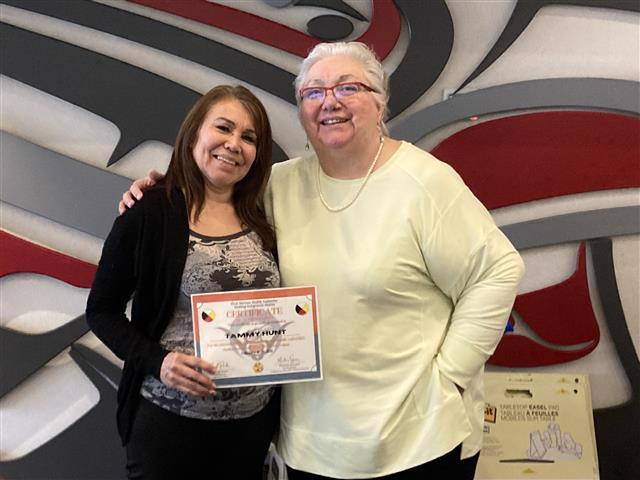
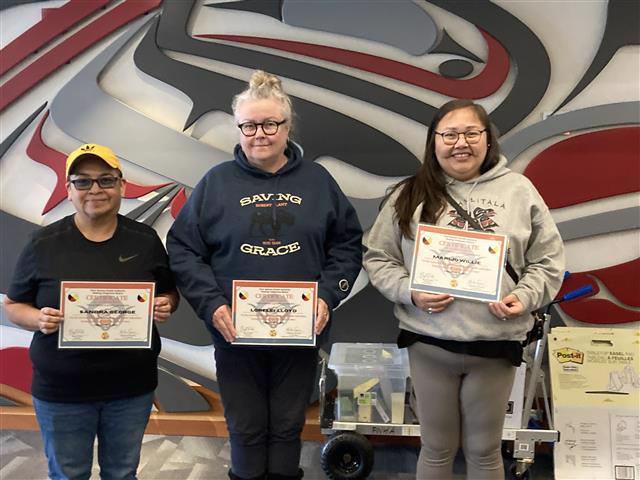
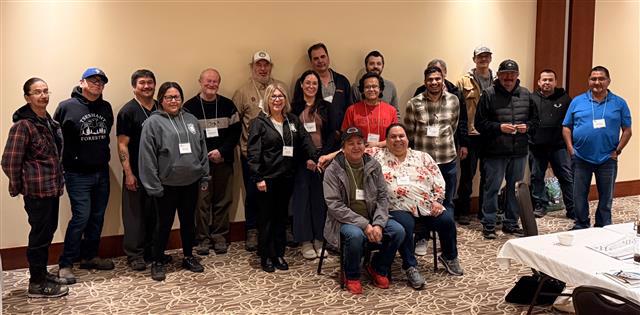
In February 2026, community members from across the North Island and surrounding territories gathered at the Kwalilas Hotel in Port Hardy for the Healing Indigenous Hearts (HIH) Train the Trainer workshop. Hosted by the First Nations Health Authority (FNHA) in partnership with the BC Centre on Substance Use, the three day training supported participants in preparing to lead culturally grounded grief support circles in their home communities.
Twelve participants completed the training, travelling from Alert Bay, Gilford Island, Gwa’sala ’Nakwaxda’xw, Quatsino, Kingcome Inlet, and Urban and Away Mamalilikulla First Nation. Many came from remote locations, with FNHA funding charters, accommodations, meals, and mileage to ensure full participation. Their shared purpose was clear: to honour loved ones lost to toxic drug poisoning, suicide, or substance use related illness, and to strengthen their capacity to support others walking through similar grief.
|
|
The HIH training blends Indigenous teachings, traditional practices, and evidence informed approaches. Guided by the HIH resource developed by FNHA’s Office of the Chief Medical Officer, participants explored how to hold space safely, navigate difficult conversations, and foster healing in community. While one facilitator led the session and administrative support was provided onsite, the heart of the gathering came from the stories, reflections, and connections shared in circle.
|
|
Participants expressed deep gratitude for the opportunity, noting how meaningful it was to receive training close to home and alongside neighbouring Nations. Many left feeling better equipped, supported, and ready to bring Healing Indigenous Hearts circles into their communities.
|
|
Through this work, volunteers and peer leaders continue to honour the lives of those lost, while offering pathways toward collective healing, strength, and hope.
|
|
Preparing for Drought: West Coast Gathering |
|
Community representatives gathered in Tseshaht territory on March 4th, 2026 for the first of three Drought Preparedness sessions hosted by FNHA, Environmental Public Health Services.
The full day gathering brought together Community-based Water Monitors (CBWM), Drinking Water Operators, Environmental Public Health Officers and partner organizations to strengthen knowledge and planning around drought preparedness, water scarcity and drinking water systems. Participants heard presentations from FNHA, the Ministry of Water, Lands and Resource Stewardship, and Island Health, covering Vancouver Island’s drought history and forecast, drinking water policies, and emergency response planning. Planning for drought can help prevent water scarcity.
Community-based Water Monitor for Hesquiaht First Nation Leslie Mickey, reflected on the importance of the work, sharing, “Water is life, especially on a spiritual level for First Nations people.”
This West Coast session was the first in a series, with additional gatherings held mid-Island on March 6 and in Oyster Bay on March 12.
|
|
Supporting Wellness: Highlights from the Coast Salish First Nations Led Primary Care Heart Health Open House |
|
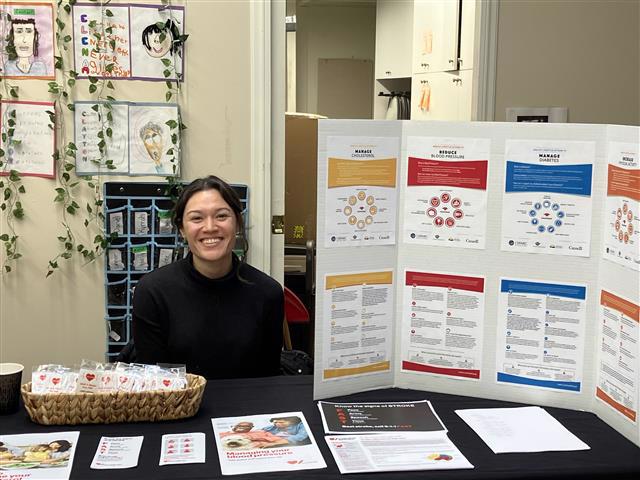
On Friday, February 27, the Coast Salish First Nations Led Primary Care team hosted a Heart Health Open House in partnership with the Esquimalt Health Center. This event served as a soft launch, giving members of the Nation an opportunity to meet our team, learn about the work we do, and increase their awareness of heart health.
We were pleased to welcome the tobacco team from FNHA, who joined us in supporting the event. Our dietitian, Jen Cody, provided a variety of heart-healthy foods for attendees to sample. Tsow-tun Lelum also contributed by sending a staff member, JC, to offer brush-offs, which proved to be a highlight of the day.
While attendance from families was limited, the open house saw a steady flow of community members and Elders throughout the event. Overall, the open house was a great success and a positive step in connecting with the community.
|
|
Introducing Christopher Smith: Our new Senior Data Analyst joining the Regional Planning and Developement team |
|
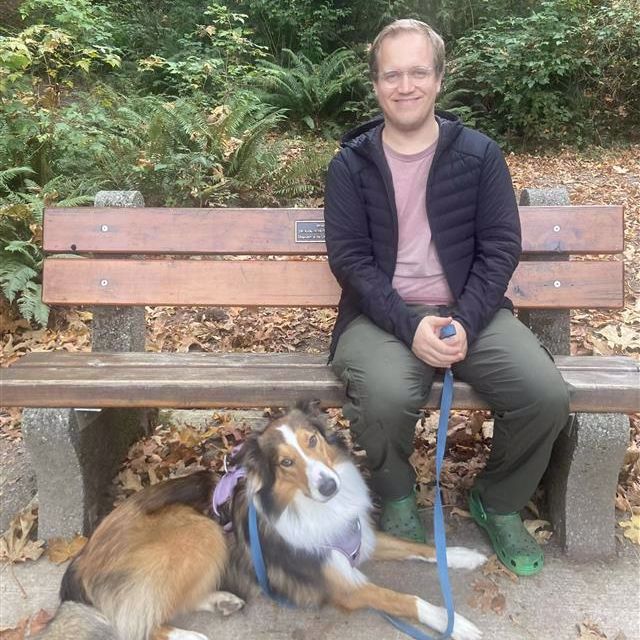
Hello, my name is Christopher Smith. I am a second-generation settler of British and Dutch ancestry. I was raised and now live on the traditional and unceded land of the Stz'uminus and Quw'utsun peoples on a small farm just south of what is colonially known as Chemainus. I have previously completed a Master of Public Health with a focus on Applied Biostatistics and most recently I worked at Health Quality BC supporting provincial quality improvement projects as a data analyst. I'm excited about doing good work with data and am looking forward to doing that with a local emphasis in this role.
Outside of work I can often be found in my vegetable garden, playing fetch with my dog Bertrand, or in search of a good place to eat with my partner.
FNHA Contact: Christopher.Smith@fnha.ca
|
|
Tara Jacobs has transitioned into a new role: Substance Use and Community Wellness Advisor with the Toxic Drug Response Team |
|
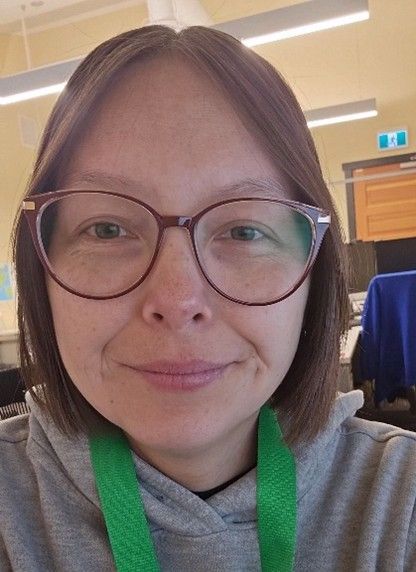
‘Uy’ skewyul, Thunu sne, Telhulwut, Tun’ni’ tsun ‘utl’ Stz’uminus.
Good day, my family name is Telhulwut, which comes from my great‑grandfather, Alphonse Harris, and my given name is Tara Jacobs. I was born and raised on the unceded and traditional territory of Stz’uminus First Nation (Ladysmith).
I am currently one month into my new role as Substance Use and Community Wellness Advisor with the Toxic Drug Response Team. Prior to this, I worked for nearly three years on the Mental Health team as the Child and Youth Wellness Community Coordinator. While the transition between teams was bittersweet, I welcomed the opportunity to grow and learn in this new role.
The Substance Use and Community Wellness Advisor role was formerly known as the Tobacco Cessation Coordinator. This change reflects a broader focus - not only on traditional tobacco, cigarettes, and cannabis, but also on other substances such as vaping and alcohol.
When I’m not working at my desk or travelling to communities, you’ll often find me at home creating crafts or baking treats. I value time spent in the mountains and with my family, and I enjoy learning and challenging myself to step outside my comfort zone as a way to continue growing.
FNHA Contact: Tara.Jacobs@fnha.ca
|
|
FNHA welcomes Dr. Jae Ford to Office of the Chief Medical Officer |
|
The Office of the Chief Medical Officer (OCMO) is pleased to welcome Dr. Jae Ford to the team in a permanent capacity. Dr. Jae served previously in the OCMO in 2025 as a fifth-year resident in public health and preventive medicine (including family medicine) at UBC.
|
|
Evaluation highlights efforts to reclaim end-of-life practices for First Nations in BC |
|
An evaluation of the Indigenous End-Of-Life Guide Training Program has highlighted a growing movement to reclaim, revitalize and relearn traditional end-of-life practices for First Nations in BC. The report shares key insights from the program's first five years and outlines opportunities to strengthen guide supports so these cultural practices can continue to flourish in communities.
|
|
Medical Transportation: Closest Appropriate Provider policy updated |
|
FNHA is committed to supporting safe, respectful and accessible health care for First Nations people in BC. To strengthen this commitment, we are updating the Closest Appropriate Provider policy under the Medical Transportation Benefit to increase flexibility and support Clients seeking culturally safe care.
|
|
The LEVEL BIPOC Grants Program invests in the leadership capacity of BIPOC-led and BIPOC youth-led and/or youth-engaging organizations operating in B.C. These grants of $150,000 offer flexible, operating funding for three years to registered charities and registered non-profit societies. This funding can be used to cover costs that will contribute to their operational sustainability and adaptability to continue supporting the changing needs of their communities over time.
These grants aim to close the funding gap by increasing access to funding for organizations serving marginalized communities. By providing multi-year operational grants, these grants aim to support BIPOC-led, BIPOC youth-led, and/or youth-engaged organizations to strengthen and sustain their organizational capacity, allowing them to focus on their programs, services, and impact.
|
|
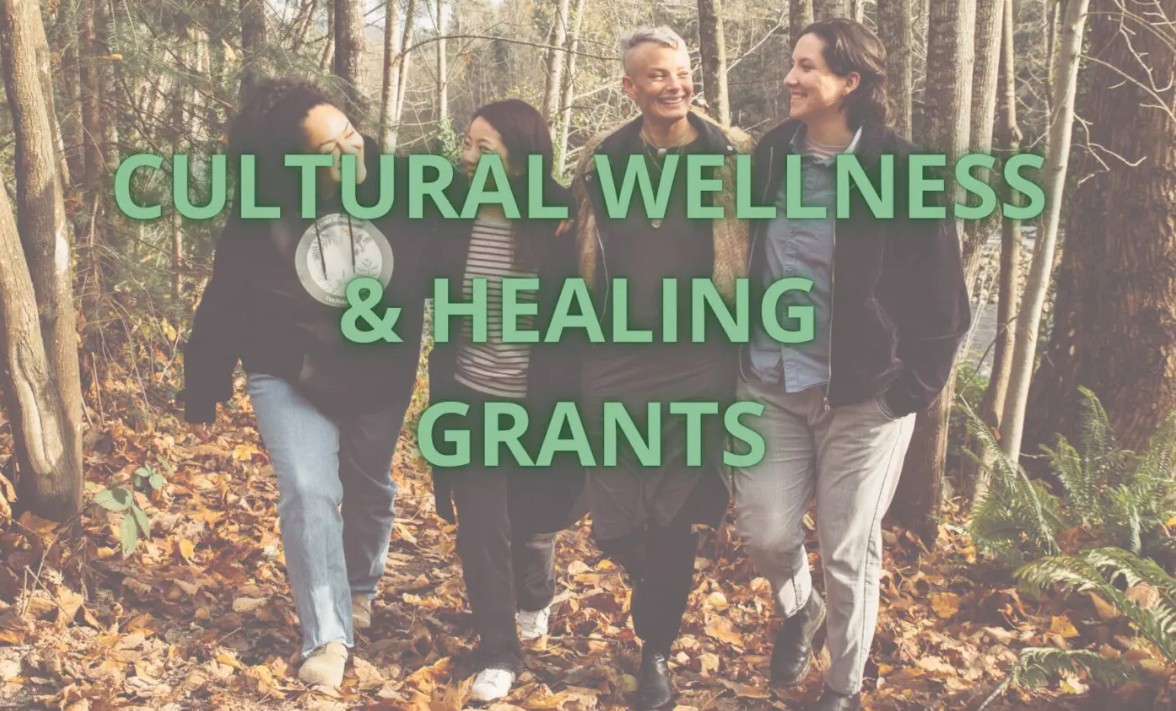
Cultural Wellness & Healing Grants: Applications Are Live |
|
The Cultural Wellness & Healing Grants provide direct, flexible funding to First Nations communities and Urban and Away-from-Home (UAH) populations across British Columbia to support community-defined approaches to healing, wellness, and well-being.
The grants are funded by the CMA Foundation, which provides impactful charitable giving to registered Canadian charities and qualified donees to improve health equity and further excellence in health care. The grants will be administered by the First Nations Health Foundation and each of BC’s 203 First Nations and UAH population in each of the five FNHA health regions are invited to apply.
|
|
Youth invited to apply for Harm Reduction Award |
|
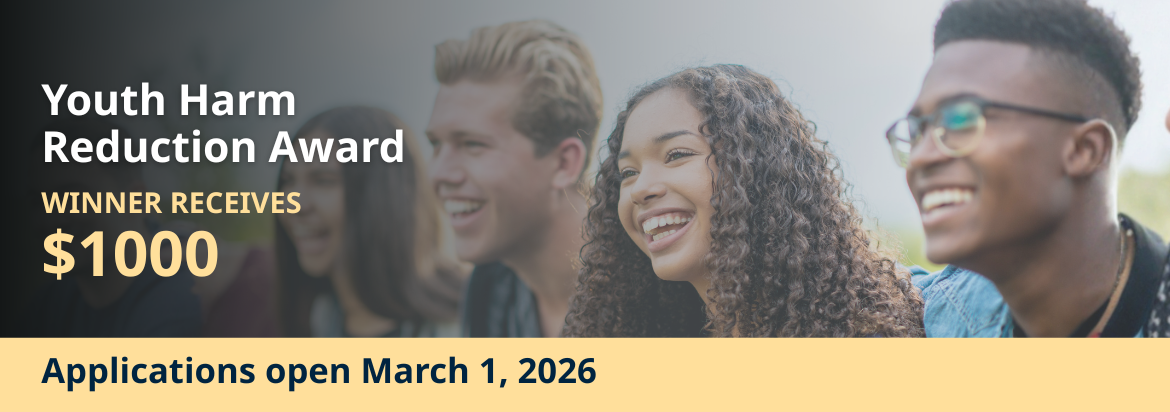
Are you a youth or do you know one who is passionate about harm reduction and reducing harms related to substances? The annual Island Health Youth Harm Reduction Award recognizes young people who have worked on a harm reduction project related to substances ranging from alcohol and nicotine to unregulated drugs.
Winners receive $1,000 (total) and a framed certificate. Applications are being accepted through April 15. Applicants must be under 19 and live in the Island Health region.
For more information and a registration form, please click the link below.
|
|
- Mental Health Clinician, Vancouver Island Primary Care Centre Cowichan Tribes (Cowichan Valley)
- Family Physician - Nuu-chah-nulth Primary Care Centre (?uuk?inkpanac)
- Family Physician - Pata'yi Primary Care Initiative
- Mental Health Clinician, Cowichan Valley
- Nurse Practitioner - Coast Salish FNPCC (South Vancouver Island)
- Community Health & Home Care Nurse (Gilford, Vancouver Island)
- Diabetes Nurse Leader, Oyster Bay
- Primary Care Registered Nurse (Cowichan Valley)
- Primary Care Registered Nurse - Tseycum - Saanich
- Community Coordinator, Crisis Response (Tseshaht)
- Clinical Counsellor, Mental Health and Wellness ,Stz’uminus - Ladysmith, BC
- Director, Family Based Programs and Services (Nuu-Chah-Nulth Cultural Family)
- Medical Office Assistant,Vancouver Island Primary Care Centre Cowichan Tribes (Cowichan Valley)
- Health and Wellness Specialist, Kwakwaka’wakw Cultural Family Group(Port Hardy or Quinsam, BC)
- Project Lead, Regionalization
- Wellness Navigator, Quinsam, Stz'uminus, Sidney
|
|
First Nations Health Authority
Regional Contacts |
|
|
|
|
Vice President, Vancouver Island
Regional Executive Director
Director, Regional Community Health and Wellness Services, Nuu-Chah-Nulth
Director, Regional Community Health and Wellness Services, Coast Salish
Director, Regional Community Health and Wellness Services, Kwakwaka'wakw
Regional Operations Manager
Regional Manager, Planning and Development
Acting, Regional Finance Manager
Manager, Community Engagement:
Community Engagement Coordinators:
- Coast Salish:
- Nuu-chah-nulth:
- Kwakwaka'wakw:
Urban and Away from Home Coordinator
Regional Communication Generalist
Quality and Safety Analyst
Senior Advisor Cultural Safety and Humility
Regional Human Resources Generalist
|
|
|---|
|
|
|
|
|
Acting, Director of Nursing and Primary Care:
Communicable Disease Emergency Manager:
Community Practice Consultants:
Nurse Navigators:
|
|
|---|
|
|
|
|
|
Community Relations Representative,
Health Benefits:
Registered Dental Therapists:
- Kim Trottier, Kim.Trottier@fnha.ca (Communities: Stz’uminus, Penelakut, Dzawada’enuxw)
- Melanie Braker, Melanie.Braker@fnha.ca (Communities: Ka;’yu:’k’t’h’/Che;k’tles7et’h’,
Yuułuʔiłʔatḥ, Ahousaht, Tla-o-qui-aht, Ditidaht, Huu-ay-aht, Hupacasath, Pauquachin and Tseycum
- Angela Ransom, Angela.Ransom@fnha.ca
(Communities: Mowachaht/Muchalaht First Nation, Kwakwaka'wakw First Nations – Quatsino, Gwa’sala-Nakwaxda’xw and Kwakiutl, Dzawada̱ʼenux̱w First Nation, Liǧʷiłdax̌ʷ First Nation - We Wai Kai, Wei Wai Kum and Kwiakah and Xwémalhkwu First Nation)
|
|
|---|
|
|
|
|
|
Regional Manager Environmental Public Health Services
|
|
|---|
|
|
|
|
|
Kwakwaka’wakw Manager, Public Health & Emergency Response
Community Coordinators, Crisis Response
Regional Manager, Toxic Drug Response
|
|
|---|
|
|
|
|
|
Regional Manager, Mental Health and Wellness
Team Lead, Mental Health and Wellness
Clinical Counsellor
Social Worker
|
|
|---|
|
|
|
|
|
Regional Manager, Maternal Child and Family Health:
|
|
|---|
|
|
|
|
|
Acting, Director of Nursing and Primary Care:
|
|
|---|
|
|
Island Health – Indigenous Health, Diversity, Equity & Inclusion Portfolio Contacts |
|
|
|
|
South Island
Central Island
North Island
Cultural Safety & Humility
Indigenous Recruitment & Retention
Strategy, Partnerships & Engagement
Diversity, Equity, & Inclusion
Medical Director
|
|
|---|
|
|
| |
|
 | |
|  |
|
|
|
|