News Updates
December 22nd, 2025 |
|
|
|
|
Greetings respected Vancouver Island First Nations Leadership;
Welcome to our VI Regional e-newsletter. This newsletter will highlight updates for the Vancouver Island region from the FNHA, Island Health, Government of BC, Government of Canada, alongside many other partners.
In today's edition you will find:
|
|
|---|
|
|
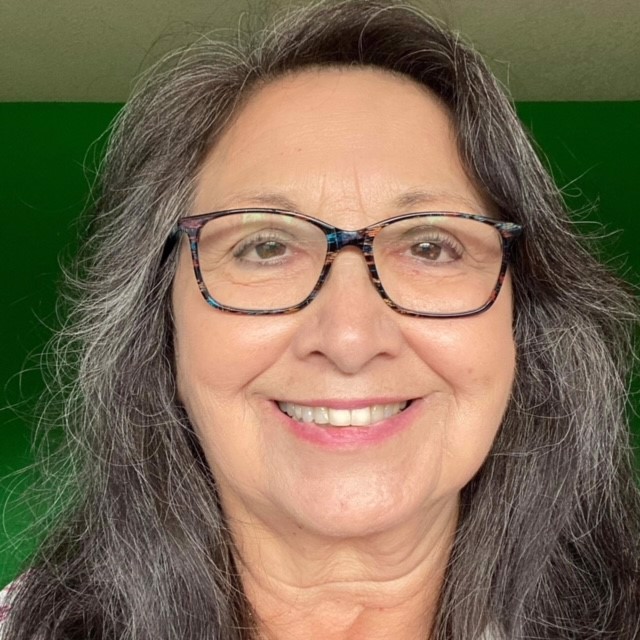
Welcome to Joanne Van Engelsdorp: Joining the Vancouver Island Regional team in the term role of Coast Salish Nurse Navigator |
|
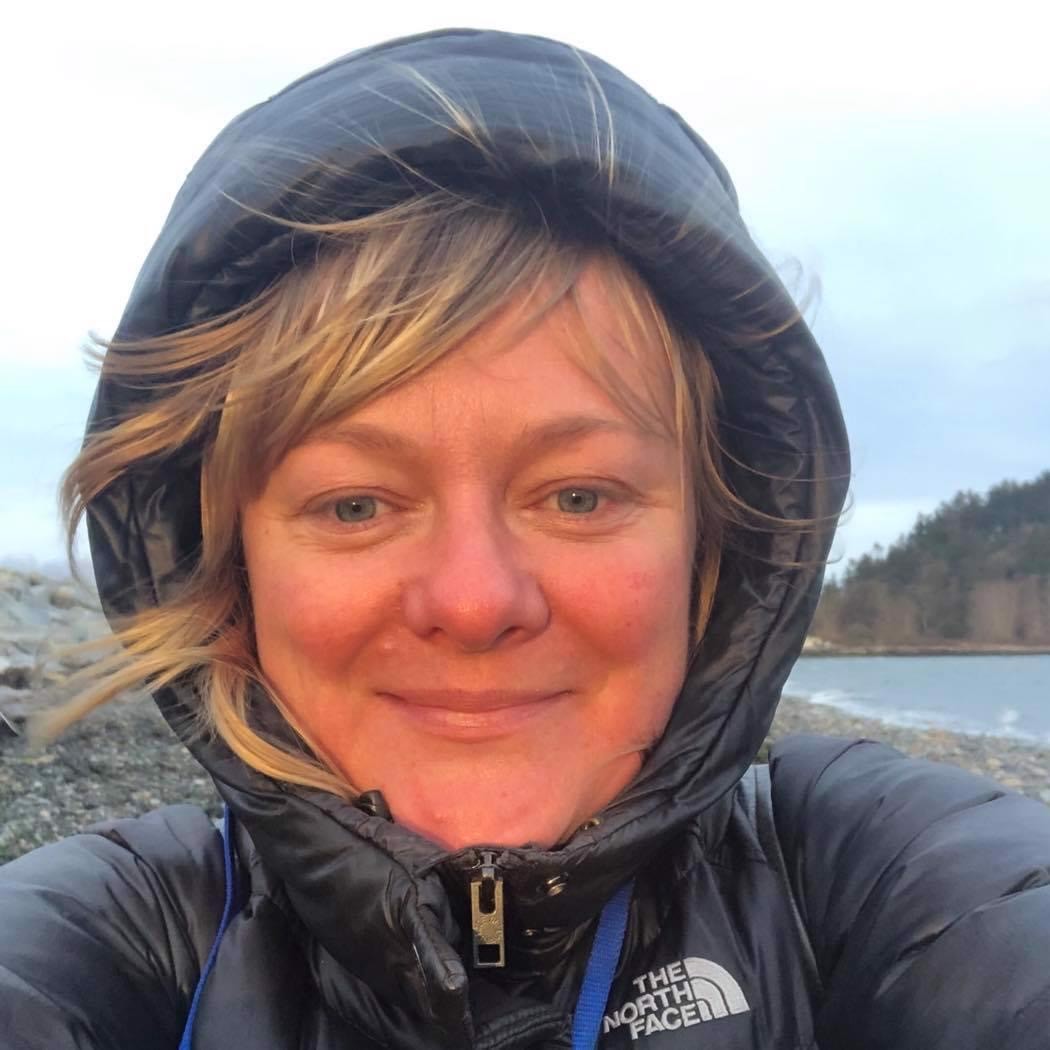
‘Uy’ skweyul (Good day)! My name is Joanne Van Engelsdorp and I am a First-Generation Dutch settler. I grew up on the territory of the Anishinaabe people and was blessed to have been brought up with a close connection to the land and lakes of Ontario. Some of my earliest memories are of when my parents would pack myself and my two brothers into canoes for weeks on end.
Most of my Nursing experience as a Licensed Practical Nurse has been with the beautiful Stl’atl’imx communities North of Whistler/Pemberton. I have worked various positions, ranging from a solo Home Care/Foot Care Nurse two hours down a logging road, to Home Care Nurse Supervisor with a larger team for the Lil’Wat Nation. These past five years I have been working in collaboration with Tillicum Lelum and Island Health as the Indigenous Liaison Nurse in Nanaimo Hospital.
I am so very honoured to be living on this Coast Salish land and working on the Stz’uminus territory. Grateful to be welcomed onto the First Nations Health Authority team as Nurse Navigator for the Coast Salish region.
My true passion is bringing people together and holding the hands of those willing, on their health journey. It is my hope to grow and learn more from all of you, upholding the Indigenous ways of knowing.
FNHA Contact: Joanne.VanEngelsdorp@fnha.ca
|
|
Have a healthy, happy holiday season! |
|
The holiday season is often seen as a time of joyful gatherings with family, friends, and community. While that may be true for some, it isn’t everyone’s experience. To help nurture wellness, FNHA is offering tips to stay grounded, strengthen connections, and care for your mental health during this time.
|
|
|
Diabetes Awareness Month: Education is for everyone |
|
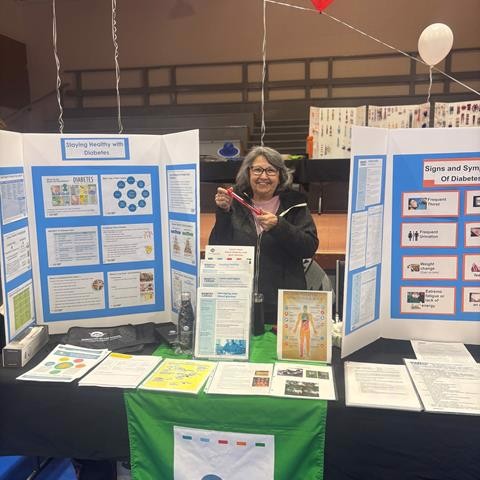
Indigenous Diabetes Educator and Elder Matilda Atleo leads with compassion and care
Elder Matilda Atleo is an Indigenous Diabetes Educator at FNHA. She is originally from her mother's community, Xaxlip First Nation, and is a member of the Tseshaht First Nation. She has lived in Port Alberni for the last 43 years, where she works as a diabetes educator.
“Make health a priority." Those are the words of wisdom from respected Elder Matilda Atleo for Diabetes Awareness Month, a message rooted in her decades of experience and compassion in working with diabetes.
Matilda's journey into diabetes care and education began with her late husband, George Watts. When George was diagnosed, she learned firsthand the challenges families face. After he passed from complications, Matilda returned to school to become certified in Diabetes Prevention and Holistic Nutrition. Her commitment to diabetes health promotion led her to work with Nuu-chah-nulth Tribal Council Nursing Services for 20 years before joining FNHA as an Indigenous Diabetes Educator in 2023.
|
|
For Matilda, diabetes care goes far beyond the food and numbers; it's about wholistic wellness.
“When we look at individual health, we have to look at their overall wholistic wellness —not just looking at what they had for breakfast, really looking at how they're doing," she shares.
After more than two decades in health promotion and diabetes education, Matilda sees a gap in public awareness. She says education is needed for everyone, not just people currently living with diabetes. Learning how you can support your loved one living with diabetes is important, as well as knowing what steps you can take to protect your own health.
“Individuals are not getting the education that they need," she explains. “People are told 'You have diabetes, here is your prescription.' So, there's a real need for education."
Matilda adds that receiving a diabetes diagnosis can be overwhelming.
“I tell people, 'It's not your fault. It's things that have happened in the history'."
Available diabetes information often overlooks the ongoing impacts of colonialism. Access to food, culturally safe care and mental health support are all significant factors in diabetes care and management.
The challenges that First Nations people experience with diabetes care are why Matilda believes a more wholistic approach to diabetes care is necessary.
“I always start with 'how are you?' You have to listen to people. Let them share their story."
In 2024, Matilda co-facilitated pilot sessions of FNHA's new community-based diabetes education series and toolkit: Honour Your Strength. She found that these sessions made space for important conversations and allowed people to be heard.
Early detection is key to living well with diabetes. Knowing the signs and symptoms is helpful, but you may not experience any, which is why regular screening is extremely important.
|
|
Marking a milestone: The dual name of Cowichan’s new hospital |
|
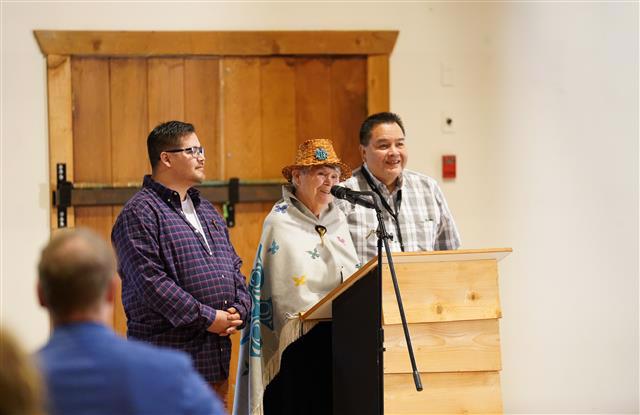
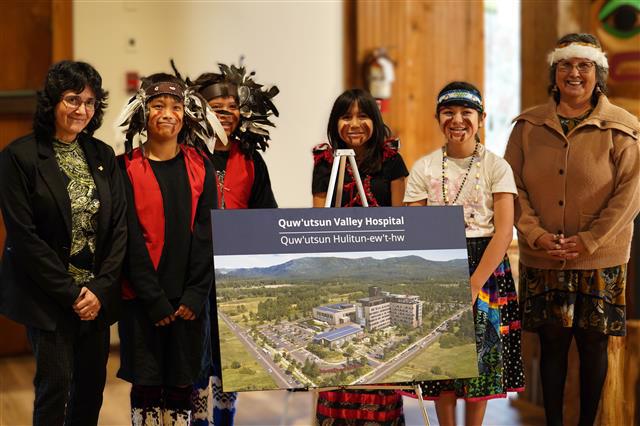
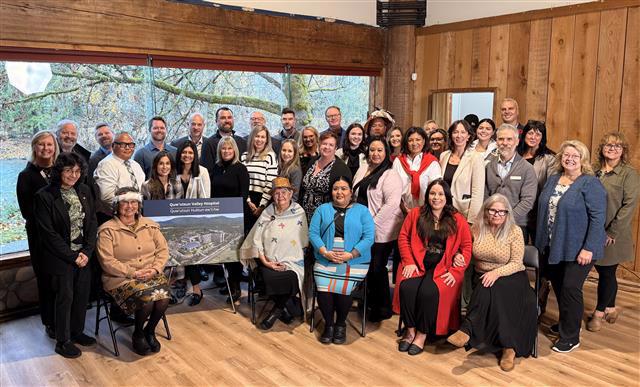
A name can carry a story, a teaching and a vision for the future. On Nov. 12, that vision came to life as Cowichan’s new hospital was gifted a name that speaks to healing and hope: Quw’utsun Hulitun-ew’t-hw alongside its English name, Quw’utsun Valley Hospital.
The Hul’q’umi’num’ name, meaning Cowichan place of giving life, was gifted to the project by the Cowichan Tribes S-ul’hween Language Committee through the Hul’q’umi’num’ and Snuw’uy’ulh Advisory. It honours the language, teachings and wholistic healing traditions of the Quw’utsun Peoples and reflects the community’s vision for a hospital grounded in cultural safety, compassion and respect.
|
|
“Our Elders have gifted the new hospital with an important name that offers a new way forward when it comes to our peoples’ experiences with healthcare facilities,” said Chief Cindy Daniels of Cowichan Tribes. “It is our hope that this dual name will not only welcome and comfort all people who seek care here but also inspire and support the medical professionals and staff who provide that care.”
The ceremony featured prayers, teachings, and cultural performances by local youth, who danced and sang in honour of their ancestors and future generations. Elders and speakers shared reflections on language revitalization, relationship-building and the responsibility to create spaces where First Nations, Métis and Inuit Peoples feel safe and respected.
|
|
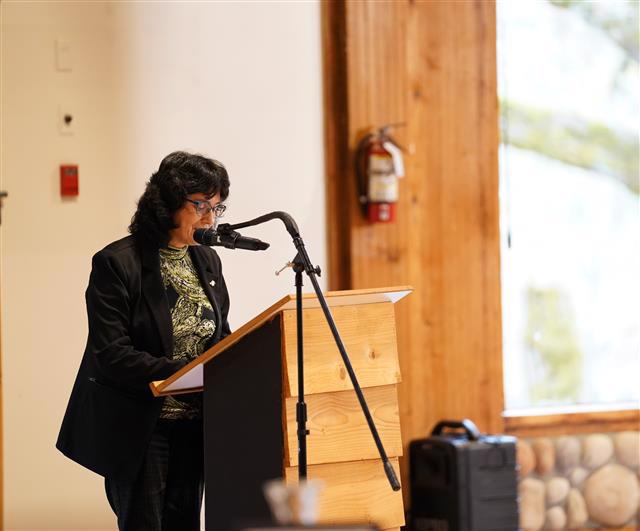
Minister of Health Josie Osborne highlighted the significance of this moment in the journey toward opening the new hospital, saying, “The Indigenous naming of this facility brings us another step closer to opening its doors and reminds us that health care is strongest when it honours community, wellness, and traditional knowledge.”
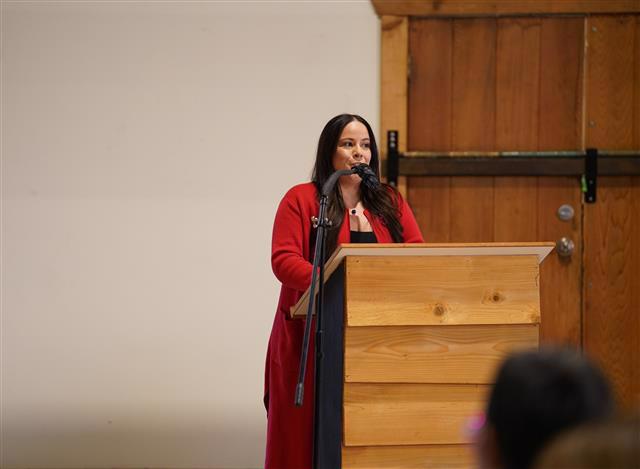
Krista Joseph spoke on behalf of the First Nations Health Authority’s Vancouver Island regional team during the event, emphasizing the importance of cultural safety and partnership in health care transformation.
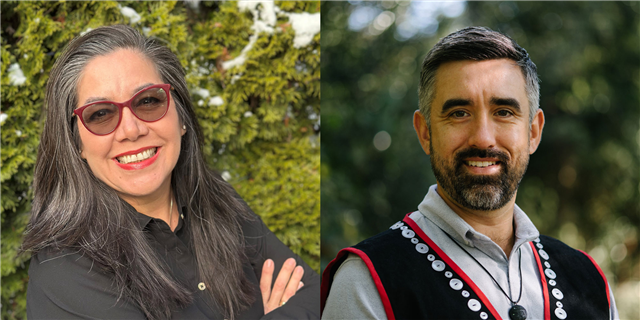
“We raise our hands to all those who have led this work with heart and determination. The naming of Quw’utsun Hulitun-ew’t-hw is a meaningful step forward—one that reflects the strength of community leadership and the shared commitment to culturally safe, dignified care,” said Brennan MacDonald, Vice President, Vancouver Island Region, FNHA.
|
|
As construction moves toward completion, Quw’utsun Hulitun-ew’t-hw / Quw’utsun Valley Hospital stands as a shared commitment to a future where care, culture, language and land are woven together in a place of giving life.
Watch this video celebrating the Hul’q’umi’num’ language and featuring community voices, including two of our staff members in the link below.
|
|
Quinsam Hosts a Heartwarming FNHA Holiday Gathering in Campbell River |
|
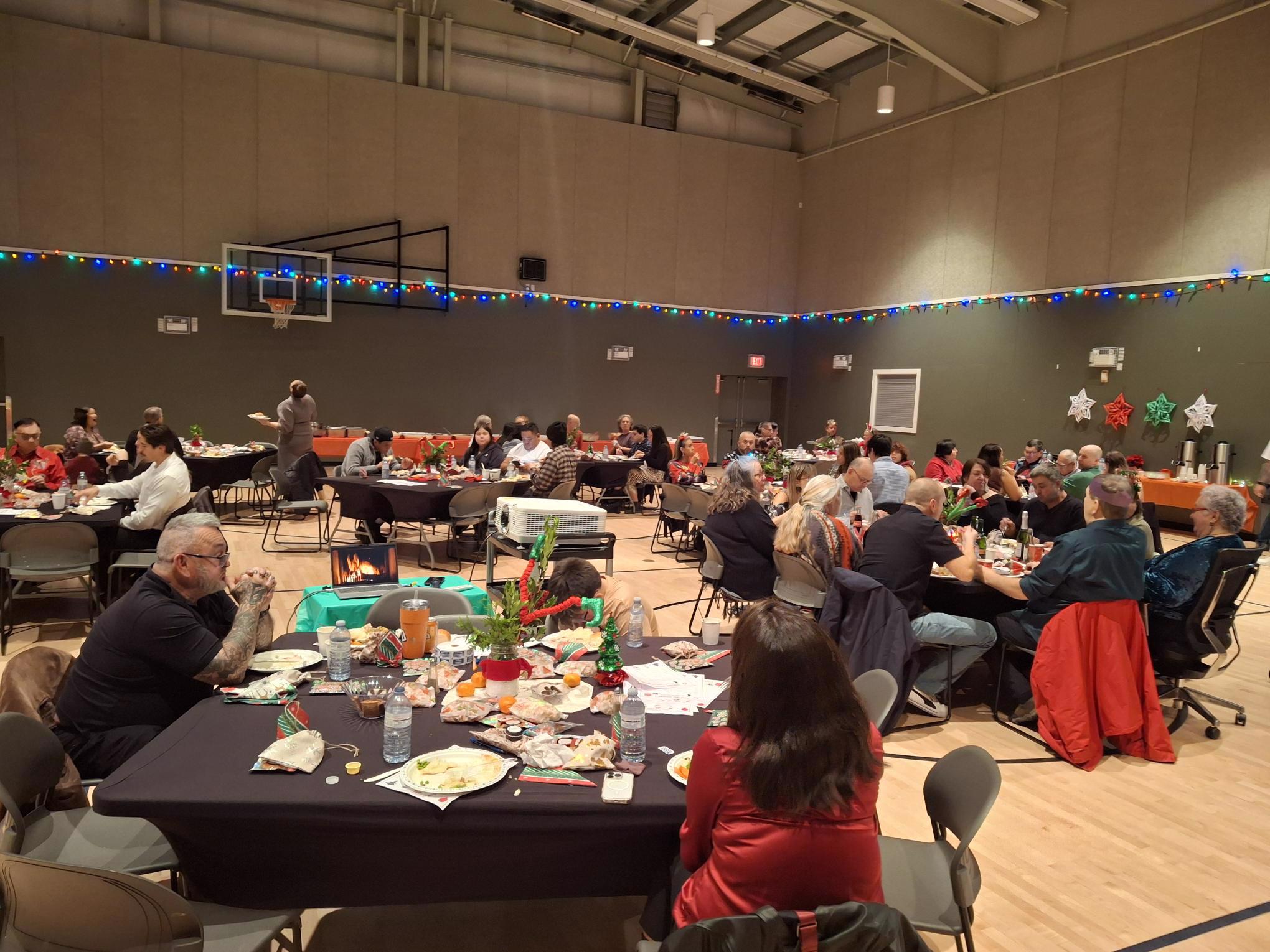
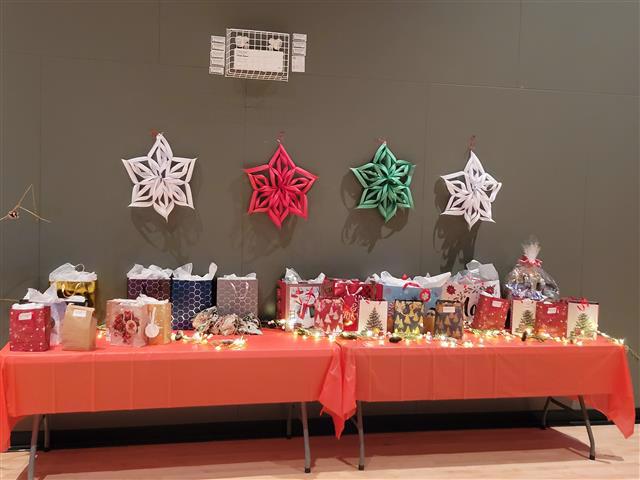
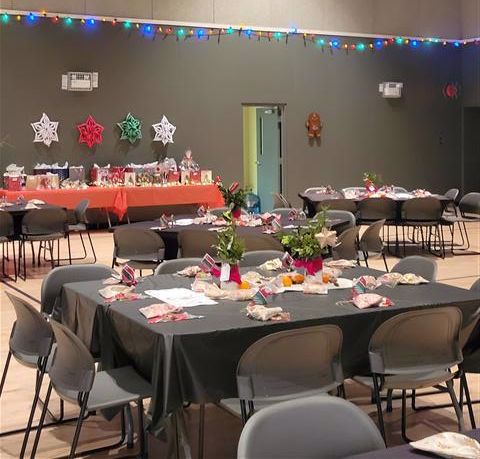
The holiday spirit was alive and well at the Quinsam office in Campbell River, where staff came together for a festive gathering filled with warmth, connection and plenty of laughter. With the hall beautifully decorated by the Quinsam team, the space felt welcoming and full of seasonal cheer. Thoughtful details such as handmade centerpieces, holiday treats, a decorated family giveaway tree, and a stunning floral display at the front, reflected the creativity and care that the team poured into bringing this celebration to life.
|
|
One of the biggest hits of the afternoon was the hot chocolate table, complete with crushed candy canes, M&Ms and mini marshmallows. It quickly became a gathering spot for big and small children alike and even inspired a few adults to craft their own festive mochas. The holiday feast, prepared by Ronnie Chickite and family, was another highlight, featuring turkey, ham and an array of sides that brought everyone around the table. A spread of desserts ensured no one left without something sweet.
|
|
The event also offered a meaningful moment to honour Executive Director Eunice Joe for her ongoing leadership and commitment to the Vancouver Island Region. Staff gathered to celebrate her many contributions and to send warm wishes as she begins a new chapter with the provincial office. While she isn’t going far, her presence in the region will be truly missed.
|
|
Honouring Healthcare with Hope and Gratitude |
|
On Tseshaht and Hupacasath Territory, a meaningful gathering took place at West Coast General Hospital, where community members came together to show appreciation for doctors, nurses, and healthcare staff during a time of ICU diversion and staffing pressures.
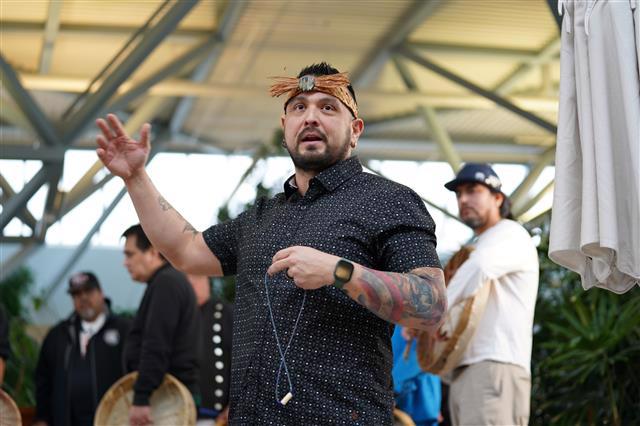
The gathering unfolded as a shared expression of song, drumming, and dance, with men singing and drumming and women dancing as teachings from Tseshaht, Hupacasath, Uchucklesaht, and Huu-ay-aht were shared. Together, the songs and dances reflected connection across families and Nations, and the strength of culture carried collectively.
“In our way, we believe in holding people up. One of the best ways we do that is through our culture, through our language, through our song, and through our dance", said Ken Watts.
|
|
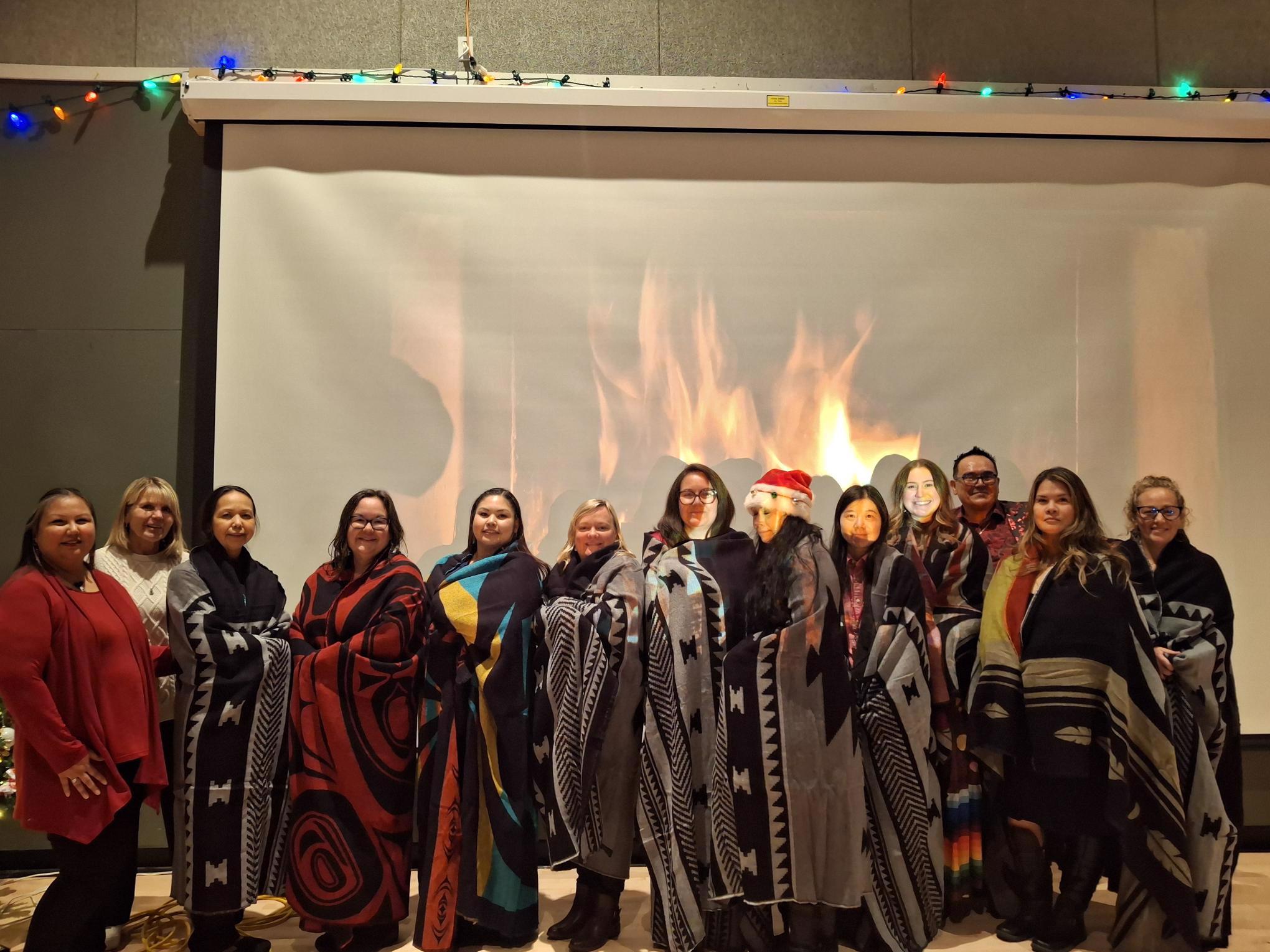
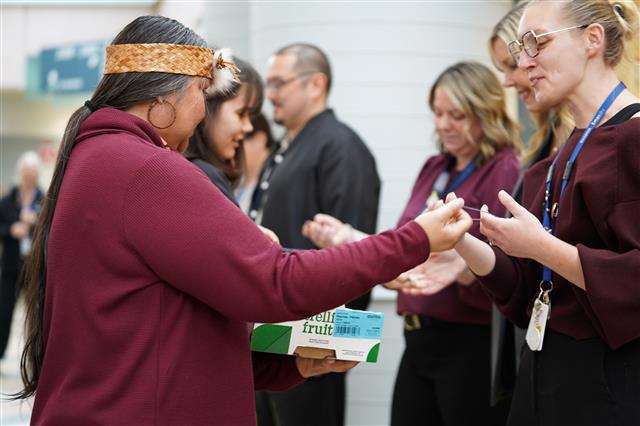
Healthcare staff received devil’s club necklaces, along with shirts and blankets, as symbols of protection, care, and appreciation.
|
|
The holidays are here, but so is the flu |
|
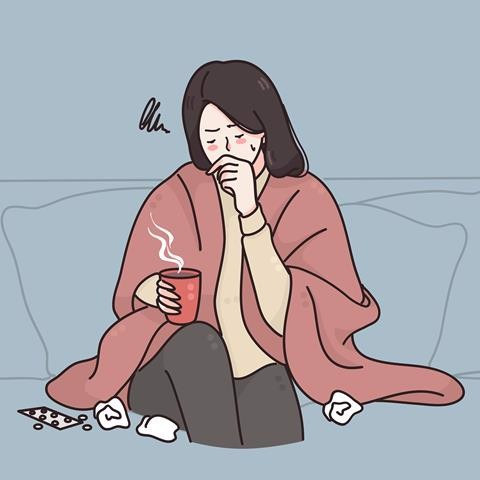
‘Tis the season to be jolly – but it’s also flu season. As health care professionals serving First Nations people in BC, we want to share some simple steps to help you and your loved ones enjoy the holidays.
|
|
Applications open for ‘What’s Your Tobacco’ funding grants |
|
Hello Health Directors & Health Teams,
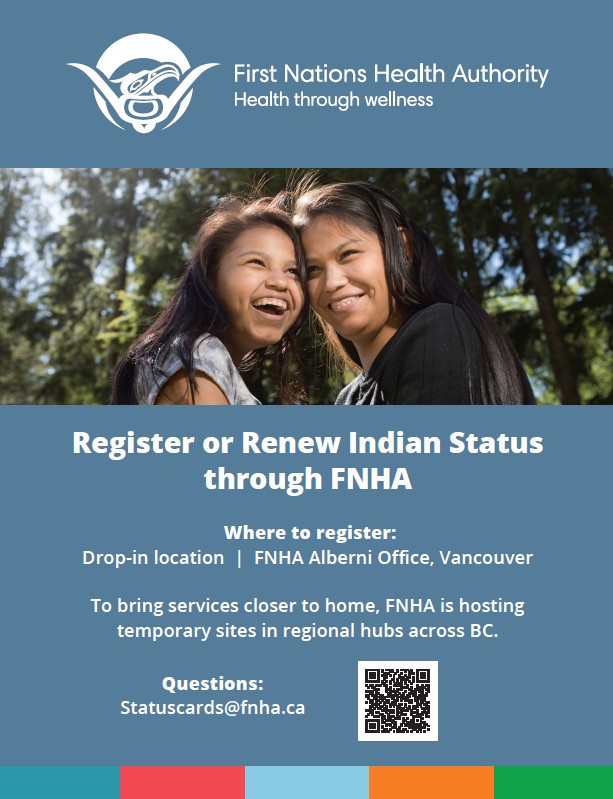
The First Nations Health Authority (FNHA) and Indigenous Services Canada (ISC) are partnering to make it easier for First Nations people in BC to register for Indian Status and apply for a Secure Certificate of Indian Status (SCIS) card. Registration will be available at a permanent Vancouver location and through temporary community sites in regional hubs across BC. All locations are designed to be culturally safe, welcoming, and easy to access.
Through this program you can:
• Apply to register for status under the Indian Act
• Apply for a SCIS card or to renew your SCIS card if already registered
Indian Act Registration
Indian act registration confirms your legal standing and eligibility for certain benefits, rights, programs and services under Canada's Indian Act; for example, education, tax exemptions in specific situations, and non-insured health benefits. To find out more about what is available to you as a registered person, visit Indigenous peoples on the Government of Canada website. Registration can take six months to two years, depending on file complexity and any genealogical research needed.
Registration under the Indian Act is not the same as applying for a status card and must be done separately.
Status Card
Your status card is a federal identity document that confirms you are registered under the Indian Act. There are two versions: SCIS (secure status card) and Certificate of Indian Status (laminated status card). Processing time for a SCIS card if you are registered is about eight to 12 weeks. You will need to be registered before you receive a status card, but you can apply to be registered under the Indian Act and apply for the SCIS card at the same time.
Where to Register
Vancouver location: Visit our Vancouver location in person (Suite 700 – 1166 Alberni St, Vancouver, BC V6E 3Z3) to get help with registration and SCIS applications. Staff will support you through each step and answer any questions you may have.
Hours of operation are Monday to Friday from 8:00 a.m. – 4:00 p.m. The office will be closed on statutory holidays.
Temporary Community locations to bring services closer to home, FNHA is hosting temporary sites in regional hubs across BC. Information on location and dates will be available soon.
What you will need to register at FNHA:
Bring your original birth certificate showing parental information in addition to original valid identification that is issued by a federal, provincial, territorial or state government authority, that has not expired, along with any supporting documents if needed. If you have already started an application with ISC, bring any reference numbers or letters you received.
Accessibility and Cultural Safety
FNHA is committed to providing access to culturally safe services for First Nations people. All sites aim to provide a calm, respectful experience. Spaces include seating for Elders and families, and private areas for sensitive conversations. If you have questions or need help preparing your documents, contact our team at statuscards@fnha.ca
Please share this with your teams, and for updates and information, please visit our website: https://www.fnha.ca/benefits/eligibility/status-registration
Please find attached the Status Card Poster (image above) and Info Sheet (link below) for your records and distribution.
|
|
“Reclaiming Your Wellness Month” wraps up, but your health and wellness journey continues |
|
A message from Monica McAlduff, FNHA Chief Executive Officer; and Dr. Kelsey Louie, FNHA Acting Chief Medical Officer
We want to thank all the First Nations people in BC who participated in the FNHA's “Reclaiming Your Wellness Month," formerly “Sober for October." For those who drink alcohol, taking the time to reflect on your personal relationship with it is an important step toward improving your overall health and wellness.
Whether your choice this month was to be more mindful of your drinking, to drink less or more safely, or to stop drinking altogether, choosing to reflect on something that affects your health is always a good thing.
We hope that your participation in Reclaiming Your Wellness Month helped increase your awareness of your alcohol use and its effects, and made you feel more comfortable discussing alcohol with others. We also hope you took the time to notice any changes in your well-being, mood, and overall health and wellness.
|
|
FNHA health benefits support for clients and providers during flooding |
|
Following record breaking rainfall Southern regions of British Columbia are experiencing flooding. For those affected, FNHA Health Benefits is committed to ensuring clients maintain access to essential health benefits and support during emergency situations and evacuations.
|
|
Medical Transportation Benefit Updates |
|
FNHA is committed to improving the quality and responsiveness of its programs and services to support First Nations people on their health and wellness journeys. As part of this ongoing commitment, FNHA is updating meal rates, the commercial accommodation rate guide, and removing certain exception requirements under the Medical Transportation Benefit.
|
|
HIV is still here: How an Indigenous-led nonprofit supports communities |
|
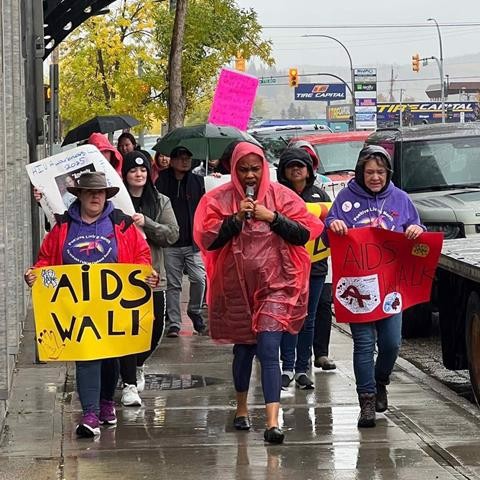
Indigenous AIDS Awareness Week, held annually Dec. 1-7, shines a light on individuals, families and communities living with HIV. To bring broader awareness to HIV prevention, testing and treatment, FNHA is highlighting the work of Positive Living North: No khe̅yoh t’sih’en t’sehena Society, one of the recipients of the inaugural Community Wellness Initiative.
|
|
From knowledge to care: New webinar addresses toxic drug response |
|
Join us for a special online knowledge-sharing circle hosted by the FNHA research teams working in toxic drug response. This is an opportunity to come together, share knowledge, and learn how FNHA and First Nations communities are supporting harm reduction and our relatives who use substances.
|
|
Remote First Nations communities leading safe driving and safer roads programs |
|
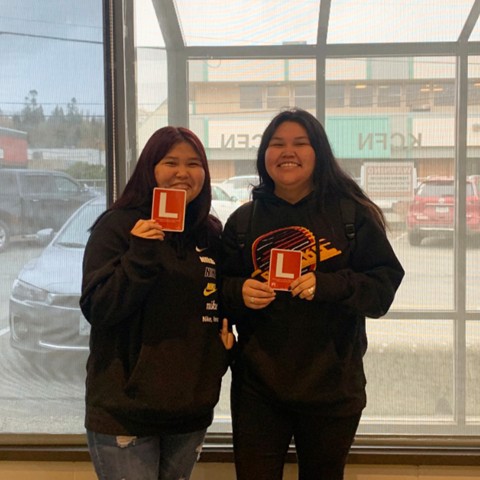
With vehicle collisions being the leading cause of death among Indigenous youth under 25, some First Nations communities in BC are proactively delivering initiatives focused on improving youth road safety. Three such initiatives include the Safe Driving Signage Project, the Sacred Circles Driver's Licensing Program and the First Nations Driver Education Program.
|
|
Applications now open for AED program |
|
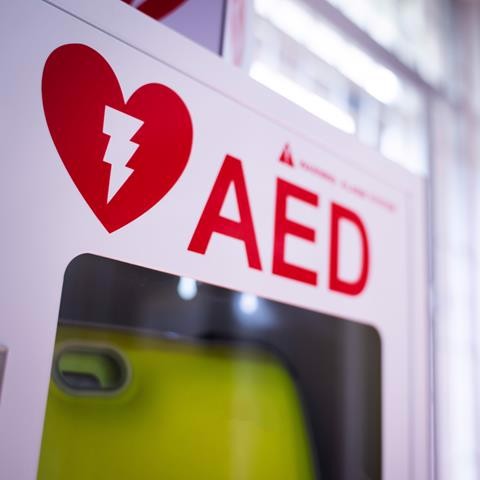
FNHA is inviting First Nations communities to apply for the Here Another Day (HAD) CPR + Automated External Defibrillator (AED) Program. Selected communities will receive AED kits, and community members will have opportunities to participate in a variety of trainings to help increase emergency response capacity.
|
|
Last chance to complete the FNHA news and website survey and enter to win a $250 gift card |
|
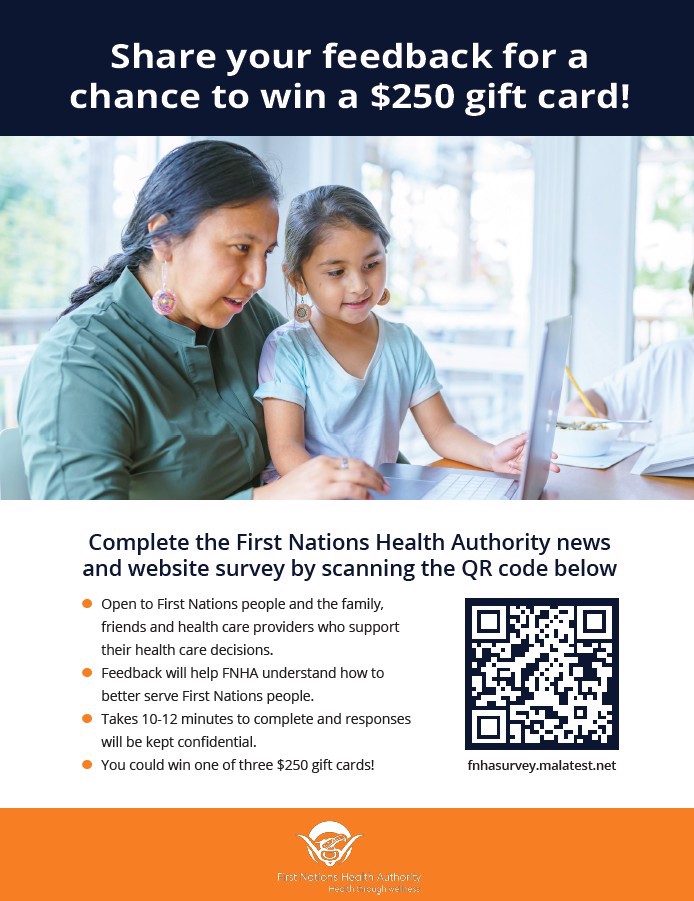
FNHA is looking for feedback from First Nations people in BC and the family, friends and health care providers who support their health care decisions. Our goal is to gather 1,000 survey responses with representation from all five health regions, and we still need 300 more.
|
|
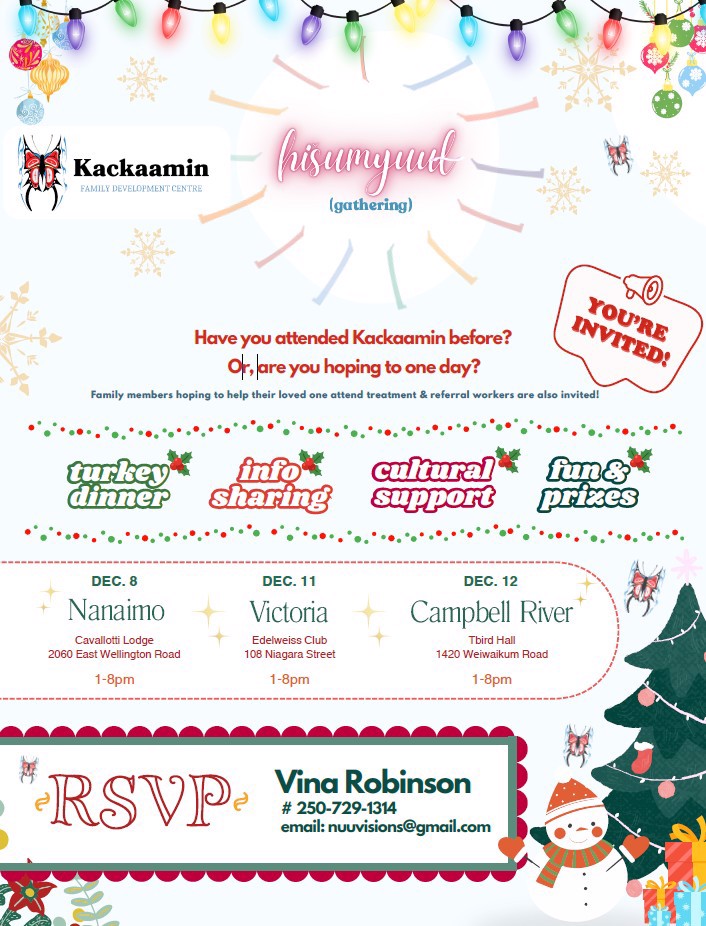
Join Kackaamin Family Development Centre in Strengthening Urban Families |
|
More locations to come in January!
|
|
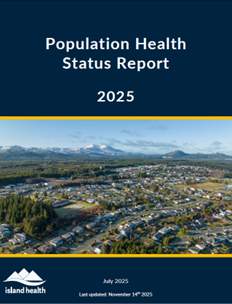
2025 Population Health Status Report highlights health gains and inequities in the Island Health region |
|
Island Health’s Chief Medical Health Officer has released the 2025 Population Health Status Report and Data Highlights.
The report and accompanying data highlights offer an in-depth look at the health of people with a focus on children and youth.
The report is intended to serve as an engagement tool to support dialogue among public health staff, clinicians, local governments, and community organizations.
|
|
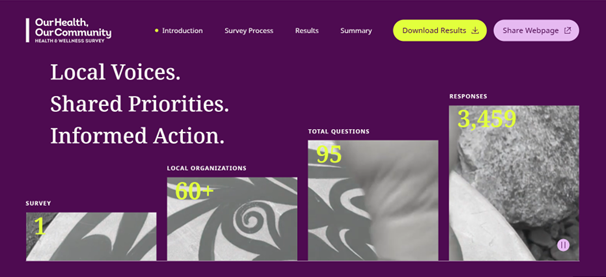
Results now available for the Our Health, Our Community survey on the Cowichan community |
|
The full results of the Our Health, Our Community survey have been analyzed and are now publicly available. We thank everyone in the Cowichan community who completed the survey and shared their health and wellness information with us.
Explore the results on the survey website. Access the aggregate survey data on the Island Health website.
Island Health and Our Cowichan Communities Health Network (CHN) partnered on the survey in June 2023. The results may help inform everything from grant writing and program planning to policy development.
|
|
Public Health Nurses Are ready to help every pregnancy journey |
|
All pregnant people are encouraged to register online for Right From the Start, free pregnancy and parenting support. Meet with an Island Health Public Health Nurse to learn together about having a healthy pregnancy and baby.
Learn more and register at the link below.
|
|
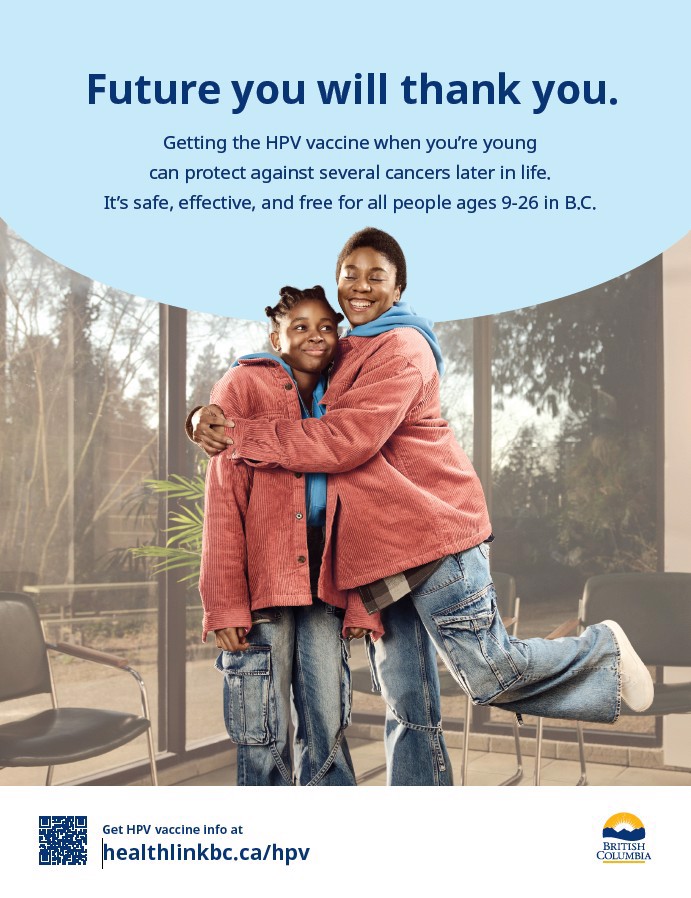
Help shape HPV immunization in B.C. and be part of efforts to create a cancer-free future for more people. The Ministry of Health and the Ministry of Citizens’ Services are inviting individuals to take part in short, virtual research sessions as part of the HPV Immunization Project—an initiative supporting B.C.’s 10-Year Cancer Action Plan.
Participants will share feedback on HPV vaccine information and services. Sessions are inclusive, accessible, and open to anyone aged 16+ as well as educators, health care providers, and community advocates.
Fill out the Expression of Interest Form in the link below to learn more.
|
|
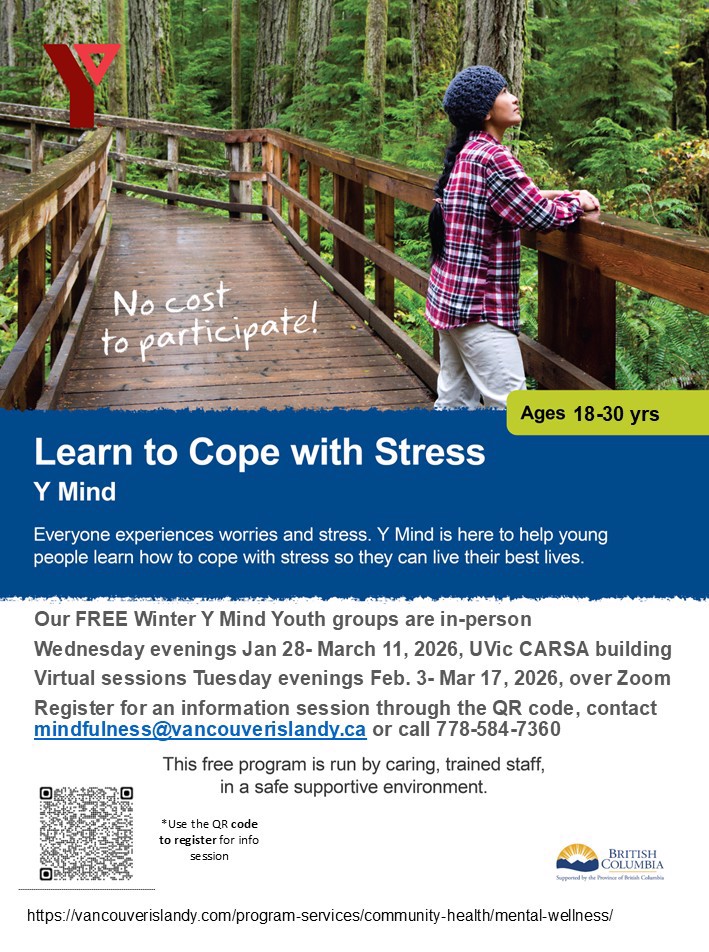
Learn to cope with stress: Y Mind Youth Program |
|
The Y Mind Youth programs are delivered in person, in Victoria. Online groups are available with enough interest or through our partner sites on Vancouver Island as well as other Y’s across BC.
If stress is impacting your life and preventing you from doing what you want or need to do, this group is for you. Y Mind Youth is a free seven-week program delivered across BC. Y Mind Youth supports people ages 18-30 who are experiencing symptoms of mild to moderate anxiety/stress to learn and practice evidence-based strategies to increase coping. This group is led by trained mental health professionals and gives young adults the chance to connect with others who are experiencing similar thoughts and feelings.
|
|
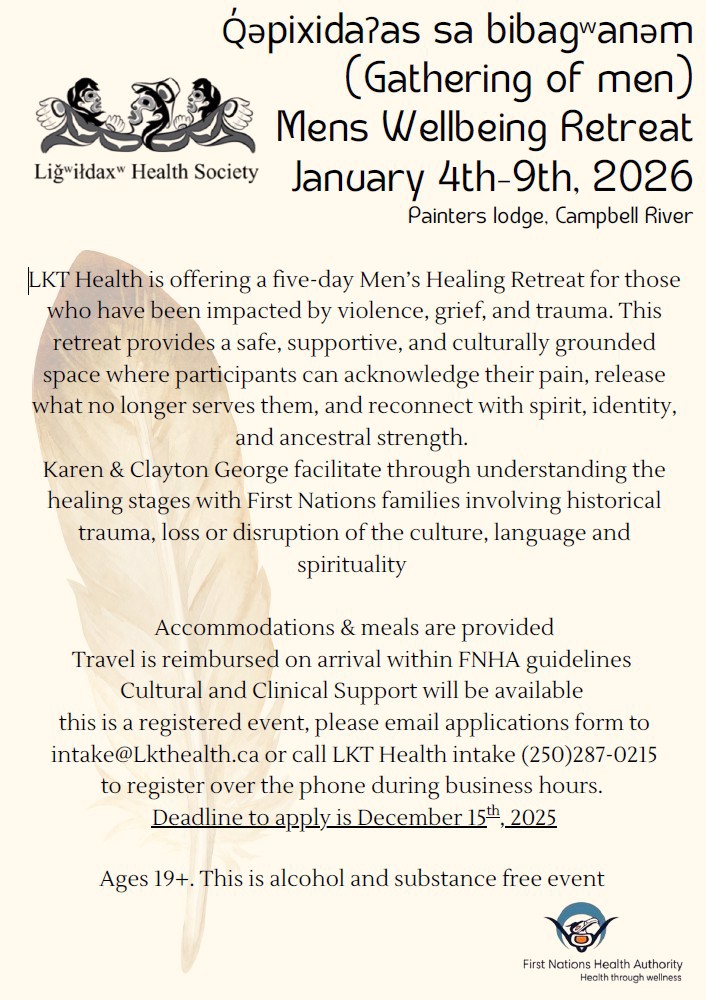
Q̓əpixidaʔas sa bibagʷanəm (Gathering of men)
Mens Wellbeing Retreat |
|
LKT Health is offering a five-day Men's Gathering Retreat for those who have been impacted by violence, grief, and trauma. This retreat provides a safe, supportive, and culturally grounded space where participants can acknowledge their pain, release what no longer serves them, and reconnect with spirit, identity, and ancestral strength.
Learn more about the gathering in the link below.
|
|
If you are a youth or youth worker looking for some online training resources, please head over to "Cuystwi" to learn more about our wellness quests for 10 to 12 year olds and 13 to 15 year olds. In addition, our sister program "Ask Auntie" has a similar quest for girls and young women ages 10 to 14.
Click the link below to learn more.
|
|
First Nations Health Authority
Regional Contacts |
|
|
|
|
Vice President, Vancouver Island
Regional Executive Director
Director, Regional Community Health and Wellness Services, Nuu-Chah-Nulth
Director, Regional Community Health and Wellness Services, Kwakwaka'wakw
Director, Regional Community Health and Wellness Services, Coast Salish
Manager, Regional Operations
Regional Manager, Planning and Development
Manager, Community Engagement:
Community Engagement Coordinators:
- Coast Salish:
- Nuu-chah-nulth:
- Kwakwaka'wakw:
Urban and Away from Home Coordinator
Regional Communication Generalist
Quality and Safety Analyst
Senior Advisor Cultural Safety and Humility
Regional Human Resources Generalist
|
|
|---|
|
|
|
|
|
Nursing Manager:
Communicable Disease Emergency Manager:
Community Practice Consultants:
Nurse Navigators:
|
|
|---|
|
|
|
|
|
Community Relations Representative,
Health Benefits:
Registered Dental Therapists:
- Kim Trottier, Kim.Trottier@fnha.ca (Communities: Stz’uminus, Penelakut, Dzawada’enuxw)
- Melanie Braker, Melanie.Braker@fnha.ca (Communities: Ka;’yu:’k’t’h’/Che;k’tles7et’h’,
Yuułuʔiłʔatḥ, Ahousaht, Tla-o-qui-aht, Ditidaht, Huu-ay-aht, Hupacasath, Pauquachin and Tseycum
- Angela Ransom, Angela.Ransom@fnha.ca
(Communities: Mowachaht/Muchalaht First Nation, Kwakwaka'wakw First Nations – Quatsino, Gwa’sala-Nakwaxda’xw and Kwakiutl, Dzawada̱ʼenux̱w First Nation, Liǧʷiłdax̌ʷ First Nation - We Wai Kai, Wei Wai Kum and Kwiakah and Xwémalhkwu First Nation)
|
|
|---|
|
|
|
|
|
Regional Manager Environmental Public Health Services
|
|
|---|
|
|
|
|
|
Kwakwaka’wakw Manager, Public Health & Emergency Response
Community Coordinators, Crisis Response
Regional Manager, Toxic Drug Response
|
|
|---|
|
|
|
|
|
Regional Manager, Mental Health and Wellness
Team Lead, Mental Health and Wellness
Clinical Counsellor
Social Worker
|
|
|---|
|
|
|
|
|
Regional Manager, Maternal Child and Family Health:
|
|
|---|
|
|
|
|
|
Regional Manager, Primary Care:
Primary Care Project Manager:
Traditional Wellness Specialist:
|
|
|---|
|
|
Island Health – Indigenous Health, Diversity, Equity & Inclusion Portfolio Contacts |
|
|
|
|
South Island
Central Island
North Island
Cultural Safety & Humility
Indigenous Recruitment & Retention
Strategy, Partnerships & Engagement
Diversity, Equity, & Inclusion
Medical Director
|
|
|---|
|
|
| |
|
 | |
|  |
|
|
|
|