News Updates
July 15th, 2024 |
|
|
|
|
Greetings respected Vancouver Island First Nations Leadership;
Welcome to our VI Regional e-newsletter. This newsletter will highlight updates for the Vancouver Island region from the FNHA, Island Health, Government of BC, Government of Canada, alongside many other partners.
In today's edition you will find:
|
|
|---|
|
|
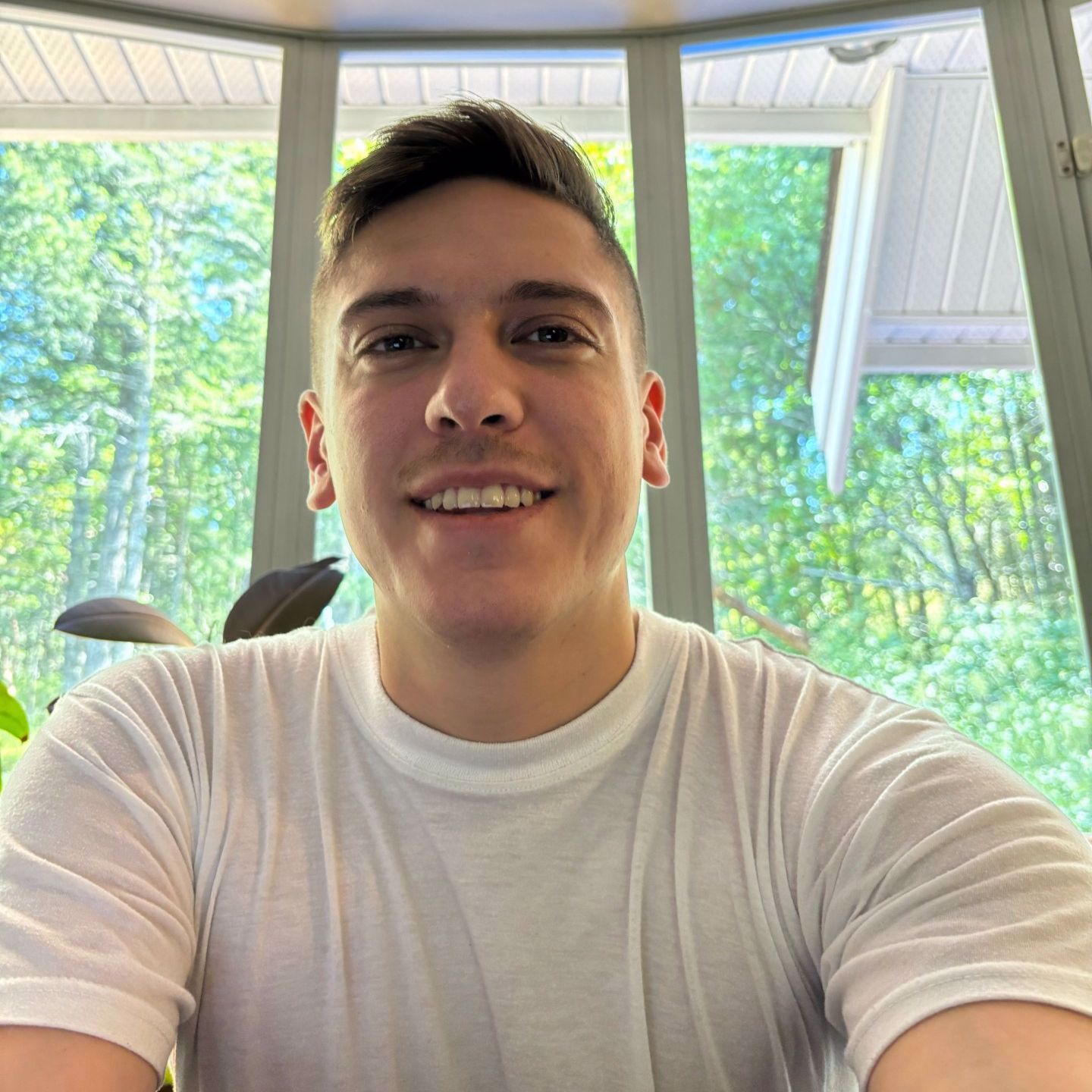
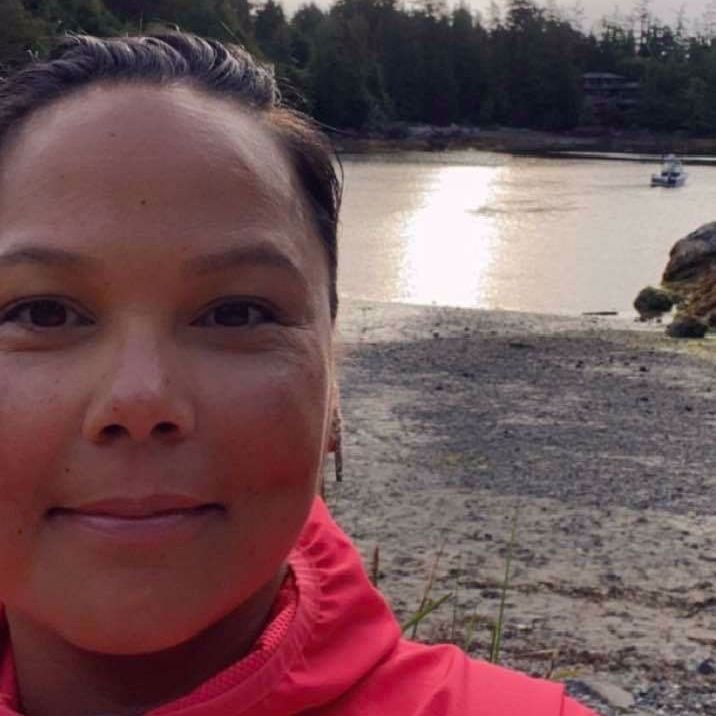
The FNHA Vancouver Island team welcomes Boaz Harris as part of the Indigenous Student Program at FNHA, positioned with the Regional Diabetes Strategy Team |
|
My name is Boaz Harris, and I am a member of Snuneymuxw First Nation. I am grateful visitor on Sc’ianew Territory (Beecher Bay) in Metchosin, where I currently live. I am part of the Indigenous Student Program at FNHA, positioned with the Regional Diabetes Strategy Team for Vancouver Island.
I have a diploma in Health and Wellness, and I am completing my Kinesiology degree at Camosun College, on pace to graduate with my bachelor’s degree in the spring of 2025. Kinesiology has helped me in both my personal and professional life, as I have been able to apply the health methods that I have learned to my own fitness goals and help others around me. I have studied how to manage chronic diseases through movement and prescribe exercise for people in all walks of life. I feel extremely fortunate to secure a position with FNHA that gives me the opportunity to develop my skillset through work experience.
Health and wellness are very important to me, as I have been active in sport and athletics since I was young. Living in Victoria, my way of staying connected with the community has been through Native soccer. I have played with NIFA, Songhees Falcons and Penelakut Thunder over the last ten years, and I have travelled to Hawaii and around the Island for tournaments. This job is a great opportunity to expand my knowledge, work with community, and learn how to operate within the First Nations Health Authority. I look forward to making new connections and growing in a professional setting. I hope that I can use my skillset to improve the health of Indigenous people around the Island.
FNHA Contact: Boaz.Harris@fnha.ca
|
|
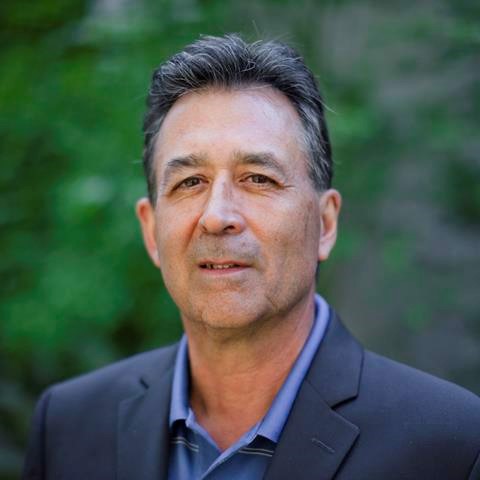
The FNHA Vancouver Island team welcomes Darcey Bouvier as the Community Engagement Coordinator, Kwak'waka'wakw Family |
|
I would like to start by acknowledging that I am honoured to live and work on the traditional, unceeded territory of the Kwakuitl First Nations.
I am the Great Grand Daughter of Chief Richard (Nagadzi) Mountain and Louisa Joseph. My Grandmother was the late Mary (Na’Na) Bee Mountain, and I was gifted at birth by Darlene (Bee) Blair to the most amazing parents, Ken and Jane Hutton who raised my brother and I in Port Alberni. I was raised away from our Kwakwaka’wakw traditions, so I am new to learning our culture, language and history; in addition to my Mountain and Bee families. I am beyond grateful for the opportunity to work the for the First Nations Health Authority as the new Community Engagement Coordinator for the Kwakwakw’wakw family in the North Island and I look forward to the amazing learning journey ahead of me and to connecting and meeting all the amazing new people along the way! Gilaks’la!
FNHA Contact: Darcey.Bouvier@fnha.ca
|
|
Mental Wellness and Counselling program updates |
|
Effective July 1, the First Nations Health Benefits and Services is updating existing pre-determinations to align with recent Mental Wellness and Counselling program changes. Learn more about the updates and next steps at the link below.
FNHA Contact: Joely.Fulcher@fnha.ca
|
|
|
FNHA CEO Richard Jock has informed the FNHA Board of Directors that he intends to retire from the CEO position. Richard joined the FNHA in 2013 and has been CEO since 2019. He'll stay in his role until the board recruits a new CEO.
FNHA Contact: Joely.Fulcher@fnha.ca
|
|
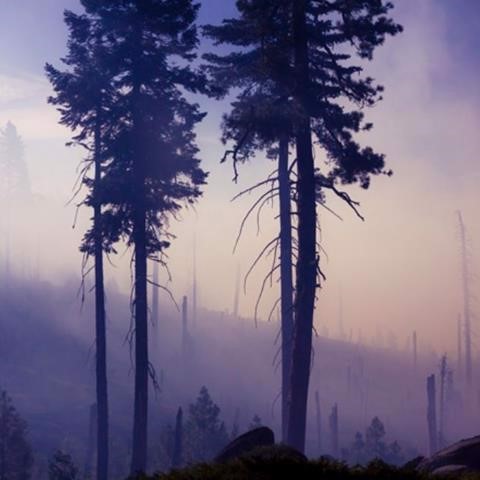
Heat warnings across the province
|
|
High temperatures can be dangerous and it's important to know the signs of heat-related illnesses. The very young, very old and people with health conditions are the most vulnerable. Learn where high temperatures are forecasted and how to protect yourself and your loved ones. Elevated temperatures are expected and there is a moderate risk to public health.
Watch for the effects of heat illness: heavy sweating, rash, cramps, fainting, high body temperature and the worsening of some health conditions.
Never leave susceptible people, particularly children, or pets inside a parked vehicle.
If you are in an overheated area, seek a cool place such as a tree-shaded area, splash pad, misting station, or air-conditioned spot like a public building.
To get more information:
Environment Canada and local Medical Health Officers expect an increase in health and safety risks from heat and are advising the public to take precautions.
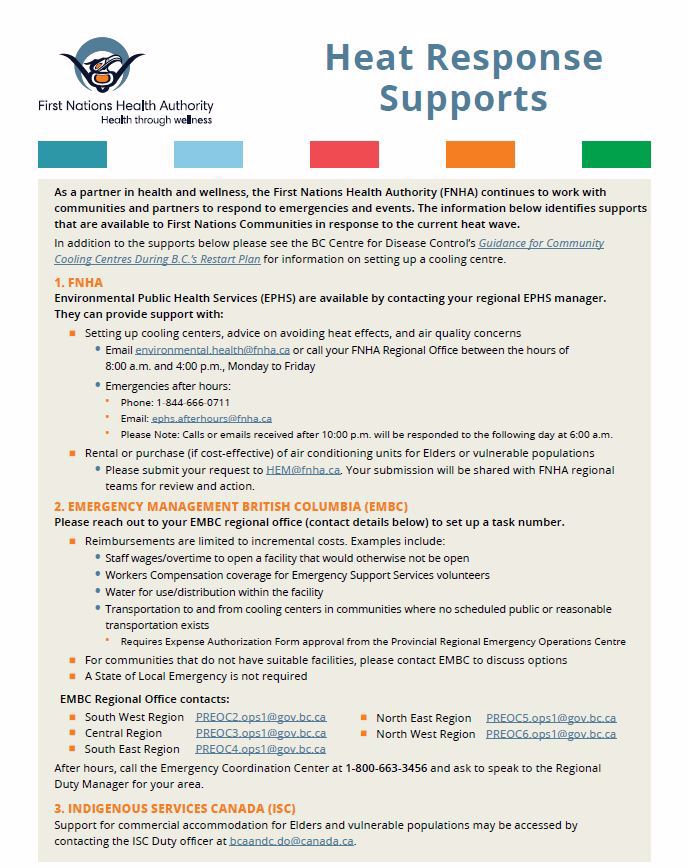
If you wish to click the links shared in the Heat Supports resource shown here, please click below.
FNHA Contact: Joely.Fulcher@fnha.ca
|
|
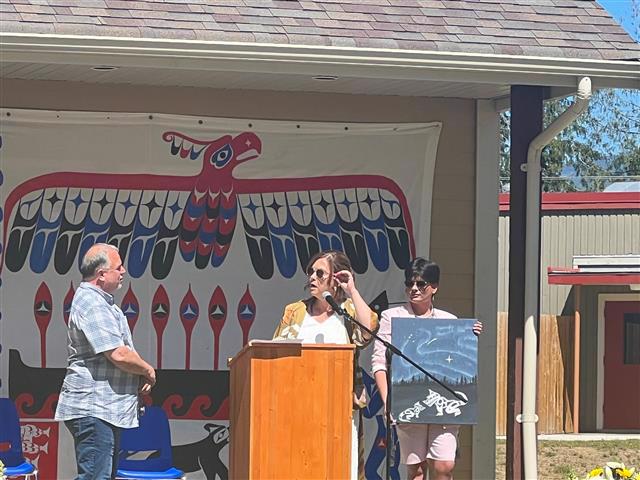
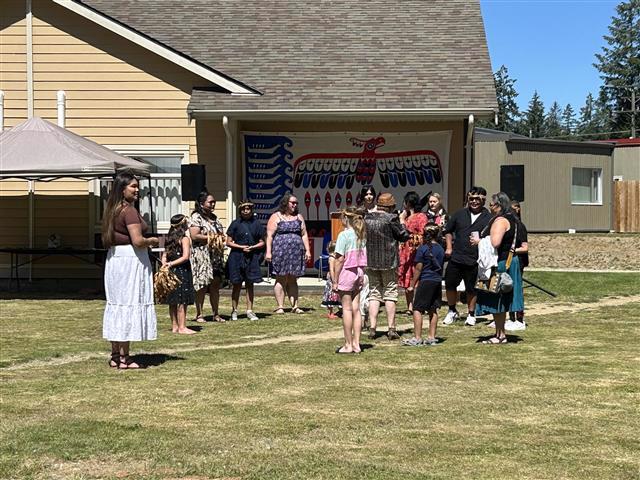
Kackaamin celebrates 50th anniversary
|
|
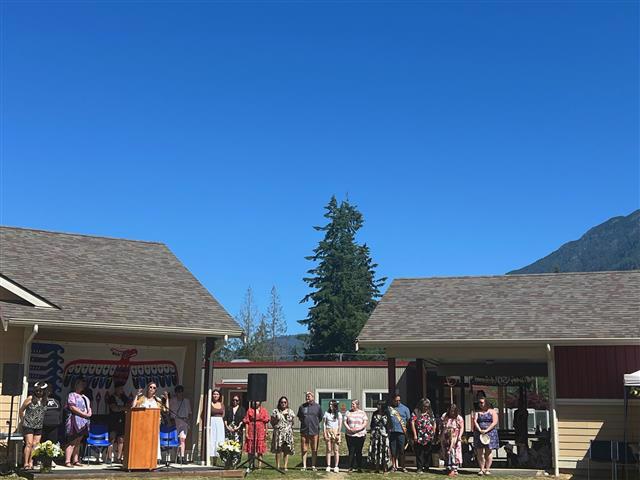
Kackaamin is one of three Indigenous family treatment centres in Canada, located in Port Alberni, B.C. Among their many programs and services, the centre has a six-week healing program that focuses on rebuilding family attachment.
Gord Johns, MP for Courtenay-Alberni, was present at the 50th anniversary. He told the crowd that Kackaamin’s success over the years has paved the way for the opening of Vancouver Islands first Indigenous youth wellness centre, offering culturally relevant detox services to youth through an organization called Orca Lelum.
|
|
Over the last six years, services and programs that Kackaamin provides have tripled, Robinson shared. Kackaamin now has 10 beds for support and early recovery for females on site.
Over the last year they have included other additional programs such as Rebuilding Our Circle, which includes services for those who have been impacted by sexual violence.
With the expansion in services came two new buildings, including a new gathering space as well as a childcare facility that can accommodate up to 24 children.
“I’d like to congratulate Kackaamin on your 50th anniversary, a significant milestone, and just want to honor and acknowledge the courage, the dedication, and the leadership of all those who were instrumental in establishing this organization for children, families and communities,” said Eunice Joe, Regional Executive Director for First Nation Health Authority, a sponsor for Kackaamin. “The impact of the work over the years is far reaching.”
|
|
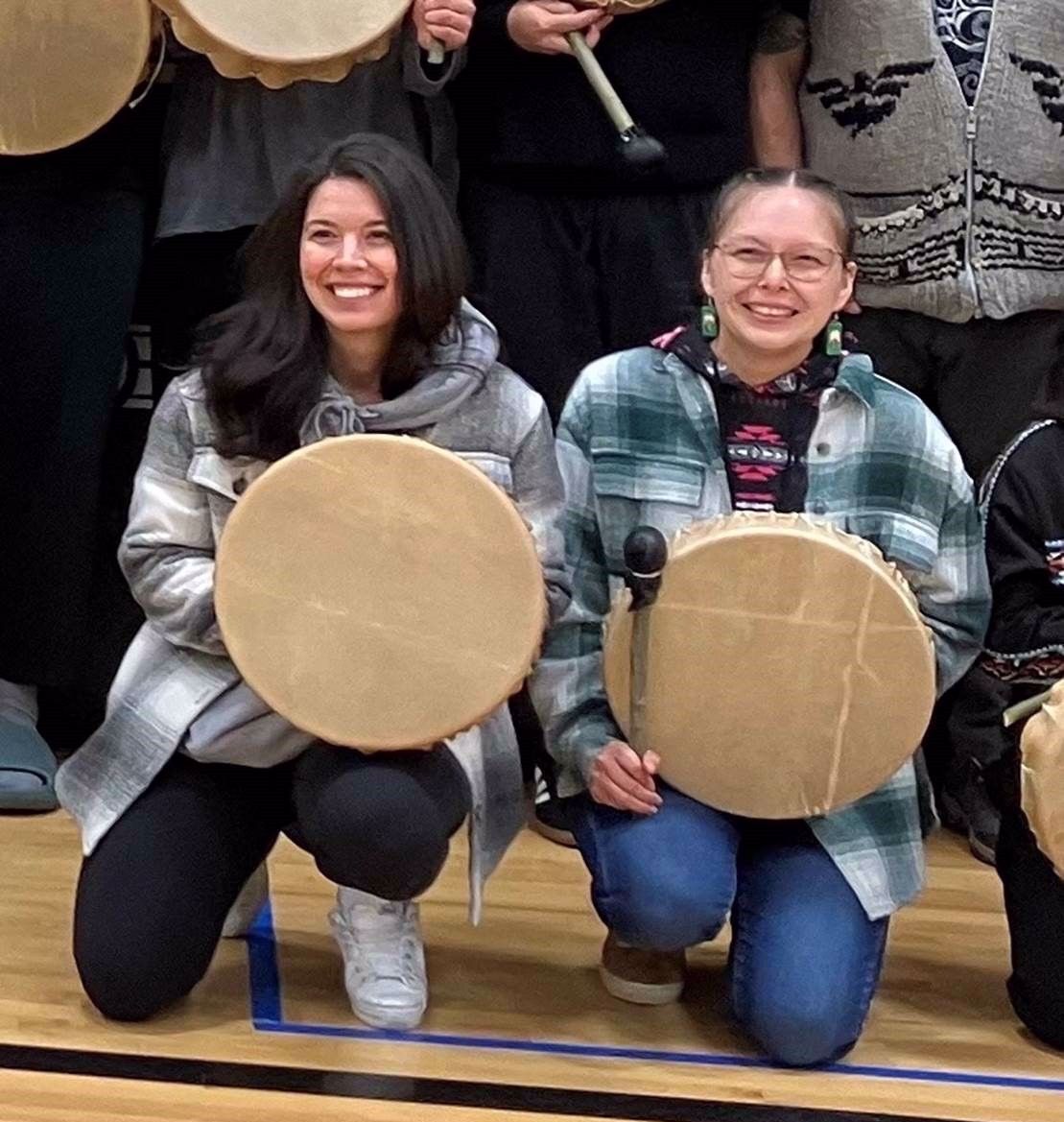
In closing the morning Lisa Robinson, executive director of the Kackaamin Family Development Centre, invited the children to the centre of the circle where they were gifted cedar head bands as the drummers sang You Are My Sunshine.
|
|
- Mental Health Clinician (All BC)
- Community Health Nurse - Health Centers (All BC)
- Community Health Nurse, Fly in Fly out - Remote Nursing Stations (All BC)
- Administrative Assistant (Quinsam, BC)
- Community Engagement Coordinator, Coast Salish (Vancouver Island, BC)
- Community Engagement Coordinator, Nuu-Chah-Nulth (Vancouver Island, BC)
- Environmental Health Officer, Quinsam-Campbell River, and Stz'uminus-Ladysmith (Vancouver Island, BC)
- Medical Office Assistant, Primary Care Centre, Nanaimo, Esquimalt, and Wsanec (Tsawout) (Vancouver Island, BC)
- Social Worker (All BC)
- Wellness Navigator (All BC)
|
|
First Nations Health Authority
Regional Contacts |
|
|
|
|
Vice President, Vancouver Island
Regional Executive Director, Engagement
Sr. Director, Regional Community Health and Wellness
Director, Regional Health Emergency Management
Manager, Regional Operations
Regional Manager, Planning and Development
Manager, Community Engagement:
Community Engagement Coordinators:
- Coast Salish:
- Nuu-chah-nulth:
- Kwakwaka'wakw:
Urban and Away from Home Coordinator
Regional Partnerships Coordinator
|
|
|---|
|
|
|
|
|
Nursing Manager:
Community Practice Consultants:
Nurse Navigators:
|
|
|---|
|
|
|
|
|
Community Relations Representative,
Health Benefits:
Registered Dental Therapists:
- Kim Trottier, Kim.Trottier@fnha.ca (Communities: Stz’uminus, Penelakut, Dzawada’enuxw)
- Janeen Campbell, Janeen.Campbell@fnha.ca (Communities: Cowichan Tribes)
- Melanie Braker, Melanie.Braker@fnha.ca (Communities: Ka;’yu:’k’t’h’/Che;k’tles7et’h’, Mowachaht/Muchalaht, Yuułuʔiłʔatḥ, Ahousaht, Ditidaht, Huu-ay-aht, Hupacasath)
|
|
|---|
|
|
|
|
|
Acting Regional Manager EPHS
|
|
|---|
|
|
|
|
|
Regional Director, Health Emergency Management
Regional Manager, Health Emergency Management
Community Coordinators, Crisis Response
|
|
|---|
|
|
|
|
|
Regional Manager, Mental Health and Wellness
Team Lead, Mental Health and Wellness
Quality and Safety Analyst
Senior Advisor Cultural Safety and Humility
Clinical Counsellor
Social Worker
|
|
|---|
|
|
|
|
|
Regional Manager, Maternal Child and Family Health:
|
|
|---|
|
|
|
|
|
Regional Manager, Primary Care:
Primary Care Project Manager:
Traditional Wellness Specialist:
|
|
|---|
|
|
Island Health Authority Contacts |
|
|
|
|
A/South Island Director, Indigenous Health
Central Island Director, Indigenous Health
North Island Director, Indigenous Health
Cultural Safety & Humility Director, Indigenous Health
Medical Director, Indigenous Health
Partnerships, Strategy & Engagement Director, Indigenous Health
Medical Health Offices, Indigenous Health
Indigenous Health Managers
|
|
|---|
|
|
Disaster Resilience and Innovation Funding program |
|
The Disaster Resilience and Innovation Funding program (DRIF) program provides funding to First Nations and local governments in B.C. to enhance their capacity to withstand and adapt to natural and climate-driven hazards through:
- activities that bolster community resilience by providing data, building partnerships, and supporting long-term disaster risk reduction and climate adaptation planning, and
- structural and non-structural disaster risk reduction projects
For more information on how to apply and eligible project types, please click link below.
FNHA Contact: Joely.Fulcher@fnha.ca
|
|
International Overdose Awareness Day Grants |
|
August 31 is International Overdose Awareness Day and the FNHA is offering community-based grants of up to $2,000 to support events, gatherings or ceremonies to reflect on the toxic drug emergency. The deadline for applications is July 15.
FNHA Contact: Joely.Fulcher@fnha.ca
|
|
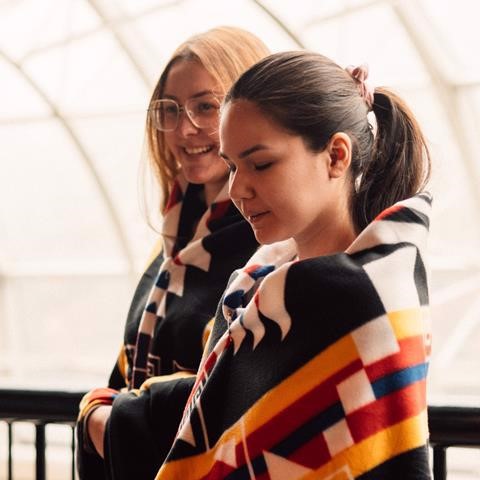
The FNHA congratulates the first graduating cohort of Raising the Canoe First Nations Student Program. The program helps students gain professional experience in health care. There's also a new student program called Firekeepers that will see students enter entry-level professional development positions for a one-year work term with the FNHA.
FNHA Contact: Joely.Fulcher@fnha.ca
|
|
Trans Care BC has launched its "We Are Allies" campaign to counter misinformation targeting gender-affirming care for Two-Spirit, trans and non-binary youth. The FNHA is a proud supporter of this campaign.
FNHA Contact: Joely.Fulcher@fnha.ca
|
|
Become an Indigenous coach |
|
Applications for the Indigenous Coach Training Program are open until August 16. Indigenous coaches will work with Indigenous clients, communities, organizations, different levels of government and within the private sector.
FNHA Contact: Joely.Fulcher@fnha.ca
|
|
Animation for enhancing health |
|
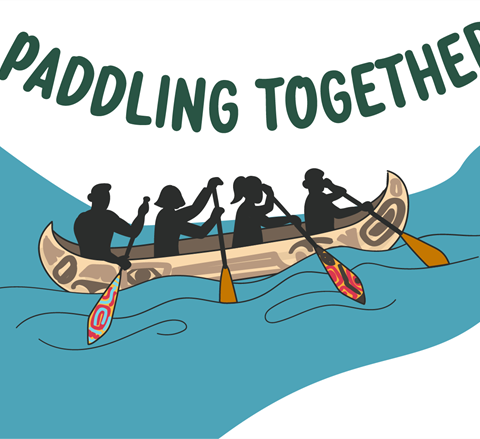
In this short video, the FNHA delves into the goals and objectives of our ‘Paddling Together: First Nations Health Authority Health and Wellness Plan,’ aimed at enhancing health services for First Nations communities in BC. Discover how Paddling Together improves wellness and promotes cultural safety in health care delivery.
FNHA Contact: Joely.Fulcher@fnha.ca
|
|
Birthing sovereignty for First Nations in BC |
|
The FNHA held a birthing forum in late June to answer calls to improve wholistic reproductive health care for First Nations in BC. The forum saw health leaders make commitments in response to calls to action for stigma-and-racism-free, culturally safe care.
FNHA Contact: Joely.Fulcher@fnha.ca
|
|
Urban and Away-From-Home Engagement |
|
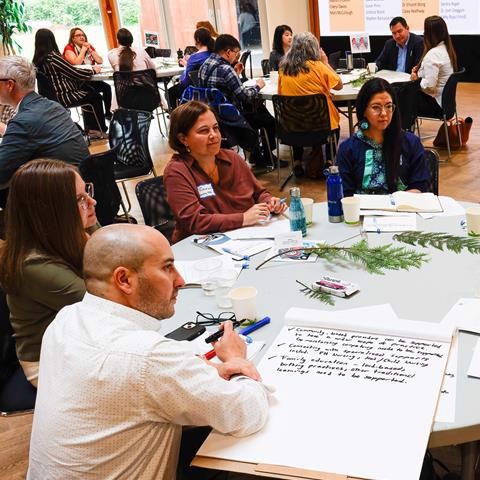
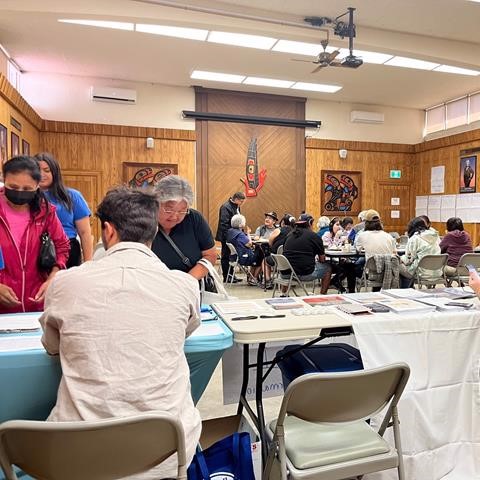
The FNHA's UAH team is hosting engagement sessions to better understand your health and wellness needs. The team is in Williams Lake on Wednesday, July 31 between 12 and 2 p.m. and 4 and 6 p.m. For those who can't make it in person, there's a survey available to make your voice heard.
FNHA Contact: Joely.Fulcher@fnha.ca
|
|
Water and Wastewater Operations program for Indigenous students |
|
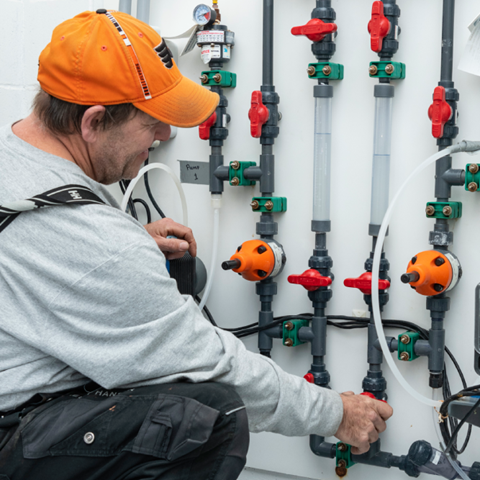
The FNHA and BCIT have partnered to deliver a program for any Indigenous person interested in a career in water and wastewater operations and management. The program is ideal for people already in the sector or interested in starting their career in the industry. Funding is available through the Dennis and Phyllis Washington Foundation.
FNHA Contact: Joely.Fulcher@fnha.ca
|
|
Youth workshop available for Coast Salish communities |
|
The First Nations Health Authority's Mental Health Team is excited to offer a Youth Workshop to Coast Salish communities, focusing on empowering youth with techniques to manage anxiety and stress. Here’s what you need to know:
- Eligibility: Youth aged 13-18 with mild-to-moderate anxiety.
- Workshop Focus: Acceptance and Commitment Therapy (ACT), mindfulness practices, breathing techniques, and more.
- Group Size: 10-12 participants.
- Duration: 7 weeks, 1.5 hours per session.
- Cost: Free for participants.
We are seeking community or organizational facilities to host this workshop and require a short intake process in partnership with the YMCA. Participants must commit to attending all sessions.
If interested, please contact:
Brin Wylie at brin.wylie@fnha.ca or 250-802-4206
Tara Jacobs at tara.jacobs@fnha.ca or 250-802-4287
|
|
Tips for a safe and sound summer festival season |
|
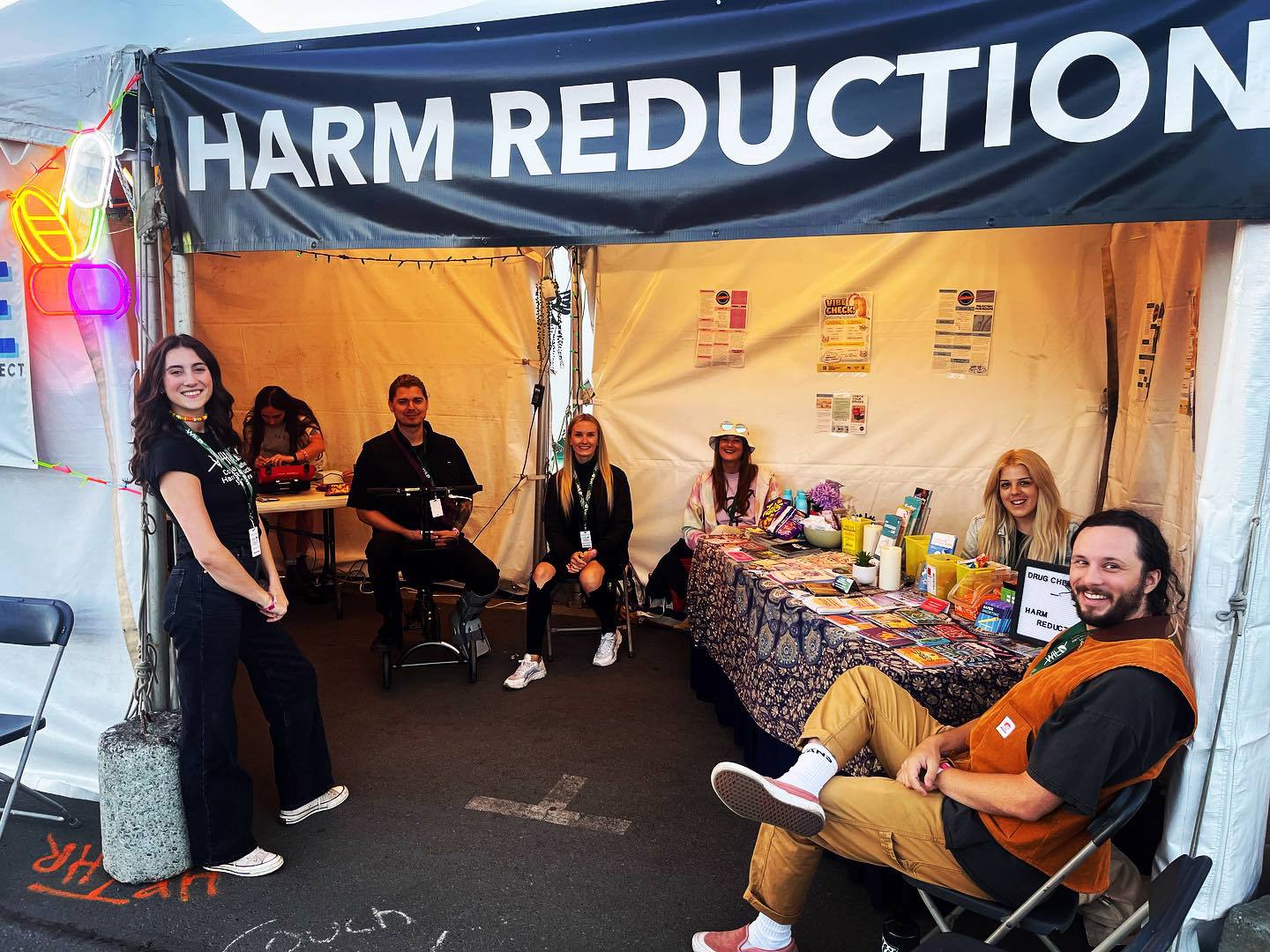
As the temperatures rise and the festival season sets in; Island Health has health tips to ensure everyone has a fun, and safe, summer.
With the expected hotter temperatures this summer, festival goers are encouraged to stay in the shade, use a broad-spectrum sunscreen with SPF 30 or higher, and regularly drink water to stay hydrated. Exposure to loud noise at festivals can cause irreversible hearing loss. Don’t stand too close to the speakers and wear a form of ear protection. Staying up to date with immunizations, like measles and COVID-19, can help to prevent the spread of the most common contagious diseases that thrive in crowds.
For more tips and resources, and to find out which festivals will have free drug-checking, read the full story on the Island Health website below.
|
|
Water safety tips from Island Health and the Lifesaving Society |
|
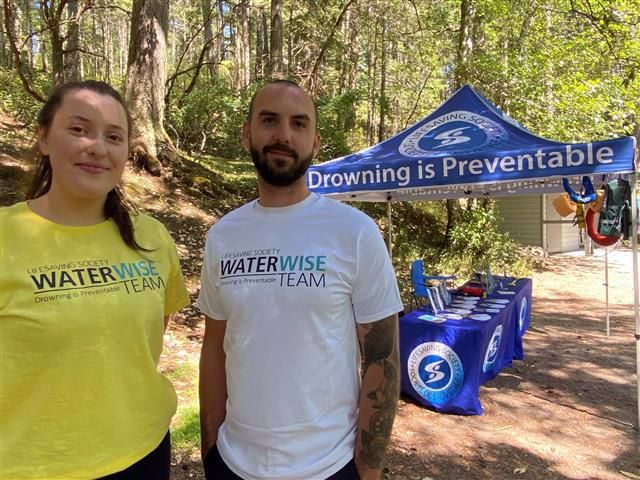
Island Health and the Lifesaving Society are calling on the region’s residents to focus on water safety this National Injury Prevention Day, July 5. There were 32 fatal drownings in the Island Health region last year, the highest of all B.C. regions, and worst year on record for Island Health. Most drownings happen in natural bodies of water, such as lakes and rivers. Deaths are most likely to occur during the summer, particularly in July, and on weekends.
Water safety tips:
- Learn to swim as a family
- Wear a lifejacket
- Keep children within arms' reach
- Go to lifeguard supervised beaches and pools
- Designate an adult backyard pool lifeguard
- Stay within your abilities
- Stay sober
- Be aware of, and limit, dangers associated with high-risk activities like cliff jumping
- Install four-sided fencing with a self-latching gate around backyard pools
Keep an eye out for the WaterWise Team at Capital Regional District lakes, rivers and beaches this summer.
Learn more about water safety, courses and tips at the link below.
|
|
LEVEL BIPOC Grants Now Offering $150,000 of Funding Over 3 Years |
|
The LEVEL BIPOC Grants Program invests in the leadership capacity of BIPOC-led and BIPOC youth-led and/or youth-engaging organizations operating in B.C. These grants of $150,000 offer flexible, operating funding for three years to registered charities and registered non-profit societies. This funding can be used to cover costs that will contribute to their operational sustainability and adaptability to continue supporting the changing needs of their communities over time.
|
|
| |
|
 | |
|  |
|
|
|
|