Greetings respected Vancouver Island First Nations Leadership;
Welcome to our Vancouver Island regional e-newsletter. This newsletter will highlight Vancouver Island regional updates from the FNHA, Island Health, Government of BC, Government of Canada, alongside many other partners.
In today's edition you will find:
|
|
|---|
|
|
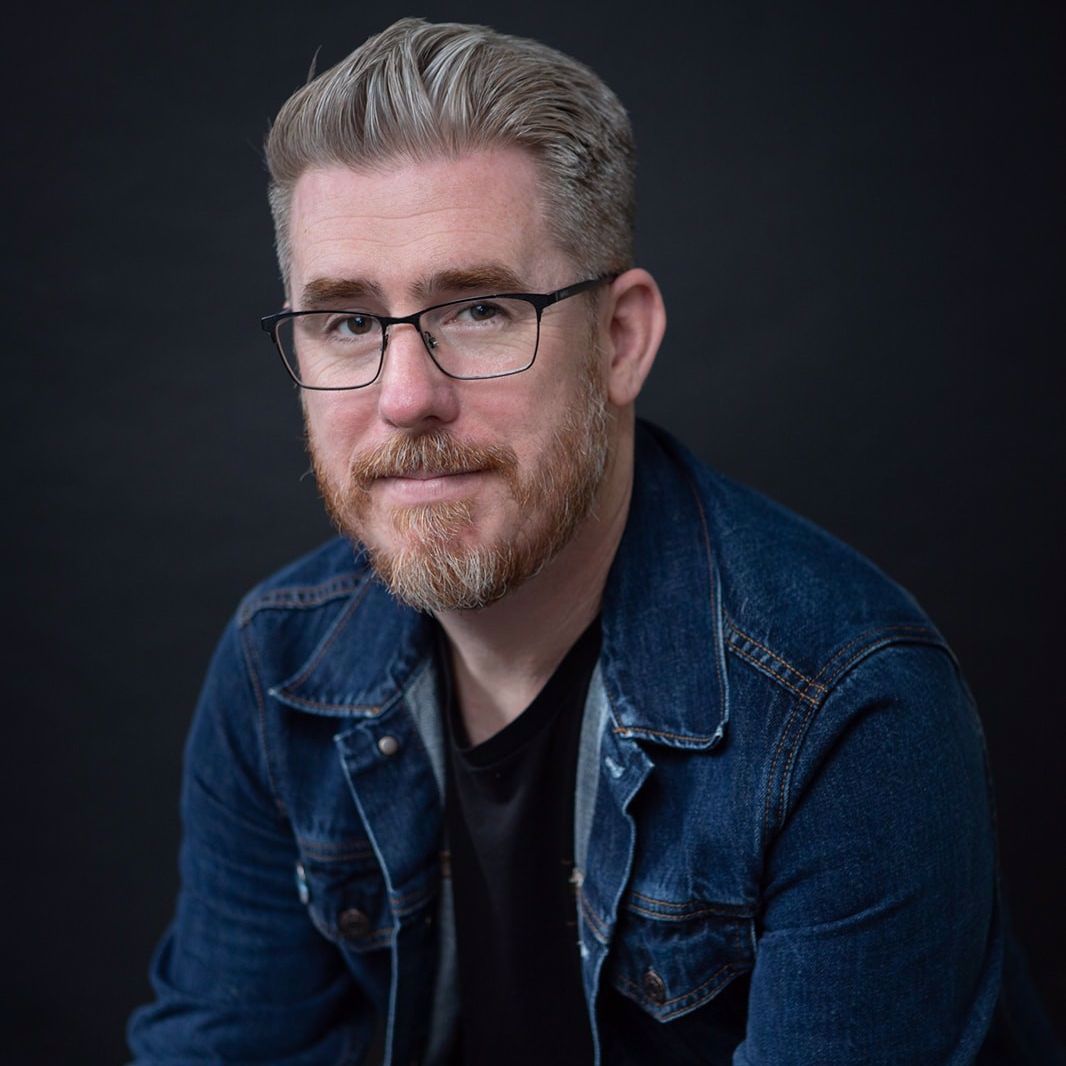
The FNHA welcomes Toby Rader to the VI family as the Outreach Clinician for the Regional Mental Health and Wellness team |
|
Toby lives with his wife and two children in the unceded and ancestral territory of the Tseshaht and Hupacasath people. He joins the FNHA with over 25 years of mental health and substance use work. Toby is a registered social worker with a masters in Narrative Therapy and Community Work. Toby is also an autistic person whose children are also autistic and is always open to talking about the beautiful minds of autistics. In his spare time Toby collects vinyl records and listens to them in the form of self-care. Toby believes in recognizing the human in each person and values this first in relationships.
FNHA Contact: Toby.Rader@fnha.ca
|
|
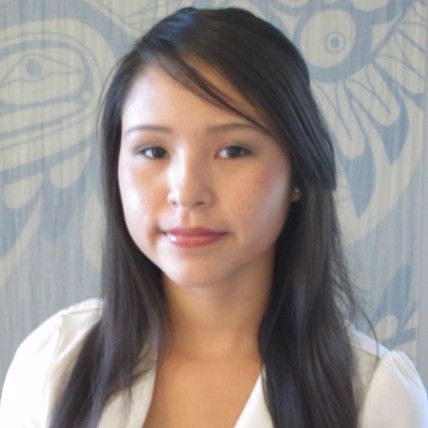
The FNHA welcomes Edna Jack to the Vancouver Island Regional team |
|
We are pleased to welcome Edna Jack as the newest Vancouver Island Regional Assistant. Edna has accepted the term Regional Administrative Assistant position and brings a wealth of experience, knowledge, and enthusiasm to the role.
Edna Irene Jack is Coast Salish First Nation, with roots in the unceded and traditional territory of Stz’uminus First Nation (Ladysmith). Her traditional name is SIAPWELWET. Throughout her career, Edna has worked across all levels of government as well as within First Nations organizations, building extensive administrative and organizational expertise.
Edna holds a Business Administration Certificate from Camosun College and an Accounting and Payroll Administrator Diploma from CDI College. She is excited to bring her education, skills, and professional experience to support the Vancouver Island Region team in her new role.
Outside of work, Edna is a retired soccer player who enjoys spending time outdoors walking, hiking, and fishing. She is also looking forward to completing the final courses for her second diploma in Finance through Camosun College. As she settles into her new position, Edna’s focus is on learning FNHA’s processes and procedures so she can provide the best possible support to the team.
Please join us in welcoming Edna to the VI Region team!
FNHA Contact: Edna.Jack@fnha.ca
|
|
|
Vancouver Island FNHA Regional All-Staff Spring Gathering |
|
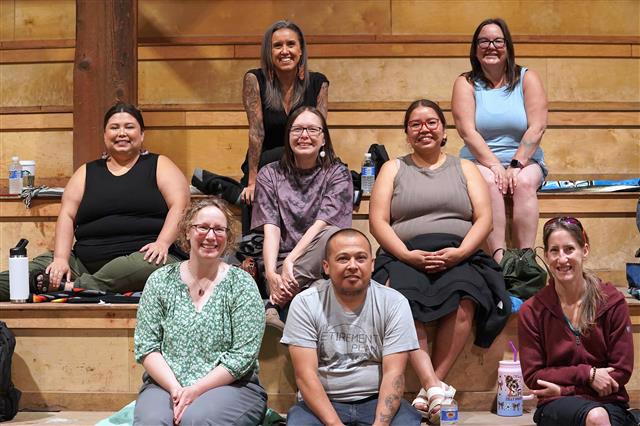
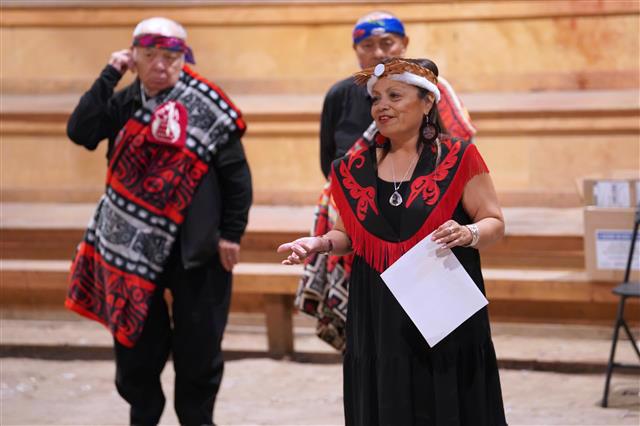
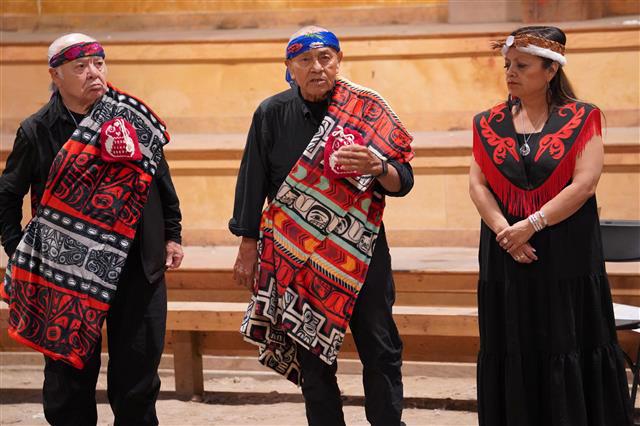
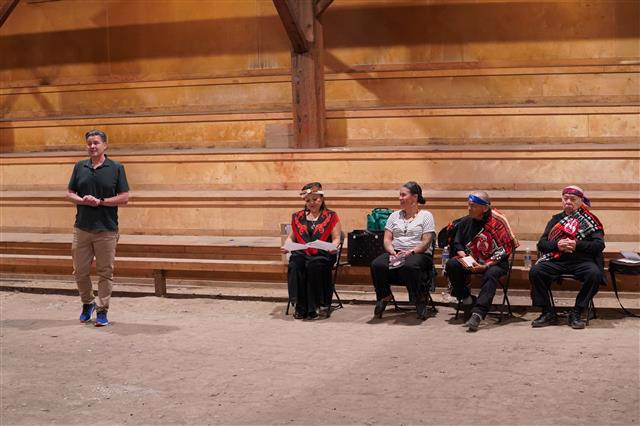
The gathering began in the Stz’uminus Big House, where staff had come to learn from local Knowledge Keepers and reflect on the importance of caring for themselves and one another while supporting First Nations communities.
“Uy’ skweyul, I look forward to welcoming you to Stz’uminus First Nation, my home community for our staff gathering,” said Roxanne Harris, FNHA Director of Programs and Services for the Coast Salish Family, sahead of the event. “The day is shaped by our teachings and we’ll begin the day in our Big House.”
|
|
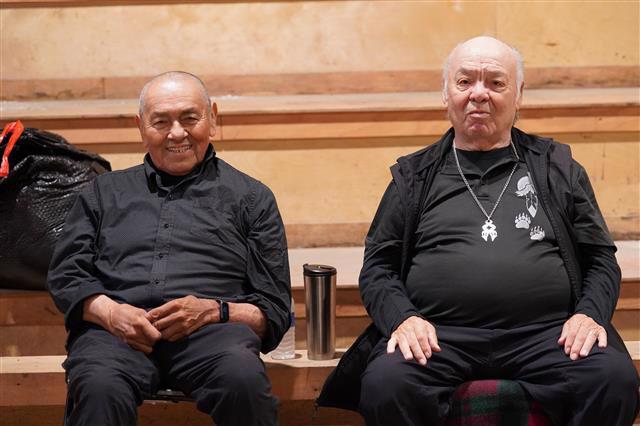
The morning opened in a good way with a prayer from Whool’wuletza, George Harris Sr., who also shared the Stz’uminus Anthem and the Honour and Respect song. Harvey Seymour, Stz’uminus Elder, welcomed staff to the territory, followed by opening remarks from FNHA leadership.
Throughout the morning, staff heard messages rooted in gratitude, culture, and the importance of caring for themselves and one another. Harvey spoke about the progress made over generations and thanked staff for their work in service of First Nations people.
“It is hard work and it’s important to care for yourself and one another, which is why we are here today,” he said.
|
|
Roxanne shared teachings about the Big House and its deep cultural significance within the Stz’uminus community. She explained that while the structure is relatively new, elements of the original Big House were preserved and incorporated into the new building, reflecting its enduring importance to the community. She also spoke about Big House protocols, including how families are seated together according to family and territory.
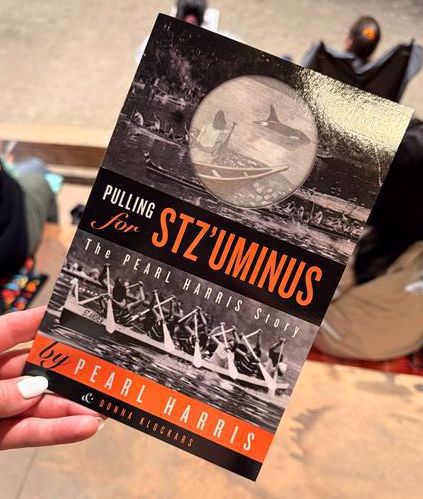
As part of the gathering, Roxanne gifted staff copies of Pulling for Stz’uminus: The Pearl Harris Story, written by her aunty, Pearl Harris. The story carries teachings of preparation, resilience, protocol and pulling together - values that reflect the spirit of the day.
|
|
Grant Robinson, Executive Director of Clinical Wholistic Services at FNHA, encouraged staff to take time to recharge and focus on their own well-being.
“You spend all year long looking after others,” he said. “This is the one day a year where you get to look after yourself.”
|
|
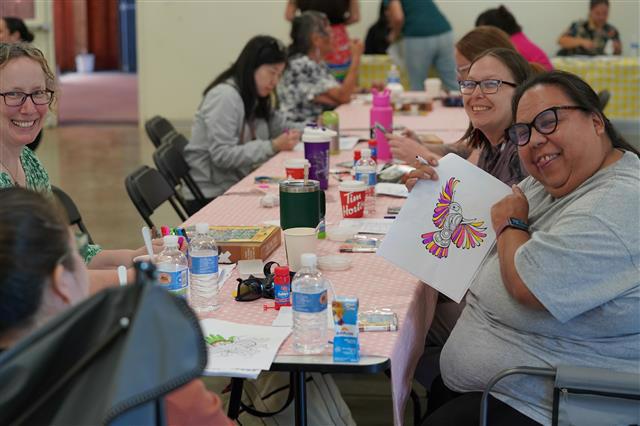
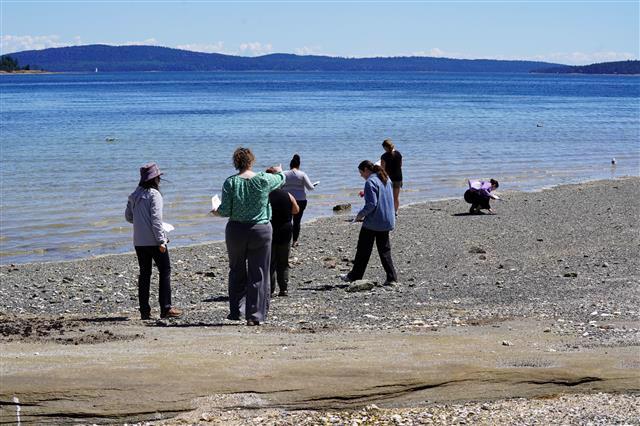
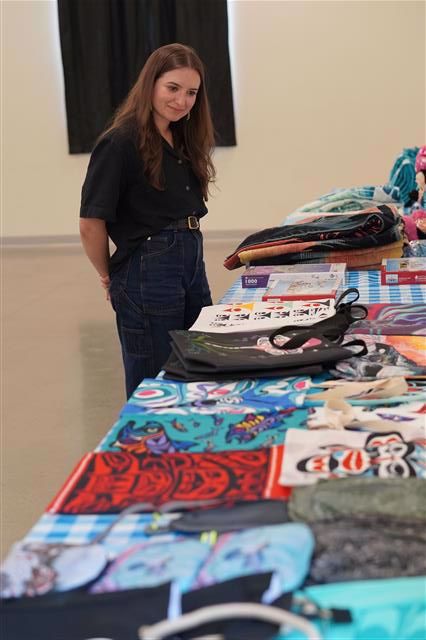
The afternoon featured opportunities for staff to connect with colleagues and participate in a variety of wellness and cultural activities. After sharing a lunch that included fresh salmon, salads and other thoughtfully prepared dishes, staff took part in cultural brushings, a beach scavenger hunt, and hands-on activities such as crafting their own paddle and devil’s club necklace.
|
|
Each activity created space to slow down, reconnect, and engage with one another in a lighter way, and highlighted that wellness can take many forms – from creativity and time on the land to shared experiences and laughter.
|
|
The gathering created space for staff to learn from Stz’uminus teachings, strengthen relationships across the region and reflect on the work being done in support of First Nations health and wellness. It was a meaningful reminder of the value of coming together to learn, connect and support one another.
|
|
Supporting Learning Through Reflection |
|
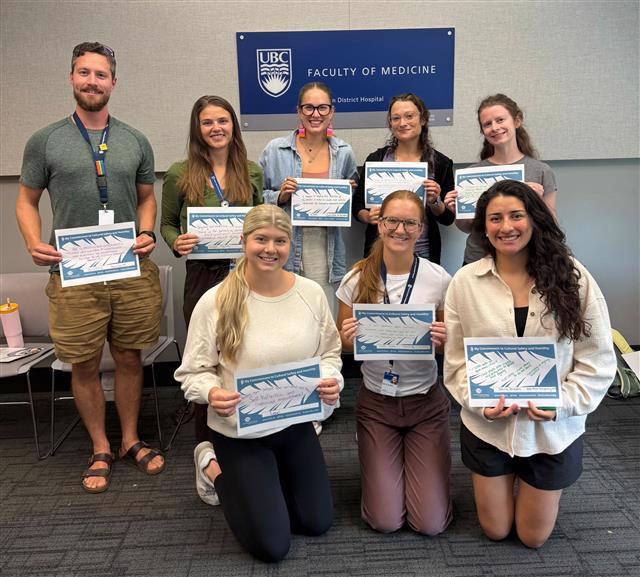
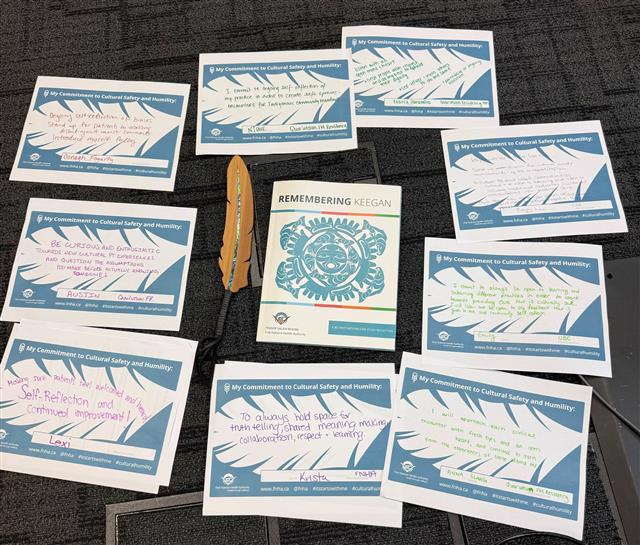
Last week, Krista Joseph, x̣uux̣takʔuʔuukx̣ , Senior Advisor, Cultural Safety and Humility, facilitated a learning session with Resident Physicians at the UBC Island Medical Program’s Quw’utson Family Medicine Site to discuss the Remembering Keegan Case Study Reflection. The session marked the first collaboration between Krista and the site, building on similar sessions hosted with the Strathcona Family Medicine Site over the past four years.
Guided by Keegan Combes’ story, the session brought together seven Resident Physicians, along with Dr. Nique Seper, Indigenous Faculty Lead for the Quw’utson Family Medicine Site. The discussion created space for meaningful dialogue about First Nations health, cultural safety, and cultural humility, centring the lived experiences of First Nations people accessing healthcare and the impacts of Indigenous-specific racism.
|
|
A central theme throughout the session was the Residents’ commitment to providing culturally safe care. Residents reflected on the importance of speaking up when they witness racism or culturally unsafe care. Discussions also highlighted the importance of being inclusive of First Nations beliefs, perspectives, and healing practices, including the use of traditional medicines alongside Western medical approaches.
Residents highlighted the importance of ongoing learning and self-reflection, recognizing that cultural humility requires continuously examining assumptions, addressing biases, and embracing opportunities for growth.
|
|
Expanding this work to the Quw’utson Family Medicine Site reflects a growing openness to learning approaches that centre storytelling and recognize lived experience as valuable knowledge. By creating opportunities for reflection, dialogue, and relationship-building, these sessions support Resident Physicians in deepening their understanding of First Nations health and strengthening their ability to provide culturally safe, respectful, and compassionate care for First Nations patients, families, and communities.
Reflecting on the session, Dr. Nique Seper, Indigenous Faculty Lead for the Quw’utson Family Medicine Site, shared: “It has been so meaningful to have FNHA and particularly Krista’s involvement in reviewing Keegan’s story with the Residents. This is such an important report for all physicians to discuss, and we were grateful for the opportunity to explore the key issues of racism and discrimination in our healthcare system through storytelling and respectful dialogue in circle. The feedback from the Residents has been overwhelmingly positive, and they have left feeling empowered to continue their learning with a commitment to making the healthcare system safer for Indigenous patients. I look forward to building on the teachings offered through Keegan’s Story and Krista’s session throughout their residency journey.”
|
|
Learning Through Relationships: Reflections from the 2026 Nuka Conference |
|
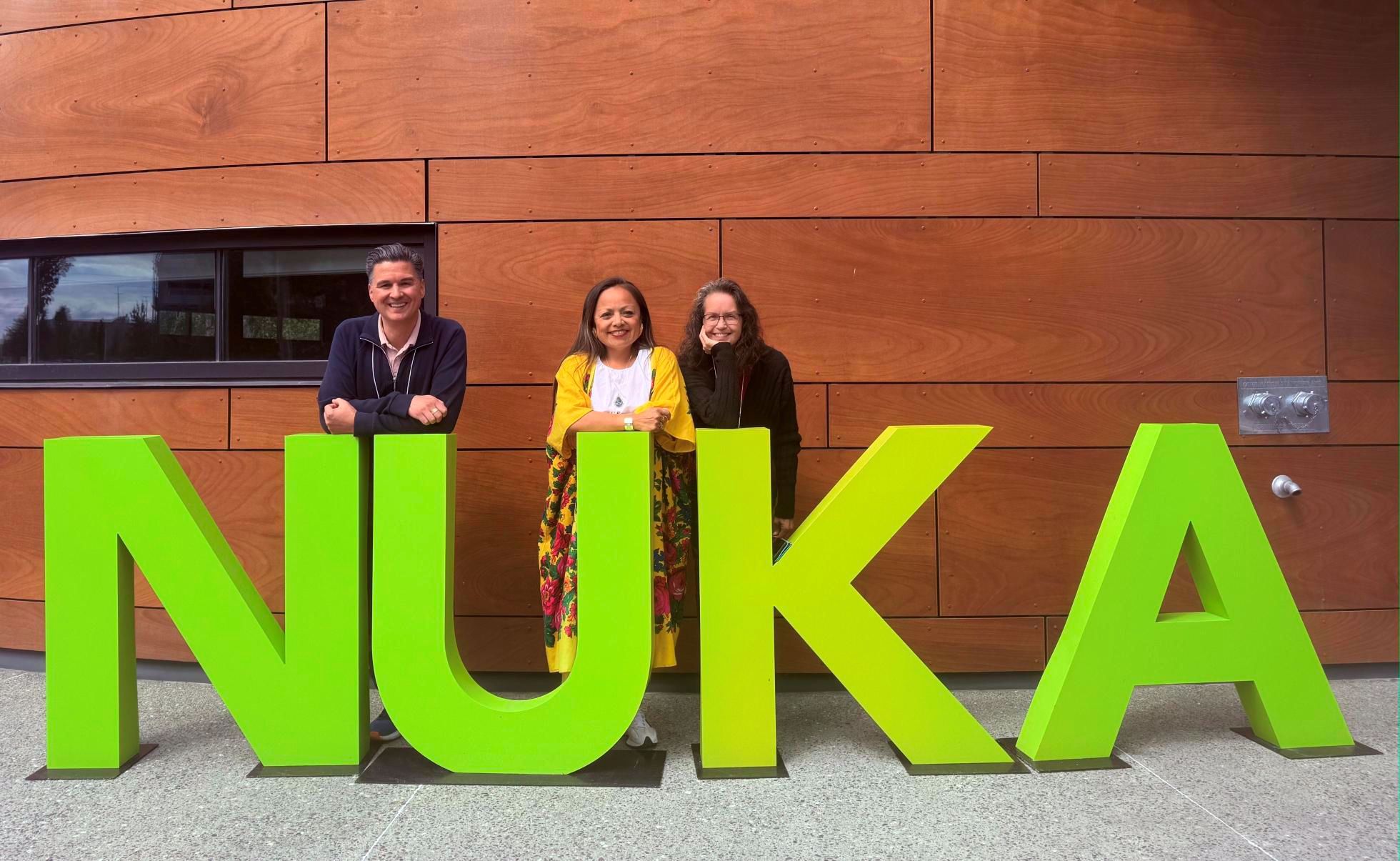
Photo caption: Grant Robinson, FNHA VI Region Executive Director of Wholistic Services; Roxanne Harris, Director of Programs and Services for Coast Salish; and Vanessa Charlong, Health Director for Hupacasath First Nation, attended the 2026 Nuka Conference in Anchorage, Alaska, where healthcare leaders gathered to learn about relationship-based care and the Nuka System of Care.
In June 2026, healthcare leaders, clinicians, educators, and community partners gathered in Anchorage, Alaska, for Southcentral Foundation's annual Nuka Conference - an internationally recognized event focused on relationship-based care, organizational excellence, and healthcare transformation.
Among the attendees were Grant Robinson, FNHA VI Region Executive Director of Wholistic Services; Roxanne Harris, Director of Programs and Services for Coast Salish; and Vanessa Charlong, Health Director for Hupacasath First Nation. Together, they joined participants from across North America to learn from the internationally acclaimed Nuka System of Care and explore innovative approaches to Indigenous health and wellness.
The week began with the three-day Core Concepts Workshop, where participants explored the power of relationships through storytelling, self-reflection, active listening, and dialogue. Guided by the WELLNESS principles, attendees examined how trust, empathy, respect, and shared understanding contribute to healthier workplaces, stronger teams, and better outcomes for the people and communities they serve.
The conference continued with two days of educational sessions focused on integrated primary care, behavioural health integration, workforce development, strategic planning, trauma-responsive care, rural and remote services, data-informed decision-making, and continuous quality improvement. Through practical examples and real-world case studies, participants gained insight into how Southcentral Foundation has successfully transformed healthcare by placing relationships at the centre of care.
A highlight of the conference was the Networking and Cultural Night at the Alaska Native Heritage Center, where attendees connected with colleagues from across North America while learning about Alaska Native cultures and traditions. The evening reinforced the conference's central message: strong relationships and shared learning are foundational to community wellness and organizational success.
For Grant, Roxanne, and Vanessa, the conference provided valuable opportunities to deepen their understanding of relationship-based care and bring back ideas that can support culturally safe, person-centred, and community-driven health services in the communities they serve.
|
|
International Drug Users’ Remembrance Day |
|
Each year on July 21, International Drug Users’ Remembrance Day provides a time to honour those who have lost their lives to the toxic drug poisoning crisis. By encouraging open and compassionate conversations about substance use, we can challenge stigma and help ensure people feel supported in accessing care and services.
|
|
Alhgoh learning pathway launched to advance cultural safety |
|
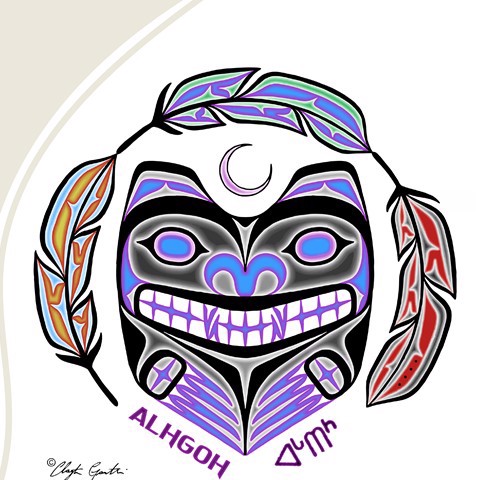
An accredited online course is now available to help health care providers across BC strengthen Indigenous cultural safety, advance anti-racism and improve care for First Nations, Inuit and Métis people. Offered through UBC CPD, Alhgoh provides practical tools, meaningful guidance and accredited learning to support safer, more respectful care.
|
|
Supporting providers in rural and remote communities |
|
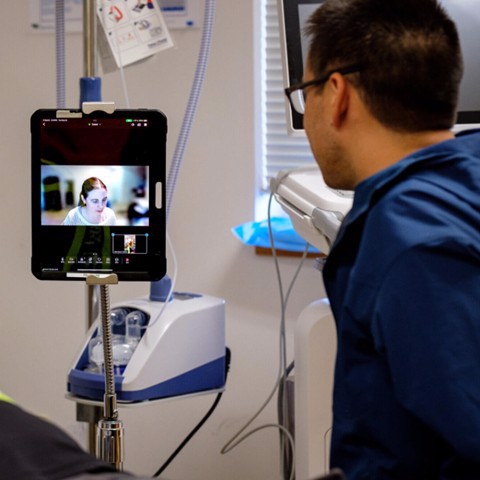
The Rural Coordination Centre of British Columbia’s Real-Time Virtual Support (RTVS) program gives rural and remote health care providers immediate access to peer and specialist support when they need it most. Available by phone or Zoom, RTVS connects clinicians with experienced colleagues who can provide timely guidance for patient care.
|
|
Staying safe during extreme heat |
|
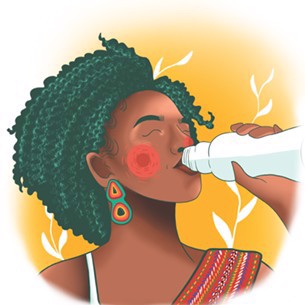
Heat warnings are in effect for several communities across BC, with high temperatures increasing the risk of heat-related illness. Drink plenty of water, recognize the signs of heat illness and check on vulnerable family members, friends and neighbors. If wildfire smoke is affecting your area, stay cool and visit air-conditioned spaces if available.
|
|
Build Communities Strong Fund Direct Delivery stream |
|
The Direct Delivery stream of the Build Communities Strong Fund (BCSF) is providing $6 billion over 10 years, starting in 2026-27, to support regionally significant projects, climate adaptation, and community infrastructure.
Projects are identified by the federal government through various channels, including those named in Budget 2025, an online portal for applicants, pipelines of projects within existing programs, consultations, and public calls for expressions of interest. The online portal is now open for project applications that are shovel-ready for 2026. For Indigenous and territorial projects, consideration will also be given to projects that will be shovel-ready in 2027.
|
|
- Family Physician - Nuu-chah-nulth Primary Care Centre (?uuk?inkpanac)
- Nurse Practitioner - Pata'yi Primary Care Centre (Kwakwaka’wakw Communities on Northern VI)
- Community Health & Home Care Nurse (Gilford)
- Diabetes Nurse Leader (Oyster Bay)
- Primary Care Registered Nurse (Tseycum - Saanich)
- Primary Care Registered Nurse (Snuneymuxw, Nanaimo)
- Administrative Assistant ,Medical Office (Port Hardy)
- Clinic Lead, Maternal Child & Family Health - Kwakiutl, Quatsino and Gwa'sala-'Nakwaxda'xw Nations (Port Hardy)
- Community Coordinator, Crisis Response (Tseshaht)
- Director, Family Based Programs and Services, Kwakwaka’wakw Cultural Family
- Director, Family Based Programs and Services, Nuu-Chah-Nulth Cultural Family
- Health and Wellness Specialist, Coast Salish (Sidney or Stz’uminus/Oyster Bay Office)
- Health and Wellness Specialist, Kwakwaka’wakw Cultural Family Group (Port Hardy or Quinsam, BC)
- Medical Office Assistant,Vancouver Island Primary Care Centre Cowichan Tribes (Cowichan Valley)
- Medical Office Assistant, Vancouver Island Tseycum Primary Care
|
|
First Nations Health Authority
Regional Contacts |
|
|
|
|
Vice President, Vancouver Island
Regional Executive Director
Executive Director, Clinical Wholistic Services
Director, Regional Programs and Services, Coast Salish
Director, Regional Community Health and Wellness Services, Nuu-Chah-Nulth
Director, Regional Community Health and Wellness Services, Kwakwaka'wakw
Regional Operations Manager
Regional Manager, Planning and Development
Acting, Regional Finance Manager
Manager, Community Engagement:
Community Engagement Coordinators:
- Coast Salish:
- Nuu-chah-nulth:
- Kwakwaka'wakw:
Urban and Away from Home Coordinator
Regional Communication Generalist
Manager of Quality
Senior Advisor Cultural Safety and Humility
Regional Human Resources Generalist
|
|
|---|
|
|
|
|
|
Regional Nurse Manager:
Communicable Disease Emergency Manager:
Community Practice Consultants:
Nurse Navigators:
|
|
|---|
|
|
|
|
|
Community Relations Representative,
Health Benefits:
Registered Dental Therapists:
- Kim Trottier, Kim.Trottier@fnha.ca (Communities: Stz’uminus, Penelakut, Dzawada’enuxw)
- Melanie Braker, Melanie.Braker@fnha.ca (Communities: Ka;’yu:’k’t’h’/Che;k’tles7et’h’,
Yuułuʔiłʔatḥ, Ahousaht, Tla-o-qui-aht, Ditidaht, Huu-ay-aht, Hupacasath, Pauquachin and Tseycum
- Angela Ransom, Angela.Ransom@fnha.ca
(Communities: Mowachaht/Muchalaht First Nation, Kwakwaka'wakw First Nations – Quatsino, Gwa’sala-Nakwaxda’xw and Kwakiutl, Dzawada̱ʼenux̱w First Nation, Liǧʷiłdax̌ʷ First Nation - We Wai Kai, Wei Wai Kum and Kwiakah and Xwémalhkwu First Nation)
|
|
|---|
|
|
|
|
|
Regional Manager Environmental Public Health Services
|
|
|---|
|
|
|
|
|
Kwakwaka’wakw Manager, Public Health & Emergency Response
Community Coordinators, Crisis Response
Regional Manager, Toxic Drug Response
|
|
|---|
|
|
|
|
|
Regional Manager, Mental Health and Wellness
Team Lead, Mental Health and Wellness
Clinical Counsellor
Social Worker
|
|
|---|
|
|
|
|
|
Regional Manager, Maternal Child and Family Health:
|
|
|---|
|
|
|
|
|
Executive Director, Clinical Wholistic Services
|
|
|---|
|
|
Island Health – Indigenous Health, Diversity, Equity & Inclusion Portfolio Contacts |
|
|
|
|
South Island
Central Island
North Island
Cultural Safety & Humility
Indigenous Recruitment & Retention
Strategy, Partnerships & Engagement
Diversity, Equity, & Inclusion
Medical Director
|
|
|---|
|
|
| |
|
 |
|  |
|
|
|
|