Greetings respected Vancouver Island First Nations Leadership;
Welcome to our Vancouver Island regional e-newsletter. This newsletter will highlight Vancouver Island regional updates from the FNHA, Island Health, Government of BC, Government of Canada, alongside many other partners.
In today's edition you will find:
|
|
|---|
|
|
The FNHA welcomes Priscilla Watts to the VI family as the new Regional Executive Director |
|
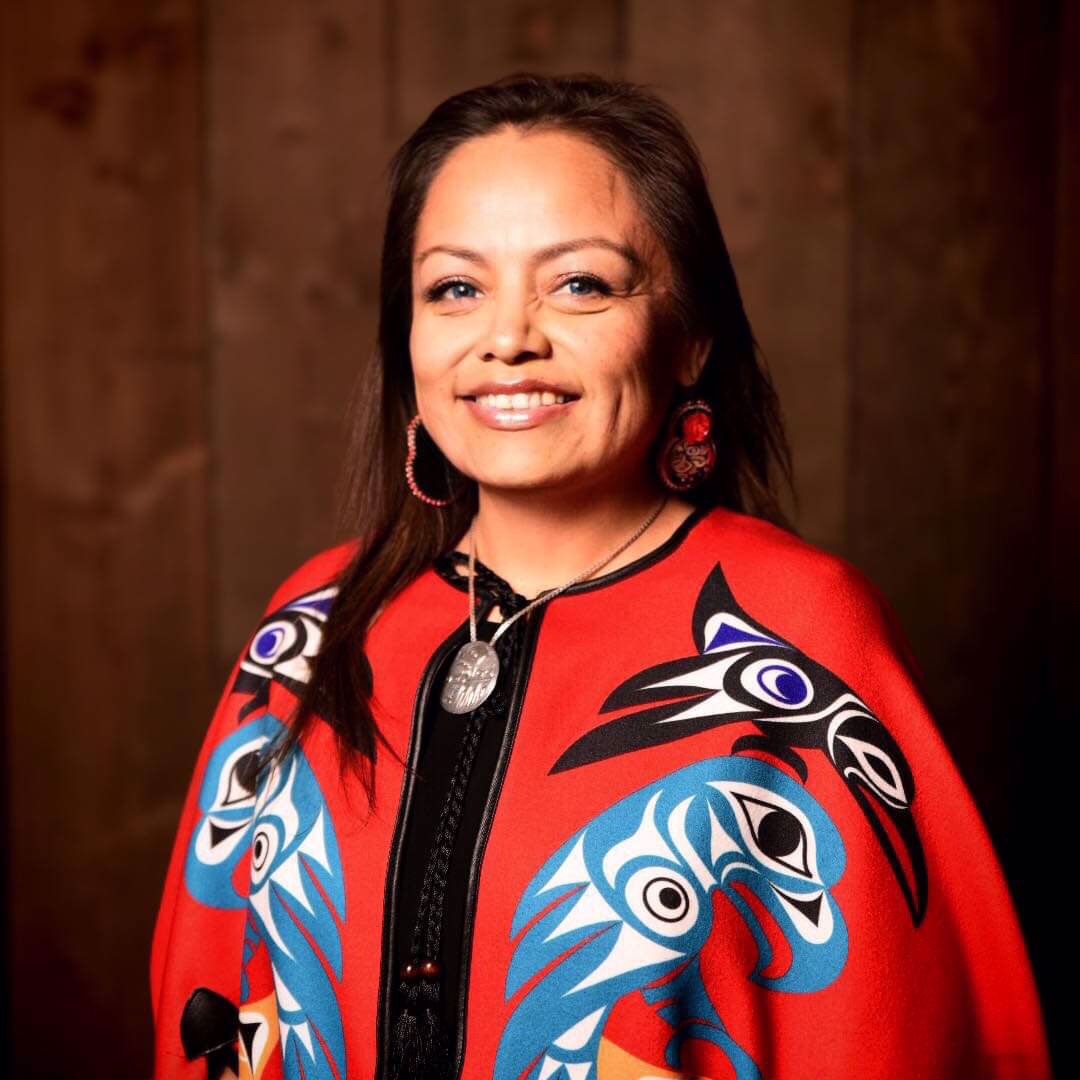
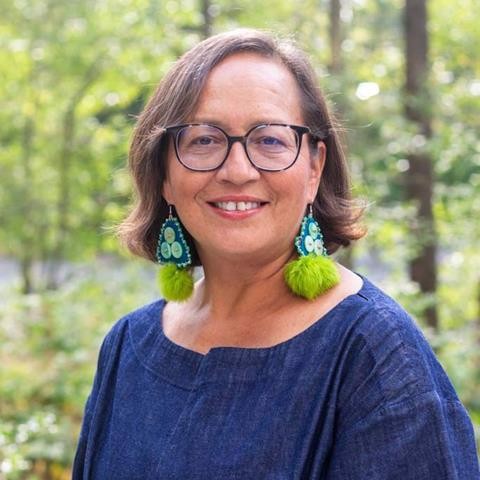
Priscilla’s traditional name is c̓aʔaa [sah-ah], which comes from the word c̓aʔaas, meaning to strip cedar from the cedar tree. She is from the Hiškʷiiʔatḥ (Hesquiaht) on the West Coast of Vancouver Island. Growing up, Priscilla lived in Victoria and Hot Springs Cove with a lot of time spent in Ahousaht.
Priscilla has served as a public servant for the past 20 years holding positions both within her Nation and within the provincial public service. She has previously served both as an elected councillor for Hesquiaht, and Vice President of the Nuu-chah-nulth Tribal Council. Priscilla has made significant contributions across the provincial government, including development of and then subsequent leadership of the long-standing Indigenous Youth Internship Program; advancing work with First Nations and partners to address the overrepresentation of Indigenous children in care, resulting in a provincial report and recommendations; and leading equity, diversity, and inclusion initiatives at the BC Public Service Agency, including the Indigenous Applicant Advisory Service and implementation of the Accessibility Act.
Most recently Priscilla was the Assistant Deputy Minister in the Declaration Act Secretariat (DAS) a central agency for the Province that supports ministries to meet their obligations under the Declaration on the Rights of Indigenous Peoples Act. While working with DAS, she has played a fundamental role in advancing cross-government efforts to work in consultation and cooperation with Indigenous Peoples, supporting alignment of provincial laws with the United Nations Declaration on the Rights of Indigenous Peoples (UNDRIP). She has also provided strategic leadership and guidance across government, including developing best practice guidance for meaningful consultation and engagement with Indigenous Peoples.
Priscilla graduated from Vancouver Island University with distinction, attaining a bachelor’s degree in First Nations Studies and Media Studies. She has also completed the course work requirements for her Master’s degree in Community Development from the University of Victoria.
Priscilla lives in c̓išaaʔatḥ (Tseshaht) and Hupačasath territory in the Alberni Valley with her husband and three children.
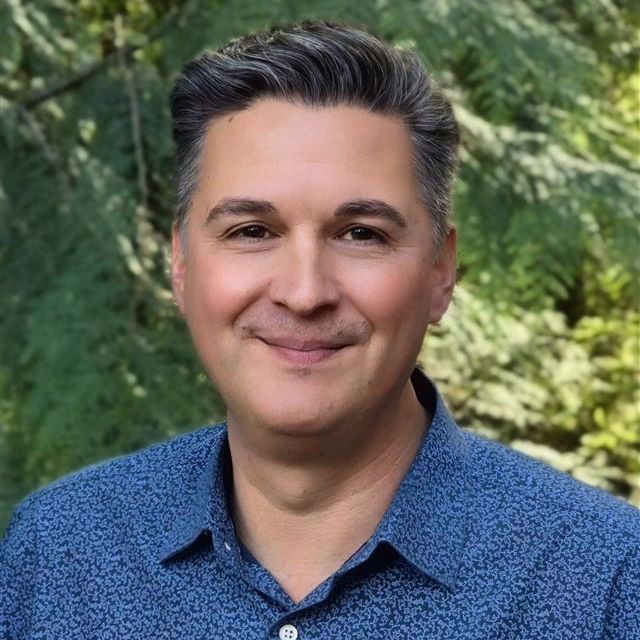
We are excited about Priscilla joining our team and please join us in welcoming her to the FNHA.
FNHA Contact: Priscilla.Watts@fnha.ca
|
|
The FNHA welcomes Whool’wuletza’aat to the VI region as the new Director of Programs and Services for the Coast Salish family |
|
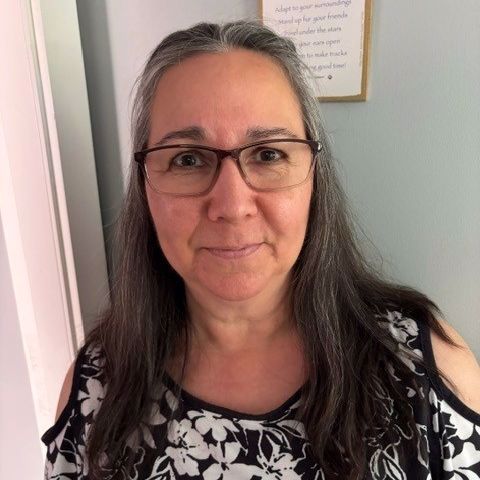
‘Uy’ Skweyul FNHA Family, my Xwelmuxw sne is Whool’wuletza’aat. My borrowed name is Roxanne Harris. I am a proud member and former Chief of Stz’uminus First Nation. My parents are George and late Sylvia Harris. I am the mother of two beautiful daughters, Jasmine and Chelsea.
I am proud to be the new Director of Programs and Services for the Coast Salish Families for the Vancouver Island region in the First Nations Health Authority organization.
Education is of the utmost importance to me – both my Hul’q’umi’num’ language and traditional teachings and Western education. I was raised by Hul’q’umi’num’ language speakers – my father George Harris and late mother Sylvia Harris. I also received my Bachelor’s Degree in Education at UBC in the year 2000 and my Master’s Degree in Educational Leadership from Vancouver Island University in the year 2021.
I have a strong background in Indigenous Education systems with over 20 years experience combined teaching in private, band operated and public-school settings. I have worked as a teacher, Principal and Education Director. I sat at the Leadership Table of Stz’uminus First Nation as and elected councilor for 9 years and was the first, lady Chief of Stz’uminus First Nation. I had spent 12 years total in my elected positions.
I am extremely excited to be on this new journey. I look forward to getting to know all my new colleagues here at FNHA. I also look forward to getting out into the communities and doing great work and collaboration with them as well.
FNHA Contact: Roxanne.Harris@fnha.ca
|
|
The FNHA welcomes Grant Robinson to the VI region as the new Regional Executive Director, Clinical and Wholistic Services |
|
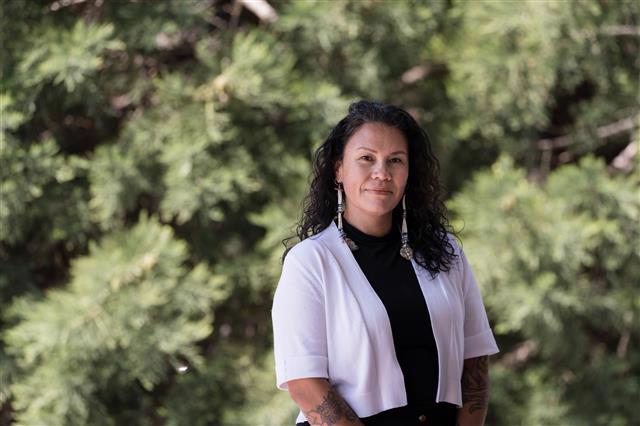
Grant is a proud member of the Lyackson First Nation. A Registered Nurse, with a background in clinical health management and Indigenous health, he brings a deep commitment to supporting the connection between individual health and wellness and the strength, resilience, and vitality of community.
Throughout his career, he has been a strong advocate for equitable and culturally aligned access to healthcare, services, and programs for First Nations communities. His experience spans bedside nursing, clinical leadership, and senior health system roles, including with Island Health, Indigenous Services Canada, and the Huli’tun Health Society. These experiences have shaped his commitment to approaches that are wholistic, culturally safe, and grounded in the priorities of the communities they serve.
Grant is known for his collaborative leadership style and his ability to build strong, meaningful relationships across communities, partners, and teams. He values listening first, learning from others, and working together to create lasting impact.
Outside of his work, Grant is known for his innumerable hobbies, from painting and pottery, to gardening and hiking. In his spare time, he can be found with his dog and husband exploring the traditional lands of the Nuu-chah-nulth, Kwakwaka’wakw, and Coast Salish nations on beautiful Vancouver Island.
We are excited about Grant joining our team and please join me in welcoming him to the FNHA.
FNHA Contact: Grant.Robinson@fnha.ca
|
|
Welcoming Sylvia St. George who has joined FNHA as the new Community Relations Representative for Vancouver Island |
|
Sylvia is the daughter of the late George Munroe from Camperville, Manitoba, of the Minegoziibe Anishinaabe (Pine Creek First Nation). She is Ojibway, Bear Clan, and carries the spirit name Maheeganaseikwe (Coyote Woman). Born and raised in Winnipeg, she later spent nearly two decades in Vancouver, White Rock, and the Okanagan, where she worked in Education as an Aboriginal Child and Youth Care Worker. She holds a Child and Youth Care degree from the University of Victoria and is currently completing her post graduate Human Resources Management Certificate.
Her professional journey has taken her across several provinces. In Northern Alberta, she supported foster parents in Child Welfare, and later in Ontario she worked as a Child and Family Wellbeing Worker supporting First Nations families. Sylvia is passionate about parenting programs, group facilitation, and creating safe, supportive spaces for families to learn and grow. She also spent 10 years working in Addictions, Mental Health, and Homelessness, advocating for individuals navigating complex systems and barriers.
In 2024, Sylvia returned to British Columbia and now lives in the Cowichan Valley on the territory of the Ts’uubaa asatx First Nation. Alongside her professional work, she is committed to holistic wellness and balance. She is an OCR certified Reflexologist, Reiki Practitioner, and offers Indie Head Massage, integrating healing modalities into her approach to community wellbeing.
Sylvia is excited to join the FNHA as the Community Relations Representative for Vancouver Island, where she looks forward to building relationships, supporting communities, and contributing to the Health Benefits Team with compassion, cultural grounding, and dedication.
FNHA Contact: Sylvia.St.George@fnha.ca
|
|
Welcoming Elyse Big George to the FNHA team as the Traditional Wellness Coordinator with the Coast Salish FNPCI |
|
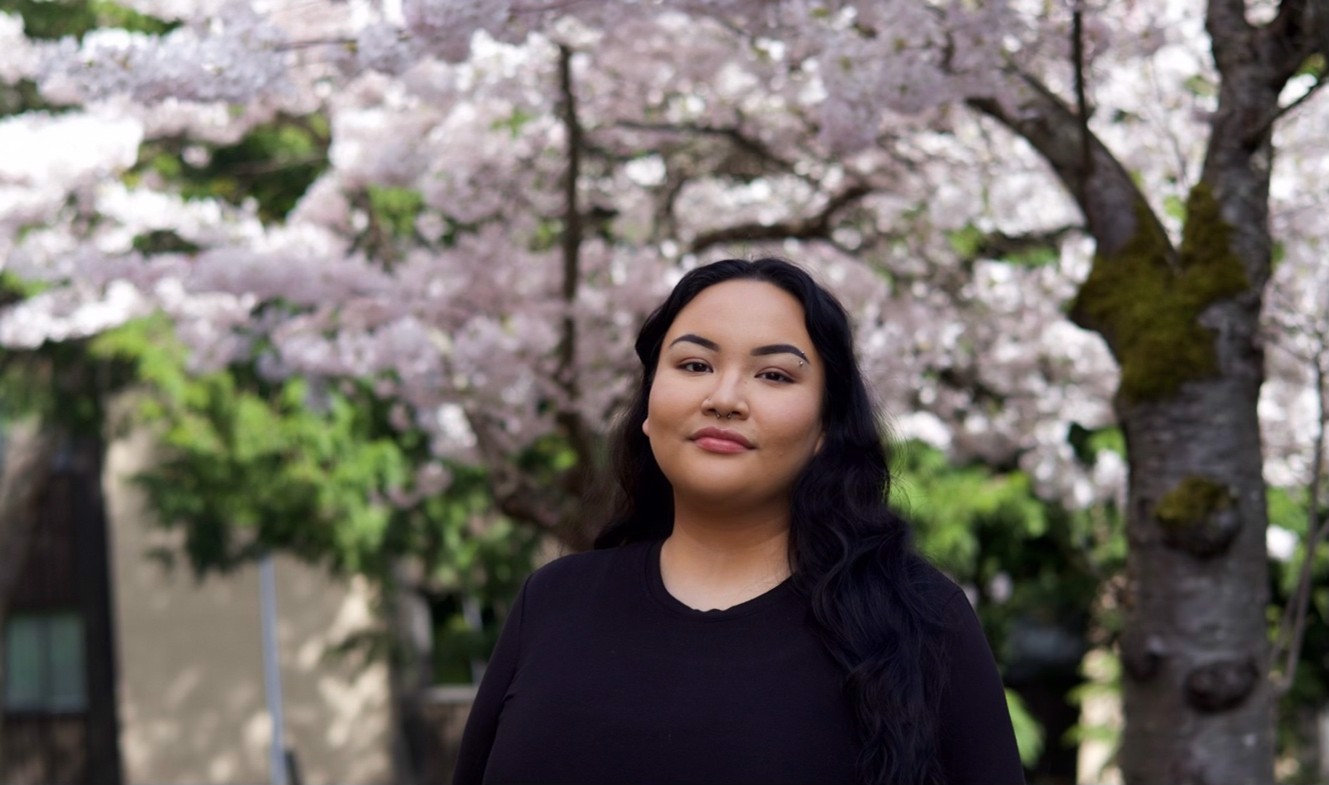
My name is Elyse Big George. I am from Kitchenuhmaykoosib Inninuwug in Treaty No.9 territory. My parents are Lydia Big George (nee. Cutfeet) and Darryl Big George. I am Anisininew (more commonly referred to as Oji-Cree) and Anishinaabe. I am blessed with close familial relations that expand across Treaty 9 and Treaty 3. I have been fortunate to live in the territories of the Lək̓ʷəŋən-speaking peoples (Songhees and Xʷsepsəm/Esquimalt) since August 2023.
I have experience working with various Indigenous organizations, groups, and communities. Previous opportunities provided me knowledge in crisis coordination, project planning and management, research, and community engagement. The previous positions I held were rooted in working in collaboration with Elders and Knowledge Keepers and understanding various Indigenous protocols. I have an interest in land-based healing and environmental health and wellness. I am excited to be joining the Vancouver Island team as the Project Coordinator, Traditional Wellness. Miigwetch.
FNHA Contact: Elyse.BigGeorge@fnha.ca
|
|
|
Welcoming Eva Holmes to the Toxic Drug Response Team with FNHA as a Co-op Student |
|
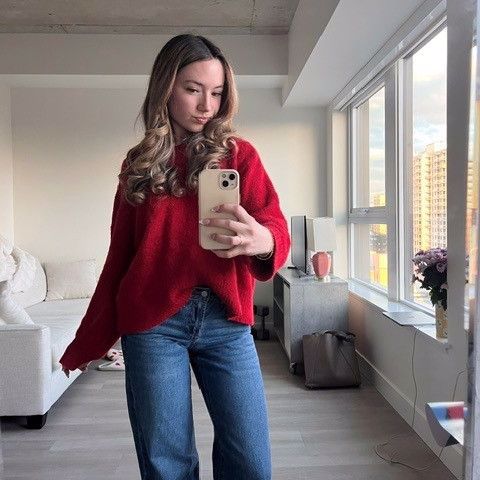
My name is Eva Holmes, and I am very excited to be joining the FNHA’s Vancouver Island Toxic Drug Response Team as a co-op student.
I am Coast Salish. I was born and raised in Sooke, on the traditional territories of the T’Sou-ke and Sc’ianew peoples. A few years ago, I moved to Victoria, located on the traditional territories of the lək̓ʷəŋən (Lekwungen) peoples, including the Songhees and Esquimalt Nations, to be closer to the University of Victoria and continue my education.
I am currently completing my Bachelor of Arts degree in Psychology at the University of Victoria. Through my studies, I have developed a strong interest in mental health, community wellness, trauma-informed care, and supporting people through compassionate and culturally safe approaches. I am very grateful for the opportunity to learn more about harm reduction work and to contribute to supporting communities across the Island region.
Outside of school and work, I enjoy staying active through running and going to the gym, and I also love reading in my spare time. I value connection, learning, and spending time outdoors, and I am excited to continue growing both personally and professionally in this role.
I look forward to meeting and working with everyone.
FNHA Contact: Eva.Holmes@fnha.ca
|
|
The FNHA welcomes Cher Nichols to the team as the First Nations Primary Care Nurse for Hub 2, FNPCI |
|
K’eex̱áaw, my name is Cher Nichols. I come from a mix of white settlers as well as Haida and Coast Salish family here in BC. I am grateful to step into the role of First Nations Primary Care Nurse, bringing over 30 years of nursing experience along with a strong commitment to community-centered care.
I have lived on Vancouver Island for the past nine years, and throughout my career I’ve had the privilege of working across many parts of this province, including my ancestral territories in Haida Gwaii and Coast Salish regions. These experiences have shaped my approach to care, grounding it in respect, relationship-building, and cultural safety.
I am honored to be working in primary care alongside Coast Salish Nations and to be part of a team dedicated to advancing equitable health care, improving health outcomes, and fostering environments where people feel safe and supported.
I look forward to this journey and to meeting and learning from many of you along the way.
I currently live with my family on the unceded territory of the Quw’utsun’in North Cowichan. Outside of work, you’ll often find us enjoying the parks and playgrounds throughout this beautiful community.
FNHA Contact: Cheryl.Nichols@fnha.ca
|
|
Honouring Nurses During National Nursing Week |
|
National Nursing Week is a time to celebrate and honour the essential role nurses play in supporting healthy, self-determining and vibrant First Nations children, families and communities. This year, we're sharing messages from leaders across the regions, reflecting on the power of nurses to transform health care.
To our Community Health Nurses across Vancouver Island – thank you for the care, dedication and leadership you bring to your work every day.
Your contributions extend beyond clinical care, grounded in cultural humility, strong relationships and a commitment to wholistic wellness. Whether supporting community-led services, strengthening access to care, or walking alongside individuals and families, you're the backbone of care and your impact is felt across communities. We are grateful for the role you play in advancing health and wellness and honour the meaningful difference you continue to make. Gilakas'la - Kleco Kleco - Huy ch q'u.
|
|
Giving Voice: Sacred Tseshaht Women Empowerment Conference |
|
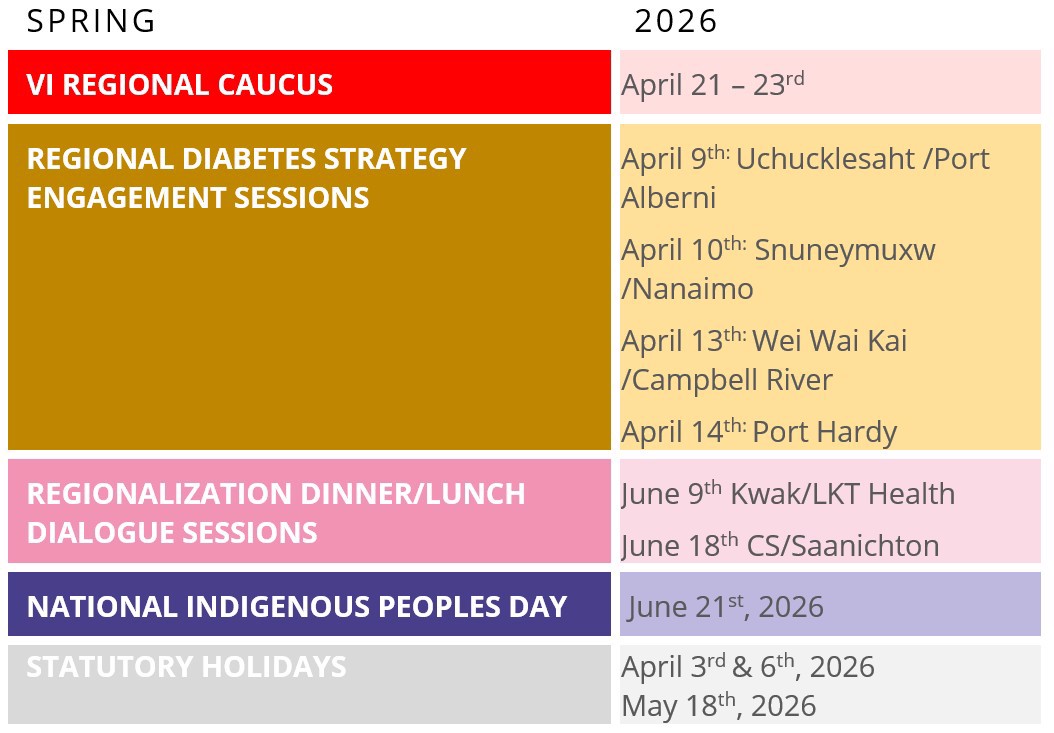
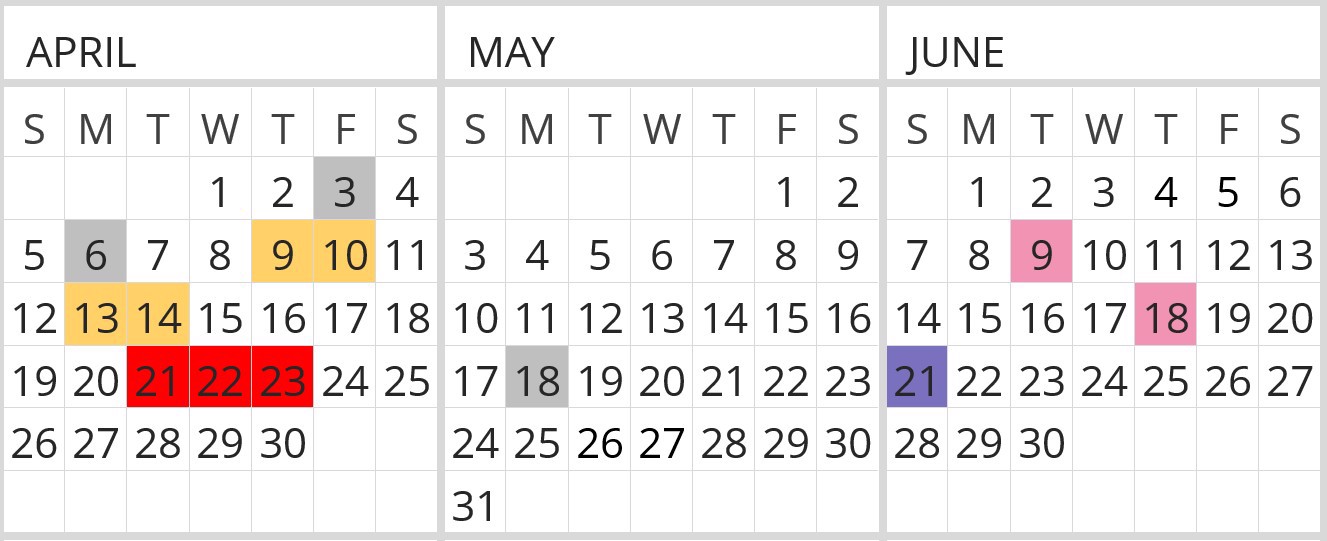
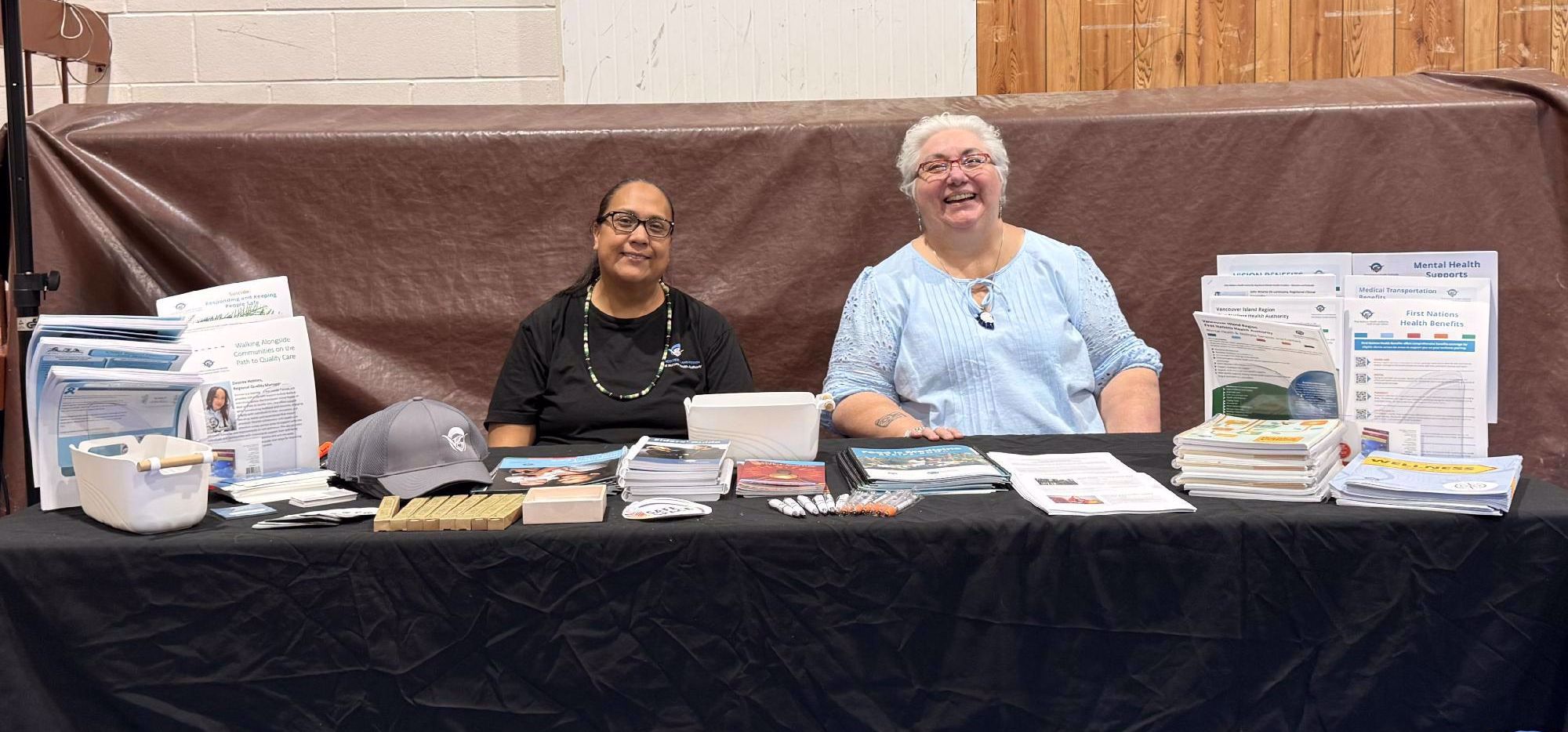
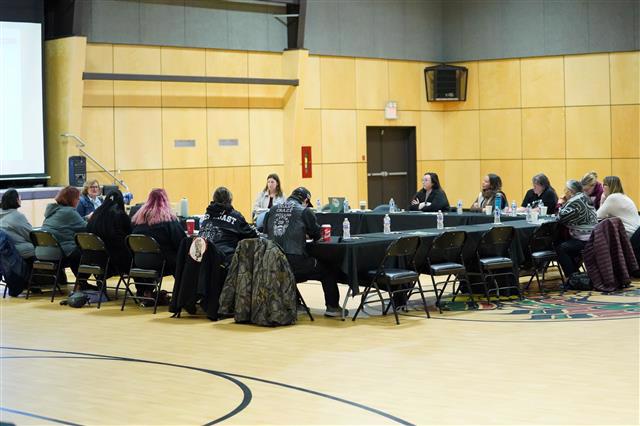
The Tseshaht community hosted a powerful three-day gathering: the Giving Voice Sacred Tseshaht Women Empowerment Conference (May 22–24, 2026) at Maht Mah’s Gymnasium. The Vancouver Island Region was proud to be there supporting this inspiring event.
Leslee Wyse, Community Engagement Coordinator, and Beryl Parke, Social Worker with the First Nations Health Authority, were on site connecting with community members—sharing resources, engaging in meaningful conversations, and offering some fun swag.
The conference brought together voices, knowledge, and healing through sessions focused on wellness, health, traditional practices, and resilience.
|
|
A Diabetes Strategy Grounded in Respect: A journey across the Vancouver Island |
|
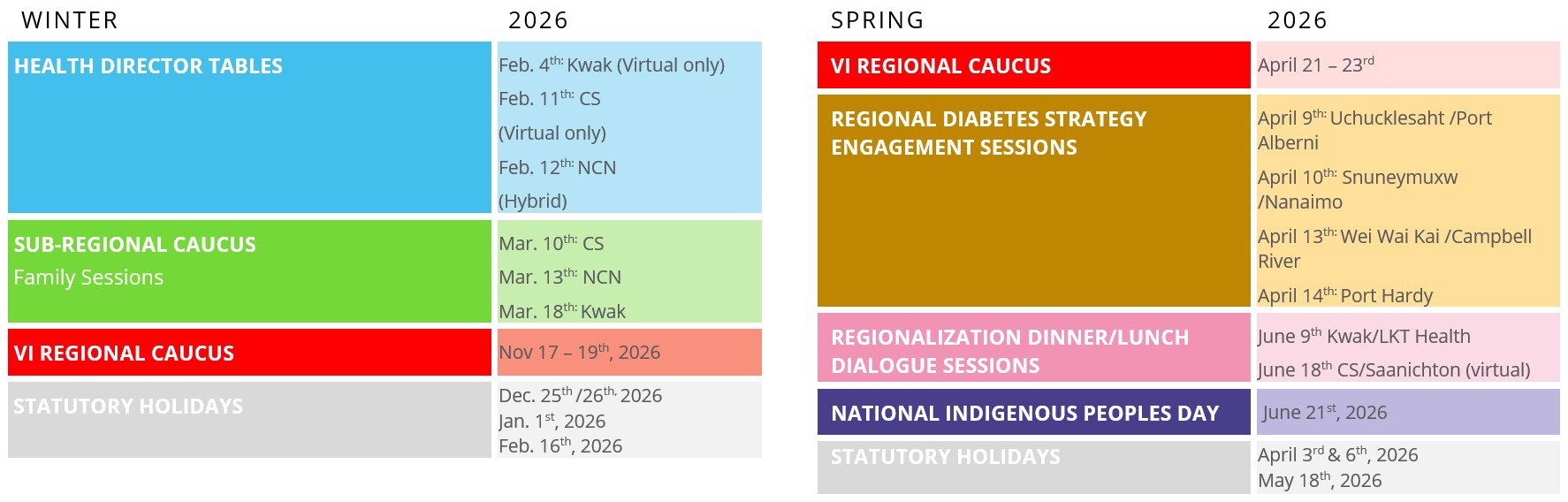
Regional Diabetes Strategy Engagement Sessions: Uchucklesaht, Snuneymuxw, Wei Wai Kai, Kwakiutl
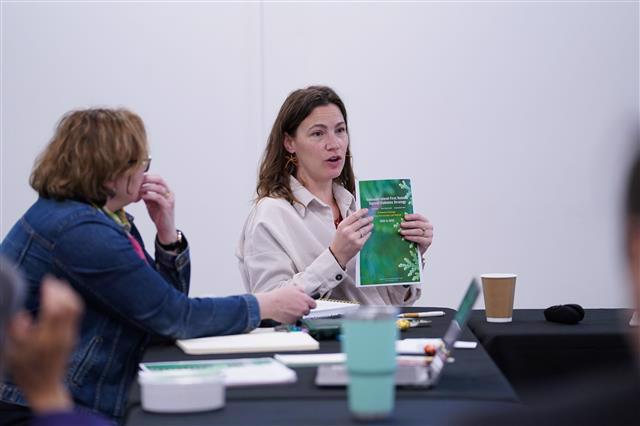
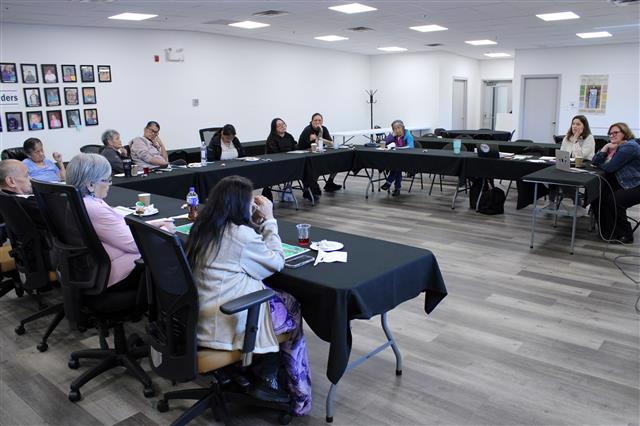
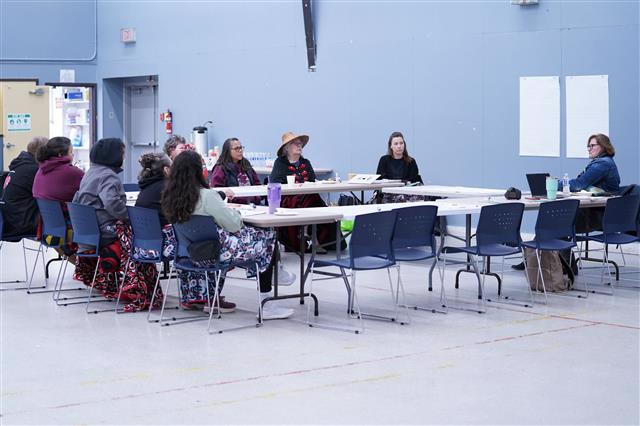
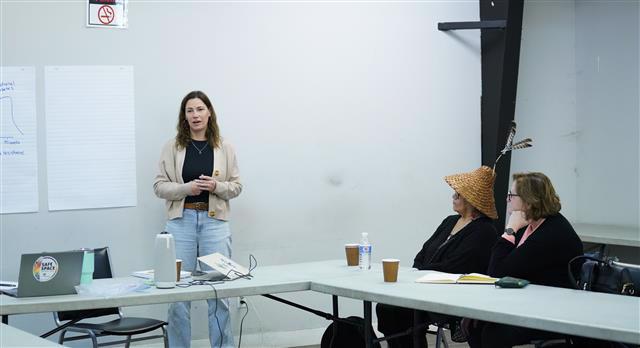
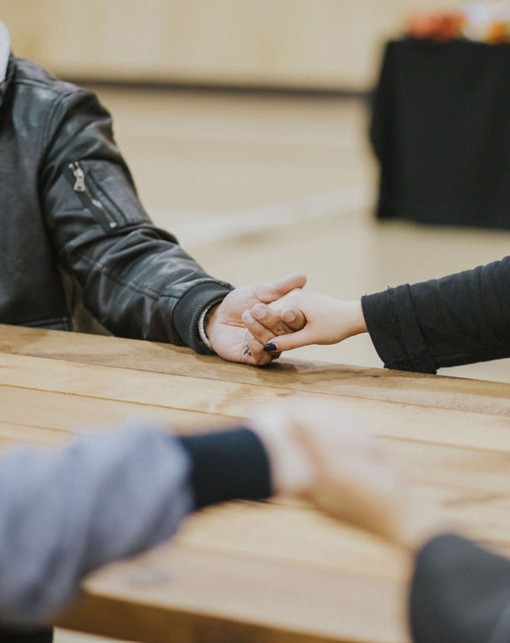
Across four gatherings on Vancouver Island (VI), the VI Region with the First Nations Health Authority (FNHA), had the privilege of sitting with communities, listening, learning, and sharing space in ways that felt grounded in respect and relationship. Each gathering brought forward its own voice, stories, and truths. There were moments of quiet reflection and moments of laughter and storytelling, but throughout it all, the care, openness, and honesty each community brought forward remained constant.
These sessions were offered as an opportunity to come together around something important for the region: the Vancouver Island First Nations Regional Diabetes Strategy, developed in collaboration with IDEA Diabetes consultants Rebecca Sovdi and Barbara MacDonald. What makes this work meaningful is that it is rooted in community. It was created by and for First Nations on Vancouver Island and continues to be guided by them.
|
|
The gatherings created space for community members, health staff, cooks, and others to learn more about the Strategy and explore how it could live in their own work and communities. The conversations that followed reflected both the strength of community knowledge and the realities that shape day-to-day experiences.
Across every gathering, a clear and consistent understanding emerged: care cannot be delivered through systems alone. It must begin with relationship.
“Instead of making a report…people would bring something, like a fish and we would help each other,” says Wickaninnish (Cliff Atleo Sr.), grounding us in lived experience. These reflections echoed across communities, reminding us that the foundation for wellness is already present, held within families, cultures, and long-standing practices of caring for one another.
|
|
At the same time, people spoke openly about the realities they continue to navigate. Access to care was one of the most consistent challenges raised throughout the island. “What’s in Vancouver isn’t here,” one participant explained, naming the gaps that exist between urban and rural or remote communities. Others spoke about long travel times, limited access to specialists, and the disruption caused by frequent provider turnover. “You finally get somewhere… and then the doctor changes,” another participant reflected, an experience many recognized.
As these conversations continued, we moved naturally from system challenges into deeper discussions about how diabetes itself is understood and experienced.
For many, the dominant narrative has long been shaped by blame and restriction. Through these gatherings, we heard how important it is to move toward a more compassionate and connected understanding, one that reflects the realities of people’s lives. “It’s not your fault,” was shared in the sessions, and it resonated deeply. It opened space to consider how diabetes is connected to stress, trauma, poverty, and the ongoing impacts of colonization. These are factors that cannot be separated from health and wellbeing.
|
|
People shared their own experiences in ways that brought this to life. “I grew up without enough food… now I always make too much,” one participant reflected, connecting past experiences to present-day relationships with food. Others spoke about caring for children, Elders, and extended family, while navigating systems that do not always feel safe or accessible.
From these shared experiences, another idea began to take hold across gatherings: food is love. This was a core focus of the work led by Rebecca Sovdi and Barbara MacDonald, shifting the conversation away from restriction and toward relationship. Instead of focusing on what people should eat, discussions centred on what people enjoy, what they can access, and what nourishment looks like in the context of their lives, families, and cultures. As Elder Maggie shared through Rebecca, this understanding reflects a deeper connection between food, care, and community.
|
|
There was a strong and consistent message about the importance of shared power. Care works best when people are at the centre, when their knowledge, preferences, and autonomy are respected. Community members spoke about the importance of working together, reflecting a shared vision for care that is collaborative, respectful, and grounded in relationship. This aligns closely with the IDEA Diabetes philosophy and pathway, which centres partnership and collective problem-solving.
By bringing these voices together, the conversations moved toward what is possible. From reflecting on challenges, to reshaping language and understanding, to identifying solutions rooted in community strengths, a shared path forward began to emerge.
“We already care for each other… we just need the system to support that,” a participant reminded us.
Across the Vancouver Island Region, this message was clear: the future of diabetes care is not something that will be built for communities, but with them. As FNHA, we carry these learnings forward with care and responsibility, continuing to walk alongside communities as they bring the Regional Diabetes Strategy to life in ways that reflect their strengths, knowledge, and priorities.
|
|
FNHA Chief Medical Officer Dr. Nel Wieman receives Inaugural Indigenous Health Advocacy Award |
|
FNHA is proud to share that Chief Medical Officer Dr. Nel Wieman has been named a recipient of the inaugural Dr. Barry Lavallee Indigenous Health Advocacy Award by the Indigenous Physicians Association of Canada.
|
|
Effective May 11: Temporary MT mileage rate increase |
|
As gas prices across BC increase, First Nations Health Benefits is implementing a temporary milage rate increase to ensure that changes do not impact clients' ability to access medically necessary appointments when using their private vehicles.
|
|
Elder encourages spiritual grounding for emergency preparedness |
|
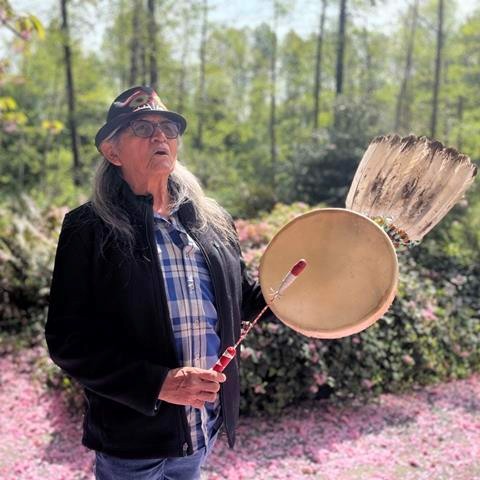
As BC transitions into warmer weather, it's important to prepare for potential events that may occur such as wildfires, extreme heat or floods. Elder Eugene Harry, from the Cowichan Tribes, joined FNHA's Health Emergency Management team to talk about emergency preparedness from a First Nations perspective.
|
|
Empowering Health Directors through the Centre for Indigenous Health Leadership |
|
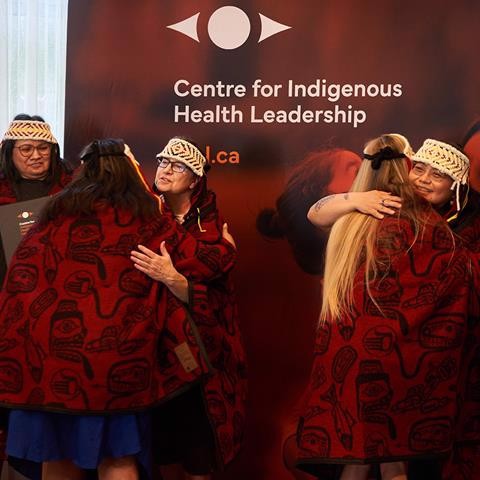
The Centre for Indigenous Health Leadership is a designated post secondary institution created by Health Directors, for Health Directors. The program emphasizes practical, real world skills and accessible learning and provides full tuition grants to reduce barriers and support community leadership.
|
|
Food is Medicine: Gifts from Relations |
|
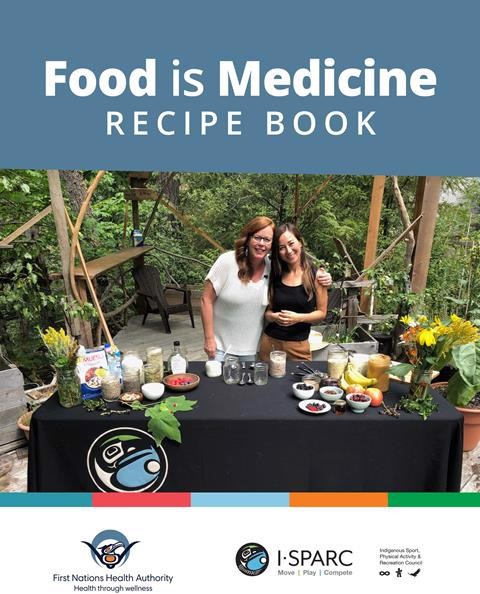
FNHA and the Indigenous Sport, Physical Activity and Recreation Council are proud to share Volume Three of the Food is Medicine recipe book, Gifts from Relations. This newest edition builds on earlier volumes, expanding the collection with additional recipes that celebrate connection, culture and wellness.
|
|
30x30 Active Wellness Challenge begins June 1 |
|
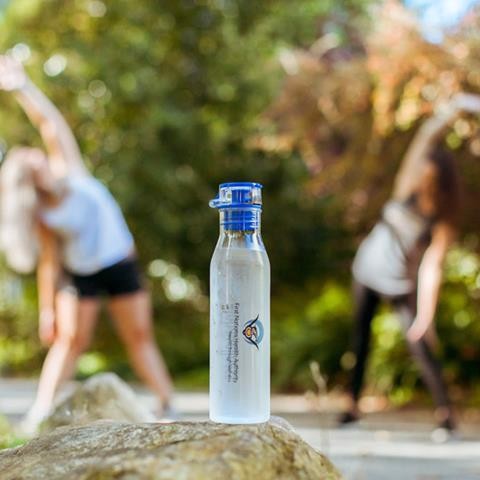
The annual 30x30 Active Wellness Challenge begins June 1. The initiative invites us to come together around the kitchen table, reflect on what wellness looks like for our families, and set goals that feel meaningful and achievable.
|
|
ALS Awareness Month: Learning the signs and sharing support |
|
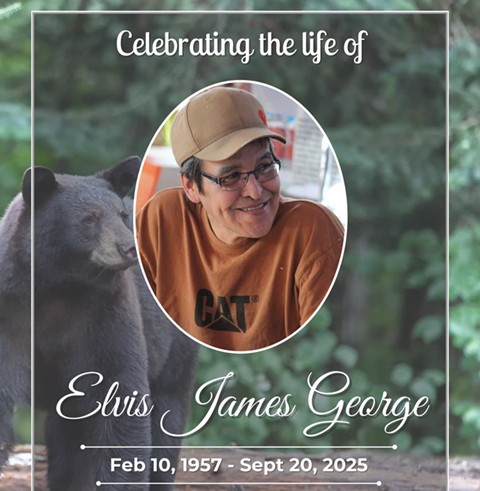
To mark ALS Awareness Month, FNHA is sharing the story of the late Elvis James George. His family has made it their mission to raise awareness about ALS and support others by sharing his journey and the warning signs of this devastating disease.
|
|
Supporting your wellness during allergy season |
|
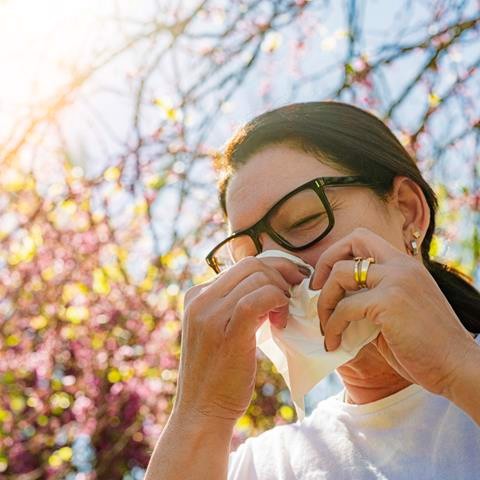
Climate change is making allergy season start earlier, last longer and affect more people. Warmer temperatures and shifting weather patterns are disrupting natural cycles, leading to higher pollen levels and longer periods of exposure.
|
|
Applications Now Open for Mini Peaks Legacy Program |
|
Eligible groups can now express their interest in having a mini-pitch built in their community.
On March 19, 2026, the Province of British Columbia, viaSport, and Vancouver Whitecaps FC announced that as many as 20 communities will be chosen to receive a state-of-the-art soccer mini-pitch, in celebration of the FIFA World Cup 2026™. The Province of B.C. and viaSport are providing $10 million to help bring this project to life, with Vancouver Whitecaps FC contributing an additional $3 million to support its success.
|
|
Indigenous-Led Gambling Harm Reduction and Community Capacity Building Grant |
|
The grant is established in partnership with Community Action Initiative (CAI), the Ministry of Health (MoH) and Gambling Supports B.C. (GSBC), and is informed by the needs of First Nations, Métis, Inuit, and urban Indigenous service providers, Nations and community organizations. The grant offers funding of up to $45,000 per year over a two-year period, to a maximum total of $90,000 per grantee. It is available to First Nations, Métis, Inuit, and urban Indigenous-led organizations delivering services to Indigenous communities in British Columbia.
|
|
Transforming Systems Grants (TSG): Applications will open on June 8, 2026 |
|
TSG support organizations addressing the root causes of inequality and allow those most affected by systems that create unfair conditions to shape their own futures. The grant’s funding supports efforts that influence one or more of the six conditions of systems change: policies, practices, resource flows, relationships, power dynamics, and mental models. It supports work that focuses on creating lasting change by addressing the conditions that keep systemic issues in place.
The 2026 program includes two funding streams: Explore and Influence. They support organizations at different stages of changing systems: those beginning to explore root causes and those ready to test, deepen, or expand their influence.
|
|
2026 Food Systems Program Grant: deadline is June 15th, 2026 |
|
As part of the Indigenous Sport, Physical Activity and Recreation Council’s (I·SPARC) Healthy Living programming, the Food Systems Program (FSP) supports Indigenous communities in reaching their food sovereignty and food security goals. The Food Systems Program distributes grant opportunities and provides support with capacity building, technical training, networking, and cultural sharing through in-person gatherings, online education/events, and resource sharing. I·SPARC is committed to being inclusive of all aspects of food relations while offering a low-barrier strengths-based approach. Building on over ten years of prior momentum, I·SPARC is now in the fifth year of delivering the Food Systems Program in 2026-27, funded in partnership with the First Nations Health Authority.
|
|
- Family Physician - Nuu-chah-nulth Primary Care Centre (?uuk?inkpanac)
- Family Physician - Pata'yi Primary Care Initiative (Kwakwaka’wakw Communities on Northern Vancouver Island)
- Mental Health Clinician (Cowichan Valley)
- Nurse Practitioner - Coast Salish FNPCC (South Vancouver Island)
- Nurse Practitioner - Pata'yi Primary Care Centre (Kwakwaka’wakw Communities on Northern Vancouver Island)
- Community Health & Home Care Nurse (Gilford, Vancouver Island)
- Diabetes Nurse Leader (Oyster Bay)
- Primary Care Registered Nurse (Tseycum - Saanich)
- Coast Salish Hub Clinician (Vancouver Island)
- Community Coordinator, Crisis Response (Tseshaht)
- Director, Family Based Programs and Services (Nuu-Chah-Nulth Territory)
- Health and Wellness Specialist, Kwakwaka’wakw Cultural Family Group (Port Hardy or Quinsam, BC)
- Medical Office Assistant,Vancouver Island Primary Care Centre Cowichan Tribes (Cowichan Valley)
- Director for First Nations Governance, Engagement & Culture (Fraser Salish Region)
- Quality Care Coordinator (Port Alberni/Tseshaht)
- Quality Care Coordinator (Port Hardy/Campbell River)
- Quality Care Coordinator (Stz'uminus/Oyster Bay)
- Project Lead, Health Services in Remote Isolated Communities
- Project Lead, Racism (Ladysmith/Stz’uminus)
- Project Lead, Regionalization (Ladysmith)
- Regional Senior Coordinator (Stzuminus/Oyster Bay)
|
|
First Nations Health Authority
Regional Contacts |
|
|
|
|
Vice President, Vancouver Island
Regional Executive Director
Executive Director, Clinical Wholistic Services
Director, Regional Programs and Services, Coast Salish
Director, Regional Community Health and Wellness Services, Nuu-Chah-Nulth
Director, Regional Community Health and Wellness Services, Kwakwaka'wakw
Regional Operations Manager
Regional Manager, Planning and Development
Acting, Regional Finance Manager
Manager, Community Engagement:
Community Engagement Coordinators:
- Coast Salish:
- Nuu-chah-nulth:
- Kwakwaka'wakw:
Urban and Away from Home Coordinator
Regional Communication Generalist
Quality and Safety Analyst
Senior Advisor Cultural Safety and Humility
Regional Human Resources Generalist
|
|
|---|
|
|
|
|
|
Regional Nurse Manager:
Communicable Disease Emergency Manager:
Community Practice Consultants:
Nurse Navigators:
|
|
|---|
|
|
|
|
|
Community Relations Representative,
Health Benefits:
Registered Dental Therapists:
- Kim Trottier, Kim.Trottier@fnha.ca (Communities: Stz’uminus, Penelakut, Dzawada’enuxw)
- Melanie Braker, Melanie.Braker@fnha.ca (Communities: Ka;’yu:’k’t’h’/Che;k’tles7et’h’,
Yuułuʔiłʔatḥ, Ahousaht, Tla-o-qui-aht, Ditidaht, Huu-ay-aht, Hupacasath, Pauquachin and Tseycum
- Angela Ransom, Angela.Ransom@fnha.ca
(Communities: Mowachaht/Muchalaht First Nation, Kwakwaka'wakw First Nations – Quatsino, Gwa’sala-Nakwaxda’xw and Kwakiutl, Dzawada̱ʼenux̱w First Nation, Liǧʷiłdax̌ʷ First Nation - We Wai Kai, Wei Wai Kum and Kwiakah and Xwémalhkwu First Nation)
|
|
|---|
|
|
|
|
|
Regional Manager Environmental Public Health Services
|
|
|---|
|
|
|
|
|
Kwakwaka’wakw Manager, Public Health & Emergency Response
Community Coordinators, Crisis Response
Regional Manager, Toxic Drug Response
|
|
|---|
|
|
|
|
|
Regional Manager, Mental Health and Wellness
Team Lead, Mental Health and Wellness
Clinical Counsellor
Social Worker
|
|
|---|
|
|
|
|
|
Regional Manager, Maternal Child and Family Health:
|
|
|---|
|
|
|
|
|
Executive Director, Clinical Wholistic Services
|
|
|---|
|
|
Island Health – Indigenous Health, Diversity, Equity & Inclusion Portfolio Contacts |
|
|
|
|
South Island
Central Island
North Island
Cultural Safety & Humility
Indigenous Recruitment & Retention
Strategy, Partnerships & Engagement
Diversity, Equity, & Inclusion
Medical Director
|
|
|---|
|
|
| |
|
 | |
|  |
|
|
|
|