News Updates
November 13th, 2025 |
|
|
|
|
Greetings respected Vancouver Island First Nations Leadership;
Welcome to our VI Regional e-newsletter. This newsletter will highlight updates for the Vancouver Island region from the FNHA, Island Health, Government of BC, Government of Canada, alongside many other partners.
In today's edition you will find:
|
|
|---|
|
|
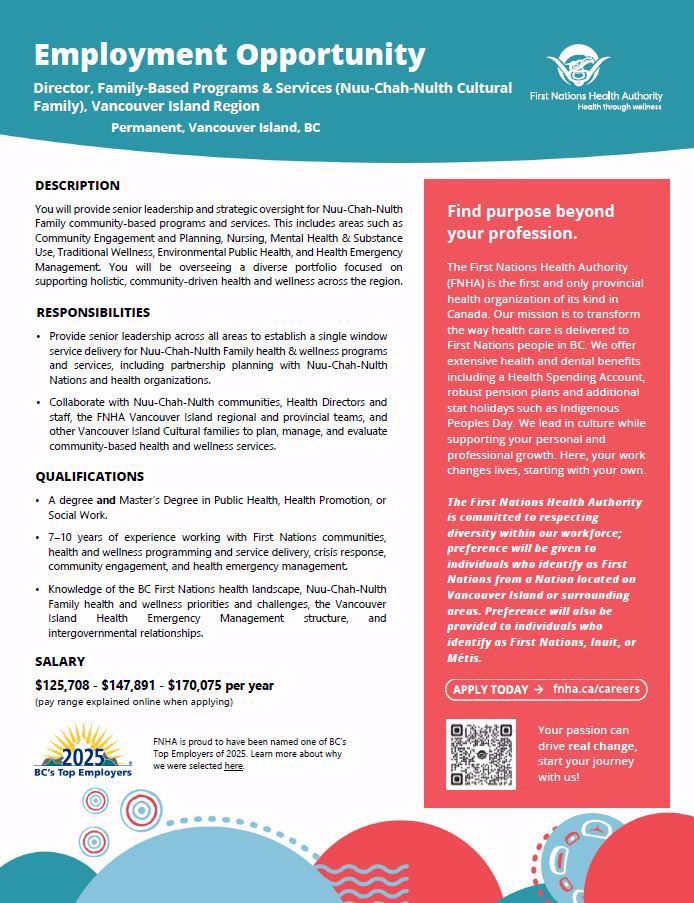
Join Our Vancouver Island Leadership Team |
|
We’re seeking a senior leader to oversee community-based health and wellness programs for the Nuu-Chah-Nulth Family. This role provides strategic direction across Nursing, Mental Health & Substance Use, Traditional Wellness, Environmental Public Health, Emergency Management, and more all with a focus on wholistic, community-driven care.
You’ll collaborate with Nuu-Chah-Nulth Nations, Health Directors, and regional teams to deliver integrated services and support. If you bring leadership experience in First Nations health, crisis response, and community engagement, we encourage you to apply.
|
|
|
Demolition of the Christie Residential School: A Day of Healing and Strength |
|
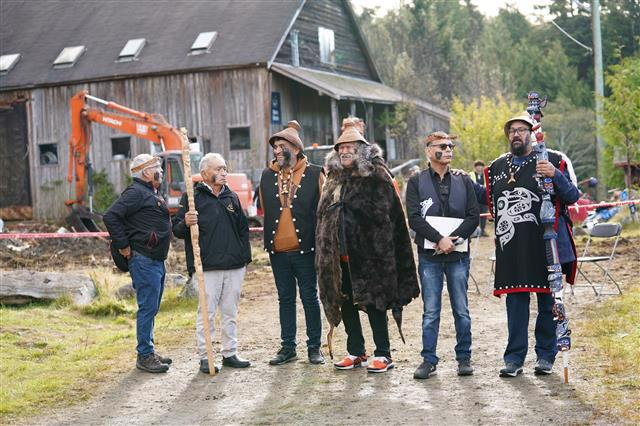
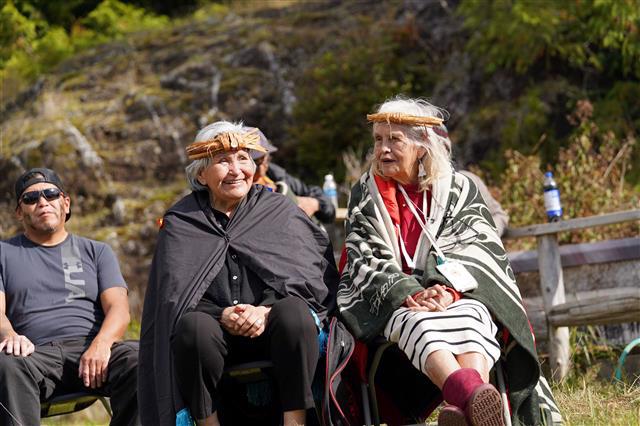
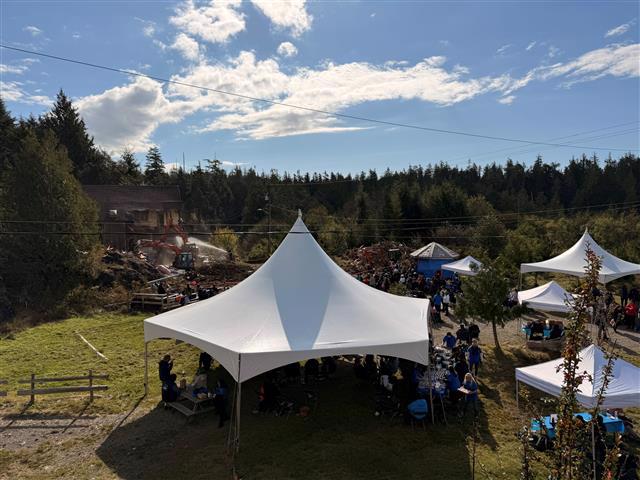
On October 9, 2025, Survivors, families, leaders, and community members gathered on m̓aackʷiiʔatḥ (Matsquiaht) on Meares Island to witness the Demolition of the Christie Residential School – Healing Gathering, hosted by the ʕaaḥuusʔatḥ (Ahousaht) Nation. The event marked a historic and deeply emotional moment: the physical removal of the final three buildings of the former Christie Indian Residential School, a site where generations of children from across Vancouver Island and beyond were taken from their homes and families.
|
|
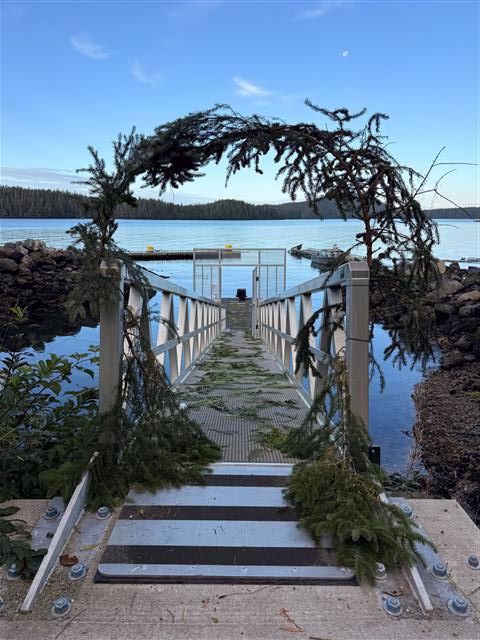
Early that morning, boats carried Survivors and community members across the water from Tofino to Meares Island. As they stepped off the docks, they were met with cedar branches laid along the dock and a cedar arch at the top of the ramp, a soft but powerful gesture to brush off and protect each person as they arrived. Cedar, a sacred medicine, carried with it prayers of strength and safety as Survivors returned to a place where many had not walked in decades.
|
|
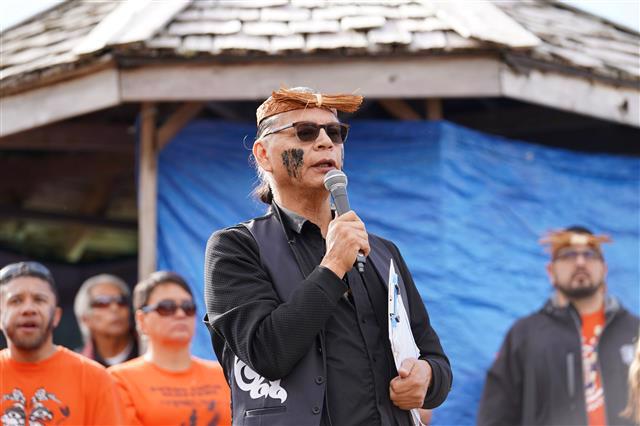
The ceremony began with prayer, language, and protocol, grounding the gathering in cultural strength. Greg Louie , former elected Chief of Ahousaht, Director at Large for the First Nations Health Authority and former Christie Residential School student, opened the day by speaking about the power of language and ceremony. “Our language is who we are. It grounds us, connects us to who we are, to the land, to the Nisma (land) of where we come from,” he shared. As his brother Francis led the opening prayer in their language, the air was still. No translation followed, only feeling. “We just want our people to feel the words that reconnect us back to who we are.”
Throughout the day, Survivors were offered the opportunity to enter the buildings one last time, not as students, but as witnesses and warriors. Many chose to participate in the demolition with their own hands, striking the walls with sledgehammers or throwing rocks. Each swing carried years of pain, memory, and reclamation. For some, it was an act of release. For others, a statement of survival. Where once children had been silenced, today their voices, and the voices of their children and grandchildren, echoed in the open air.
As the machinery tore into the roof, the sound of cracking wood and shattering glass carried across the clearing. But this time, the sound belonged to the people.
|
|
Greg Louie reminded those gathered of the resilience that carried them here. “They may have taken away our clothes and cut our hair, but they didn’t take away our soul. They didn’t take away our łim̓aqsti (inner spirit). I’m still here. And we’ll be here forever,” he said. As he spoke, an eagle flew overhead. “The creator is real powerful. It just flew over us and gave us thumbs up, assurance, says we’re on the right track. We have a great vision, and we’re going to soar from here.”
The day unfolded through songs, speeches, blanketing ceremonies, and moments of shared silence. Survivors reconnected with one another, some after more than fifty years. Others came as children and grandchildren, standing in solidarity with those who endured the school’s harms.
|
|
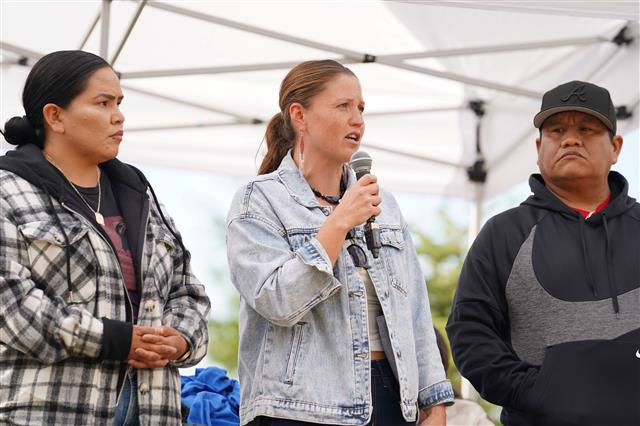
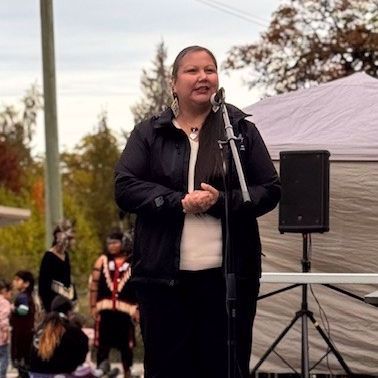
Mariah Charleston, elected Chief Councillor of the Hesquiaht First Nation and the Nuu-chah-nulth Representative to the First Nations Health Council, stood before the crowd with her council members. Her voice was steady but full. “We stand here today to support not only our survivors, but those who never made it home and all of the generations that this place has left a really negative impact on,” she said. She shared how fear had surrounded this place all her life, but that showing up was part of the healing. “We knew that we had to be here today. To show that we’re here to support all of those who have attended. They’re still alive and they’re still here. And that’s who we’re here to support.”
|
|
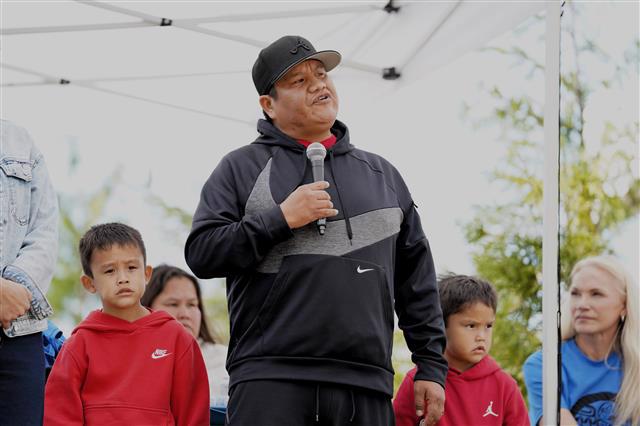
For many, the day carried multiple truths, of grief, anger, release, and strength. Preston Campbell spoke directly to the Survivors. “I don’t like to call you guys survivors, but you know who you are. Thank you for fighting the fight. Not for yourself. Not for me, but for my boys,” he said. “You did not deserve that. The life you have now, look at your grandchildren. That’s proof. Living proof.”
The buildings that came down that day, the gym, living quarters, and a small house, were some of the last physical structures remaining from the former residential school. Their removal was both a symbolic and tangible step toward healing. The Ahousaht hereditary leadership and Residential School Research Team plan to restore the site and redevelop it in ways that honour the land and its people, creating space for new beginnings.
FNHA staff were present at the gathering as volunteers, clinicians, communicators, and community members. Many, themselves, held the weight of the day deeply. The FNHA’s role was to stand alongside the Ahousaht Nation and Survivors in support, with respect and care. Clinical counsellors were on-site to offer emotional and cultural support to anyone who needed it throughout the day.
“Our team was honoured to witness this historic gathering,” said Brennan MacDonald, Vice President of Regional Operations, Vancouver Island Region, FNHA. “We recognize the lasting impacts that residential school have had, and continue to have, on our people. This day offered an opportunity to move together along the path of healing with Nations, restoring our relationships with the land and with one another. That healing is grounded in the strength and richness of our people, our cultures, and our ways of life.”
|
|
This gathering was not an ending, but a chapter in a longer story, one of healing, reclamation, and truth. As the final building fell, cedar smoke lifted into the air. People stood together, some wrapped in blankets, some holding each other in silence. The school could no longer hold power over them.
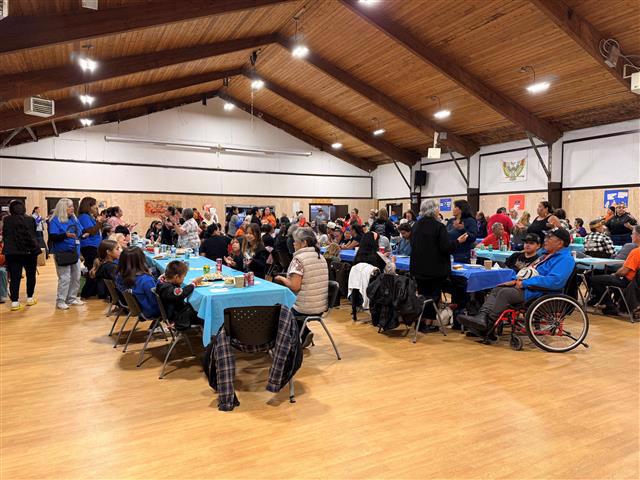
Following the healing gathering on Meares Island, attendees travelled to the village of ʕaaḥuusʔatḥ (Ahousaht) for a feast, a continuation of the day’s healing through song, dance, food, and connection. In the community hall, voices lifted in traditional songs, drums echoed against the cedar walls, and children danced with pride beside their parents and grandparents.
|
|
The feast was more than a meal; it was a celebration of survival and love for one another. Gifts were shared among Nations, stories and laughter filled the space, and generations stood together, the children and grandchildren of residential school Survivors. In every beat of the drum and every step of each young dancer was a powerful truth: the Ahousaht people, and all First Nations people, are still here, thriving, teaching, and healing.
The strength and resilience carried through the day reminded all who gathered that the spirit of the people endures, in the languages spoken, in the songs sung, and in the hearts of those who continue to rise.
|
|
Bringing Breast Cancer Screening Closer to Home: Partnering for Wellness in Ty-Histanis
|
|
In honour of Breast Cancer Awareness Month, the First Nations Health Authority (FNHA) partnered with BC Cancer, Uut Uustukyuu Society, Tla-o-qui-aht First Nation, and ʔuukʷinkpanač to host a three-day mobile breast screening event from October 28–30, at the Tla-o-qui-aht Health Centre in Ty-Histanis. The event reflected the partners’ shared goal of reducing barriers to care and improving access to preventive health services for Indigenous peoples.
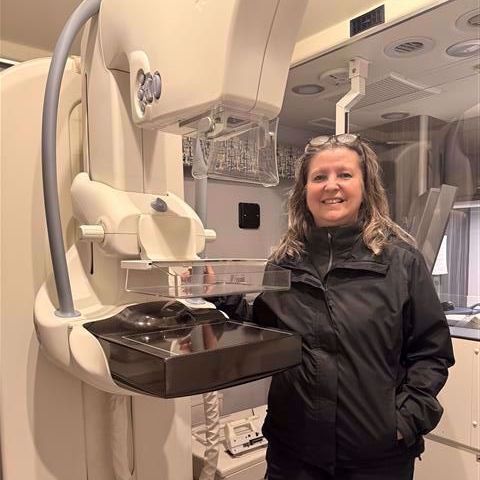
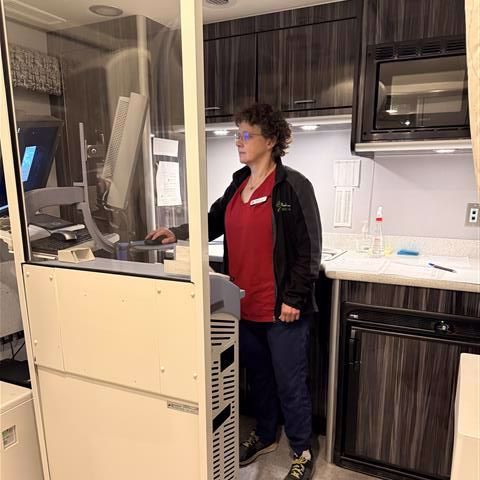
Joanne one of BC Cancer’s mammography technicians on site during the event, explained how the mobile program is improving access for rural and remote communities across the province:
“We see many women who might not have been screened because of where they live. Bringing the service to community makes it more accessible and less intimidating. Our role is to make every person feel comfortable, supported, and informed. It only takes a few minutes, but it can save a life.”
|
|
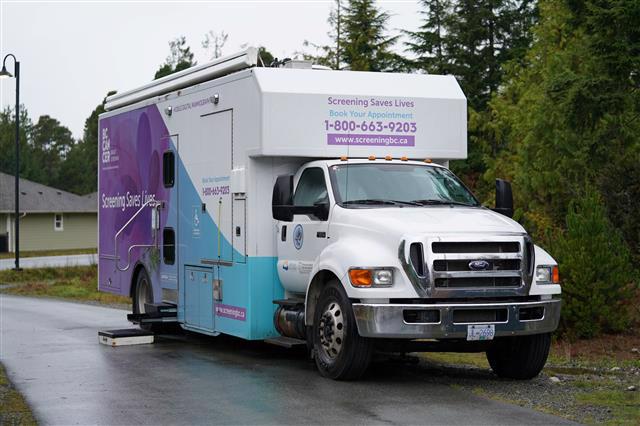
Throughout the week, the BC Cancer “Mobile Mammogram Van” provided screening services for people with breasts aged 40 and older, ensuring access to life-saving preventive care in a culturally safe and welcoming environment. Walk-ins were welcomed, and traditional doctors from Uut Uustukyuu were present throughout the event, offering cultural supports such as brushing and traditional medicines to ground the experience in connection and wholistic wellness.
FNHA staff worked closely with BC Cancer Indigenous Health Promotion, Uut Uustukyuu, and the West Coast Primary Care Initiative to support coordination, logistics, and engagement leading up to the event. Together, the teams created a safe and inclusive space where participants could receive screenings, ask questions, and connect with local health and wellness resources.
“Preventive health is about access, comfort, and trust,” said Amy Smith, FNHA Primary Care Senior Wellness Coordinator. “When health services are delivered in community, in a way that respects culture and family, it makes a world of difference.”
|
|
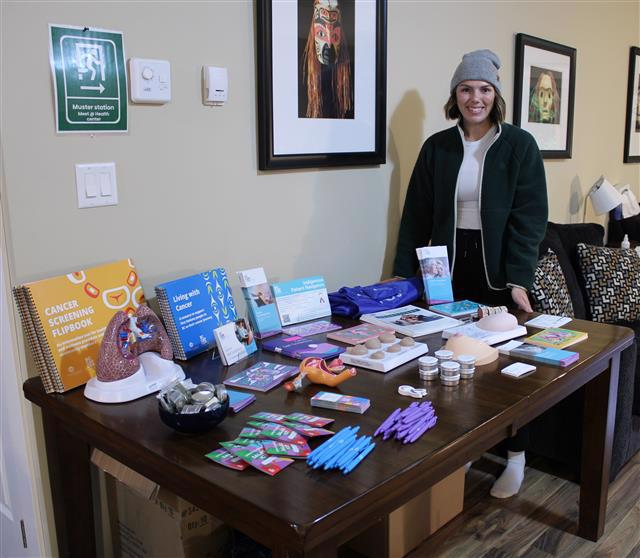
To prepare for the week, the teams gathered in Tofino for setup and shared a meal to reflect on the importance of collaboration and prevention. Over the next three days, the mobile mammography unit, equipped with state-of-the-art digital imaging technology, a private examination room, and a wheelchair lift, welcomed community members for both booked and walk-in appointments. FNHA staff were on site daily with information, giveaways, food, and door prizes to help make the experience as welcoming and community-focused as possible.
hakumʔaał (Iris A. Frank) from Tla-o-qui-aht First Nation expressed deep gratitude for the visit, sharing: “The service is invaluable, thank you so much for coming into our community. It is a goal to ensure that we encourage women to be tested each time you come to the West Coast.”
|
|
This initiative is part of BC Cancer’s broader mobile screening program, which operates three digital coaches (like a bus) that visit more than 170 rural communities, including over 40 First Nations communities, each year. The coaches perform approximately 10 per cent of all screening mammograms in BC, playing a crucial role in early detection and prevention.
Mammograms are available year-round for people with breasts ages 40+.
Take a positive step for your health to learn more and book your appointment at www.screeningbc.ca.
|
|
Blessing Ceremony for the Cowichan Urgent Primary Care Centre held on October 16, 2025
|
|
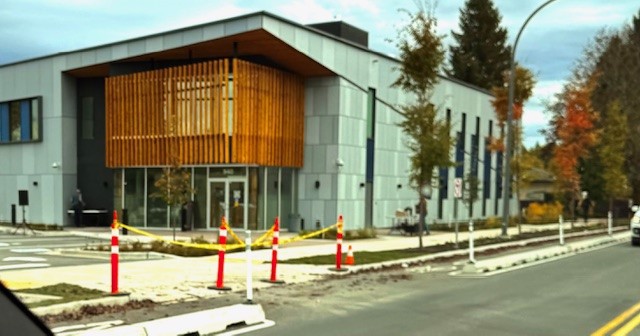
FNHA congratulates Island Health, the Province of BC, and our Cowichan Primary Care network partners on the Blessing Ceremony held on Oct 16, 2025.
This milestone reflects our shared commitment to:
- Advance culturally safe community driven health care
- Honoring the leadership of Indigenous Chiefs and Elders
- Building stronger, more integrated primary care systems across Coast Salish territories
|
|
Together, we are strengthening relationship, honoring culture, and building pathways to healthier communities. We raise our hands in deep gratitude to all who contributed to this important step toward healthiest Nations and stronger partnerships.
|
|
Reclaiming Your Wellness Month: Community Wellness Champion Maggie Fred |
|
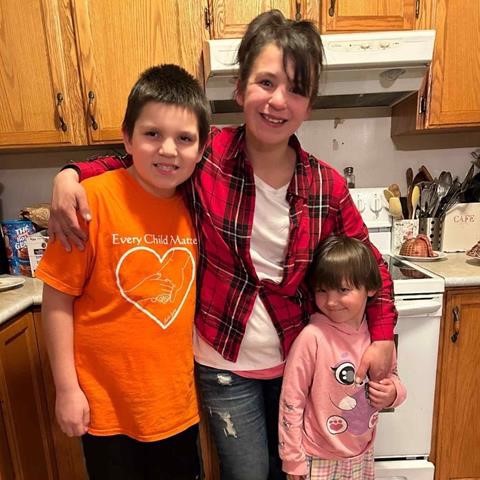
Maggie Fred is a 31-year-old mother, daughter and aunty from the Tseshaht First Nation in Port Alberni. She is sharing her recovery story in hopes of inspiring others and reminding them that they are not alone.
|
|
FNHA HIV Community Wellness Initiative grants funding to 35 communities across BC |
|
FNHA is pleased to announce that 35 communities in BC have been approved for funding through this year’s HIV Community Wellness Initiative. The initiative aims to uplift communities and walk alongside them as they support the health and well-being of First Nations people living with or affected by HIV/AIDS.
|
|
Make your community’s roads safer: Apply now for up to $20,000 through a BC Vision Zero Grant |
|
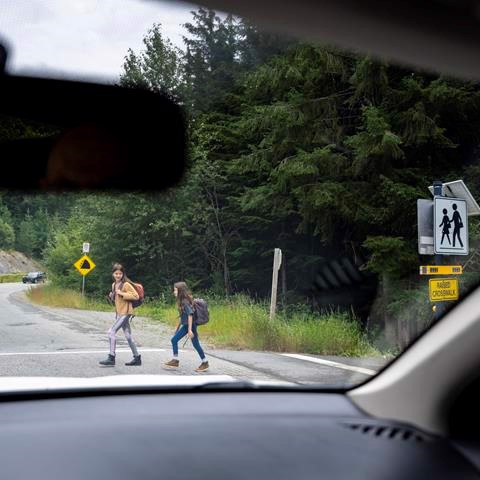
The BC Vision Zero Road Safety Grant offers up to $20,000 to support community-led projects aimed at making roads safer for everyone. The grants give priority to Indigenous communities and groups working in equity-seeking settings.
|
|
New study centres First Nations-led harm reduction practice |
|
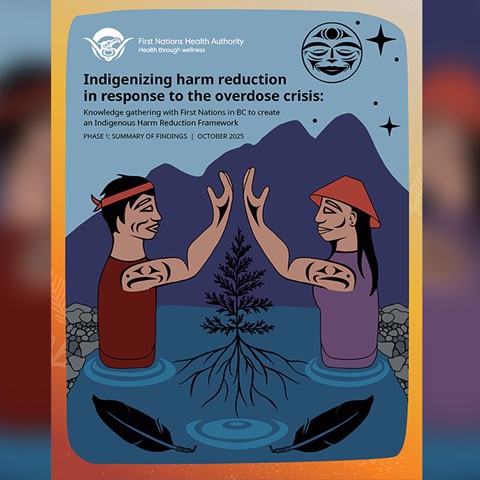
A new study led by FNHA in partnership with Simon Fraser University, aims to co-develop a provincial First Nations-led harm reduction framework to support First Nations communities in BC amid the ongoing toxic drug public health emergency.
|
|
FNHA releases research report based on Indigenous patients’ experiences in the health care system |
|
Patient safety is a fundamental right, but for many Indigenous Peoples, it continues to fall short of acceptable standards. During this year’s Canadian Patient Safety Week, FNHA is releasing a new research report that highlights the urgent need to improve cultural safety in the health care system.
|
|
October 2025 update from the First Nations Health Council |
|
Read the latest updates from the First Nations Health Council including their Quarterly Meeting update, the signing of a Memorandum of Understanding between the FNHA and the 3Nations Society and more.
|
|
2025 marks milestone year for Truth and Reconciliation education |
|
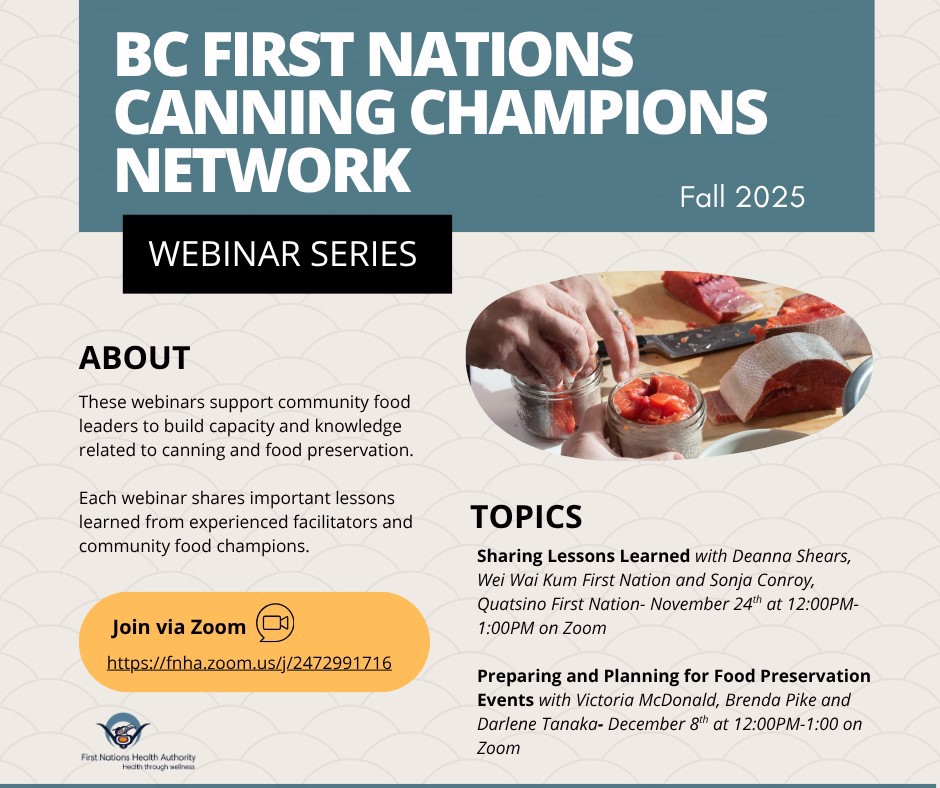
ÍY SȻÁĆEL HÁLE (good day everyone). We’re excited to invite you to a new webinar series hosted by the Nutrition and Food Security team at the First Nations Health Authority (FNHA), in partnership with facilitators and members of the BC First Nations Canning Champions Network.
This Zoom-based series will share valuable lessons learned on:
- Planning and preparing for food preservation events
- Delivering successful community food initiatives
- Saving costs on food and preservation equipment
Our goal is to support knowledge-sharing around food preservation and help grow networks of support for community food champions across BC.
Who Can Join?
We welcome members of the BC First Nations Canning Champions Network, FNHA staff, and partner organizations and communities.
Topics and Dates:
Sharing Lessons Learned with Deanna Shears, Wei Wai Kum First Nation and Sonja Conroy, Quatsino First Nation
When: November 24th at 12:00PM-1:00PM
Where: Zoom- https://fnha.zoom.us/j/2472991716
Preparing and Planning for Food Preservation Events with Victoria McDonald, Brenda Pike and Darlene Tanaka-
When: December 8th at 12:00PM-1:00
Where: Zoom- https://fnha.zoom.us/j/2472991716
Questions? Contact Beangka at Beangka.Elliott@fnha.ca We hope you’ll join us for these informative and collaborative sessions.
|
|
Environmental Public Health Bursary for Indigenous students |
|
The Environmental Health Foundation of Canada is offering a bursary designed to support Indigenous students pursuing education in Environmental Public Health.
Applications for the upcoming academic year (Fall 2026 or Spring 2027 start) close on Dec. 15.
|
|
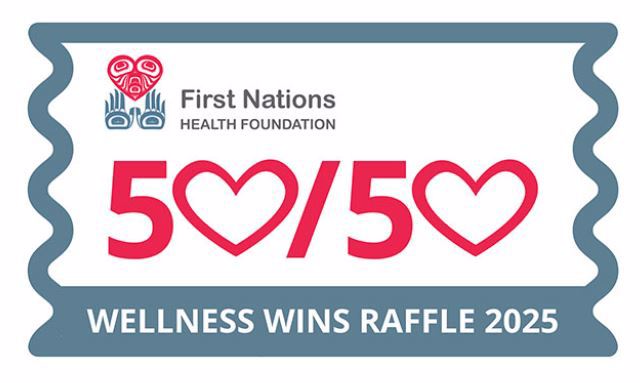
Wellness Wins 2025 Raffle: Enter to Win & Support First Nations Health |
|
The First Nations Health Foundation is hosting a 50/50 raffle to raise funds for health equity and culturally safe healthcare for First Nations communities in BC. The jackpot is growing and you could be the lucky winner!
Draw Date: December 5, 2025
Ticket Deadline: December 4, 2025
Current Jackpot: $1,580 (and climbing!)
Open to BC residents only.
Ticket options:
- 5 for $20
- 20 for $60
- 50 for $100
Your support helps advance community healing and wellness.
|
|
First Nations Health Authority
Regional Contacts |
|
|
|
|
Vice President, Vancouver Island
Regional Executive Director
Director, Regional Community Health and Wellness Services, Nuu-Chah-Nulth
Director, Regional Community Health and Wellness Services, Kwakwaka'wakw
Director, Regional Community Health and Wellness Services, Coast Salish
Manager, Regional Operations
Regional Manager, Planning and Development
Manager, Community Engagement:
Community Engagement Coordinators:
- Coast Salish:
- Nuu-chah-nulth:
- Kwakwaka'wakw:
Urban and Away from Home Coordinator
Regional Communication Generalist
Quality and Safety Analyst
Senior Advisor Cultural Safety and Humility
Regional Human Resources Generalist
|
|
|---|
|
|
|
|
|
Nursing Manager:
Communicable Disease Emergency Manager:
Community Practice Consultants:
Nurse Navigators:
|
|
|---|
|
|
|
|
|
Community Relations Representative,
Health Benefits:
Registered Dental Therapists:
- Kim Trottier, Kim.Trottier@fnha.ca (Communities: Stz’uminus, Penelakut, Dzawada’enuxw)
- Janeen Campbell, Janeen.Campbell@fnha.ca (Communities: Cowichan Tribes)
- Melanie Braker, Melanie.Braker@fnha.ca (Communities: Ka;’yu:’k’t’h’/Che;k’tles7et’h’, Mowachaht/Muchalaht, Yuułuʔiłʔatḥ, Ahousaht, Ditidaht, Huu-ay-aht, Hupacasath)
|
|
|---|
|
|
|
|
|
Regional Manager Environmental Public Health Services
|
|
|---|
|
|
|
|
|
Kwakwaka’wakw Manager, Public Health & Emergency Response
Community Coordinators, Crisis Response
Regional Manager, Toxic Drug Response
|
|
|---|
|
|
|
|
|
Regional Manager, Mental Health and Wellness
Team Lead, Mental Health and Wellness
Clinical Counsellor
Social Worker
|
|
|---|
|
|
|
|
|
Regional Manager, Maternal Child and Family Health:
|
|
|---|
|
|
|
|
|
Regional Manager, Primary Care:
Primary Care Project Manager:
Traditional Wellness Specialist:
|
|
|---|
|
|
Island Health – Indigenous Health, Diversity, Equity & Inclusion Portfolio Contacts |
|
|
|
|
South Island
Central Island
North Island
Cultural Safety & Humility
Indigenous Recruitment & Retention
Strategy, Partnerships & Engagement
Diversity, Equity, & Inclusion
Medical Director
|
|
|---|
|
|
| |
|
 | |
|  |
|
|
|
|