Greetings respected Vancouver Island First Nations Leadership;
Welcome to our Vancouver Island regional e-newsletter. This newsletter will highlight Vancouver Island regional updates from the FNHA, Island Health, Government of BC, Government of Canada, alongside many other partners.
In today's edition you will find:
|
|
|---|
|
|
National Suicide Awareness Day: Building Safer Communities Through safeTALK |
|
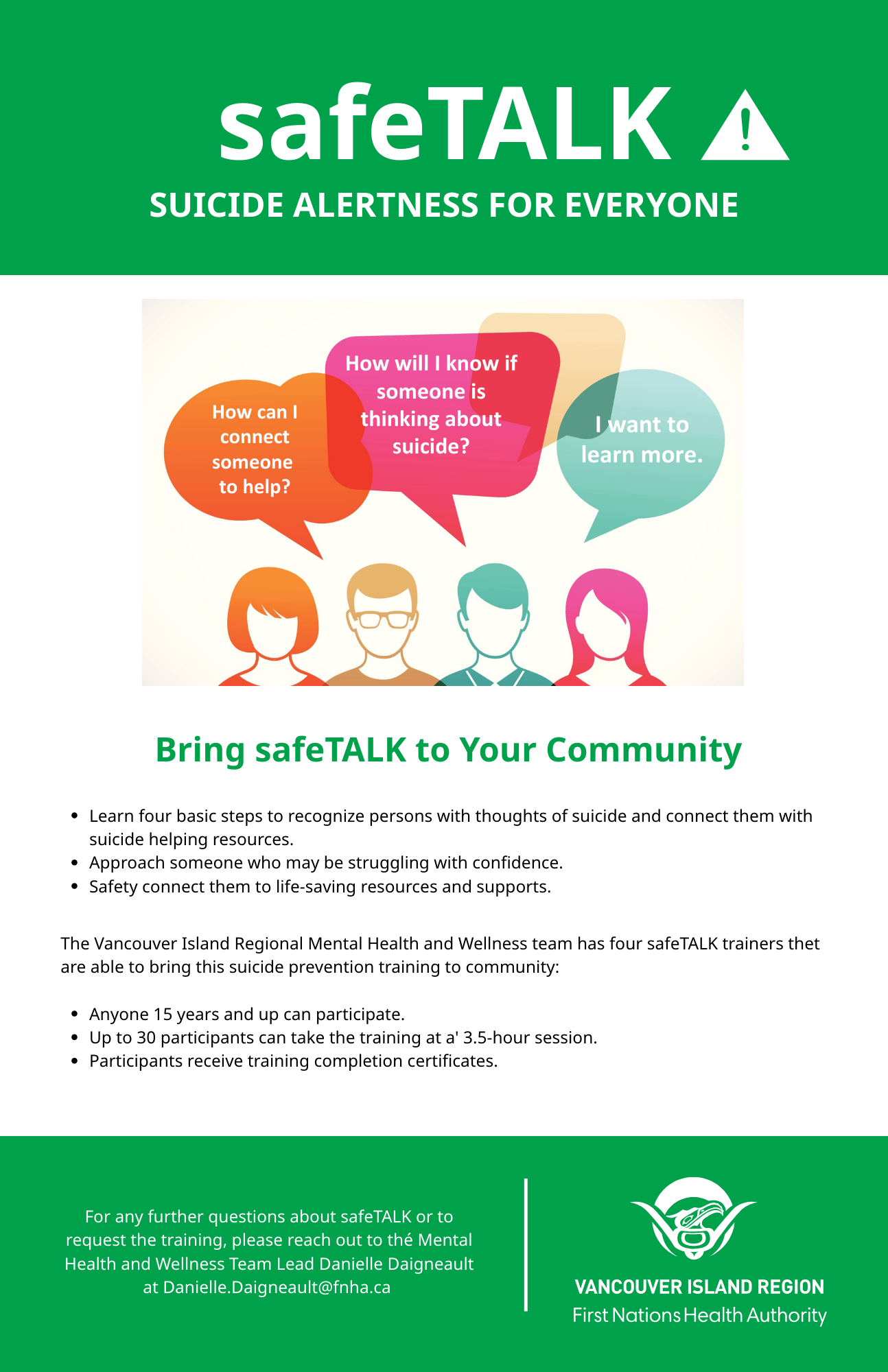
In recognition of National Suicide Awareness Day, we want to take a moment to highlight an important training opportunity available to communities across the Vancouver Island region.
safeTALK is a suicide alertness training designed to help participants recognize signs that someone may be struggling and connect them to support. The Vancouver Island Regional Mental Health and Wellness team has four trainers available to bring this training directly to community.
- Ages 15+
- Up to 30 participants
- 3.5-hour session
- Completion certificates provided
To learn more or request a safeTALK training session, please contact Danielle Daigneault, Mental Health and Wellness Team Lead, at Danielle.Daigneault@fnha.ca.
|
|
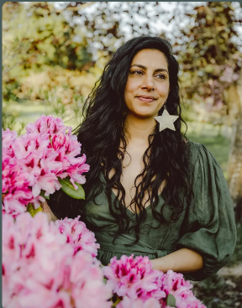
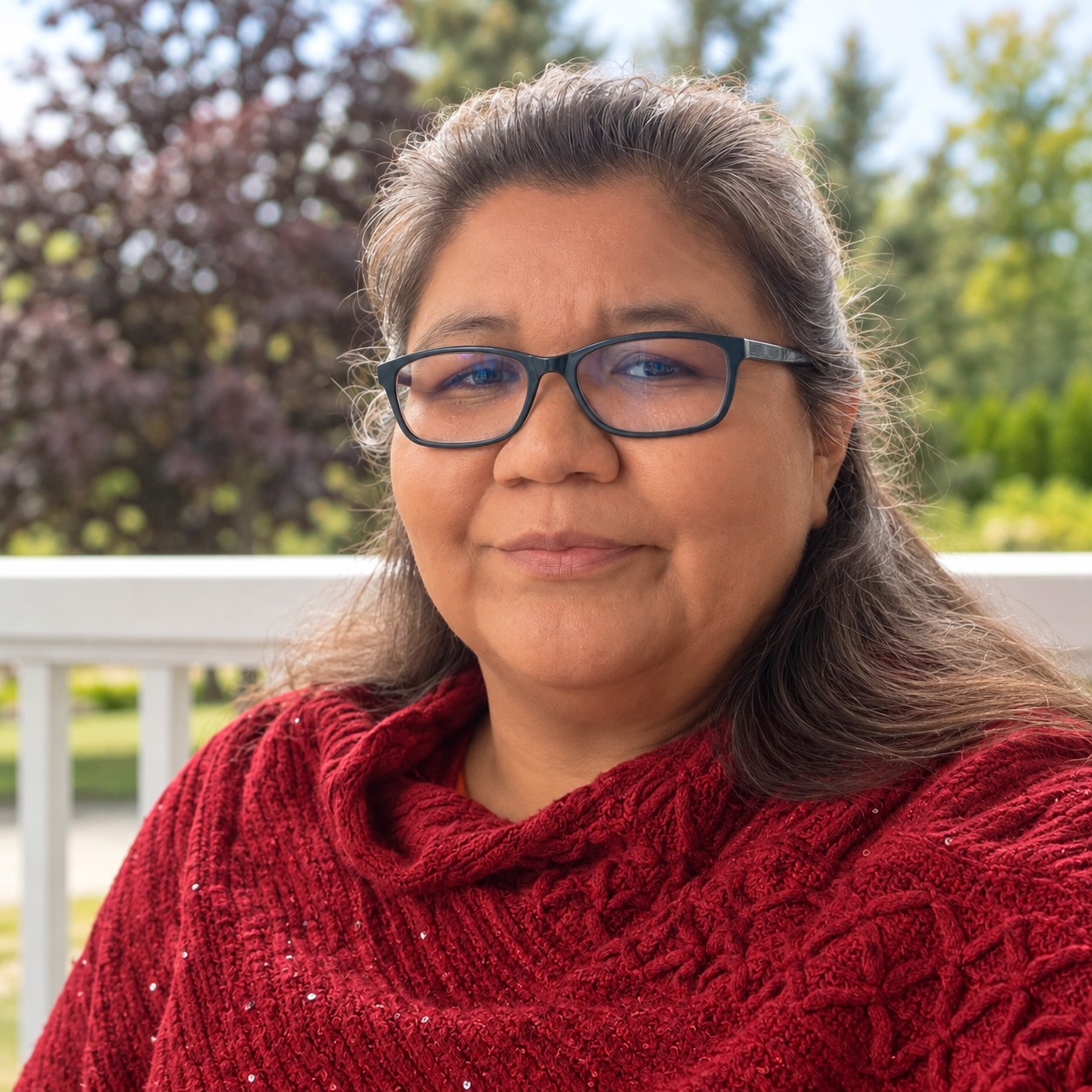
The FNHA welcomes Aziza Ahmed to the VI family as the Mental Health Clinician for the Coast Salish First Nations Primary Care Initiative (FNPCI) in Hub 2 |
|
Aziza Ahmed is a Registered Social Worker with a Master of Social Work (Clinical Specialization) from the University of Calgary. She is committed to creating a compassionate, collaborative and culturally responsive environment where individuals can explore their experiences with curiosity and care. Aziza draws from trauma-informed, relational, and somatic approaches, including the NueroAffective Relational Model (NARM), EMDR, and Internal Family Systems. She works at the pace of each person’s nervous system while gently uncovering the roots of patterns, symptoms and survival strategies that may have developed in response to life’s experiences. Aziza supports healing that is sustainable and honours each person’s unique experiences, strengths, and values. She is committed to fostering authentic relationships and creating safe, respectful spaces where individuals feel seen, empowered and supported in reconnecting with themselves, their communities and their innate capacity for healing.
FNHA Contact: Aziza.Ahmed@fnha.ca
|
|
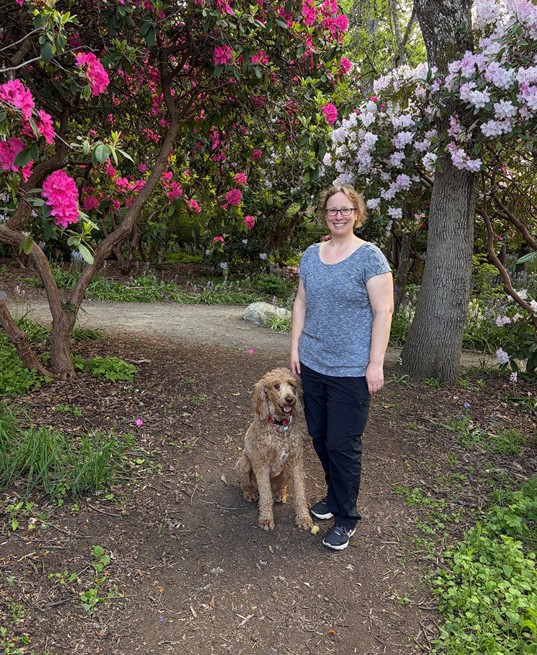
The FNHA welcomes Pam Grant to the VI Regional team as the Primary Care Project Lead |
|
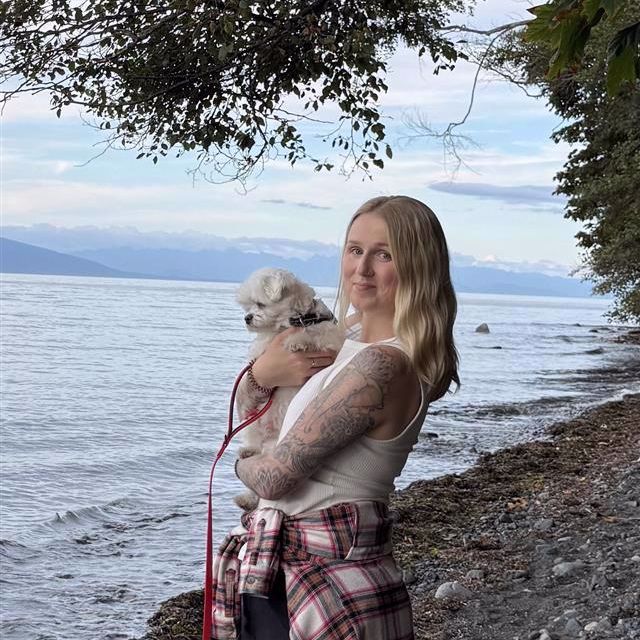
We are pleased to welcome Pam Grant to our Vancouver Island Regional team as Primary Care Project Lead, supporting Primary Care initiatives, including the three Island First Nations-led Primary Health Care Centres. In this role, Pam will work closely with Francine, Leona, and Roxanne to advance our First Nations Led Primary Care priorities across the region.
Pam brings extensive experience in primary health care planning and implementation. Most recently, she spent four years with the First Nations Health Authority's Provincial Primary Health Care team, supporting the development and implementation of the 15 First Nations-led Primary Health Care Centres across British Columbia. Prior to joining FNHA, she worked with the BC Ministry of Health on provincial primary care initiatives.
Pam is a white settler of mixed European ancestry who lives and works on the traditional and ancestral territories of the Lək̓ʷəŋən and W̱SÁNEĆ Nations. She approaches her work with humility, a commitment to listening and learning, and deep respect for First Nations leadership, self-determination, and community-driven priorities. She is passionate about building strong relationships, navigating complex systems, and bringing people together to address challenges and create meaningful change.
Outside of work, Pam enjoys playing the flute and spending time outdoors with her goldendoodle, Teddy Bear.
Pam is excited to connect with colleagues across the region, learn more about your work, and explore opportunities to collaborate in support of shared goals. Please join us in warmly welcoming Pam to the team.
FNHA Contact: Pamela.Grant@fnha.ca
|
|
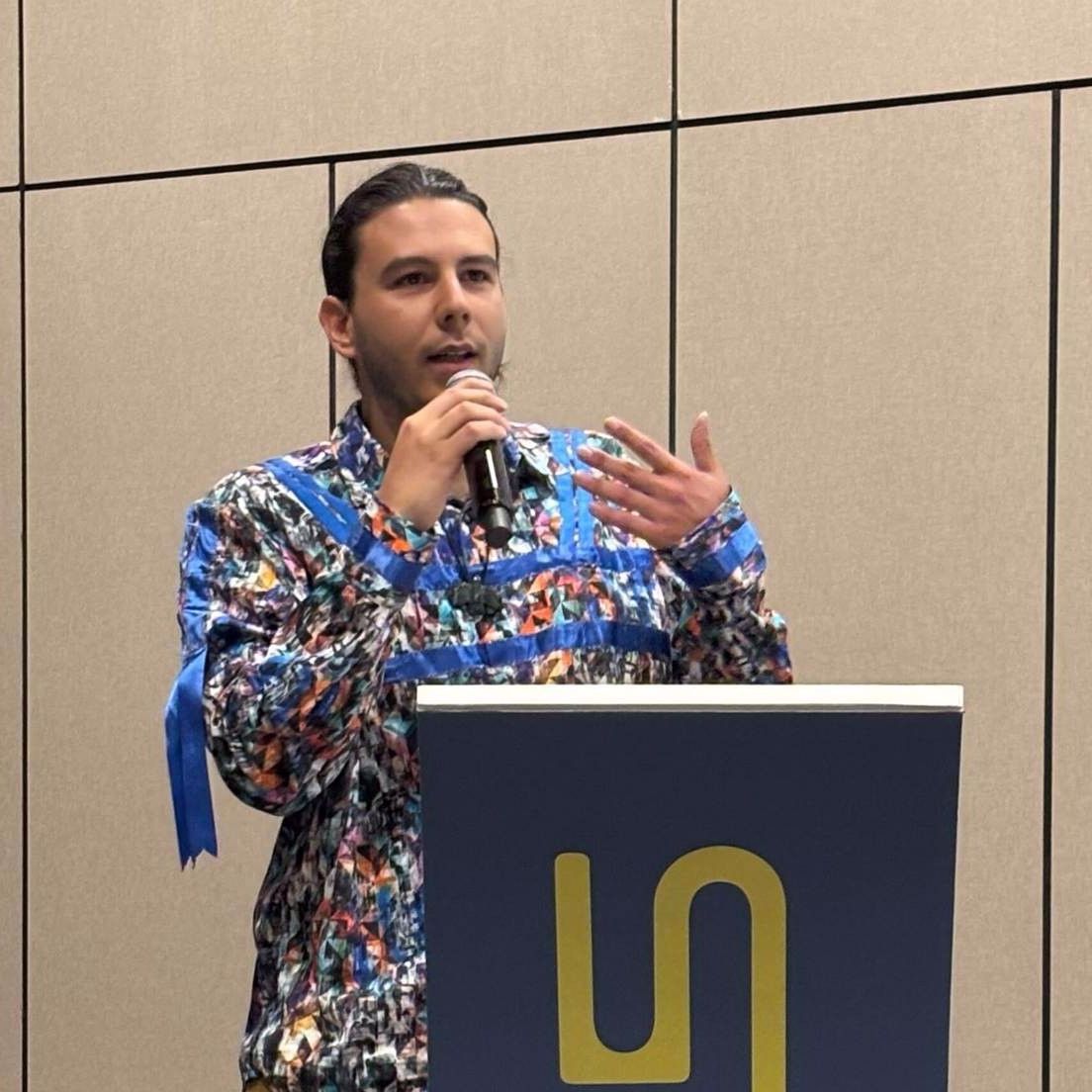
We welcome Pablo González to the Toxic Drug Response team as one of the Indigenous Harm Reduction Educators |
|
My name is Pablo González (he/him). I am a person of mixed Indigenous and European ancestry, born in Mexico City and fortunate to live on the Unceded Territory of the lək̓ʷəŋən People. I am a harm reduction worker, educator, and researcher, and have held a variety of roles with organizations in Canada and Mexico working to address substance-related harms through compassionate and equitable approaches.
In my previous role at Substance Drug Checking, I contributed to research and provided harm reduction services, education, and workshops for a wide range of communities and audiences, including Indigenous-led services and organizations.
I completed my MSc in Social Dimensions of Health at the University of Victoria, where I focused on the unregulated opioid supply and access to drug checking services among people who sell drugs. I strive to follow the teachings of my Elders and to contribute to addressing the harms created and maintained by colonial approaches to substance use and the war on drugs.
Besides work, I enjoy sharing songs, spending time on the land, and building community around more compassionate and just approaches to substance use.
FNHA Contact: Pablo.Gonzalez@fnha.ca
|
|
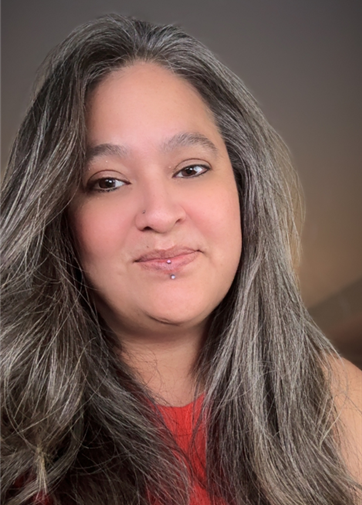
We welcome Tracy Downey to the Quality Care team as the Coast Salish Quality Care Coordinator |
|
My traditional name is Ksem git Samł. I belong to the Gispudwaada (Killerwhale) clan of the Gitwilgyotstribe, within the Tsimshian Nation. My home community is Lax Kw’alaams, and I was born and raised in Prince Rupert, where I raised my two now-grown children.
My lifelong career is rooted in advocacy and community service. I graduated with a Bachelor of Social Work from UNBC in 2008, building on a foundation of 20 years dedicated to Indigenous justice, which began as a local volunteer in Prince Rupert.
Recognizing the deep overlap between justice and wellness, I transitioned into healthcare advocacy. I initially served as a Patient Liaison with Northern Health before relocating to Vancouver Island in 2023, where I worked as an Indigenous Liaison in Patient Care Quality for Island Health. I am incredibly honored to take on my next chapter as the Quality Care Coordinator with the First Nations Health Authority (FNHA). I look forward to collaborating with teams, leadership, and community members to uphold safety, accountability, and excellence in the care our people receive.
FNHA Contact: Tracy.Downey@fnha.ca
|
|
We welcome Cherie Elliott to the Quality Care team as the Nuu-chah-nulth Quality Care Coordinator |
|
My name is Oot-Yup/Cherie Elliott. I come from Tseshaht and have roots throughout Vancouver Island; My family connections extend from Huuayaht-Kyuquot-Coast Salish. My father was from Tseshaht & Hupacasath and my mother is from Cowichan Tribes. My spouse Howard is from Ahousaht, and together we have two children. Over the past 20 years, we have also had the privilege of providing foster care for family members.
I am excited to introduce myself as the new Community Coordinator, Crisis Response for the Nuu-chah-nulth region with the First Nations Health Authority.
I come to FNHA with years of experience supporting Nuu-chah-nulth individuals, families, and communities. Most recently, I worked as a Teechuktl (mental health) Regional Coordinator at Nuu-Chah-Nulth Tribal Council, where I coordinated and supported a cultural team and worked alongside communities to provide cultural programming & emotional support, workshops, community events, and opportunities for people to connect with culture and traditional wellness practices.
In this role, I also worked closely with clinical counsellors and other service providers to assist individuals and families experiencing crises. Together, we coordinated supports, programming, referrals, and connections to appropriate resources to help meet their unique needs.
Prior to that, I worked as a Resolution Health Support Worker, providing emotional and cultural support to survivors and families, assisting with advocacy, guidance through filling out class action forms, and helping individuals connect with resources and services. I have also worked alongside harm reduction and frontline outreach, supporting individuals through challenging and complex situations, while bringing a cultural perspective to the work.
Throughout my previous roles, I have gained experience in crisis response, grief and loss support, suicide prevention, debriefing, harm reduction, cultural wellness, and community-based supports. Relationship building has always been at the heart of my work, and I strongly value culturally safe, compassionate, and community-led approaches that honour the strength, resilience, and knowledge of individuals, families, and communities.
As I begin my role as Community Coordinator, Crisis Response, I look forward to building meaningful relationships with the communities and teams I will be working alongside. I am eager to continue learning and supporting communities in ways that honour their strengths, cultures, knowledge, and unique needs.
I am grateful for this opportunity and look forward to connecting and working with you all.
ʔuušy̓akšiƛeʔic, thank you.
FNHA Contact: Cherie.Elliott@fnha.ca
|
|
The FNHA welcomes Brittnay Boyer to the VI Regional team as the Coast Salish Hub Clinician |
|
Hello everyone, I’m Brit and I am delighted to have recently joined the team as the Coast Salish Hub Clinician in Oyster Bay!
I have a background in counselling and more recently, Biodynamic Craniosacral Therapy (BCST). My counselling journey began back in 2011 at the University of Lethbridge in Alberta, where I obtained my BHSc and MEd. More recently, I dipped my toes into the vast waters of BCST and earned my certification earlier this year. Over the years I have worked in a variety of mental health and wellness roles, all of which have shaped and informed who I am and how I show up today.
On a more personal level, I come from Irish, Scottish, and English ancestry on my dad’s side, and Welsh, English, Irish, Frisian and Scandinavian ancestry on my mother’s side. Originally from Alberta, I moved to this beautiful island in 2018. It’s the only place on earth that has ever truly felt like home to me. I am deeply grateful to these lands, the ancestors of these lands, and to those who have stewarded it for thousands of years.
Through my own personal healing journey and professional observations, I’ve become increasingly interested in the wisdom of the body and intelligence of the natural world. I have a strong interest in the nervous system, nutrition, and herbalism, how they connect, and the role they all play in our overall mental, emotional, physical and spiritual wellbeing. I am also fascinated by astrology (particularly evolutionary astrology) which has received countless hours of my attention in recent years.
Thanks for taking the time to learn a little bit about me. Grateful to be part of the team and I look forward to getting to know you all!
FNHA Contact: Brittany.Boyer@fnha.ca
|
|
The FNHA welcomes Patty Hawley to the VI Regional team as the Medical Office Assistant for Kwakwaka’wakw Maternal, Child & Family Health |
|
Hello. My name is Patty Hawley. I am the new MOA for Kwakwaka’wakw Maternal, Child & Family Health. I am grateful to have spent the last 39 years living and working in the Kwakwaka’wakw Territory. My husband and I raised our four children in Port McNeill and are now grandparents to three busy grandsons and two grand dogs. Grandchildren have taught us a new level of love!
I am First Nations on my mother’s side and Irish on my father’s side. My grandmother is from the Sumas First Nation. My mother was raised in Kilgard. I was born in Chilliwack and as a child we moved to northern Vancouver Island. I lived in Courtenay for 10 years and moved to Port McNeill in 1987.
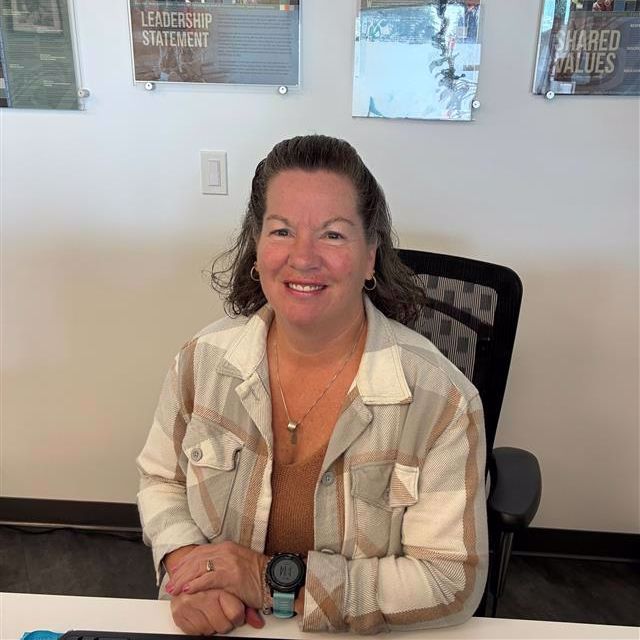
I am happy to have joined the Kwakwaka’wakw Maternal, Child & Family Health team. They have made me feel so welcome! I look forward to being known as the smile, warm welcome and helpful MOA for all families accessing our program supports. I love being the first point of contact – greeting families with a smile and friendly welcome when they come through the door. I love my interactions with families and creating a healthy, safe and positive experience for each family is my goal.
I have over 35 years of experience in the field of health care - as a Certified Dental Assistant/ Receptionist in a dental office and an Admitting/ Health Records Clerk in the hospital. My experience has mostly been the first contact with our patients or clients and helping as best I can to make their experience as positive as possible.
In my free time, I love fresh air, exercise and spending time with my family and friends. I love to walk, hike, ride my bike, swim and play golf. I am game to try any sports my grandsons are involved in, they love Nana to join in the fun. I have a kayak and a paddleboard and hope to find more time to use them and maybe get back into dragon boating, another sport I loved and haven’t found time for. I am a quilter and love quilting! My husband and I both have a love of classic cars!
I’m grateful for this opportunity and look forward to connecting with you all.
FNHA Contact: Patricia.Hawley@fnha.ca
|
|
|
Elder and Youth Advisory Collaboration meeting strengthens intergenerational connections |
|
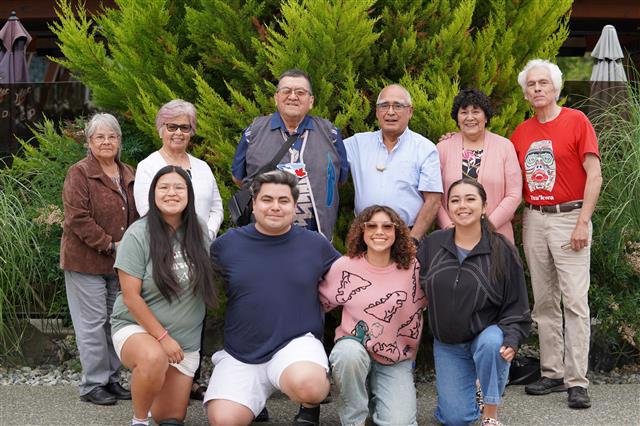
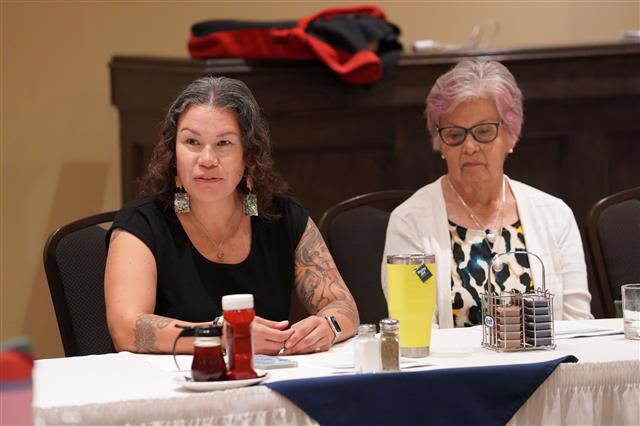
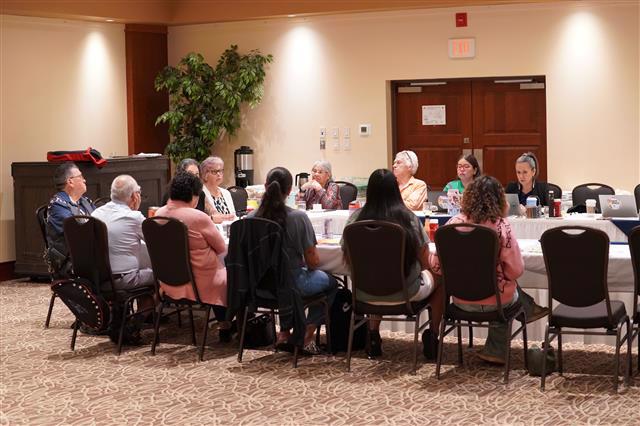
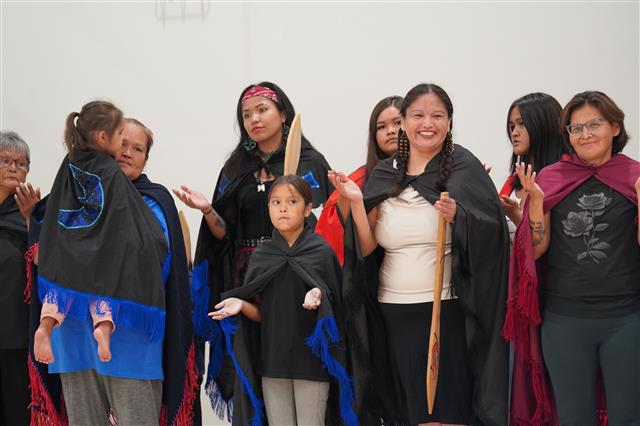
On July 16 and 17, the First Nations Health Authority (FNHA) Vancouver Island Region hosted its first-ever Elder & Youth Advisory Joint Planning meeting at the Barclay Hotel in Tseshaht (Port Alberni).
The gathering brought members of the Elder Advisory and Youth Advisory together to build relationships, strengthen collaboration and explore ways to ground governance structures in culture. Over two days, participants shared updates on governance and engagement initiatives, clarified advisory roles, discussed intergenerational wellness and mentorship and identified priority initiatives aligned with the Regional Health and Wellness Plan.
|
|
The event began with breakfast and an opening prayer from Wickaninnish (Chief Cliff Atleo Sr.), who welcomed participants and encouraged everyone to come together in a good way to support the health and wellness of First Nations communities.
Welcoming remarks were then provided by Priscilla Watts, Acting Vice President of Operations for FNHA's Vancouver Island Region. “We have to find that balance. We have to work within systems that are also non-Indigenous, but we can influence those systems and bring in our ways of knowing and our ways of being in such a way that they work better for our people,” said Priscilla Watts, Acting Vice President of Operations for FNHA's Vancouver Island Region.
|
|
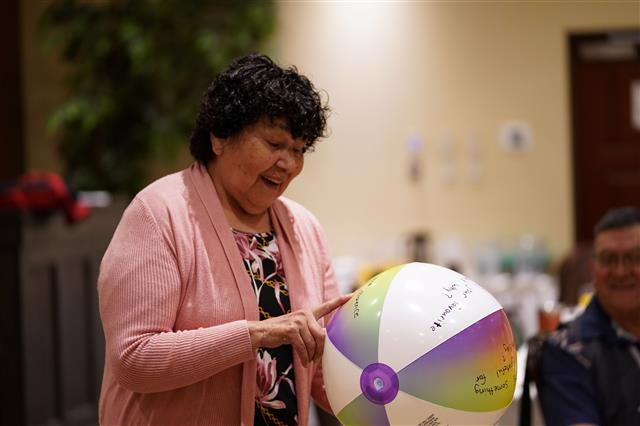
To start the meeting in a fun and engaging way, Kaitlyn McMahon-White, FNHA Youth Wellness Liaison, led an icebreaker activity using a beach ball covered in conversation prompts. Participants answered questions about their favourite places, hobbies, role models and what they were grateful for. The activity encouraged laughter, storytelling and connection, helping participants learn more about one another. While many attendees had met before through regional work, others were connecting for the first time.
|
|
Throughout the gathering, Elders and youth shared valuable perspectives on leadership, representation, culture, language and wellness. A common theme was the importance of strengthening intergenerational relationships and creating opportunities for knowledge-sharing and mentorship.
As the first gathering of its kind, the Joint Planning meeting laid a strong foundation for future collaboration, bringing together the wisdom of Elders and the voices of youth to help guide health and wellness priorities across Vancouver Island communities.
|
|
Q’opthut Sul’hween Brings Elders Together in Tsaxana |
|
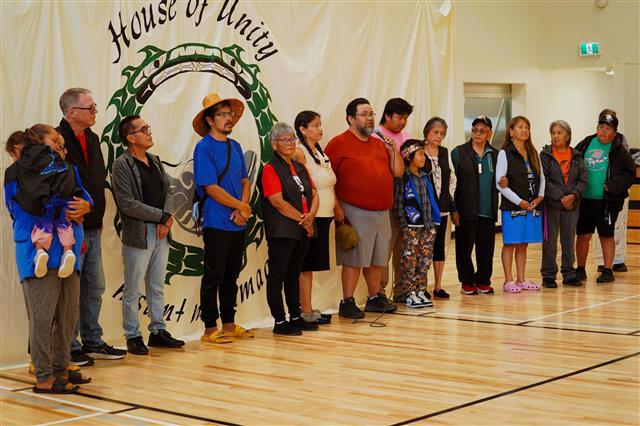
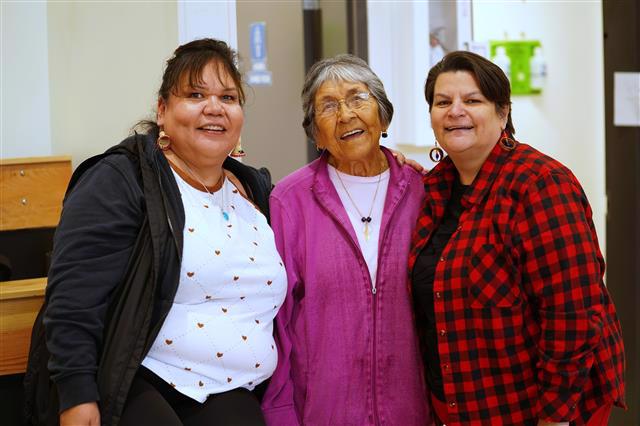
The FNHA Vancouver Island Region team was honoured to attend this month's Q’opthut Sul’hween (Gathering of Elders) luncheon hosted by the Mowachaht/Muchalaht First Nation in Tsaxana (Gold River).
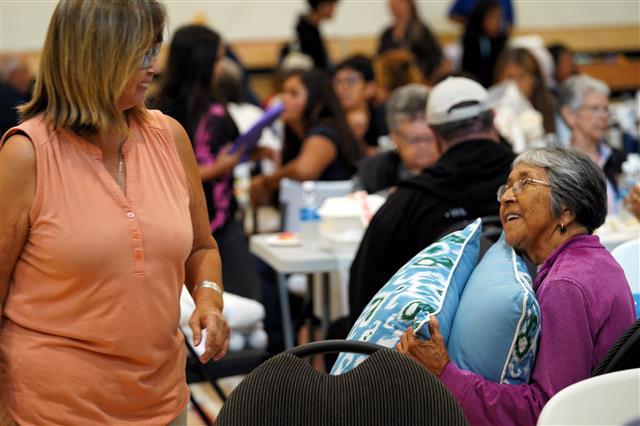
Elders from communities across Vancouver Island were warmly welcomed by members of the Mowachaht/Muchalaht community as they arrived, creating an inviting atmosphere filled with connection and laughter. Guests enjoyed a fun photo booth experience, with many embracing the opportunity to dress up and take home a keepsake photo.
|
|
The day featured powerful songs and dances shared by Mowachaht/Muchalaht singers and dancers before Elders gathered to enjoy a feast that included crab, prawns, halibut, salmon, soups, bannock, salads, and more. Following lunch, Elders participated in games, activities, and door prize draws, filling the room with smiles, laughter, and friendly conversation. Many of these memorable moments are featured in the accompanying video, capturing the joy, connection, and celebration shared throughout the day. The gathering ended with a lively pull-string piñata, bringing laughter and excitement for all involved.
|
|
Klecko Klecko to Mowachaht/Muchalaht First Nation for the warm hospitality and invitation to be part of this special day. While Q’opthut Sul’hween luncheons are hosted monthly by communities throughout the Vancouver Island Region, this marked the first time Mowachaht/Muchalaht hosted the gathering, and they did a wonderful job creating a welcoming and memorable experience for all. These gatherings continue to provide a meaningful opportunity for Elders from across the Island to come together, share a meal, strengthen connections, and celebrate community.
|
|
New five-year plan reflects the voices, priorities and aspirations of 50 First Nations communities across Vancouver Island |
|
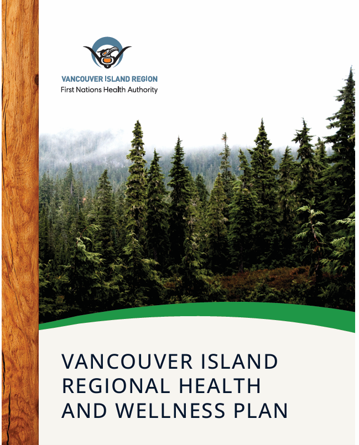
After an 18-month process of engagement, review and collaboration, the First Nations Health Authority (FNHA) Vancouver Island Region has released its updated Regional Health and Wellness Plan (RHWP), a five-year roadmap that reflects the shared vision and priorities of 50 First Nations communities across Vancouver Island.
Originally developed in 2014 and updated in 2018, the RHWP has been refreshed to respond to the changing health and wellness needs of Coast Salish, Nuu-chah-nulth and Kwakwaka’wakw Nations. Since the last update, communities have faced significant challenges, including the COVID-19 pandemic, the ongoing toxic drug crisis and the continued impacts of First Nations-specific racism within the health care system. During the same period, FNHA’s regional programs and services have expanded, creating new opportunities to support Nation-led health and wellness initiatives.
The updated plan was shaped by extensive input from Elders, Chiefs, Council members, Health Directors, Health Leads, community health staff and community members. Engagement took place through Health Director tables, Regional Table discussions, sub-regional and regional caucus sessions, advisory committees and community planning processes. Vancouver Island First Nations leadership provided final approval through Regional Caucus governance processes in spring 2026.
“Capturing the voices of our people, especially those who do the work on the ground, really makes a difference in how successful this plan is,” said Chief John Powell during Regional Caucus discussions.
The RHWP is organized around four foundational pillars: Governance, Partnership, Operations and Transformation. It identifies key priorities including cultural safety and humility, mental health and wellness, traditional wellness, primary care, health emergency management, data governance, toxic drug response and supports for urban and away-from-home populations. The framework is designed to strengthen self-determination, advance Nation-led health transformation and guide regional planning, partnerships and investments.
“To have our own plan that we can use to drive the relationship and the priorities of the region is going to be very helpful to all of us in the advocacy work that we do,” said Chief Shana Thomas. “It’ll also help us when it comes to recognizing key programs and service delivery that is required for our region.”
As a living document, the RHWP will continue to evolve alongside community priorities, providing a shared direction for improving health and wellness outcomes for Vancouver Island First Nations over the next five years.
Read the Regional Health and Wellness Plan: FNHA-Vancouver-Island-First-Nations-Regional-Health-and-Wellness-Plan-2026.pdf
For questions about the plan, contact the Vancouver Island Region Planning team at PlanningVI@fnha.ca.
|
|
Tseshaht Fish Days brings community together through traditional harvesting |
|
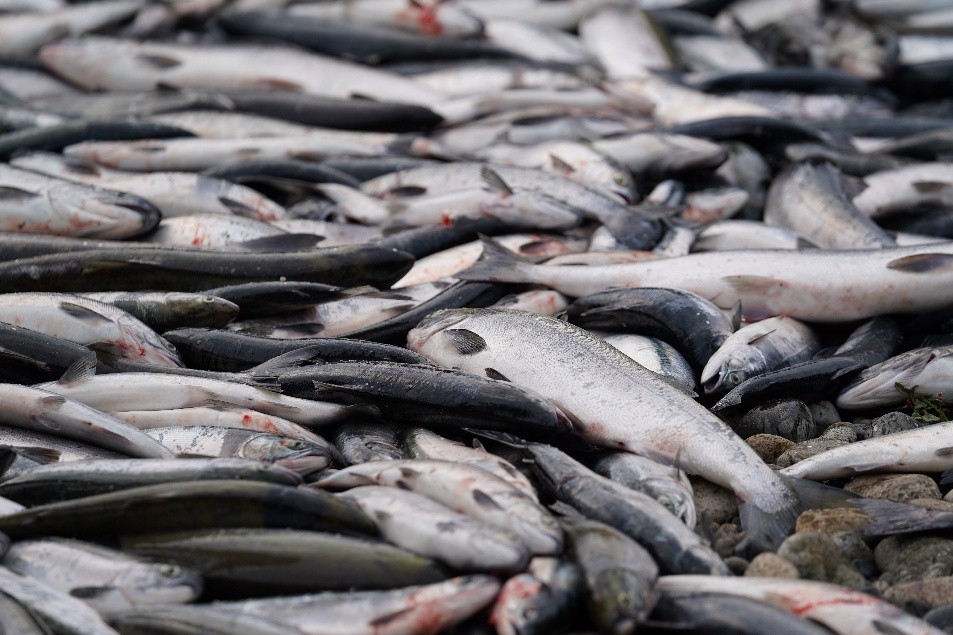
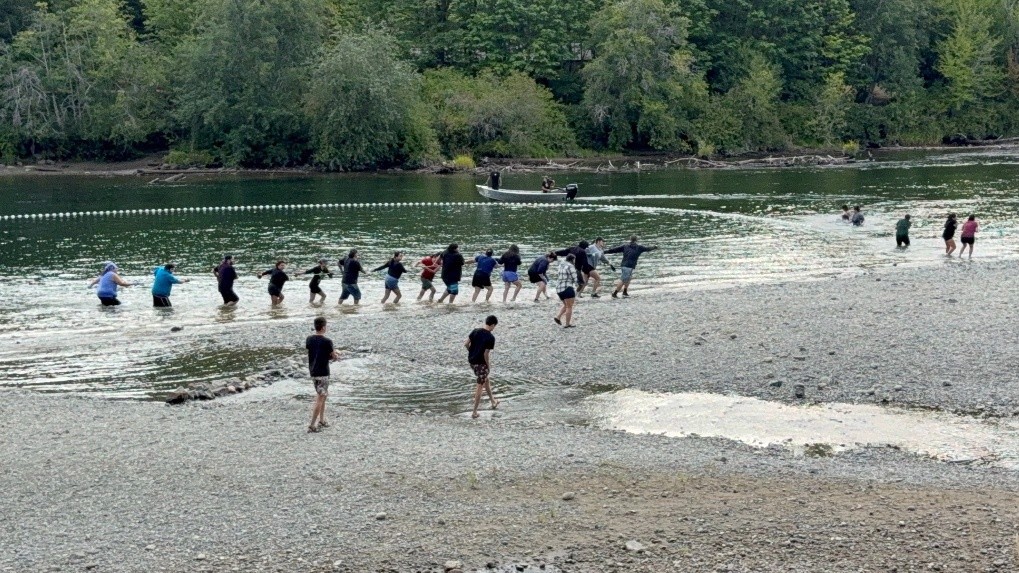
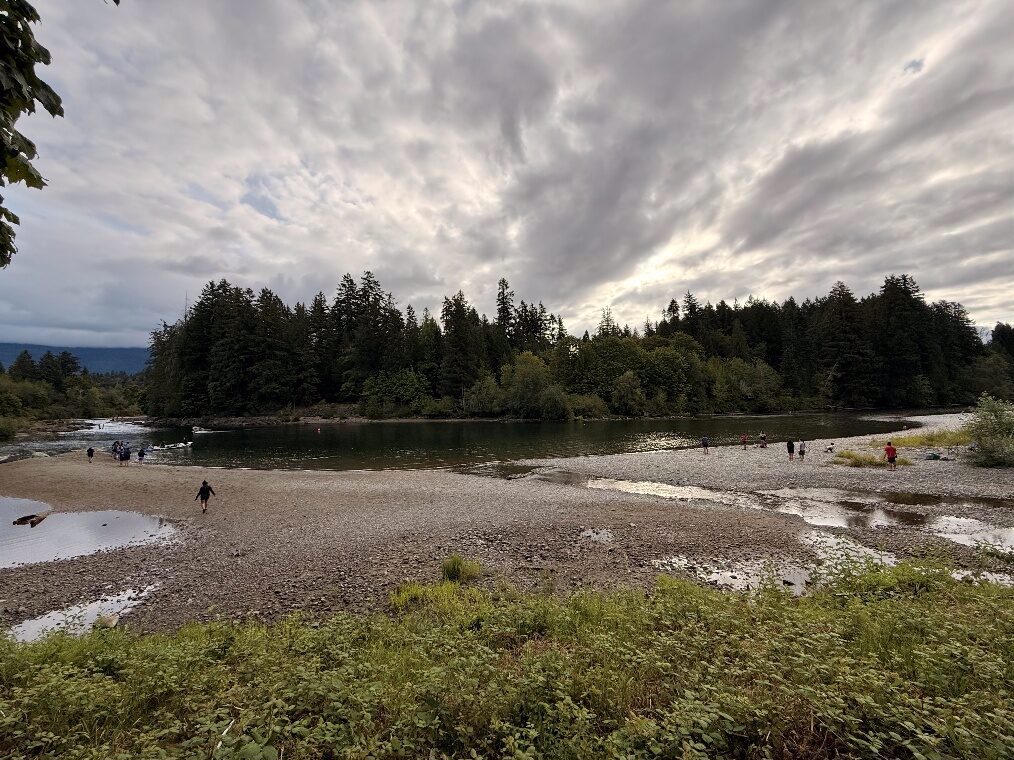
Before sunrise on July 11, community members began arriving at the Papermill Dam along the Somass River for Tseshaht Fish Days, a long-standing tradition that brings families, Elders, harvesters, and volunteers together through the annual salmon harvest.
|
|
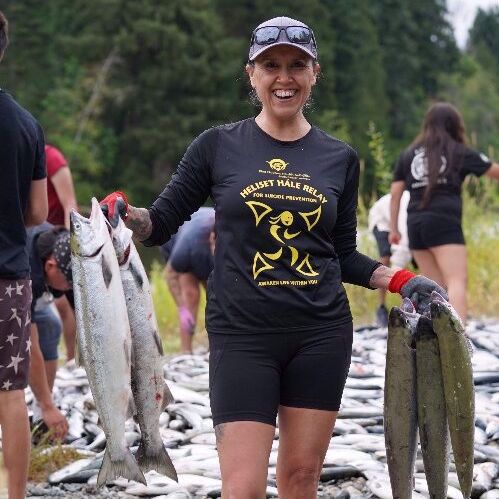
FNHA Communications attended the event at the invitation of Tliniihak Johnson, a Tseshaht First Nation member and Governance and Engagement Manager. Tliniihak also participated as one of the Community Helpers, a dedicated group of volunteers responsible for assisting with the drag seine fishery. This included helping to pull the seine net ashore, bringing fish onto the island, and transferring the catch into designated totes for distribution to community members.
By 4 a.m., the shoreline was already bustling with activity. Families arrived carrying tents, lawn chairs, blankets, coolers, and propane fire pits, settling in hours before the first fish reached shore. As people gathered, coolers were lined up in an orderly queue, marking each member’s place for the fish distribution later that morning. The beach was lined with totes filled with fish while community members shared coffee, visited with family and friends, and watched the harvest preparations unfold.
|
|
Fish Days is an important community event that supports food sharing while continuing harvesting practices that have connected Tseshaht people to the water for generations. Held over three days, the event is organized to ensure all members have an opportunity to participate. Friday is dedicated to Elders and members living with permanent disabilities, Saturday to community members, and Sunday to off-reserve members. Volunteers who assist with the harvest, known as helpers, receive additional fish in recognition of their contribution.
|
|
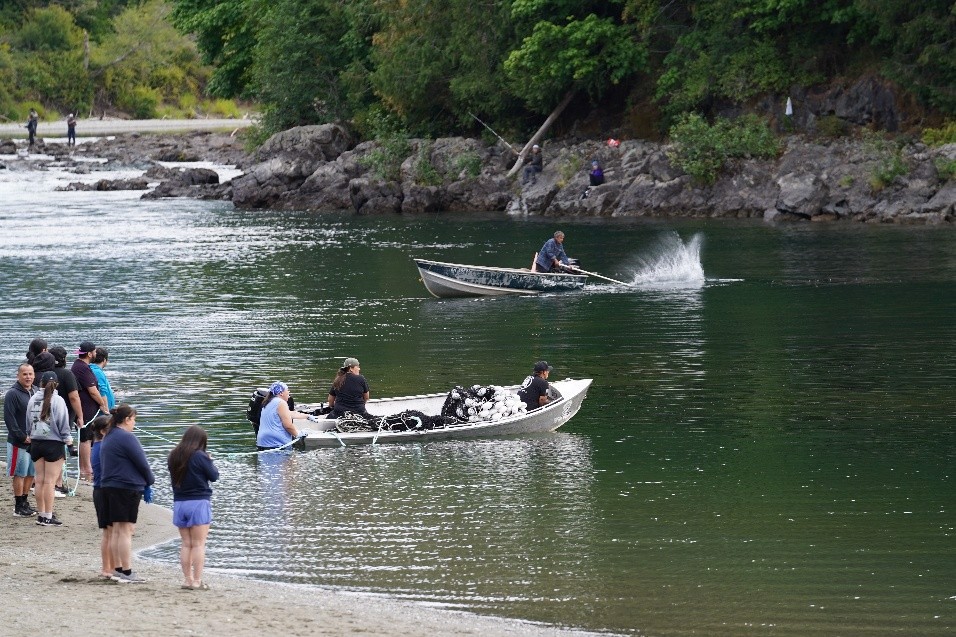
Out on the Somass River, a Community Helper guided salmon toward a pooled area from a small boat, drawing on generations of harvesting knowledge. Once the fish were gathered in a concentrated area, a second boat deployed a drag seine net, carefully circling the school.
|
|
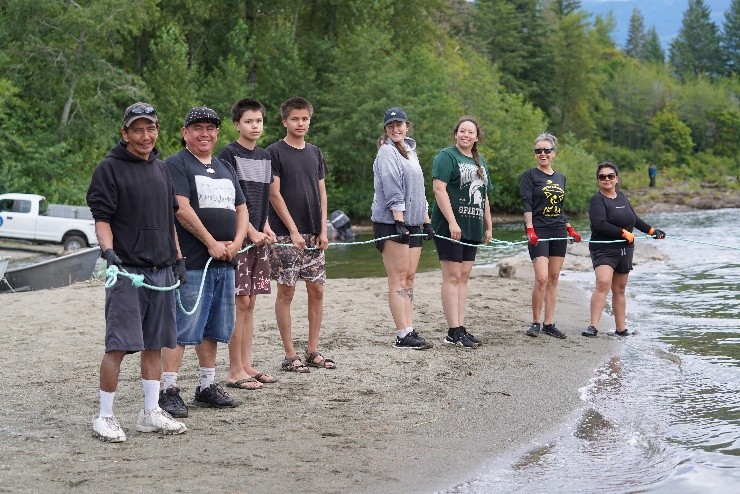
Back on shore, the helpers prepared to bring the net in. Working together, they steadily hauled the drag seine net toward the island, closing the bottom as it tightened around the fish. The process required strength, teamwork, and coordination, offering a powerful demonstration of traditional harvesting practices being actively maintained and shared across generations.
For Tliniihak Johnson, the work of Community Helpers reflects the values that continue to sustain Fish Days year after year.
“Fish Day helpers don’t do this work just for the fish; we do it from the heart, for our community,” said Johnson. “And yes, it often means early mornings, long hours, and hard work, tiring work, but we show up because we care for one another. Community, to me, is about coming together and supporting one another. It’s about holding each other up, making sure everyone has equal access and opportunity, and recognizing that every person has a role to play. When we work together, everyone benefits. That’s the strength of community.”
As the morning progressed, the shoreline became more than a harvesting site. It transformed into a gathering place where stories were shared, laughter carried across the beach, and families spent time together while waiting for distribution. Children watched the activity with curiosity while experienced harvesters guided volunteers through each stage of the process.
One particularly memorable moment came after the fish had been sorted. Fish that could not be distributed because of tears, bite marks, or other damage were respectfully returned to the ecosystem. An Elder carefully cut the fish into smaller pieces and shared them with birds gathered along the shoreline. A bald eagle swooped down to join the feast, creating a striking reminder of the interconnected relationship between salmon, wildlife, the environment, and the people who depend on them.
For FNHA staff in attendance, the day offered an opportunity to witness traditional harvesting practices firsthand and experience the strong sense of community that surrounds them. Beyond the harvest itself, Tseshaht Fish Days highlighted the importance of food sovereignty, cultural continuity, and relationships grounded in reciprocity, responsibility, and care.
|
|
More than a fish distribution, Tseshaht Fish Days is a celebration of community. From the arrival of families in the early morning darkness to the final sharing of the harvest, the day reflected generations of knowledge, cooperation, and connection to the water. It served as a powerful reminder that traditions continue to thrive when communities come together to share, support one another, and carry their teachings forward.
|
|
Changing the narrative on suicide: World Suicide Prevention Day |
|
Today on World Suicide Prevention Day, we recognize the importance of connection and community while honouring those we have lost and supporting those who may be struggling today.
|
|
Bringing services closer to home: Introducing the new FNHA.ca |
|
The new website offers improved navigation and connection to FNHA regional programs, services and supports.
|
|
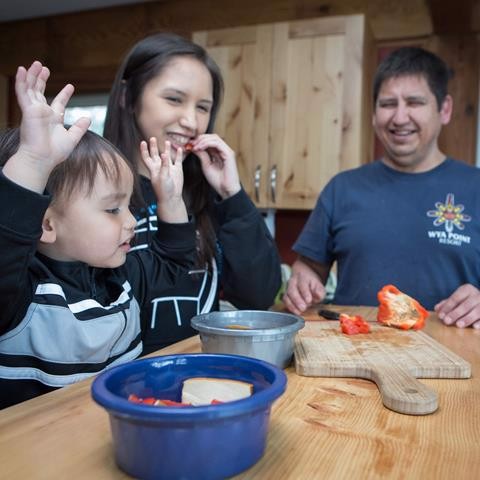
Healthy communities start at home |
|
From food security to cultural connection, Social Determinants of Health Funding provided by FNHA offers flexible, long-term support for First Nations to invest in health and wellbeing in ways that reflect local priorities, strengths and traditions.
|
|
Extension to the MT Temporary Mileage Rate |
|
In recognition of ongoing cost pressures affecting First Nations families and communities, First Nations Health Benefits has extended the temporary Medical Transportation (MT) mileage rates until January 31, 2027.
|
|
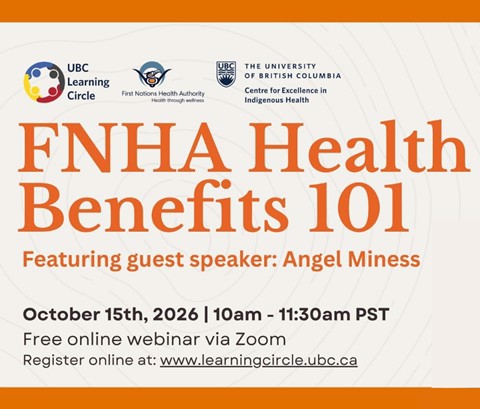
Webinar: FNHA Health Benefits 101 |
|
Join the UBC Learning Circle on October 15, for an overview of the FNHA Health Benefits program, including eligibility, available benefits, coverage and how to access services. Participants will gain a better understanding of the program and will have the opportunity to ask questions directly to Angel Miness, FNHA Representative for Health Benefits.
|
|
New supportive recovery beds to expand substance-use services in Alberni Valley |
|
People with substance use challenges in the Alberni Valley and West Coast will soon be able to access more recovery supports closer to home with the opening of eight new supportive recovery and stabilization beds.
Island Health, and the Province of B.C., announced the new Inlet Recovery Home in Port Alberni. Opening later this summer, it will provide 24-hour support for people on their recovery journey.
The beds at Inlet Recovery Home can be accessed by calling Westcoast Mental Health and Substance Use at 250-726-1282 or Port Alberni Mental Health and Substance Use at 250-731-1311.
|
|
Funding Opportunity: TELUS Indigenous Communities Fund Now Open |
|
The TELUS Indigenous Communities Fund is now accepting applications from Indigenous-led organizations and community groups. Grants ranging from $5,000 to $25,000 are available to support initiatives that strengthen community well-being and create positive, lasting impact.
Funding is available for projects focused on areas such as health, mental health and wellness, education and resource access, land and water stewardship, community development, and intergenerational language and cultural revitalization. Preference may be given to programs that leverage technology to support reconciliation efforts.
Applications open September 10 and close October 7, 2025.
|
|
- Family Physician - Pata'yi Primary Care Initiative (Kwakwaka’wakw Communities on Northern VI)
- Family Physician - ?uuk?inkpanac West Coast Primary Care Initiative (Ahousaht, Hesquiaht, Tla-o-qui-aht, Toquaht and Ucluelet First Nations)
- Nurse Practitioner - Coast Salish FNPCC
- Nurse Practitioner - Pata'yi Primary Care Centre (Kwakwaka’wakw Communities on Northern VI)
- Community Health & Home Care Nurse (Gilford, VI)
- Clinic Lead, Maternal Child & Family Health - Kwakiutl, Quatsino and Gwa'sala-'Nakwaxda'xw Nations (Port Hardy)
- Coordinator, Child & Youth Wellness, (Kwakwaka’wakw, VI)
- Director, Family Based Programs and Services, Kwakwaka’wakw Cultural Family
- Director, Family Based Programs and Services, Nuu-Chah-Nulth Cultural Family
- Health and Wellness Specialist, Coast Salish (Sidney or Stz’uminus/Oyster Bay Office)
- Health and Wellness Specialist, Kwakwaka’wakw Cultural Family Group (Port Hardy or Quinsam)
- Lead, Mental Health and Wellness, Crisis and Emergency Response (VI)
- Regional Senior Coordinator, Stzuminus (Oyster Bay)
|
|
First Nations Health Authority
Regional Contacts |
|
|
|
|
Acting Vice President, Vancouver Island
Regional Executive Director
Executive Director, Clinical Wholistic Services
Director, Regional Programs and Services, Coast Salish
Director, Regional Community Health and Wellness Services, Nuu-Chah-Nulth
Director, Regional Community Health and Wellness Services, Kwakwaka'wakw
Regional Operations Manager
Regional Manager, Planning and Development
Regional Finance Manager
Manager, Community Engagement:
Community Engagement Coordinators:
- Coast Salish:
- Nuu-chah-nulth:
- Kwakwaka'wakw:
Urban and Away from Home Coordinator
Regional Communication Generalist
Senior Advisor Cultural Safety and Humility
Regional Human Resources Generalist
|
|
|---|
|
|
|
|
|
Director, Nursing and Primary Care:
Communicable Disease Emergency Manager:
Community Practice Consultants:
Nurse Navigators:
|
|
|---|
|
|
|
|
|
Manager of Quality:
Quality Care Coordinators:
|
|
|---|
|
|
|
|
|
Community Relations Representative,
Health Benefits:
Registered Dental Therapists:
- Kim Trottier, Kim.Trottier@fnha.ca (Communities: Stz’uminus, Penelakut, Dzawada’enuxw)
- Melanie Braker, Melanie.Braker@fnha.ca (Communities: Ka;’yu:’k’t’h’/Che;k’tles7et’h’,
Yuułuʔiłʔatḥ, Ahousaht, Tla-o-qui-aht, Ditidaht, Huu-ay-aht, Hupacasath, Pauquachin and Tseycum
- Angela Ransom, Angela.Ransom@fnha.ca
(Communities: Mowachaht/Muchalaht First Nation, Kwakwaka'wakw First Nations – Quatsino, Gwa’sala-Nakwaxda’xw and Kwakiutl, Dzawada̱ʼenux̱w First Nation, Liǧʷiłdax̌ʷ First Nation - We Wai Kai, Wei Wai Kum and Kwiakah and Xwémalhkwu First Nation)
|
|
|---|
|
|
|
|
|
Regional Manager Environmental Public Health Services
|
|
|---|
|
|
|
|
|
Regional Manager, Public Health & Emergency Response
Community Coordinators, Crisis Response
|
|
|---|
|
|
|
|
|
Regional Manager, Mental Health and Wellness
Regional Manager, Toxic Drug Response
Team Lead, Mental Health and Wellness
Clinical Counsellor
Social Worker
|
|
|---|
|
|
|
|
|
Clinic Lead, Maternal Child & Family Health:
|
|
|---|
|
|
|
|
|
Provincial Project Manager, First Nations Primary Care Initiative (FNPCI)
|
|
|---|
|
|
Island Health – Indigenous Health, Diversity, Equity & Inclusion Portfolio Contacts
|
|
|
|
|
South Island
Central Island
North Island
Cultural Safety & Humility
Indigenous Recruitment & Retention
Strategy, Partnerships & Engagement
Diversity, Equity, & Inclusion
Medical Director
|
|
|---|
|
|
| |
|
 |
|  |
|
|
|
|