|
|
Hi ,
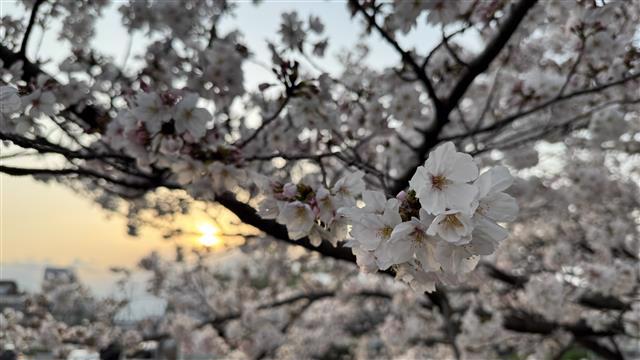
Sakura season is one of the most anticipated times of the year – an annual celebration heralding the arrival of spring that captivates residents and visitors alike. From the first hint of colour to the gentle flurry of falling petals, the blooms are fleeting, often lasting no more than two weeks. This sense of ephemerality makes the experience feel all the more magical.
While well-known spots can become busy during peak bloom, sakura trees can be found across the entire country. Thanks to Japan’s varied climate and geography, even within prefectures, there is often a wider window of opportunity to enjoy the blossoms than many travellers realise.
Japan is also home to a wonderful variety of sakura, each offering its own unique charm. Beyond the familiar pale-pink Somei-Yoshino, you’ll also find early-blooming Kawazu-zakura and Kanhi-zakura, lush multi-petalled Yae-zakura, graceful Shidare-zakura, and even varieties that bloom in autumn, plus many more.
In this special edition, we’re showcasing the rich diversity of cherry blossom experiences across the country. We’ve highlighted a range of destinations – some lesser-known, others beloved by locals in more far flung locations – across each prefecture to inspire your next springtime adventure.
Whether you have an upcoming spring escape or are simply dreaming ahead, we hope this issue inspires you to explore beyond the usual hotspots and discover your own unforgettable sakura moments.
|
|
|---|
|
|
|
|
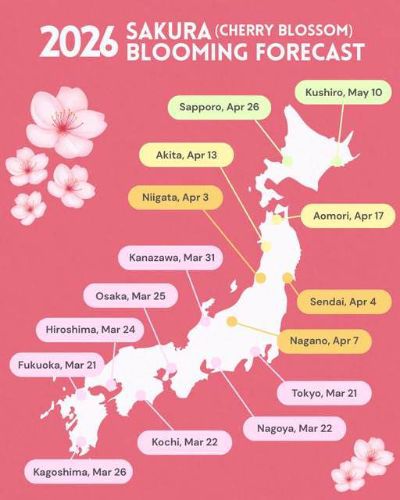
Get ready for sakura season with our latest forecast or dive deeper into this beloved time of year with this sakura-themed edition of Highlighting Japan, a monthly government publication showcasing Japanese culture.
For even more spring travel ideas, explore our cherry blossom page, or simply click through the prefecture headers below to discover more inspiration across the country. |
|
|---|
|
|
Sakura highlights across Japan |
|
|---|
|
©OCVB
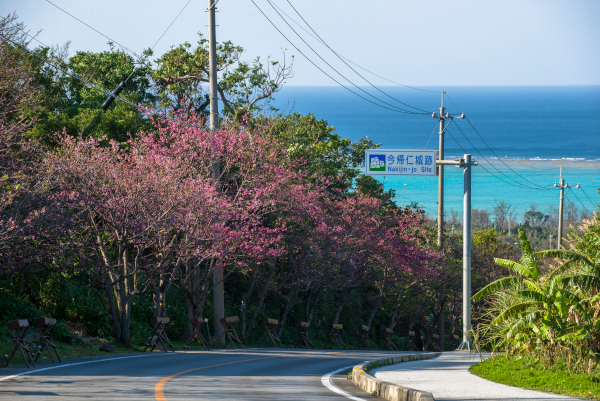
Characterised by their vibrant, deep‑pink flowers, the cherry blossoms in the southernmost prefecture of Okinawa are known as Ryukyu Kanhi‑zakura. Each January, the Motobu Yaedake Cherry Blossom Festival celebrates these early blooms – marking the first cherry blossom festival of the year.
|
|
|---|
|
|
|
At the foot of Mt Mifune, Mifuneyama Rakuen bursts into colour each spring as around 2,000 sakura trees transform the vast garden, complemented by nighttime illuminations and the Haginoo Ochaya Tea House opening to visitors during the Flower Festival. For a sakura experience tinged with nostalgia, the Uranosaki Station Sakura Tunnel offers soft pink blossoms arching over railway tracks, a scene celebrated each year during the Cherry Blossom Station Festival. |
|
|---|
|
|
|
|
Set atop the old moat of Kushima Castle, Omura Park is a beloved hanami spot and home to Omura Sakura, which is known for its lush, multi petaled blooms. For a dramatic coastal scene, Saikai Bashi Bridge Park overlooks the fast moving tides of the Inoura Strait, where swirling whirlpools and rows of cherry trees create an unique spring scene. |
|
|---|
|
|
|
|---|
|
|
© K.P.V.B
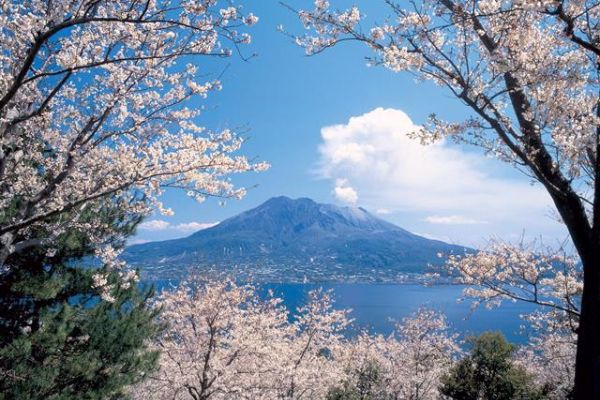
Marvel at the early-blooming Kanhi-zakura at Sengan-en, a World Heritage-listed Japanese garden with spectacular views of the active Sakurajima volcano. For families and the young at heart, Sakurajima Dinosaur Park offers dinosaur-themed playground equipment as well as a Cherry Tree Forest to explore. |
|
|---|
|
|
|
Follow the Yunoko Cherry Line, where the blossoms stretch along the blue of the Yatsushiro Sea coast and weave up the green mountain via the town of Minamata. For a scene shaped by centuries of history, head to Isshingyo Park, home to a single, magnificent sakura – an ancient tree over 14 metres tall and said to be more than 400 years old. |
|
|---|
|
|
|
|
The Saitobaru Burial Mounds offer a unique hanami setting, with 300 ancient kofun spread across a vast plateau where thousands of sakura bloom alongside bright yellow canola flowers. Kannonike Park provides a more playful spring experience, featuring cherry blossoms along with a Ferris wheel, go carts, rental boats, plus a hot spring, campsite and bungalows. |
|
|---|
|
|
|
|
Along the northern side of the Youra Peninsula, around 5,000 Kawazu-zakura trees begin blooming as early as February, with their vivid pink colour providing a striking contrast with the coastal scenery. Further inland near Nagayu Onsen – one of Japan’s premier carbonated hot springs – you’ll find one of western Japan’s largest groves of weeping sakura trees. Across its expansive grounds, roughly 2,600 trees of six varieties create sweeping tunnels of blossoms. |
|
|---|
|
|
|
|---|
|
|
Provided by Kagawa Prefectural Tourism Association (public corporation)
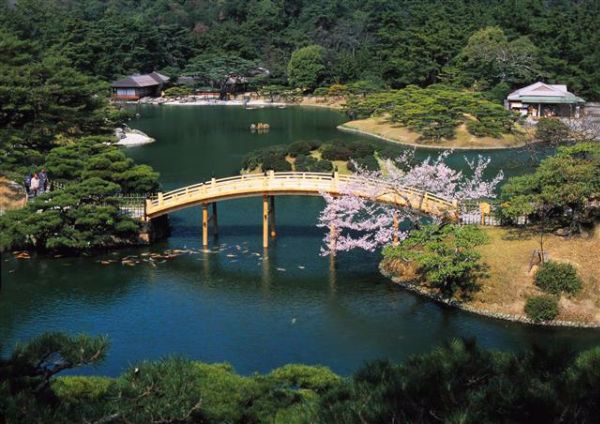
Enjoy sakura set among beautifully sculpted landscapes at Ritsurin Park, an expansive garden dating back to the Edo Period featuring tranquil ponds, a traditional teahouse, folk craft museum and the option to take in the scenery from a wasen boat. For sweeping vistas of the Seto Inland Sea framed delicate pink blossoms, head to Mt Shiude. The viewpoint is best accessed by car, and advance reservations are required for entry during the sakura season. |
|
|---|
|
|
|
See the vibrant deep pink Hachisuka cherry blossoms along the Suketo River in Tokushima Central Park. Endemic to Tokushima Prefecture, these earlier-blooming flowers are typically at their best in early to mid-March. For sweeping city views, head to Bizan Park, where visitors can see cherry blossoms visible along the Bizan Parkway or aboard the Bizan Ropeway. |
|
|---|
|
|
|
For an off-the-beaten-track experience, head to Mt Sekizenzan on Iwagi Island, one of the four islands that make up the scenic Yumeshima Kaido cycling route. A more central and historical option is Matsuyama Castle, one of only twelve castles that still retain their original keeps from the Edo Period. |
|
|---|
|
|
|
Visit Hyotan Sakura Park to see hyotan sakura, including a 500‑year‑old tree, blooming against mountain views and fields of bright nanohana. For a sakura experience paired with thousands of other plants, head to Makino Botanic Garden. Located across from Chikurinji Temple, the garden features a variety of zones to explore as well as a restaurant and cafés. |
|
|---|
|
|
|
|---|
|
|
|
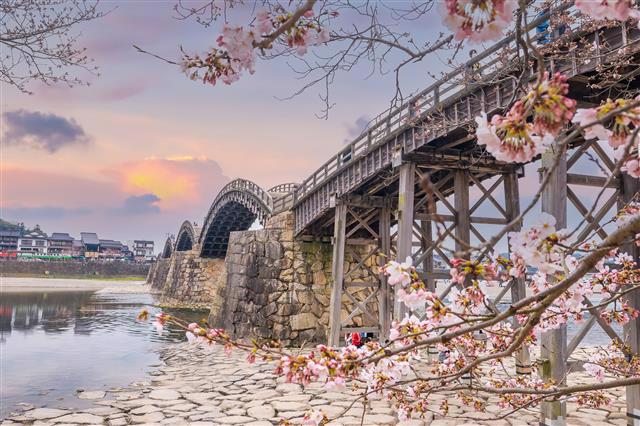
Yamaguchi’s iconic Kintaikyo Bridge becomes even more striking when sakura blooms frame its elegant wooden arches. Along the Ichinosaka River, rows of blossoms create a scenic riverside walk lined with seasonal colour. Nearby Saikotei offers the chance to rent a kimono, adding a cultural touch to your springtime stroll. |
|
|---|
|
|
|
Wakasa offers a nostalgic hanami experience as cherry blossoms line the tracks between Koge and Wakasa Stations, creating a soft pink backdrop against the town’s retro railway charm. For a grand spring spectacle, Tottori Hanakairo Flower Park showcases sakura trees alongside vibrant tulip displays, all set against the dramatic silhouette of Mt Daisen. |
|
|---|
|
Okayama
Asahi River Sakura Road is a popular hanami spot for in the city, with cherry blossoms stretching for a kilometre along the river near Korakuen Garden. The Okayama Sakura Carnival is held during the sakura season, with evening illuminations enhancing the festive atmosphere. For a different perspective, Mt Ojigatake rewards hikers with soft pink blooms set against sweeping views of the Seto Inland Sea.
|
|
|---|
|
|
|
|
Set amid the remote beauty of the Oki Islands, Oki Shrine offers a serene spring setting as around 150 sakura trees brighten the grounds of Ama Town on Nakanoshima. For another scene that blends sakura with spiritual calm, visit Kiyomizu Temple, where its three-storied pagoda is framed by a canopy of cherry blossoms. Visitors can also enjoy traditional shojin ryori (vegetarian Buddhist cuisine) served by nearby ryokan. |
|
|---|
|
|
Haji Dam bursts into colour each spring as around 6,000 sakura bloom across the area, with nearby food stalls adding a festive touch. For panoramic views of the Seto Inland Sea, Mt Fudekage offers sweeping vistas of the island-dotted waters, complemented by roughly 2,000 cherry blossoms trees in bloom. Sorahiko Shrine provides a more historical experience, where blossoms frame the large wooden torii gate and towering cedars line the walkway leading deeper into the shrine grounds. |
|
|---|
|
|
|
|---|
|
|
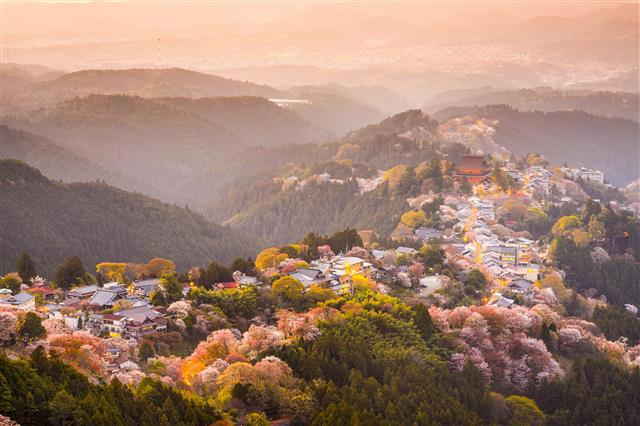
Yoshinoyama is famous for tens of thousands of trees blooming in stages across the mountain. Closer to the city centre is Kasugano Garden, which offers views of Mt Wakakusa and Todaiji’s Great Buddha Hall, with deer resting on lawns surrounded by sakura trees. For something unique, look for Naranoyaezakura – Nara’s official flower – which blooms later in April to early May around Todaiji Temple, Nara Park and Kohfukuji Temple. |
|
|---|
|
|
Kyoto
Yawaragi Road area offers a scenic stroll where cherry blossoms line both banks of the Nanatani-gawa River. Another beautiful spring path awaits at Mukojinja Shrine in the Otokuni Bamboo Grove,area where a 200 metre cobblestone approach lined with sakura leads to the main shrine.
|
|
|---|
|
|
|
Shiga
Sakura trees stretch for around 4km along the shoreline of Lake Biwa at Kaizu Osaki, one of the region’s best-known spots for late-blooming cherry blossoms. Another highlight is Miidera Temple, which is a popular filming location and features an illuminated tunnel of cherry blossoms in the evening.
|
|
|---|
|
|
|
|---|
|
|
©Osaka Convention & Tourism Bureau
Osaka
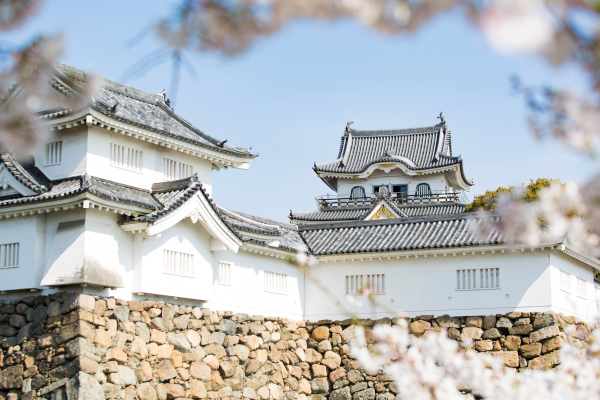
For those seeking sakura with castle views, Kishiwada Castle in southern Osaka offers a quieter alternative. Meanwhile, in the northern hills of Minoh at Katsuoji Temple – known for its daruma dolls – the blossoms typically bloom later than in other areas, around the end of March and through April.
|
|
|---|
|
|
|
|
Wakayama
The expansive grounds of Wakayama Castle transform into a classic hanami setting each spring, with a modern art museum, a cultural centre and tea house tucked among the blossoms. For a more dramatic view, the red suspension Zaobashi Bridge spans the Futagawa Dam, offering sweeping views of the landscape, including sakura trees that bloom for nearly 4km along the water.
|
|
|---|
|
|
|
|---|
|
|
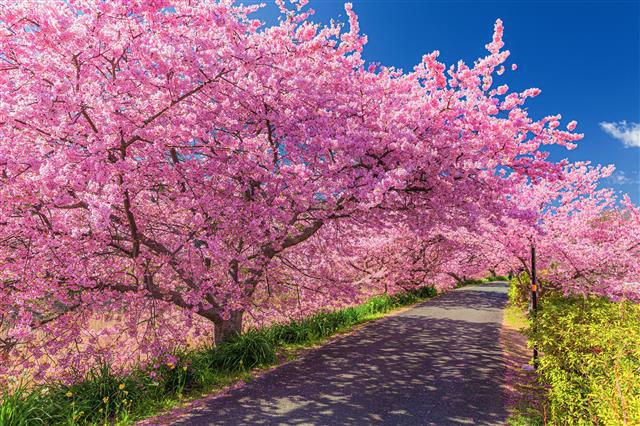
Kawazu is famous for its early blooming Kawazu-zakura, which line the river with deep pink blossoms from early February to early March. The Ieyama Sakura Tunnel in Shimada is a spectacular kilometre-long spring corridor, where the soft pink blossoms and the jet-black steam locomotive combine to create a nostalgic charm. |
|
|---|
|
|
Yamanashi
Maizuru Castle Park is home to the historic Kofu Castle site and features original stone walls alongside restored structures such as the gates and the Inari yagura watchtower. It’s popular as a hanami spot, and on clear days visitors can enjoy views of Mt Fuji in the distance. Oboshi Park is another beloved sakura spot, offering views of the iconic peak, evening illuminations and a cherry blossom festival during peak bloom.
|
|
|---|
|
|
|
Gifu
Sheltered by nearby Mt Ikeda, around 1,500 sakura trees in a variety of hues transform Kamagatani Park into a striking hanami spot, with blossom covered mountains, stone bridges and tea fields setting the scene. For those feeling more energetic, the surrounding mountains are home to excellent hiking trails. Not far away, Yoro Park offers a dazzling, kilometres-long display from Yoro Waterfall to Yoro Station, where thousands of sakura trees colour the landscape pink.
|
|
|---|
|
|
|
Aichi
In Inuyama, a serene 40-minute cruise along the Kiso River offers dreamy views of riverside cherry blossoms, with glimpses of Inuyama Castle rising above the spring landscape. At the Aichi Prefectural Greenification Center, a 130m promenade lined with pale pink sakura and snow white yukiyanagi meadowsweet creates a striking seasonal contrast within the Japanese style garden. For castles paired with sakura, there are plenty of options throughout Aichi to explore.
|
|
|---|
|
|
|
|---|
|
|
Omiya Park offers a relaxing spring outing away from bustle of the larger cities, with a serene Japanese garden, local museum and several playgrounds areas to explore. For a sakura sighting that’s literally been to space and back, make your way to Seki Park in Yoshikawa City, where sakura trees grown from seeds that travelled into space with astronaut Koichi Wakata now bloom with an otherworldly backstory. |
|
|---|
|
|
Tokyo
For a quieter sakura spot combined learning about the stars, head to the National Astronomical Observatory of Japan in Mitaka, where cherry blossoms are dotted throughout the campus and frame an observatory building dating back to the early 1920s. To see early blooming varieties, Shinjuku Gyoen is home to Kanzakura, which begin flowering as early as February. With around 68 varieties of sakura trees, the garden enjoys a staggered and longer blooming period.
|
|
|---|
|
|
|
Chiba
Lake Kameyama offers a peaceful sakura escape and is an ideal spot for gentle walks, cycling or enjoying nearby hot springs. A highlight is the striking red torii gate that appears to float on the lake, beautifully framed by cherry blossom trees in the springtime. For a completely different kind of hanami moment, head to Sakuranoyama Park, where pink blossoms frame the sight of aircraft taking off and landing at Narita Airport. A small shop nearby adds to the experience with local produce, treats and keepsakes.
|
|
|---|
|
|
|
|---|
|
|
Photo credit: Yokohama City Visitors Bureau
Kanagawa
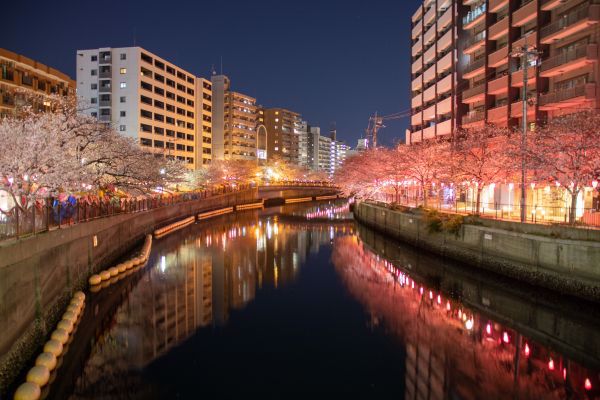
Running through the centre of the Gumyoji Kannon Shopping Street, the Ooka River transforms into a soft pink promenade each spring. Also located in Yokohama, Mitsuike Park is home to 1,600 sakura across 78 different species, offering an extended cherry blossom viewing. The park also offers plenty to explore for the whole family, with play equipment, two walking trails and three scenic ponds.
|
|
|---|
|
|
Ibaraki
Nearly 2,000 yaezakura burst into bloom at Shizumine Furusato Park in late April and are celebrated during the Yaezakura Festival, when the lush, layered blossoms reach their peak. To see wild sakura, head to the city of Sakuragawa. Mt Takamine is especially striking, with a patchwork of pink petals, red buds and fresh green foliage that can be admired from the Hirasawa Community Center viewpoint.
|
|
|---|
|
|
|
Tochigi
The Nikko Kaido Trail showcases around 1,500 cherry trees lining a historic 16km route originally built for nobles of the Tokugawa clan. In Oyama City, you can admire Omoigawa-zakura, a special local variety that blooms later than Somei-yoshino and was discovered in the garden of a nearby monastery about 70 years ago.
|
|
|---|
|
|
|
Gunma
Spread across the lower slopes of Mt Myogi, Sakura no Sato
enjoys a long flowering season, with the blooms contrasting beautifully with the craggy peaks above. For a step back in time, the Castle Town Obata Cherry Blossom Festival brings the Edo Period to life as residents in samurai attire parade through sakura-lined streets, with historical samurai residences adding to the festive atmosphere.
|
|
|---|
|
|
|
|---|
|
|
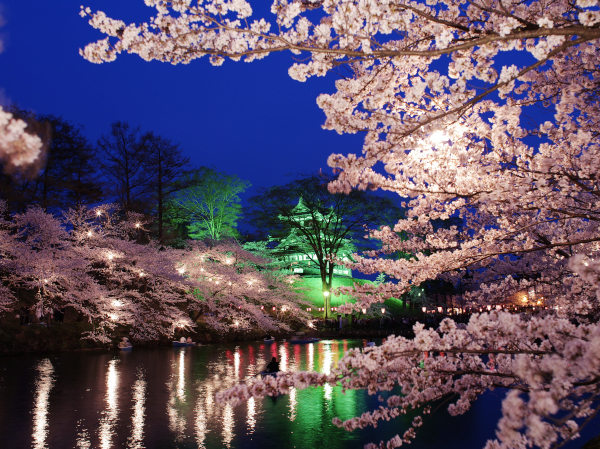
Takada Park is renowned for its evening illuminations, where thousands of illuminated sakura trees light up the castle grounds in a spectacular nighttime display. The Tsubame Cherry Blossom Festival brings a historical touch to the season with a traditional parade set against 2,600 blooming sakura trees, while Muramatsu Park offers playgrounds, food stalls, and plenty of picnic spaces, making it an ideal spot for visitors with children. |
|
|---|
|
|
Nagano
Takato Castle Park offers breathtaking views of blossoms set against the Japanese Alps. It is home to the unique Takato-kohigan-zakura, which are known for their dense branches and soft pink flowers that, at full bloom, create a canopy so thick it seems to blot out the sky. Kozenji Temple in Komagane City adds a serene contrast, with over 70 weeping cherry trees amongst a peaceful temple grounds lined with towering Japanese cedars.
|
|
|---|
|
Toyama
Takaoka Kojo Park is a popular hanami spot, with expansive green grounds and soft pink blooms surrounding the historic castle ruins. In Asahi Town, the ‘Spring Quartet’ is a breathtaking scene of cherry blossoms, tulips and yellow nanohana flowers blooming together against the backdrop of the snow-capped Northern Alps.
|
|
|---|
|
|
|
Ishikawa
Kenrokuen, one of Japan’s most celebrated gardens, showcases the rare Kikuzakura – multi layered blossoms with over 300 petals characterised by their colour shift from deep red to pink to white. On the Noto Peninsula, Kurikara Fudoji’s mountaintop grounds are blanketed by more than 6,000 cherry trees each spring, with a slightly later peak season that makes this historic temple an ideal sakura stop in late April to early May.
|
|
|---|
|
Asuwayama Park charms visitors with its 450-year-old weeping cherry tree, peaceful walking paths, and nearby museums that make it a rewarding cultural and seasonal stop. For a step back in time, the Ichijodani Asakura Clan Ruins feature reconstructed streets, restored gardens and scenic views from the hillside castle site. The banks of the Ichijo River that run through the site are a popular place with families to enjoy the cherry blossoms. |
|
|---|
|
|
|
|---|
|
|
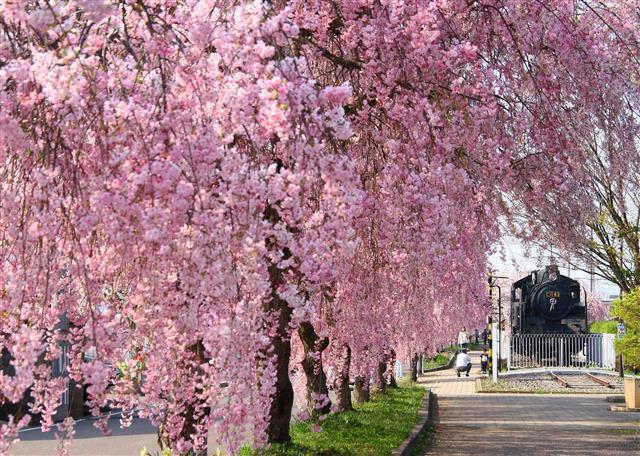
Follow the former railway route of the Nicchu Line, where graceful weeping sakura trees form a soft pink tunnel each spring, typically reaching their best around the Golden Week holidays in late April or early May. For an accessible and welcoming off-the-beaten-track destination, head to Hanamiyama Park, which offers a spectacular display of spring blossoms set against the snow-capped Azuma Mountains. |
|
|---|
|
|
At Saruka Park, cherry trees bloom around a serene pond, offering the chance to admire the blossoms from a rowboat while colourful carp glide beneath the surface. Hirosaki Park delivers quintessential sakura scenes, with arching pink canopies framing the historic castle and moats. In winter, the park transforms again during its light-up event, where snow-laden branches are illuminated in a soft pink glow, creating the enchanting illusion of sakura blooming in the snow . |
|
|---|
|
|
|
Hitome Senbonzakura offers breathtaking views of more than a thousand cherry blossom trees reflected in the Shiroishi River, set against the snowy backdrop of the Zao Mountain Range. Funaoka Castle Park is another beloved sakura spot, where you can ride the retro slope car through blankets of pink blooms to reach the castle’s summit and take in the stunning scenery. |
|
|---|
|
|
|
|---|
|
|
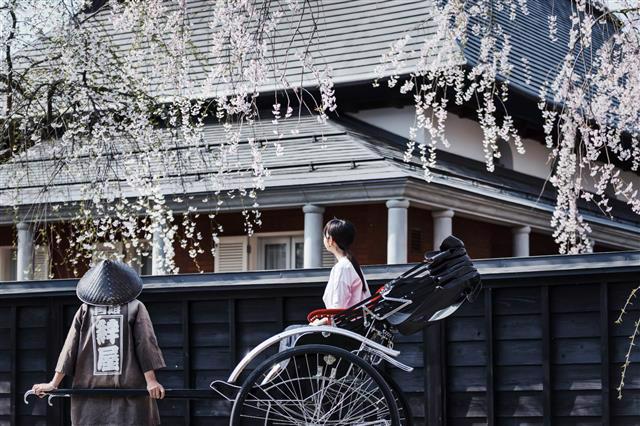
In Kakunodate, the former samurai district becomes an enchanting spring scene as soft pink weeping sakura drape over preserved wooden residences and atmospheric streets. At Nihon Kokkaen Park, around 2,000 cherry trees spanning over 200 species bloom in succession, creating a longer viewing season ideal for wandering the gardens and discovering its 41 unique sculptures. The stunning Shirakami Sanchi region is also home to many hidden sakura spots, offering quieter escapes deep in nature. |
|
|---|
|
|
For a unique hidden spot, head to the Mizusawa VLBI Observatory, where delicate sakura frame the site and the impressive VERA 20 metre radio telescope. At Takamatsu Park , a tranquil pond lined with nearly 2km of cherry trees can be enjoyed from the walking path or from the water. Further south, Kitakami Tenshochi Park offers tunnels of pink blossoms that glow softly at dusk, while colourful carp streamers and riverboat cruises add a festive touch along the Kitakami River. |
|
|---|
|
|
|
The Tendo Cherry Blossom Festival transforms the summit of Mt Maizuru into a stage for a unique event, where costumed warriors and attendants act as life sized shogi pieces, all set against a backdrop of around 2,000 blooming sakura trees. Nearby Tendo Onsen’s riverside weeping cherry blossoms offer scenic spring strolls, while the blossom lined river at Atsumi Onsen provides another hot spring setting where visitors can enjoy the sakura blooms alongside a relaxing soak. |
|
|---|
|
|
|
|---|
|
| |
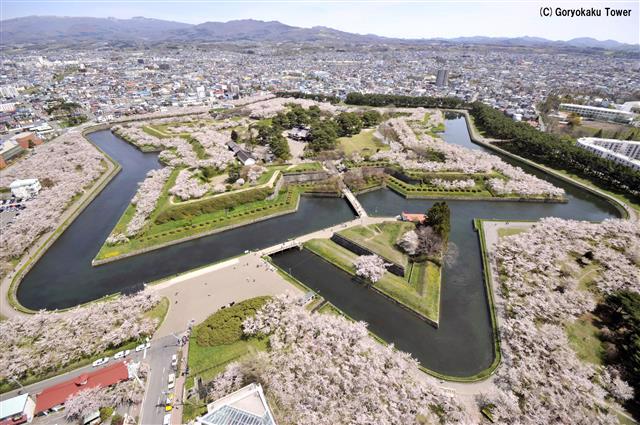
Hokkaido’s cherry blossoms arrive later than the rest of Japan, creating spectacular displays across the region from late April. In Sapporo, Hokkaido-jingu Shrine and neighbouring Maruyama Park are popular places to see the blooms. Down south in Hakodate, sakura line the star shaped fort at Goryokaku Park, while Matsumae Park – home to Japan’s northernmost castle – boasts over 10,000 cherry trees in multiple varieties, extending the season from late April through late May |
|
|---|
|
|
Copyright © 2026 Japan National Tourism Organization | All rights reserved.
Our mailing address is:
Japan National Tourism Organization
Suite 1, Level 4, 56 Clarence Street
Sydney NSW 2000 Australia
|
|
|---|
|
Nicchu Railway content is from Partners Information. |
|
|---|
|
|
|