読者の皆さまへ
早いもので2021年も後半となりましたが、いかがお過ごしでしょうか。今月は、オープンキャンパス関連イベントや日本経済のパネルディスカッションに加え、人文社会科学の未来を考えるシンポジウム・シリーズが開催されます。東大における研究教育と学術区分のあり方を再考する興味深い議論に是非ご参加下さい。本号では、先月着任したポストドクトラル・フェローのRosita SAMSUDINさんのインタビューや最新論文情報もお届けします。
|
|
|---|
|
東京カレッジシンポジウムシリーズ
人文社会科学の未来
『東京大学における人文社会科学の振興と展望』(2020年12月)を承け、人文社会科学の意義や学術区分のあり方、東大におけるその研究教育の現状と問題点、将来構想など多彩なテーマについて3回に亘って討議する。
|
|
|---|
|
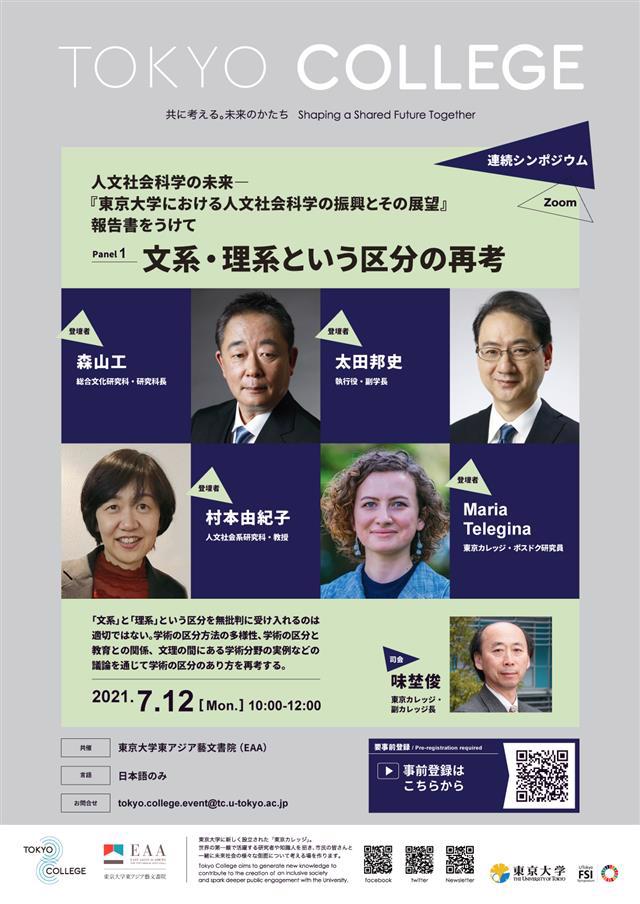
Panel 1
文系・理系という区分の再考
モデレーター:味埜俊(東京カレッジ・副カレッジ長)
登壇者
森山工(総合文化研究科・研究科長)
太田邦史(執行役・副学長)
村本由紀子(人文社会系研究科・教授)
Maria Telegina(東京カレッジ・ポストドクトラル・フェロー)
日時:2021年7月12日(月)10:00-12:00
言語:日本語
要事前登録
|
|
|
|
|
「文系」と「理系」という区分を無批判に受け入れるのは適切ではない。学術の区分方法の多様性、学術の区分と教育との関係、文理の間にある学術分野の実例などの議論を通じて学術の区分のあり方を再考する。
|
|
|---|
|
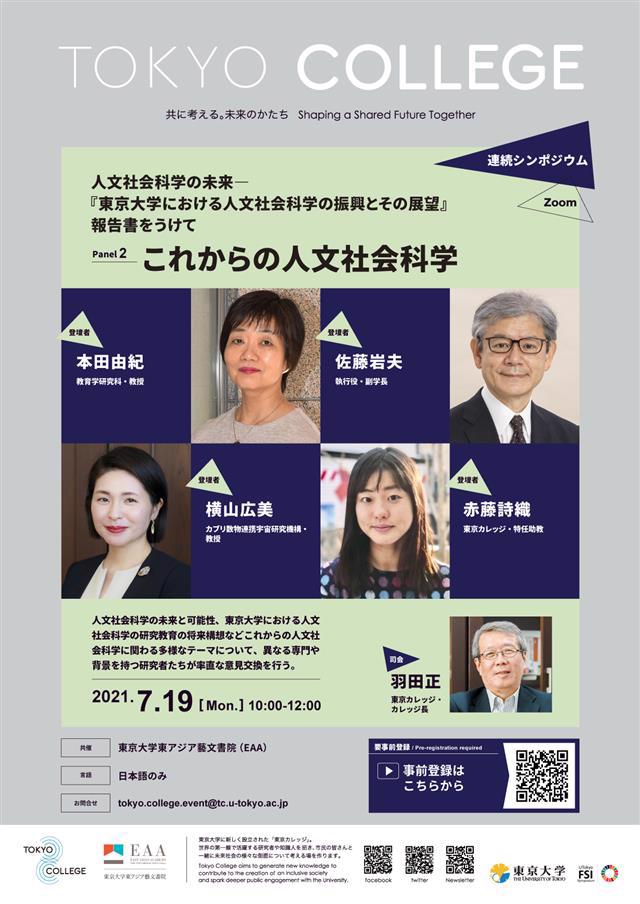
Panel 2
これからの人文社会科学
モデレーター:羽田正(東京カレッジ・カレッジ長)
登壇者
本田由紀(教育学研究科・教授)
佐藤岩夫(執行役・副学長)
横山広美(カブリ数物連携宇宙研究機構・教授)
赤藤詩織(東京カレッジ・特任助教)
日時:2021年7月19日(月)10:00-12:00
言語:日本語
要事前登録
|
|
|
|
|
人文社会科学の未来と可能性、東京大学における人文社会科学の研究教育の将来構想などこれからの人文社会科学に関わる多様なテーマについて、異なる専門や背景を持つ研究者たちが率直な意見交換を行う。
|
|
|---|
|
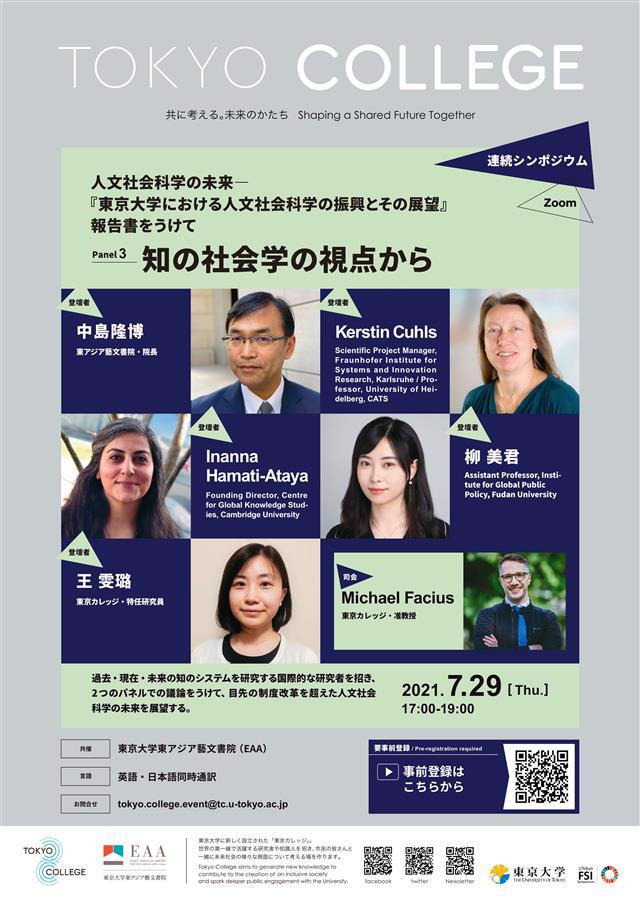
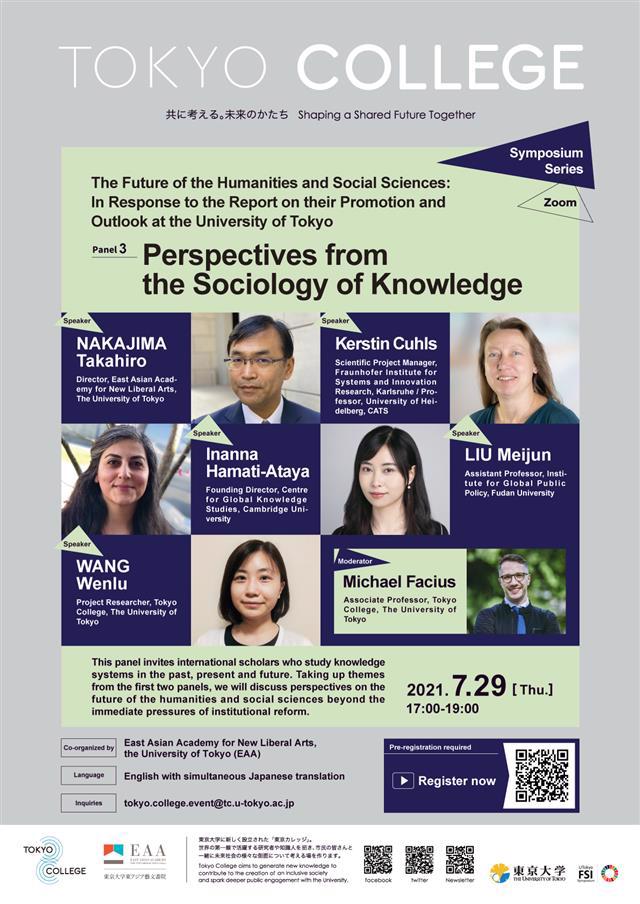
Panel 3
知の社会学の視点から
モデレーター:Michael Facius(東京カレッジ・准教授)
登壇者
中島隆博(東アジア藝文書院・院長)
Kerstin Cuhls(Scientific Project Manager, Fraunhofer Institute for Systems and Innovation Research)
Inanna Hamati-Ataya(Founding Director, Centre for Global Knowledge Studies, University of Cambridge)
柳美君(Assistant Professor, Institute for Global Public Policy, Fudan University)
王雯璐(東京カレッジ・特任研究員)
日時:2021年7月29日(木)17:00-19:00
言語:英語(日英同時通訳有)
要事前登録
|
|
|
|
|
過去・現在・未来の知のシステムを研究する国際的な研究者を招き、2つのパネルでの議論をうけて、目先の制度改革を超えた人文社会科学の未来を展望する。 |
|
|---|
|
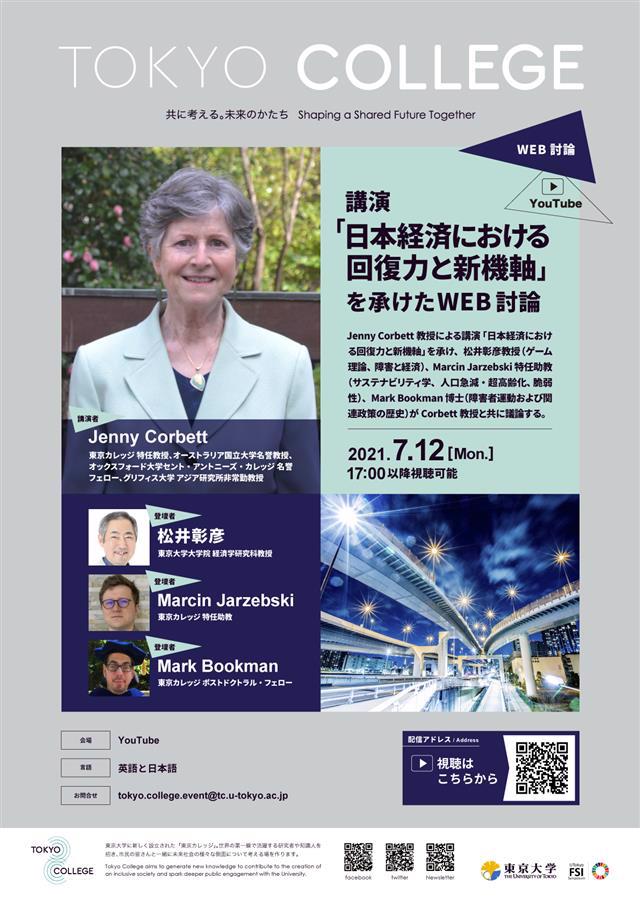
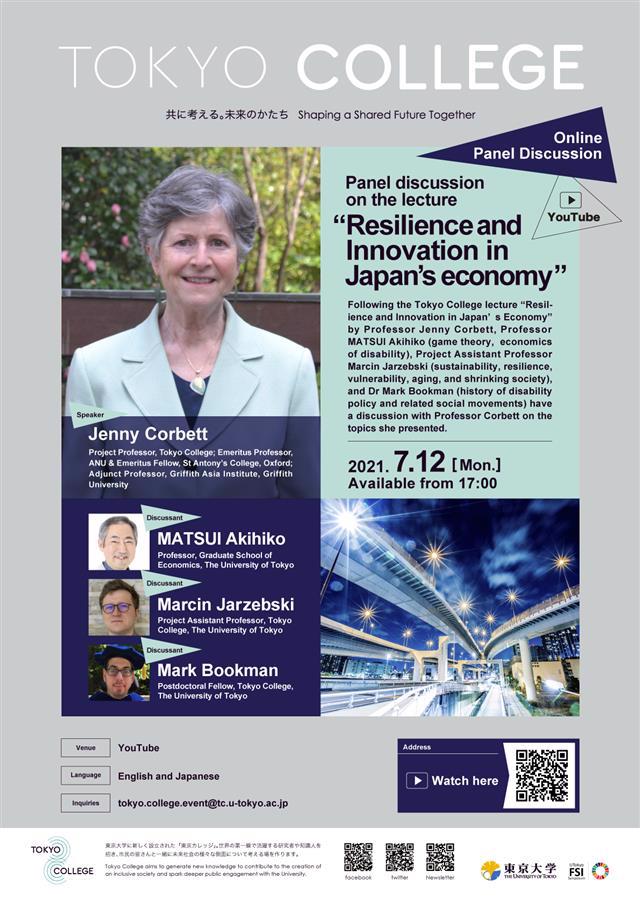
講演「日本経済における回復力と新機軸」を承けたWEB討論
Jenny Corbett教授による講演「日本経済における回復力と新機軸」を承け、松井彰彦教授(経済学研究科、ゲーム理論、障害と経済)、Marcin Jarzebski特任助教(東京カレッジ、サステナビリティ学、人口急減・超高齢化、 脆弱性)、Mark Bookman博士(東京カレッジ、障害者運動および関連政策の歴史)がCorbett教授と共に議論する。
日時:2021年7月12日(月)17:00以降 YouTubeチャンネルにて視聴可能
言語:英語(日英同時通訳有)
要事前登録
|
|
|
|
|
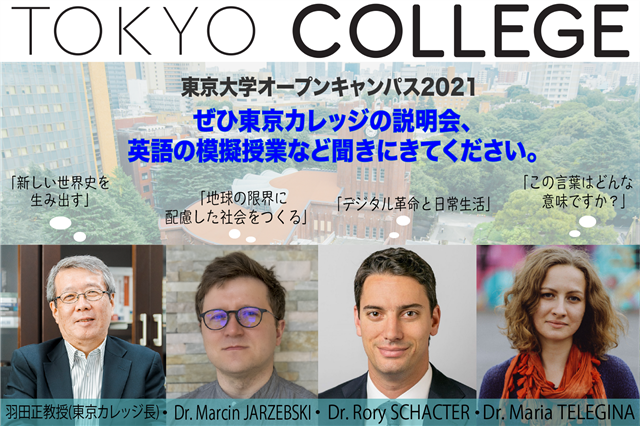
高校生のための
東京大学オープンキャンパス
説明会・模擬講義のライブ配信・録画映像配信や、オンライン質問会等を中心に実施します。東京カレッジのメンバーも活動内容や研究テーマについてお話します。
説明会「新しい世界史を生み出す」
羽田正(カレッジ長)
模擬授業「地球の限界に配慮した社会をつくる」
講師:Marcin Jarzebski(特任助教)
模擬授業「デジタル革命と日常生活:テクノロジーに関する倫理的課題と向き合う 」
講師:Rory Schacter(ポストドクトラル・フェロー)
模擬授業「この言葉はどんな意味ですか?」―意味論への誘い
講師:Maria Telegina(ポストドクトラル・フェロー)
日時:2021年7月10日 11:00~12:00, 13:00~15:50
要事前登録(7月9日受付終了)
|
|
|
|
|
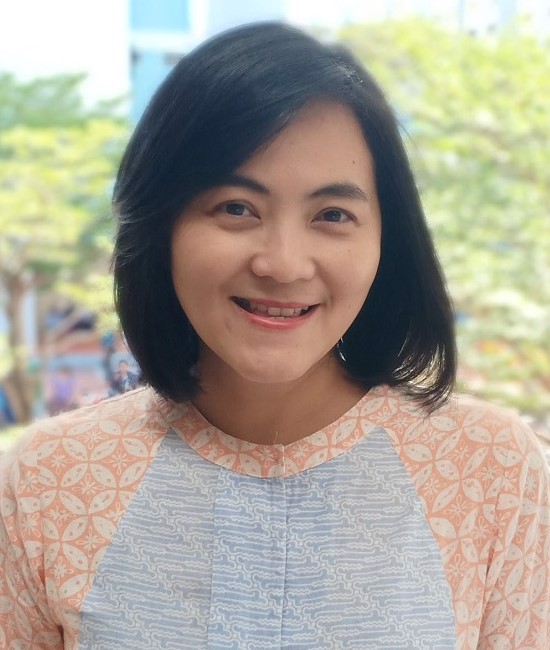
このコーナーでは東京カレッジの新任メンバーを紹介します。今回は先月ポストドクトラル・フェローに着任したRosita SAMSUDINさんにお話を伺いました。
|
|
|
|
|
東京カレッジへようこそ! COVID関連の制約により、現在はまだシンガポールを拠点に活動されていますね。以前はどのような活動をされていたのでしょうか?
歓迎していただき、ありがとうございます。高密度の都市における都市緑化と人間の幸福に関する研究を行ってきました。最近修了した博士課程の研究では、シンガポールの公営住宅における住民の社会資本形成においての緑地の重要性を調査しました。また、シンガポール国立大学の同僚と、シンガポールにおける公園分布の空間的公平性の評価や、シンガポール、東京、ソウル、香港、ロンドン、ニューヨークにおける都市緑化の取り組みの比較など、都市緑化に関連するプロジェクトにも携わってきました。最近では、Future Cities Laboratory Singaporeの同僚と一緒に、インドネシアの4都市でエビデンスに基づく都市計画プロセスの認知度を高めるプロジェクトを行いました。
現在の研究プロジェクトについて簡単に教えてください。
都市における緑地と社会資本の関係は学際的なアプローチを必要としますが、その測定が難しいことから、まだあまり研究されていません。しかし、都市の人口は急速に増加しており、このテーマは緊急の研究課題です。パンデミックも、都市における自然の存在が人間の幸福にとって非常に重要であることを示しています。
私は現在、東京と大阪という2つの高密度都市における社会資本の形成を促進する緑地の役割を調査しています。都市の緑化は、日本の大都市において重要な都市計画政策であり、日本の都市社会では社会資本が長年にわたって推進されてきました。しかし、都市の緑地が社会資本形成を促進するプラットフォームとしてどのような役割を果たしているのかは、あまり理解されていません。私の研究は、シンガポールでの研究と合わせて、都市社会にとって社会的に有益な緑化を計画するためのより良い知見を提供します。両研究から導き出された結果は、政策立案者だけでなく社会全体にとって有益なものとなるでしょう。さらに私は、緑地、社会資本、健康の関係のメカニズムを理解するために研究の視野を広げています。都市の緑化と社会資本が健康増進に重要であることは広く認識されていますが、この3つの側面がどのように相互に関連しているかについてさらなる研究が必要です。
東京カレッジ滞在中に達成したい目標は何ですか?
都市はますますダイナミックで複雑なシステムになってきています。そのため、都市を持続可能なものにし、都市社会の日常生活にとって理想的なものにするための理解と努力には、学際的な思考が必要です。東京カレッジでは、そのユニークなフレームワークによって、より良い都市と都市社会を構築するための包括的な対応を可能にする学際的な共同研究を行う機会に恵まれています。私が在職中に東京カレッジやその他の機関の同僚と一緒に共同研究を行うことで分野間のギャップを埋め、都市の緑化や都市計画・デザインなどの手段を用いて都市社会の幸福を促進するためにインパクトのある解決策や取り組みを提供できればと思います。また、滞在中に日本語を学び、日本の文化をもっと知りたいと思っています。
|
|
|---|
|
オンライン展示『持続(不)可能なモノたち』
世界は常に変わっています。ただ、そうやって社会が変わっていく時に、ちょっとだけでも、「こっちに変わったら?」と言えたら。ヒトとヒトとをつなげることで、良い変化を生み出す原動力になれたら。そんな思いから、私たちは今日も東京カレッジで研究を続けています。今回は、そんな私たち一人一人が、自らの研究を、「持続可能」(サステイナビリティ)というテーマに関連させ、アートとして表現しました。
|
|
|---|
|
高齢化と人口減少に関する新しい論文
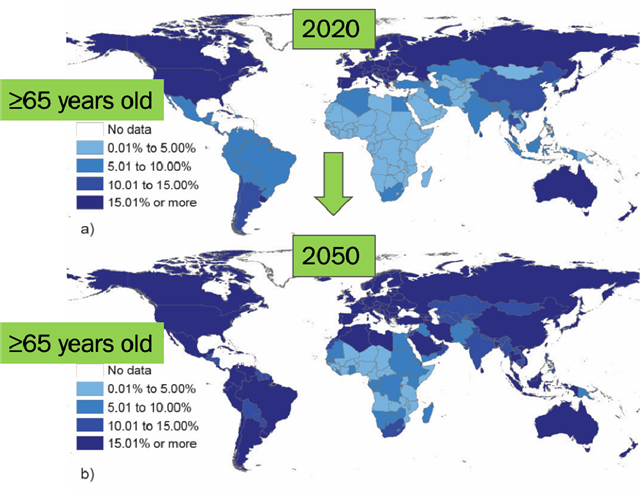
人口の高齢化と縮小は、持続可能性に様々な影響を与える人口現象です。東京カレッジのMarcin Jarzebski特任助教が執筆した論文
"Ageing and population shrinking: implications for sustainability in the urban century" が、新しいジャーナルnpj Urban Sustainabilityに掲載され、これらの問題に新たな光が当てられました。この論文は、持続可能な開発目標(SDGs)の実現に向けて、こうした人口動態の変化がもたらす課題と機会を明らかにする一方で、持続可能性の実現に向けて実際に機会をもたらす新たな介入方法を紹介し、高齢化と縮小する社会に対する多くの悲観的な見方に異議を唱えています。
|
|
|
|
|
このコーナでは過去イベントの最近発表された動画を紹介します。 |
|
|---|
|
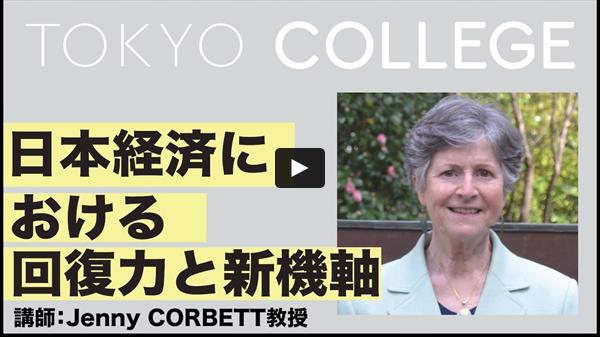
「日本経済における回復力と新機軸」講師:Jenny CORBETT教授
50年のうちに、日本は急成長を遂げた経済のスーパースターから落ち着いたベテランへと変貌を遂げた。この間、どうすれば脱工業化した先進国経済へと成功裏に移行できるかという問題が繰り返し問われてきた。また、日本は多くの国々が現在直面している問題への対処を真っ先に迫られた。その経験は、高齢化、不平等、労働パターンの変化、生産性の鈍化、産業の空洞化など、ゆっくりとした普遍的な問題への適応や、回復力(レジリエンス)、短期的な危機と変化への対応について多くの問いを投げかけている。 そのすべての特性において、世界が日本から学ぶべきことは多い。 |
|
|---|
|
MAIL MAGAZINE JULY
 English Version
July 6, 2021 English Version
July 6, 2021 |
|
Dear readers,
We’ve already reached the second half of 2021! In addition to events related to Open Campus and a panel discussion on the Japanese economy, this month we are hosting a series of symposia on the future of the humanities and social sciences. Please feel free to join us for interesting discussions on the nature of research education and academic classification at the University of Tokyo. This issue also features an interview with Postdoctoral Fellow Rosita SAMSUDIN, who joined us recently.
-- The Tokyo College Team
|
|
|---|
|
Tokyo College Symposium Series
The Future of the Humanities and Social Sciences
Building on the report “On the Promotion and Prospects of Humanities and Social Sciences at the University of Tokyo” (December 2020), in this series panelists discuss a variety of topics across three sessions. Featured topics include the significance of the humanities and social sciences, the classification of academic disciplines, the current status and difficulties of research and education at UTokyo, and plans for the future.
|
|
|---|
|
Panel 1
Reconsidering the Division Between “the Humanities” and “the Sciences”
Moderator: MINO Takashi (Deputy Director, Tokyo College)
Panelists:
MORIYAMA Takumi (Dean, Graduate School of Arts and Sciences)
OHTA Kunihiro (Executive Director and Vice President)
MURAMOTO Yukiko (Professor, Graduate School of Humanities and Sociology)
Maria TELEGINA (Postdoctoral Fellow, Tokyo College)
Date and Time: Monday, 12 July 2021, 10:00-12:00
Language: Japanese only
Pre-registration required |
|
|
|
|
Panel 2
The Humanities and Social Sciences Going Forward
Moderator: HANEDA Masashi (Director, Tokyo College)
Panelists:
HONDA Yuki (Professor, Graduate School of Education)
SATO Iwao (Executive Director and Vice President)
YOKOYAMA Hiromi (Professor, Kavli IPMU)
SHAKUTO Shiori (Project Assistant Professor, Tokyo College)
Date and Time: Monday, 19 July 2021, 10:00-12:00
Language: Japanese only
Pre-registration required |
|
|
|
|
Panel 3
Perspectives from the Sociology of Knowledge
Moderator: Michael FACIUS (Associate Professor, Tokyo College)
Panelists:
NAKAJIMA Takahiro (Director, East Asian Academy for New Liberal Arts)
Kerstin Cuhls (Scientific Project Manager, Fraunhofer Institute for Systems and Innovation Research)
Inanna Hamati-Ataya (Founding Director, Centre for Global Knowledge Studies, University of Cambridge)
LIU Meijun (Assistant Professor, Institute for Global Public Policy, Fudan University)
WANG Wenlu (Project Researcher, Tokyo College)
Date and Time: Thursday, 29 July 2021, 17:00-19:00
Language: English (with English-Japanese simultaneous translation)
Pre-registration required |
|
|
|
|
Panel Discussion on the Lecture "Resilience and Innovation in Japan's economy"
Following the Tokyo College lecture “Resilience and Innovation in Japan’s Economy” by Professor Jenny Corbett, Professor MATSUI Akihiko (School of Economics, game theory, economics of disability), Project Assistant Professor Marcin Jarzebski (Tokyo College, sustainability, resilience, vulnerability, aging, and shrinking society), and Postdoctoral Fellow Mark Bookman (Tokyo College, history of disability policy and related social movements) have a discussion with Professor Corbett on the topics she presented.
Date and Time: Monday, 12 July 2021 (Available to watch from 17:00 JST)
Language: English and Japanese
No registration reqired
|
|
|
|
|
Public event
Tokyo University Open Campus
As every year, the University of Tokyo is organizing an Open Campus event for high school students and the interested public. Members of Tokyo College will offer a range of lectures and prepare material on our website.
Welcome lecture from Tokyo College: Creating New World History
(Prof. HANEDA Masashi, Director)
Lecture: “Creating a Society within the Limits of the Earth”
Dr. Marcin Jarzebski (Project Assistant Professor)
Lecture: “Digital Revolutions and Contemporary Life: Facing the Ethical Challenges of Technology”
Dr. Rory Schacter (Postdoctoral Fellow)
Lecture: “On Meaning in Language”
Dr. Maria Telegina (Postdoctoral Fellow)
Date and Time: July 10, 11:00~12:00, 13:00~15:50
Registration by July 9 is required
|
|
|
|
|
In this section, we continue the interview series with our new members. This time we spoke with Dr. Rosita SAMSUDIN, a Postdoctoral Fellow at Tokyo College who joined us in June.
|
|
|
|
|
Welcome to Tokyo College! You are still based in Singapore at the moment due to COVID-related restrictions. Could you tell us what you have been doing there before joining the College?
Thank you for the warm welcome! Since before joining Tokyo College, I have been doing research related to urban greening and human well-being in high-density urban contexts. In my doctoral research, which I recently completed, I investigated the importance of green space in Singapore’s public housing estates in social capital formation amongst the residents. Separately, together with colleagues at the National University of Singapore, I have been involved in other projects related to urban greening such as the assessment of the spatial equity of parks distribution in Singapore as well as the benchmarking of urban greening efforts in cities by comparing Singapore, Tokyo, Seoul, Hong Kong, London, and New York. Recently, I also completed a project on raising awareness of evidence-based urban planning processes in four Indonesian cities together with colleagues from the Future Cities Laboratory Singapore.
Could you explain your current research project(s)?
The relationship between green space and social capital in cities remains an understudied topic mainly because it requires multidisciplinary approaches which are often challenging to measure. Nevertheless, it is an emerging and urgent topic of study that considers the rapid increase of urban population. The current pandemic has also demonstrated that the presence of nature in cities is important for human well-being.
My current research investigates the role of urban green spaces in promoting social capital formation in two high-density cities: Tokyo and Osaka. Urban greening has been a key urban planning policy in large Japanese cities. Separately, social capital has long been promoted amongst Japanese urban society. How urban green space plays a role as a platform by which to encourage social capital formation is, however, less understood. This research, along with the Singapore study, will provide better knowledge in the planning of green spaces that are socially beneficial for urban society. Generalisations drawn from both studies can prove useful for policymakers, practitioners, and society at large. In addition, I am expanding my research to understand the mechanism of the relationship between green space, social capital, and health. The importance of urban greening and social capital for health promotion has been widely recognised, but how the three aspects are interrelated requires further study.
What are your goals for your tenure at the College?
Cities are becoming increasingly more dynamic and complex systems. Thus, understanding cities and how to make them sustainable and ideal for the daily lives of urban society require multidisciplinary thinking. The unique framework of Tokyo College offers opportunities to pursue multidisciplinary collaborative research that can provide comprehensive responses to building better cities and urban society. I hope my works and collaborations with colleagues at Tokyo College and beyond during my tenure can bridge disciplinary gaps and offer impactful solutions and initiatives─through urban greening, urban planning and design, or other avenues─to promote the well-being of urban society. I also wish to learn the Japanese language and get to know more about Japanese culture during my stay here. |
|
|---|
|
Online exhibit: (un) sustainable things
The world is constantly changing. But, when society is the one changing, wouldn’t it be nice if we could say, “How about like this?” What if by bringing people together, we could become a force for good? At Tokyo College, these are the kinds of thoughts that motivate our research. Here, we have each expressed through art ways in which our research relates to the topic of “sustainability.” We hope that this exhibit allows you to feel more familiar with the research activities our members are engaged in here at Tokyo College.
|
|
|---|
|
Journal Article "Ageing and population shrinking: implications for sustainability in the urban century"
Population ageing and shrinking are demographic phenomena bringing a wide range of implications for sustainability. A perspective paper "Ageing and population shrinking: implications for sustainability in the urban century", published in a new journal npj Urban Sustainability, led by Marcin Jarzebski, project assistant professor of Tokyo College, brought a new light on these concerning issues. The paper identifies the challenges and opportunities of these demographic processes for implementing the sustainable development goals (SDGs) but on the other hand, it brings to the forefront emerging interventions that actually bring opportunities to achieving sustainability, contesting many pessimistic views on the ageing and shrinking society. |
|
|
|
|
In this section, we highlight newly published video clips of previous Tokyo College events. |
|
|---|
|
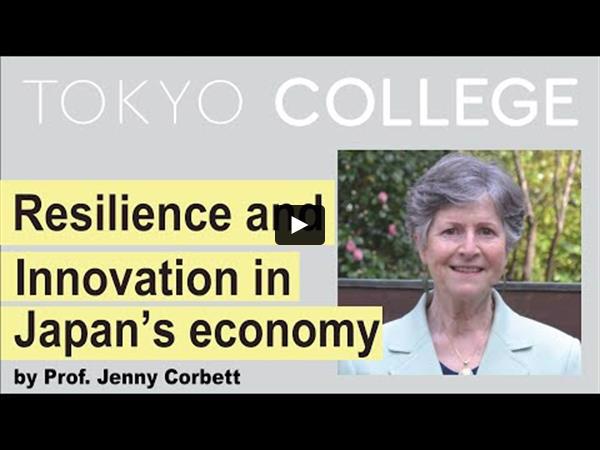
“Resilience and Innovation in Japan’s economy” by Prof. Jenny Corbett
Over 50 years, Japan changed from a rapidly-growing economic superstar to a sedate veteran, raising questions about what transitions are needed to succeed as a post-industrial, advanced economy. Japan is in the vanguard of the problems that face many other countries, and its experience raises questions about how to adapt to slow-moving and ubiquitous problems such as ageing population, inequality, changing work patterns, slow productivity growth and industrial hollowing out, but also about resilience, response to short-term crises and change. For all its specific characteristics there is a lot the world needs to learn from Japan.
|
|
|---|
|
|