|
|
|
Dear VPF Friends,
Welcome to the Violence Prevention Forum newsletter. We share research, resources, upcoming events and opportunities on a bi-weekly basis. We hope you find this a useful and valuable resource.
For any resources and events you'd like to share in this newsletter or queries, contact vpf@issafrica.org. You can also stay up to date with opportunities and research on our linkedIn page here
|
|
|---|
|
 |
ISS Today: South Africa needs more than a five-point plan to prevent violence
Violence against women is more likely to be reduced if violence among boys and among men is not accepted as normal and inevitable.
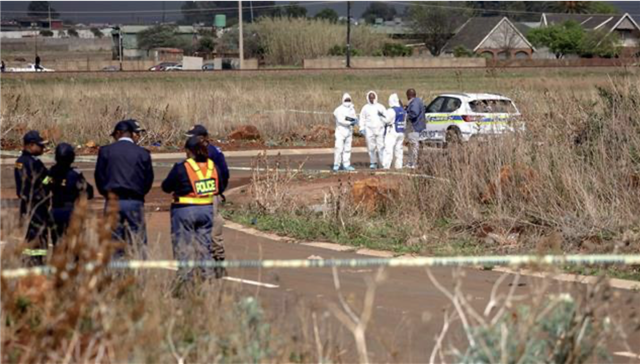
The 9 September murder of Elizabeth Moselakgomo and subsequent revelations that at least 10 women’s bodies were found in Ekurhuleni, east of Johannesburg, between 15 July and 28 September, have focused attention on gender-based violence and femicide in South Africa.
On 29 September, President Cyril Ramaphosa presented a five-point plan to reduce the risk of violence against women in public spaces and resolve bottlenecks in the criminal justice system to deal with existing cases. He also stressed the importance of preventing violence. However, the plan is silent on what prevention looks like and how it will be resourced.
This opinion piece calls for a more integrated approach that strengthens families, supports gender-transformative parenting, builds children’s and adults’ skills to resolve conflict peacefully, and addresses the social and structural conditions that contribute to violence. The authors argue that South Africa needs a coherent, adequately resourced prevention architecture that connects existing interventions and clarifies how they work together to reduce violence across different settings and stages of life. |
|
|---|
|
|
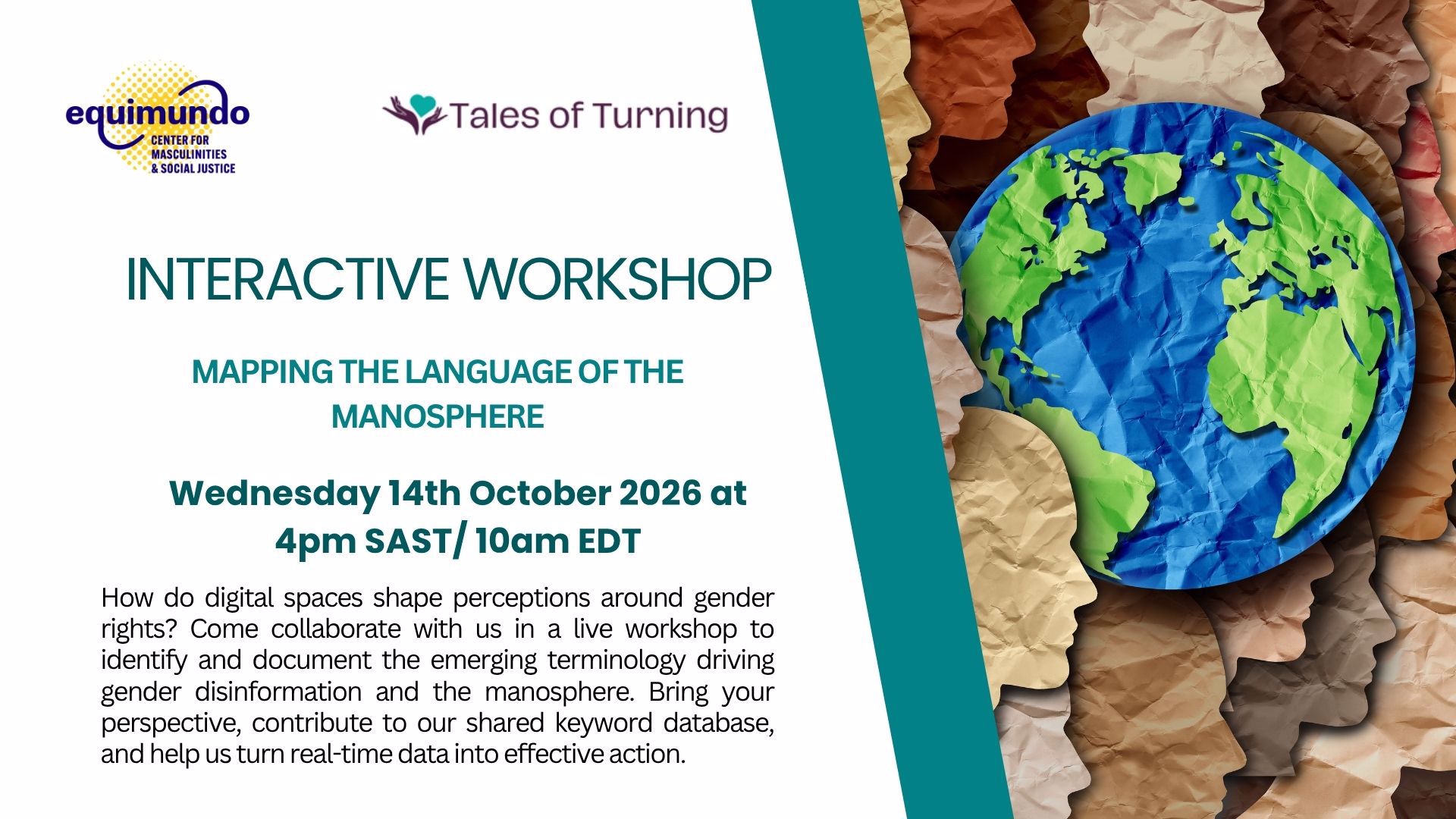
Interactive Workshop: Mapping the Language of the Manosphere
Join Tales of Turning for this interactive workshop exploring how digital spaces shape perceptions around gender rights. You are invited to collaborate with the team to identify and document the emerging terminology driving gender disinformation and the manosphere. Bring your perspective, contribute to a shared keyword database, and help turn real-time data into effective action.
Date: 14 October 2026
Time: 16:00 (SAST) |
|
|---|
|
|
Seminar: South Africa’s constitution at 30, from promise to practice
Thirty years since South Africa adopted its post-apartheid constitution and transformative bill of rights, the gap between promise and lived reality remains wide. Inequality, unemployment and violence persist, while anti-immigrant protests and declining public trust in institutions reflect a populace dissatisfied with the country’s trajectory.
In just over a month, local government elections will provide a barometer of South Africa’s political and economic governance. This seminar brought together a diverse range of speakers to take stock of the past 30 years and discuss how to strengthen democracy and promote accountability. |
|
|---|
|
|
 |
Help needed: looking for South African students/researchers working on potentially distressing topics to take part in a study
A team at the University of Bath, UK, is currently recruiting participants for their study on understanding the experiences of researchers working on potentially distressing topics. They are looking for South African researchers (across all levels, including students) who are working or have previously worked on potentially distressing topics.
The aim is to include a wide range of research topics as long as the researcher finds it personally distressing. Example research topics could be working on mental or physical diseases, negative life experiences (e.g., trauma, abuse), or negative global phenomena (e.g., climate change).
The invitation is to participate in an online interview lasting 30-minutes to 1 hour, and complete three questionnaires. As far as possible, they will arrange the interview at a time convenient and will provide a ZAR500 voucher of your choice as a thank you for your time.
To find out more email the study researcher Emily Tsang at oyt21@bath.ac.uk
|
|
|---|
|
|
 |
Webinar: Safe Learners in a Digital World. How education systems can address technology-facilitated violence in, around and through schools
Digital technologies are transforming how children and adolescents learn, connect, and participate in society. While they offer significant opportunities for education, they can also expose learners to risks that affect their safety, well-being, and ability to learn. As countries continue to invest in digital learning, ensuring learners' safety from technology-facilitated violence, exploitation and abuse is a fundamental responsibility of education systems and a prerequisite for equitable, inclusive, and effective learning.
Join UNICEF and Safe To Learn for this session introducing a new Technical Brief and exploring how countries and partners can integrate digital safety into laws and policies, school practices, budgets, data systems and coordinated multisectoral action. Structured around the five areas and benchmarks of the Safe to Learn Call to Action, the Brief provides a practical framework for strengthening existing efforts rather than creating a separate approach. The webinar will connect its recommendations to wider digital learning and education technology agendas, highlight the importance of safety by design, and share practical perspectives on translating the framework into action across different contexts.
Date: 12 October
Time: 9:00 - 10:00 (SAST)
|
|
|---|
|
|
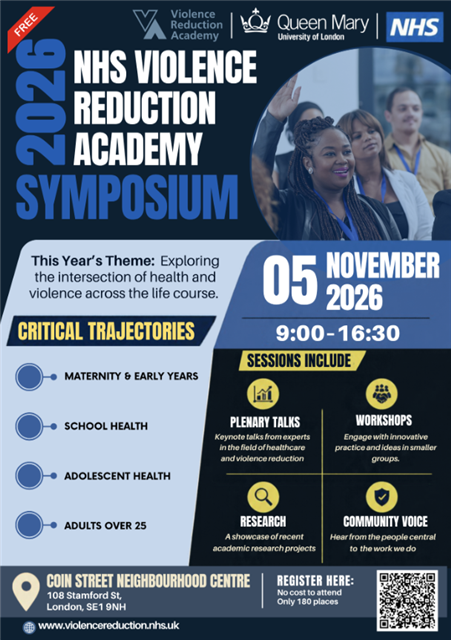
Save the Date: NHS Violence Reduction Academy Symposium 2026
Save the date for the third NHS Violence Reduction Academy Symposium, taking place in London.
The theme for this year's symposium is Critical Trajectories, with a focus on key moments in life where violence and health needs may interact. With an interest in framing violence and health through the life course lens, the event will explore four key trajectories where health and violence interact, offering talks and workshops from a range of organisations and subject experts across the healthcare spectrum.
The event will provide an opportunity to examine violence through a public health and life course lens, exploring how health services can respond to and help prevent violence at critical stages of life.
Date: 5 November 2026
Time: 09:00 – 16:30pm GMT (+00:00)
Venue: Coin Street Neighbourhood Centre, 108 Stamford Street, London, SE1 9NH, United Kingdom
|
|
|---|
|
|
 |
Employment opportunity; Early Learning Programme (ELP) Support Lead
Ilifa Labantwana is looking for an experienced and strategic leader to support early learning programmes across South Africa to register, access funding, improve quality and deliver better outcomes for children. The ELP Support Lead will lead the national support strategy, working with government, the Bana Pele Project Management Unit and delivery partners to identify barriers, develop practical solutions and use data and evidence to strengthen support for early learning programmes.
The role offers an opportunity to contribute to a nationally significant ECD initiative and strengthen systems that support children, families and communities. The successful candidate will have experience leading complex programmes or strategic initiatives, working across government and multi-stakeholder partnerships, and translating strategy into practical implementation and measurable results. The position is a two-year contract, based in Johannesburg or Cape Town on a hybrid basis.
Submission deadline: 16 October 2026
Submit application to: recruitment@ilifalabantwana.co.za |
|
|---|
|
|
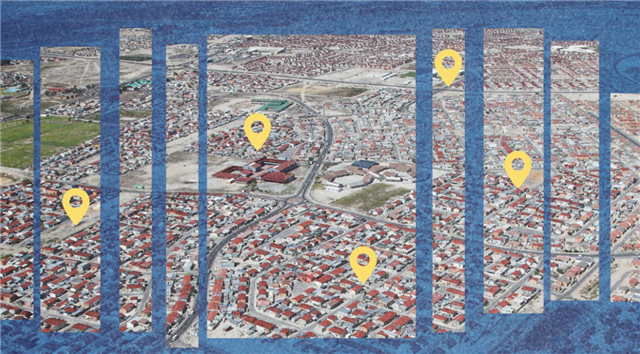 |
Evidence-Based Policing South Africa Conference 2026: From knowledge to action, doing what works in South African policing
South African policing is entering a period of significant change, with renewed attention to leadership, accountability, operational effectiveness and the role of evidence in decision making. This creates an important opportunity to move from commitment to practical action – identifying what should be done differently, how it can be implemented, and how results can be measured.
The 2026 Evidence-Based Policing South Africa Conference will bring together police and criminal justice practitioners, government officials, researchers and civil society experts to examine practical responses to major policing challenges. Discussions will consider what could realistically be tried, who needs to lead implementation, and how progress and impact could be assessed.
Date: 19-20 October 2026
Time: 08:30 to 16:00 (GMT+2)
Venue: Protea Hotel Cape Town Waterfront Breakwater Lodge and online via Zoom |
|
|---|
|
|
 |
Research paper: A Scoping Review of IPV Prevention Curricula and Their Implementation in Low- and Middle-Income Countries. Implications for the Next Generation of Programs
The review examines 55 curricula from 42 programmes across 23 countries to better understand how IPV prevention curricula are designed, what they teach, and how they're implemented. Although facilitated learning and reflection groups are among the most common and effective IPV prevention strategies, there has been little effort to review how they compare across countries, programmes, and populations. This information is essential for the field to learn, adapt, and improve.
The review highlights real opportunities to strengthen and innovate — especially in building relationship skills, addressing alcohol use and poor mental health, and updating content to better reflect the communities these programmes serve. It also highlights numerous ways to strengthen programme design, implementation, and documentation. Six recommendations are offered to guide the design, content, and implementation of the next generation of curriculum-based programmes.
|
|
|---|
|
|
| |
| |
|
View this email in your browser
You are receiving this email because of your relationship with Violence Prevention Forum @ the Institute for Security Studies. Please reconfirm your interest in receiving emails from us. If you do not wish to receive any more emails, you can unsubscribe here.
|
|
|
|
|